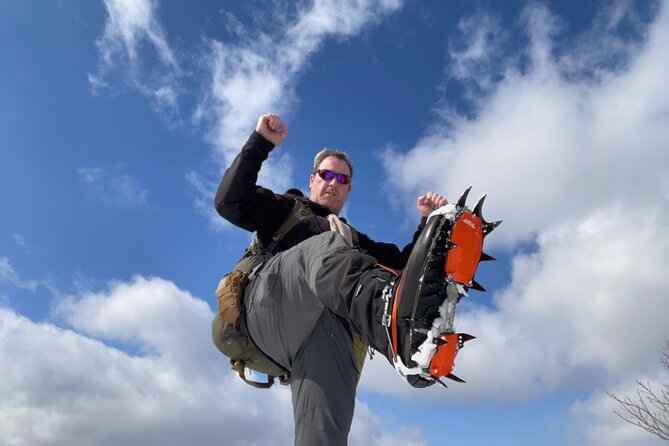
Sapporo’s winter magic begins just beyond the subway. This small-group snowshoe trip takes you into quiet Hokkaido forest, where deep powder, mountain views, animal tracks, and falling snow replace city traffic. Guide Chris leads the outing, adjusts the route to weather and fitness, and finishes the morning with an onsen soak.
In This Article
- Key points at a glance
- Leaving Sapporo at 7:30am
- Five hours in the forest near Sapporo
- A guide who shapes the day around you
- Lunch in the snow
- Koganeyu Onsen, the well-earned finish
- What the $224.02 price really covers
- What to wear and what to bring
- Who should book this snowshoe outing?
- My booking verdict
- FAQ
- Where does the tour start?
- What time should I arrive?
- How long does the experience last?
- How many people can join?
- Is transportation included?
- Is snowshoe equipment provided?
- Are winter clothes and footwear included?
- Is lunch included?
- Is onsen admission included?
- Can the tour be canceled because of weather?
I like two things right away: the maximum group size of five, which keeps the outing personal, and the warm-up-to-onsen rhythm. You get snowshoes, poles, gaiters, transport, lunch, and bath admission, but you must bring your own cold-weather clothing and winter footwear. The early start and physical effort are the main considerations.
Key points at a glance
- Meet at 7:30am at Makomanai Station: The starting point is easy to reach by public transportation from Sapporo.
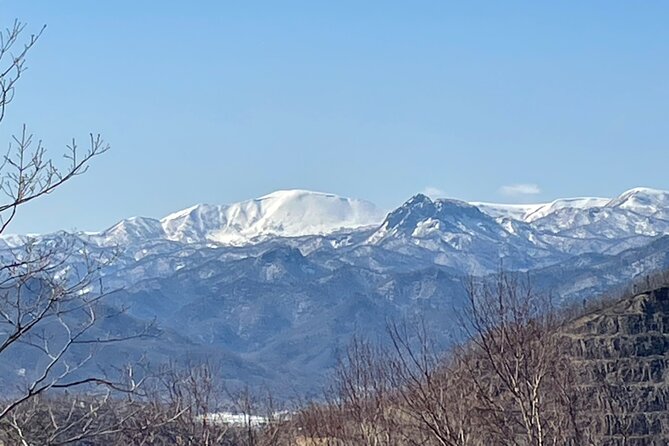
- Trek through quiet winter forest: The route passes through deep snow, wooded slopes, and scenic areas around the city, with possible mountain and lake views.
- Small groups make a difference: With no more than five people, Chris can adjust the pace and route to the group.
- Lunch comes in the middle of the outing: Depending on the day, this may be a packed meal or a hot meal prepared with a camp stove.
- Koganeyu Onsen follows the hike: Your admission is included, making the hot bath a welcome finish after several hours outside.
- You supply the serious winter gear: Warm clothing and suitable snow footwear are not included.
Leaving Sapporo at 7:30am
Your morning begins at Makomanai Eki, or Makomanai Station, at 7:30am. That early meeting time may sound stern on a holiday, but it gives you a full morning in the snow and leaves room for the onsen before returning to Sapporo.
Makomanai is in Sapporo’s Minami Ward, near the foothills and outdoor areas south of the city. The meeting point is close to public transportation, so you do not need to arrange a complicated private transfer from central Sapporo.
From the station, the group travels by private transport for about 30 minutes to the trailhead. This is more than a simple ride out of town. It saves you from dealing with snowy roads, rental gear, and winter driving, while Chris handles the practical transition from city to forest.
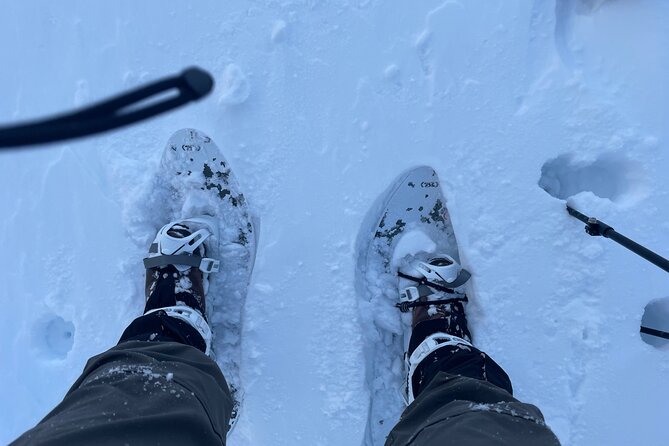
At the trailhead, you check the equipment and go through a safety briefing. Snowshoes, snow trekking poles, and gaiters are provided. Chris also explains how to use the gear, including techniques for going uphill and downhill on steep or slippery snow.
That briefing matters. Snowshoes are not difficult for most people, but they feel different from ordinary boots. You need to lift your feet a little higher, plant the poles with care, and spread your weight across soft snow. The group’s pace can be adjusted, which helps first-time snowshoers settle in.
Our other Sapporo reviews may also help you decide

Five hours in the forest near Sapporo
The main activity is a roughly five-hour circuit with a lunch stop. The exact route can change with snow conditions, weather, and the group’s ability. That flexibility is one of the best features here. A fixed route can be a poor choice in winter, when deep powder, heavy snowfall, icy sections, or hidden water can change the day quickly.
The advertised difficulty is 4 out of 10. That suggests a manageable outing rather than a technical mountaineering trip, but do not read the number as effortless. The terrain can include deep snow and uphill sections. One participant found the snowshoeing tougher than expected and turned back before the summit, while still enjoying the day.
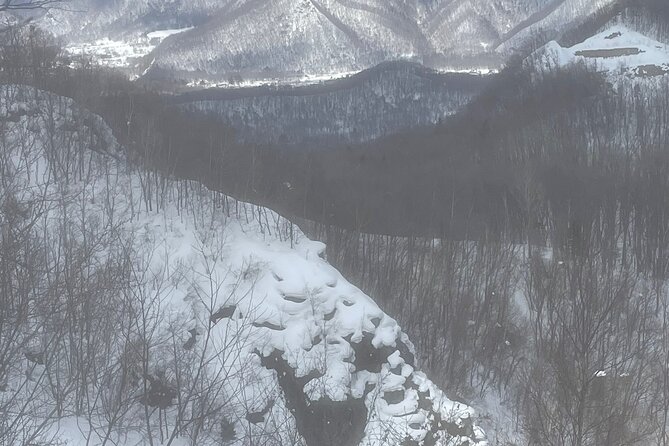
That is useful advice: you do not need to treat the summit as a test. The route is meant to be adapted. On one outing, the group reached a 523-meter summit area before choosing to return because of heavy snow. On another, the hike reached Fujino Fuji at 532 meters. These details show that the day can include real elevation gain, not only a flat stroll through a park.
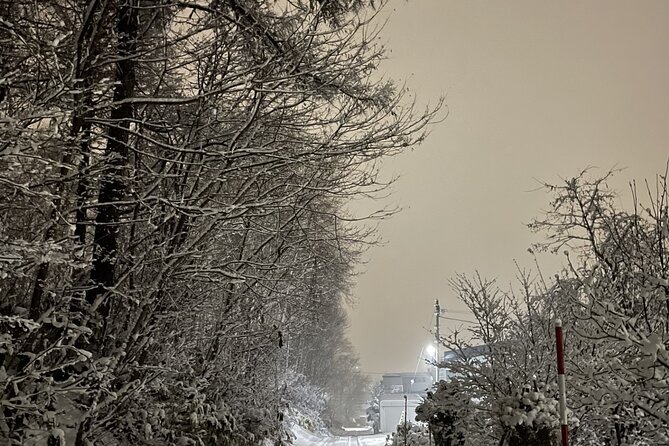
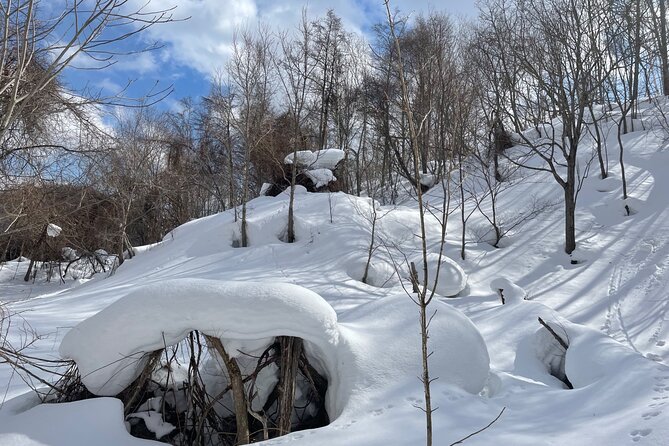
You may spend much of the walk among snow-covered trees. In winter, the forest has a spare, quiet feel. Bare branches hold piled snow, wind shakes powder loose, and animal tracks can appear along the trail. Sightings and conditions are never guaranteed, but the route has offered signs of Japanese squirrels, raccoons, and foxes, as well as the sounds of blue robins.
Chris also points out Hokkaido trees and local plants, including spruce. This gives the walk more meaning than simply taking photographs of white scenery. You begin to notice how snow changes the forest, how branches carry weight, and how tracks tell a small story even when the animal itself stays out of sight.
A guide who shapes the day around you
Chris receives the strongest praise for communication, patience, safety, and route choices. Those qualities matter more on a snow outing than a rehearsed speech. Before the hike, he helps make sure you understand the meeting instructions and have suitable equipment. During the walk, he checks the pace and offers practical tips.
The small group helps him do this well. A maximum of five people means you are not trying to keep up with a large procession. If one person needs a slower pace, a longer pause, or extra help with a slope, the day can be adjusted more easily.
Chris is also described as friendly and easy to talk with, without filling every quiet moment. That balance suits a forest walk. You can ask about Hokkaido’s flora and fauna, learn how to move through powder, or simply listen to the snow and wind.
Safety is another important part of the guide’s role. Chris avoids areas that may contain crevices or water beneath the snow and changes plans when conditions call for it. That does not remove the normal risks of winter hiking, but it gives you a sensible leader who treats the terrain seriously.
If you are new to snowshoeing, this is probably the right kind of guidance. You receive equipment, an introduction, and help with technique. Still, you should be comfortable walking for several hours and ready for cold, changing weather.
Lunch in the snow
Lunch is included, and it breaks up the five-hour circuit at exactly the right point. Stopping in winter requires more thought than stopping at a warm café. You cool down quickly when you stop moving, so a hot meal and drink can make the difference between a memorable pause and a chilly one.
The food setup can vary. It has included prepared packed lunches, warm curry, hot cocoa, and meals cooked with a camp stove. The exact menu is not specified, so do not book this expecting a particular dish. The useful point is that food is built into the day, rather than leaving you to carry a full meal without knowing when you will get a break.
Lunch also gives you time to take in the setting. In a quiet forest, a simple meal can feel special. You may be eating near a trail, beside deep powder, or in a peaceful spot with views through the trees. One important practical tip is to keep your warm layers close. Even a short lunch stop can feel cold if the wind rises.
Because the tour is active, bring any personal snacks or drinks you may want beyond the included lunch. The supplied information confirms lunch but does not specify extra refreshments, dietary choices, or the exact cooking arrangements for every departure.
Koganeyu Onsen, the well-earned finish
After the snowshoe circuit and lunch, you return to the private transport and head to Koganeyu Onsen. Admission is included, so you do not need to budget separately for the bath entrance.
This is not an afterthought. A hot onsen is a sensible end to several hours of walking in snow. It gives your legs a chance to relax and turns the outing into a complete Hokkaido experience: forest, food, and traditional bathing in one morning and afternoon.
If you have never used an onsen, Chris can explain the etiquette. You wash before entering the baths, keep towels out of the water, and follow the facility’s bathing rules. That short orientation is valuable because Japanese bath customs may not be obvious to a first-time visitor.
The setting has been praised for its views, including a beautiful lake setting. Exact views depend on the facility area, season, and weather, but the bath provides a calm change of pace after the physical activity.
Tattoo policies can be a concern in Japan. One participant with extensive tattoos received help locating an onsen they could use. That is encouraging, but you should discuss your needs with the provider before booking, since acceptance rules can vary and are not stated as a universal feature of every departure.
After the bath, you return to Sapporo. The listing describes the activity as about five hours, though the full schedule includes the early station meeting, transport, snowshoeing, lunch, and onsen. Keep the rest of your day reasonably flexible rather than booking a tight afternoon appointment.
Our other Sapporo reviews may also help you decide


What the $224.02 price really covers
At $224.02 per person, this is not a bargain-priced walk. It is also more than a simple equipment rental. The price includes snowshoes, trekking poles, gaiters, private transport from Makomanai to the trail area, lunch, and Koganeyu Onsen admission.
The guide is the bigger part of the value. You are paying for route decisions, snow safety, equipment instruction, local nature knowledge, and a flexible pace. If you tried to arrange the same day alone, you would need to find a snowshoe route, obtain the right gear, reach the trailhead, understand the conditions, plan lunch, and choose an onsen.
The small group improves the value for couples, friends, or solo visitors who want personal attention. It is less compelling if you only want a quick introduction to snowshoeing or prefer a large, lower-cost group outing.
Group discounts are available, which may make the price easier to justify for a party. The tour also uses a mobile ticket, and confirmation is received at booking. These details keep the booking process simple, but they do not change the need to prepare properly for the cold.
What to wear and what to bring
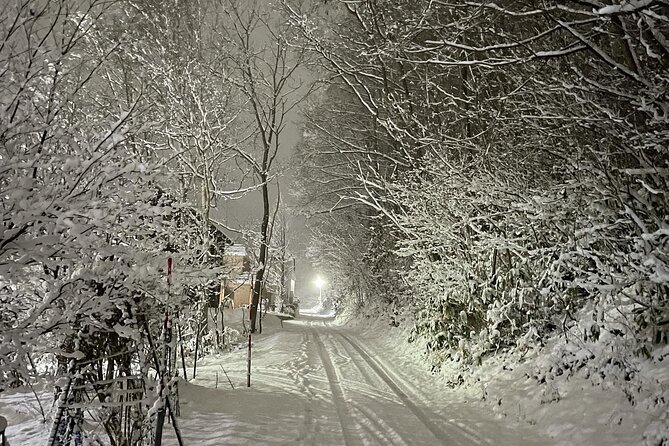
Cold-weather clothing and winter hiking footwear are not included. This is the most important limitation to understand before you book.
You should arrive with clothing suitable for several hours outdoors in snow. The supplied information does not name specific required items, so ask Chris what is appropriate for current conditions. At minimum, plan around warm layers and footwear made for cold, snowy ground rather than ordinary city shoes.
Gaiters are supplied, which helps keep snow out around your lower legs. Snowshoes and poles are also supplied. You still need to dress well underneath them.
A few practical habits will help:
- Keep your hands, head, and neck well protected.
- Bring a phone or camera with enough battery for cold conditions.
- Wear clothing that allows you to walk uphill without overheating.
- Pack any personal snacks or drinks you may want beyond lunch.
- Leave room in your schedule after the hike for the onsen and return to Sapporo.
The tour can operate in changing weather, but poor weather may cause cancellation. If that happens, you are offered another date or a full refund.
Who should book this snowshoe outing?
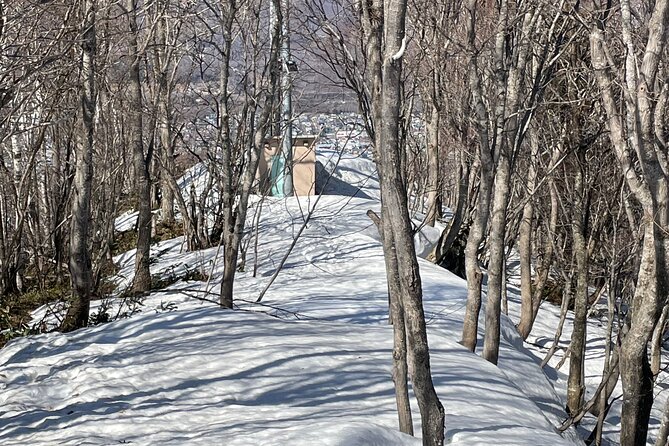
I would choose this experience if you want to leave Sapporo without committing to a remote, multi-day expedition. It gives you a taste of Hokkaido’s backcountry while keeping the meeting point near public transportation and the group very small.
It suits first-time snowshoers who are reasonably comfortable with a few hours of walking. The guide’s patience and route flexibility are especially helpful if you are unsure about snowshoes or worried about your pace.
It also works well for couples. The quiet forest, shared lunch, and onsen create a more memorable day than another indoor attraction, and the small group leaves room for a personal experience.
Strong hikers may enjoy it too, but you should ask about the route before booking if you want a strenuous summit day. The stated difficulty is moderate, and the route is adjusted to conditions rather than designed as a hard mountain challenge.
I would hesitate if you dislike cold weather, cannot walk for several hours, need guaranteed flat ground, or have no suitable winter clothing. The tour is accessible to most people according to the supplied information, but that does not mean it is effortless or suitable for every mobility level.
My booking verdict
I recommend this tour for anyone who wants a close-to-Sapporo winter outing with real forest time, a capable guide, and a hot bath at the end. The guide-led route and tiny group are the main reasons to choose it over arranging a casual snow walk on your own.
Book it if you value quiet trails, local nature details, and a day shaped around weather and fitness. Confirm clothing, footwear, lunch arrangements, and tattoo policy before paying. If you are ready for a cold, active morning and do not expect a guaranteed summit or fixed menu, the $224.02 price offers a well-rounded Hokkaido experience.
FAQ
Where does the tour start?
The tour starts at Makomanai Station, also called Makomanai Eki, in Minami Ward, Sapporo.
What time should I arrive?
The meeting time is 7:30am.
How long does the experience last?
The snowshoeing activity is approximately five hours, including a lunch stop. The full schedule also includes transport and the onsen visit.
How many people can join?
The maximum group size is five people.
Is transportation included?
Private transport from Makomanai Station to the trailhead and back toward Sapporo is included in the described schedule.
Is snowshoe equipment provided?
Yes. Snowshoes, snow trekking poles, and gaiters are included.
Are winter clothes and footwear included?
No. You must provide your own cold-weather clothing and hiking footwear suitable for cold and snowy conditions.
Is lunch included?
Yes. Lunch is included, although the exact food and preparation method may vary.
Is onsen admission included?
Yes. Admission to the onsen is included. The listed stop is Koganeyu Onsen.
Can the tour be canceled because of weather?
Yes. The experience requires good weather. If it is canceled because of poor weather, you can choose another date or receive a full refund.
More Tour Reviews in Sapporo


More Onsen Experiences in Sapporo
More Snowshoe Tours in Sapporo
Other Sapporo tours worth your shortlist

Snowshoe Tours, side by side.
 ★ 5.0Snowshoe Hike Tour from Sapporo include hotel p/up & drop offFrom $308.7316 reviews
 ★ 5.03.5hours Primeval Forest Snowshoe hike and Wildlife Watching TourFrom $55.5214 reviews
 ★ 5.0Snowshoe Adventures and Onsen Bliss Winter Escape in FuranoFrom $78.3812 reviews
 ★ 5.03 hours Snowshoe hike to “Furepe fall” and Wildlife WatchingFrom $44.309 reviews
The lists this tour appears in