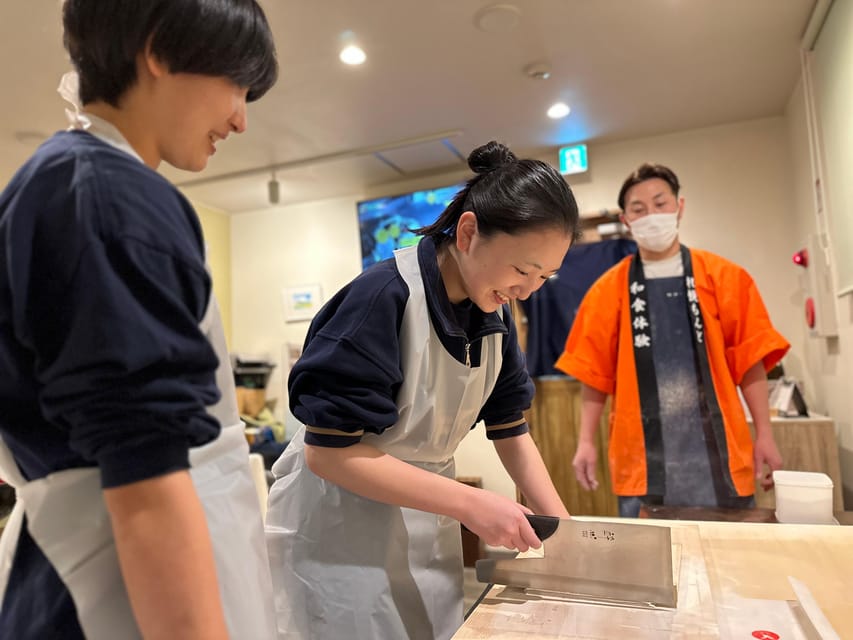
The best part of this Sapporo food experience is simple: you make the soba you eat. At Handmade Soba Mondo, Taku Sensee leads you through mixing Hokkaido buckwheat flour, rolling the dough, and cutting each noodle by hand. Then a Japanese cuisine chef prepares tempura to go with it.
In This Article
- Key points to know before you book
- Why handmade soba makes sense in Hokkaido
- Arriving at Handmade Soba Mondo
- Mixing, rolling, and cutting the noodles
- Eating the soba you made
- Tempura gives the meal its classic partner
- Soba-yu, the small custom at the end
- Is $83 a fair price?
- Who will enjoy this most?
- What the high rating tells you, and what it does not
- Planning the rest of your Sapporo day
- Should you book this soba class?
- FAQ
- Where does the soba-making experience take place?
- How long does the activity last?
- How much does the experience cost?
- What food do I make?
- Do I eat the soba I make?
- Is tempura included?
- Can I choose hot or cold soba?
- Is soba-yu part of the experience?
- What languages are available?
- Is this a private activity?
- How do I reach the shop by public transport?
- Is parking available?
- Do I need to bring cooking equipment or ingredients?
- Can I cancel for a refund?
- Can I reserve before paying?
I like the hands-on work and the chance to learn how soba is properly eaten, including the final cup of soba-yu, the cooking water traditionally served after the meal. I also like that this is a real neighborhood soba shop, not a stage-built workshop. The main drawback is the price, $83 per person for 90 minutes, so this makes the most sense if you care about food culture and want more than a quick meal.
Key points to know before you book
- You make every part of the noodle: Mix buckwheat flour, roll the dough, and cut the noodles yourself.
- Fresh soba is served as a full meal: Plan to eat a normal lunch or dinner portion, not just a sample.
- Tempura comes from a trained Japanese chef: The chef has more than 10 years of experience, and tempura is a classic partner for soba.
- Taku Sensee teaches in English and Japanese: A 10-year-old child was able to take part fully with the instructions.
- The shop is close to Miyanosawa Station: It is a five-minute walk from Exit 6 on the Sapporo Subway Tozai Line.
- This is a private-group activity: It requires at least two adults, with four parking spaces in front of the shop.
Why handmade soba makes sense in Hokkaido
Hokkaido is Japan’s biggest buckwheat-producing region, so this is a fitting place to learn about soba. Buckwheat is not just an ingredient here. It connects the meal to local farming, Japanese food customs, and a tradition that reaches back to the Edo period.
Soba is often grouped with sushi and tempura as one of Japan’s major traditional foods. You may have eaten soba in a restaurant, but making it gives you a better feel for the craft. The dough must be mixed, rolled, and cut with care. Small differences in thickness affect how the noodles cook and feel.
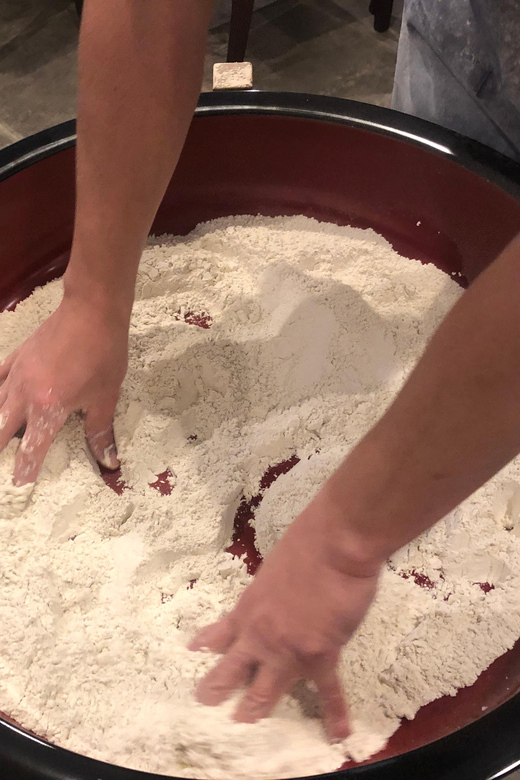
I like this kind of class because it gives you a useful frame for the meal. You do not simply sit down and receive a bowl. You see the raw flour, work the dough, and watch the noodles change from a rough sheet into something ready for the pot.
The shop describes this as an authentic handmade soba lesson rather than a tourist display. That matters. The setting is a working soba restaurant in Sapporo, and the food is treated as a proper lunch or dinner. You get a meal with the activity, not a tiny bite at the end.
We have reviewed more tours and experiences across Sapporo; these are worth comparing before you book.


Arriving at Handmade Soba Mondo
The meeting point is Handmade Soba Mondo, written in Japanese as 手打ち蕎麦もんど. The address is 17-28, 6-chome, Hassamu 6-jo, in Sapporo’s Nishi-ku area.
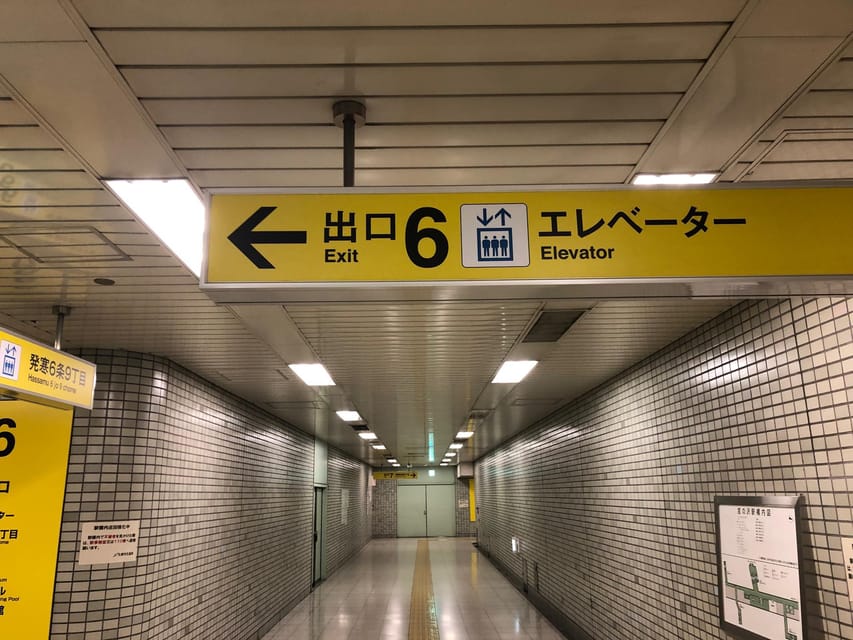
The easiest approach is the Sapporo Subway Tozai Line. From Miyanosawa Station, use Exit 6 and walk about five minutes. That short walk makes the activity practical to fit into a day of sightseeing, especially if you prefer not to arrange a taxi or a long transfer.
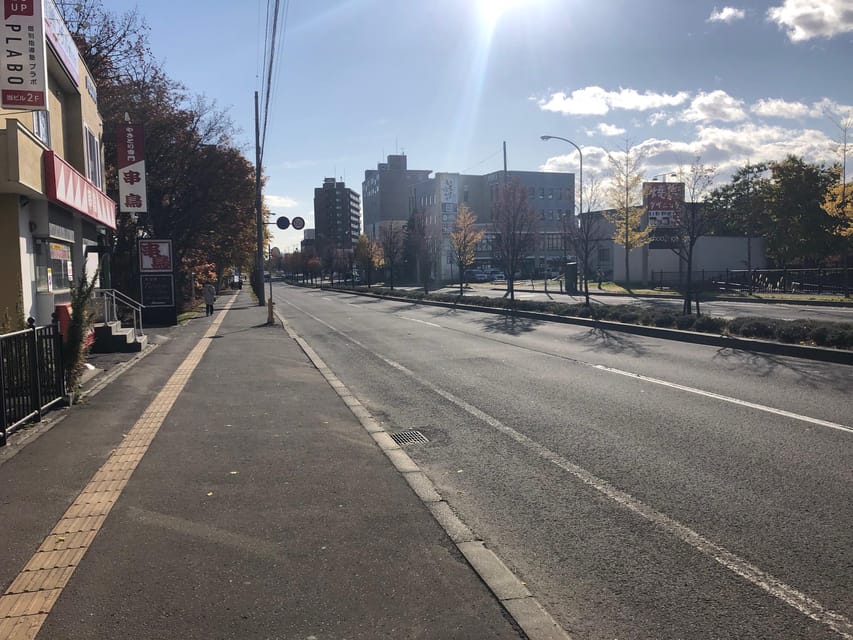
If you are driving, four parking spaces are available in front of the shop. That is useful, but the number is limited, so do not assume you will find room at any moment. Public transport is the safer plan if you are building your day around a fixed start time.
The class returns to the same place where it begins. You do not need to bring cooking equipment or ingredients. Everything needed for the lesson is provided.
Mixing, rolling, and cutting the noodles
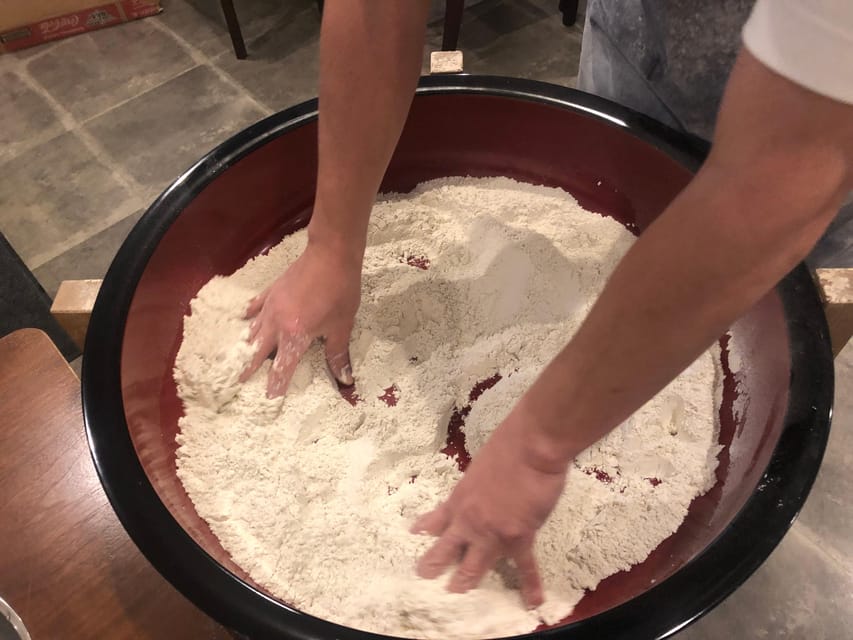
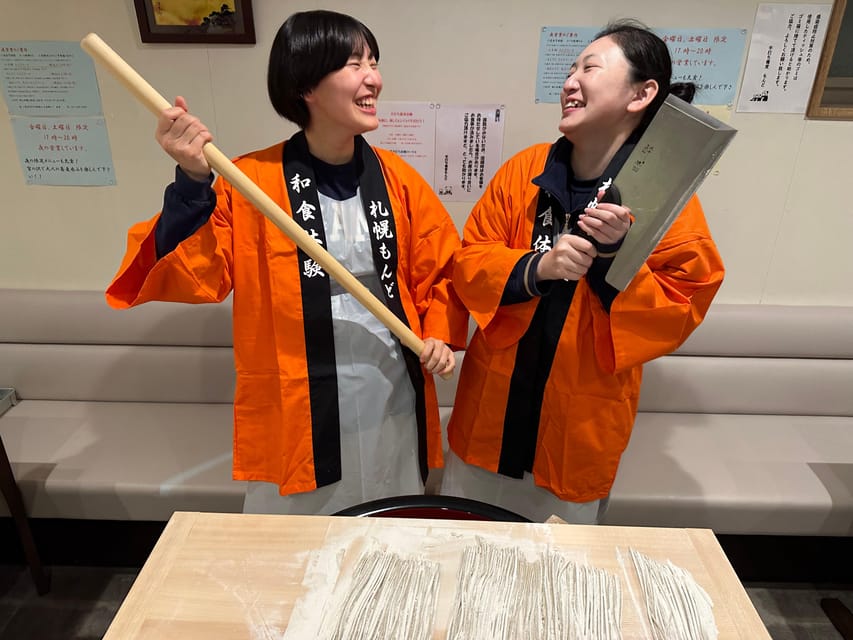
The working part of the class takes you through three clear steps. First, you mix buckwheat flour. Next, you roll the dough into a thin sheet. Finally, you cut the noodles by hand.
The cutting step is where the class becomes more than a casual cooking demonstration. Soba noodles need a reasonably even shape so they cook properly. Your first pieces may not look like restaurant noodles, and that is part of the fun. You get a direct sense of how much control the craft requires.
Taku Sensee explains the process step by step and teaches in English and Japanese. One useful sign for families is that a 10-year-old was able to participate fully. That does not mean every child will have the same patience or coordination, but it suggests the lesson is not limited to experienced cooks.
I would expect this to suit adults and older children who like doing things with their hands. It may be less appealing if you want to sit quietly and eat, since the central point is making the noodles yourself.
The activity is private, which helps here. You can focus on your own dough rather than keeping up with a large public group. A private class also gives you more room to ask for an explanation or a repeat of a step. The booking requires two or more adults, so this is aimed at couples, families, and small groups rather than solo participants.
Eating the soba you made
After cutting, your noodles are cooked and served for the meal. The portion is intended to work as a normal lunch or dinner, so arrive ready to eat. This is not a class where you leave hungry after two bites of your own creation.
You can enjoy the soba hot or cold. That choice is useful because it lets you notice how temperature changes the eating experience. Hot soba gives you a warmer, more comforting bowl. Cold soba makes the texture of the noodles easier to focus on.
You also learn the proper way to eat soba. The point is not to turn lunch into a test of manners. It is to understand the customs that go with the dish, including how the noodles, dipping sauce, and remaining broth or cooking water fit together.
Freshly made noodles can have a different feel from packaged soba. The lesson lets you connect the texture on your plate with the work you just did at the counter. That connection is the real reward of the class. You know why the noodles look the way they do because you handled the dough yourself.
Tempura gives the meal its classic partner
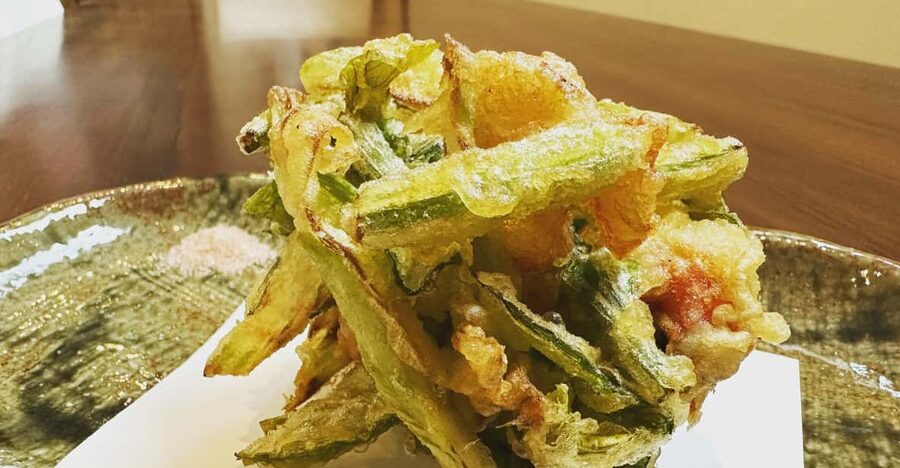
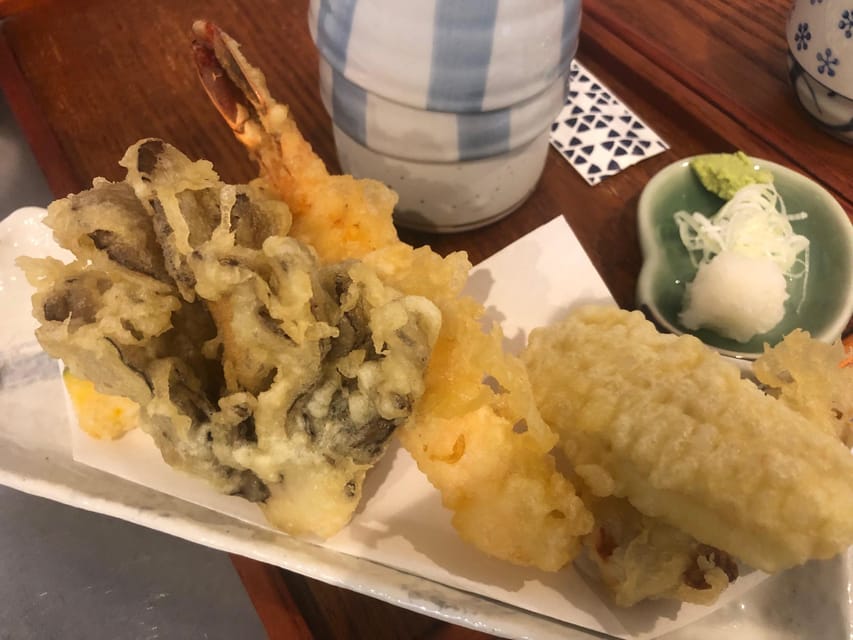
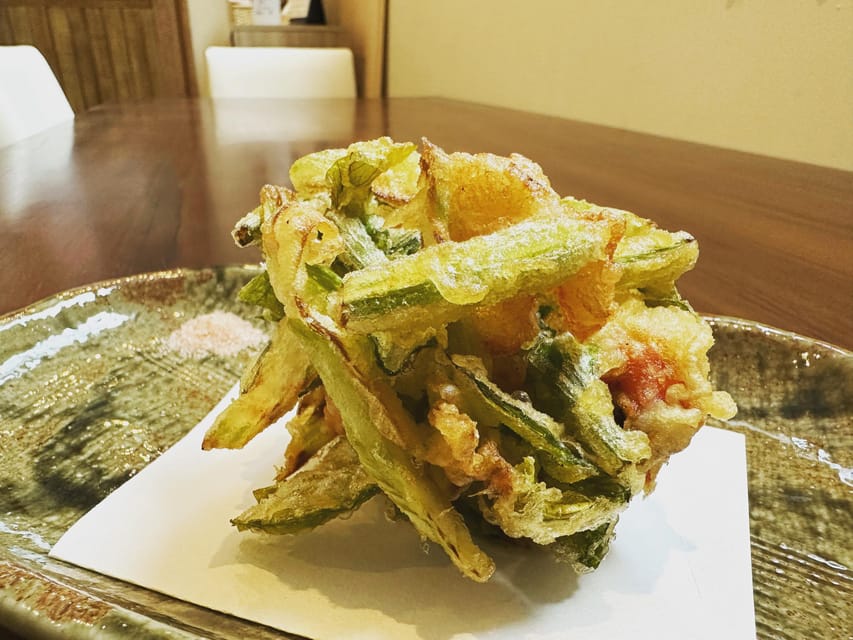
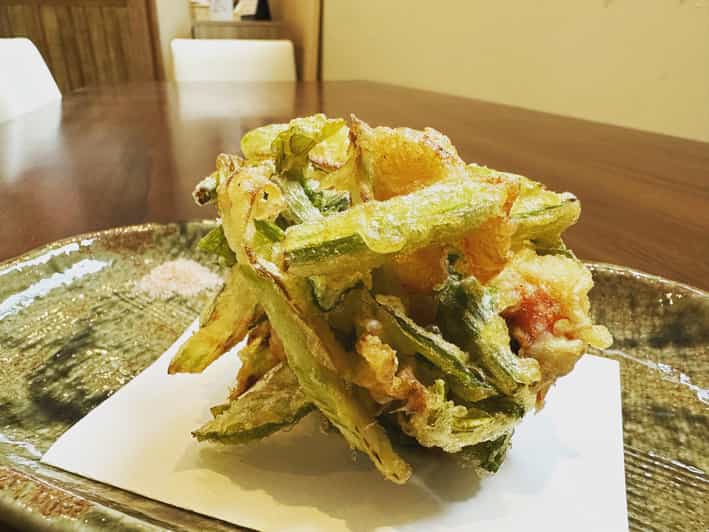
The plan includes tempura prepared by a Japanese cuisine chef with more than 10 years of experience. The tempura is not an afterthought. In Japan, tempura and soba are a familiar pairing, and the class explains the idea of tempura soba as part of the meal.
This is one of the strongest reasons to choose the full experience rather than a soba-only workshop. You get to taste the pairing as it is commonly enjoyed, rather than making noodles in isolation.
The tempura also adds a different texture to the meal. Soba is about buckwheat flavor and noodle texture. Tempura brings a crisp contrast. I would recommend choosing this option if you enjoy Japanese food and want a complete meal after the cooking work.
The experience information does not list the exact tempura ingredients, so you should not book expecting a particular vegetable or seafood item. The important detail is that the tempura is prepared by an experienced Japanese cuisine chef and served with the soba.


Soba-yu, the small custom at the end
After the noodles, you learn about soba-yu. This is the water left from cooking soba, traditionally served at the end of the meal.
For someone new to Japanese food customs, soba-yu can seem like an odd extra step. In practice, it is a quiet way to finish the meal and use the cooking water rather than treating it as waste. The class introduces the custom as part of understanding soba culture, not merely as a cooking trick.
I like that this detail is included. Many food activities stop once the main dish reaches the table. Here, the final drink gives you one more small piece of context to carry into future meals in Japan.
Is $83 a fair price?
At $83 per person, this is not a cheap way to eat lunch. A regular bowl of soba will cost much less, and you can find tempura soba without taking a class.
The value depends on what you want from the meal. If you only want noodles, skip the activity and eat at a restaurant. If you want a private, guided lesson, a full portion of soba, chef-prepared tempura, and an introduction to Japanese food customs, the price is easier to justify.
The 90-minute length also makes the cost more reasonable than a long half-day class for visitors with a busy Sapporo schedule. You spend enough time to make the food yourself, but not so long that it takes over the entire day.
The listed food and cooking portion is about 75 minutes within the 90-minute experience. You should still allow the full 90 minutes when planning your day. The class is best treated as a scheduled meal, not an activity you squeeze between two tightly timed attractions.
Who will enjoy this most?
I would recommend this for several types of visitors:
- Food-focused visitors who want to understand a traditional dish rather than simply order it.
- Families with older children, especially those who enjoy practical activities. The instructions were clear enough for a 10-year-old to take part.
- Couples and small groups who like private classes and shared meals.
- First-time visitors to Japan who want a gentle introduction to soba, tempura, and soba-yu.
- Repeat visitors to Japan who have eaten soba before but have never seen how handmade noodles are produced.
You may want to pass if your priority is the lowest-cost meal, a large sightseeing program, or a fast food stop. The class asks you to set aside time and attention. You are paying for the process as much as the plate.
The language setup is also worth noting. Instruction is available in English and Japanese. That gives English-speaking visitors a practical way to follow the technique, while Japanese speakers can take part in Japanese.
What the high rating tells you, and what it does not
The experience has a 4.3 rating from eight reviews. The small number means you should not treat the score as a scientific measure, but the repeated praise is quite specific.
The strongest theme is the hands-on teaching. Juan Manuel Angel gave special credit to Taku Sensee’s patience and step-by-step explanations. That is exactly what you need in a soba class, since rolling and cutting the dough can be unfamiliar.
The other repeated strength is the meal itself. The class lets you eat the noodles you made, with hot and cold options, and the tempura is frequently singled out as worth adding. The host and hostess are also described as friendly and good teachers.
These details help set expectations. You are not signing up for a lecture followed by a pre-made bowl. You will work, listen, and eat the result. The experience is most rewarding when you see that combination as the point.
Planning the rest of your Sapporo day
Because the shop is near Miyanosawa Station, the class can fit into a day using the Tozai Line. It begins and ends at the same address, so you will not need to coordinate a second meeting point after lunch or dinner.
Choose a starting time that lets you eat at a normal hour. The food amount is designed as a full lunch or dinner, and the hands-on work may make you hungry. Do not plan a second major meal immediately afterward.
You can reserve now and pay later, which helps if your Sapporo schedule is still taking shape. Free cancellation is available up to 24 hours before the activity for a full refund. Those terms reduce the risk of booking early, but you should still check the starting time and availability before committing your day.
Should you book this soba class?
Book it if you want a real food activity, not just another restaurant meal. The private format, clear step-by-step teaching, fresh soba, tempura, and soba-yu create a well-rounded introduction to one of Japan’s major traditional foods.
I especially recommend it for families and small groups who enjoy working together. Taku Sensee’s patient teaching and the option to eat hot or cold soba make the lesson approachable, while the full meal gives the $83 price some practical value.
Skip it if you are watching every dollar or have no interest in cooking. You can eat soba more cheaply elsewhere. But if Hokkaido food, local custom, and a meal you helped create all sound worthwhile, Handmade Soba Mondo is a sensible 90-minute choice in Sapporo.
FAQ
Where does the soba-making experience take place?
It takes place at Handmade Soba Mondo, or 手打ち蕎麦もんど, at 17-28, 6-chome, Hassamu 6-jo, Nishi-ku, Sapporo.
How long does the activity last?
The full experience lasts 90 minutes. The listed cooking, meal, and regional food portion takes about 75 minutes.
How much does the experience cost?
The price is $83 per person.
What food do I make?
You mix buckwheat flour, roll out the dough, and cut the soba noodles by hand.
Do I eat the soba I make?
Yes. The experience includes tasting and eating the buckwheat noodles you prepare.
Is tempura included?
Yes. Tempura prepared by a Japanese cuisine chef is included with the soba experience.
Can I choose hot or cold soba?
Yes. The meal includes hot and cold choices.
Is soba-yu part of the experience?
Yes. You learn about the Japanese custom of drinking soba-yu after the meal.
What languages are available?
Instruction is available in English and Japanese.
Is this a private activity?
Yes. It is offered as a private-group experience and requires two or more adults.
How do I reach the shop by public transport?
The shop is about a five-minute walk from Exit 6 of Miyanosawa Station on the Sapporo Subway Tozai Line.
Is parking available?
Yes. Four parking spaces are available in front of the shop.
Do I need to bring cooking equipment or ingredients?
No. Everything needed for the experience is provided.
Can I cancel for a refund?
You can cancel up to 24 hours in advance for a full refund.
Can I reserve before paying?
Yes. The reserve-now, pay-later option lets you book without paying on the day of reservation.
More Tour Reviews in Sapporo
Other Sapporo tours worth your shortlist


Soba & Ramen Making, side by side.
 ★ 5.0Popular in SapporoExperience authentic hand-made soba at a real soba shop!From $72.6777 reviews
 ★ 5.0Mondo’s most popular plan! Experience making soba noodles and the king of Japanese cuisine, tempura, in Sapporo!From $85.7971 reviews
 ★ 5.0in Sapporo! Hand-made soba experience and shabu-shabu experience plan of Yezo deer meat (Gibier meat) from HokkaidoFrom $85.6629 reviews
 ★ 4.8Authentic Handmade Soba Experience!From $7011 reviews
The lists this tour appears in