
Sapporo’s famous Ramen Yokocho is a tight lane where more than a dozen ramen shops sit shoulder-to-shoulder in Susukino. I like the two-shop format, which lets you compare broths instead of gambling your whole evening on one bowl, and I like the guide’s stories about miso ramen’s rise in postwar Sapporo. The English-speaking guide also makes the alley easier to understand, not just easier to find.
In This Article
- Key points to know before booking
- Starting in Susukino at the FamilyMart meeting point
- Why Ramen Yokocho matters to Sapporo
- First tasting: meeting Sapporo-style miso ramen
- Between stops: stories in the neon-lit maze
- Second tasting: comparing flavor and local style
- What the $135 price really buys you
- Who will enjoy this ramen crawl most
- Timing, flexibility, and a practical plan
- Should you book this Sapporo ramen tour?
- FAQ
- Where does the Sapporo ramen crawl begin?
- Where does the tour finish?
- How long does the ramen crawl last?
- How many ramen shops do you visit?
- How much tasting credit is included?
- Is the tour conducted in English?
- Is this a private tour?
- Does the tour involve walking?
- Can I cancel for a full refund?
The main drawback is price. At $135 per person, this is a premium food walk, especially since the included tasting credits total ¥2,000. You are paying for private guidance, local context, and a planned evening in a confusing nightlife district, not simply for two bowls of noodles.
Key points to know before booking

- Two ramen shops in two hours: You visit carefully selected shops rather than trying to rush through the entire alley.
- ¥1,000 credit at each stop: The credits help cover your tasting at both ramen shops, though the experience is not presented as an unlimited meal.
- Sapporo-style miso is the star: Expect talk of garlic, ginger, butter, corn, and the local style that made Sapporo ramen famous.
- Susukino after dark: The route takes place among neon signs, izakaya chatter, sizzling skewers, and narrow lanes.
- Private English-language tour: Your group receives a live guide rather than joining a large shared walk.
- Simple meeting point: Meet outside FamilyMart Sapporo Susukino, where the guide carries a yellow DeepExperience sign.
Starting in Susukino at the FamilyMart meeting point

The tour begins in front of FamilyMart Sapporo Susukino, right in the heart of Sapporo’s nightlife district. Your guide waits with a yellow sign marked DeepExperience. That clear landmark matters in Susukino, where signs, lanes, and crowds can make a first meeting feel harder than it should.
You should arrive ready to walk. The tour moves through narrow alleyways, and the ramen shops are close together rather than spread across the city. There is no separate transportation segment listed, so this is best treated as a compact walking experience from start to finish.
Susukino changes character after dark. Neon signs glow above restaurant entrances, izakaya conversations spill into the streets, and the smell of grilled food mixes with ramen broth. You are not visiting a quiet museum district. You are stepping into the part of Sapporo built for eating, drinking, and staying out late.
That setting is a big part of the appeal. A bowl of ramen in a bright shopping mall can be excellent, but Ramen Yokocho gives the meal a stronger sense of place. The alley is part dining room, part local landmark, and part piece of Sapporo’s food identity.
You can also read our reviews of more evening experiences in Sapporo


Why Ramen Yokocho matters to Sapporo
Ramen Yokocho is a narrow alley lined with more than a dozen ramen shops. Each shop has its own specialty and its own regular following. For a first-time visitor, that choice can be exciting, but it can also be a problem. You may not know which door to enter, what style to order, or how two apparently similar bowls differ.
The guide solves that first hurdle by taking you to two selected shops. The selection is based on heritage, unusual flavors, and atmosphere. Since the specific shops can vary, you should think of the experience as a guided introduction to the alley rather than a fixed restaurant ranking.
The history lesson gives the food more meaning. Your guide explains how ramen developed from postwar street food into a symbol of Hokkaido pride, with special attention to the rise of miso ramen in the 1950s. That background helps you understand why Sapporo is linked so closely with miso ramen today.
I also like the way the crawl connects food to place. You are not only hearing a date and a dish name. You are learning why this particular city developed a particular style, and why a small alley became so closely linked with it.
First tasting: meeting Sapporo-style miso ramen

At the first selected shop, you receive a ¥1,000 tasting credit. The exact bowl or topping depends on the shop, but the focus is Sapporo-style ramen and its hearty miso base.
Expect the guide to point out flavors such as garlic and ginger in the broth. These additions give the soup a strong, warming character. Sapporo ramen is not trying to be delicate. It is filling food suited to Hokkaido’s cold climate, and the seasoning makes that clear.
This is also where you begin to notice the difference between tasting ramen with guidance and simply ordering a bowl on your own. You can ask why the broth tastes the way it does, how miso changed ramen in Sapporo, and what makes the local version different from ramen styles elsewhere in Japan.
The ¥1,000 credit is useful, but keep the wording in mind: it is a tasting credit, not a promise that every possible order is covered. If you want extra toppings or a more expensive item, you may need to pay the difference. The supplied information does not specify exact menu prices, so check with the guide or shop before ordering anything beyond the included allowance.
Because the tour includes two stops, pacing matters. Try not to treat the first bowl as a contest. The value comes from comparing flavors, so leaving room for the second tasting is sensible.
Between stops: stories in the neon-lit maze

The walk between the two shops is short in distance but useful in context. Your guide leads you through the lanes of Susukino and explains how the neighborhood and the ramen alley developed together.
The surroundings are lively without being polished for sightseeing. You may pass izakaya entrances, hear late-night conversation, and catch the sound of food cooking nearby. This is an active nightlife district, so you should expect a little noise and plenty of movement around you.
The alley itself is narrow. That gives Ramen Yokocho its character, but it also means you will not have much personal space during busy periods. Comfortable shoes help, and you should be prepared to pause or move carefully when entering and leaving the shops.
A private group is a real advantage here. Your guide can keep the pace focused on your group and explain details without addressing a large crowd. The activity is listed as an English-language private tour, though no guide name is provided, so you should not book it expecting a particular named guide.
Second tasting: comparing flavor and local style

The second shop gives you another ¥1,000 tasting credit and a chance to compare rather than simply repeat the first meal. The flavors may include Sapporo touches such as butter and corn, toppings often associated with the city’s distinctive ramen style.
That comparison is the heart of the experience. One bowl may lean toward a silky miso broth with garlic and ginger. Another may show how toppings change the balance, adding sweetness, richness, or texture. The point is not that one bowl is automatically better. It is that Sapporo ramen has room for several interpretations.
I would pay attention to the atmosphere as much as the soup. The selected shops are chosen partly for their setting and heritage, so the second stop should help you see how small ramen counters function as neighborhood institutions. The alley’s fame comes from the combined experience of many compact shops, not from a single giant restaurant.
Again, the tasting credit is limited to ¥1,000 at this stop. The tour details do not state the size of each serving, the exact menu, or whether substitutions are available. If you have a large appetite, you may want to budget for additional food. If you are mainly interested in sampling and comparing, the two-stop structure should feel more manageable than ordering two full meals independently.


What the $135 price really buys you

The listed cost is $135 per person. That is a lot for a two-hour food activity, especially when the direct tasting credits add up to ¥2,000 per person.
The price makes more sense if you value the service around the food. You receive a private group tour, an English-speaking guide, access to two selected ramen shops, a planned route through Ramen Yokocho, and background on Sapporo’s ramen culture. You are also avoiding the uncertainty of choosing a shop at random in a crowded nightlife district.
Still, I would not call this a bargain ramen dinner. If your main goal is simply to eat miso ramen, you can visit Ramen Yokocho independently and spend much less. The tour is aimed at people who want the story, comparison, and local help included.
That distinction is important. You are paying for interpretation and convenience. The food credits soften the cost, but they do not turn the experience into an all-you-can-eat crawl.
The provider, DeepExperience, Inc., has a listed rating of 4.7. That may reassure you when comparing operators, but the more useful question is personal: do you want a guided introduction, or would you rather choose your own restaurant and spend the savings on extra bowls?
Who will enjoy this ramen crawl most

This experience suits a few kinds of visitors particularly well:
- First-time visitors to Sapporo: You get a simple introduction to Susukino and one of its best-known food traditions.
- Ramen enthusiasts: Two tastings make it possible to compare broth, toppings, and shop atmosphere.
- Solo diners who want company: The private guide gives you someone to explain the food and lead the way.
- Couples and small groups: A two-hour evening activity fits neatly before or after other plans.
- People who enjoy local stories: The 1950s history of miso ramen adds context beyond the meal itself.
It may be less suitable if you want a long, leisurely dinner at one restaurant. It is also not ideal if you dislike narrow passageways, crowded nightlife areas, or strong, filling food.
The tour involves walking through Susukino, so you should be comfortable on your feet for roughly two hours. The information provided does not list accessibility details, seating arrangements, dietary alternatives, or exact shop menus. Ask the operator before booking if any of those points are important to you.
Timing, flexibility, and a practical plan
The activity lasts about two hours, with starting times based on availability. Since it takes place in Sapporo’s nightlife district, an evening start makes the most natural sense, but you should confirm the available time when booking.
The meeting point and end point are the same FamilyMart location. That makes the tour easy to fit into a larger evening in Susukino. You can continue exploring nearby after the tour, although the information provided does not specify additional stops or nightlife activities.
Free cancellation is available up to 24 hours in advance for a full refund. You can also reserve now and pay later, which helps if your Sapporo schedule is still changing.
I would wear shoes that are easy to walk in and avoid arriving with a completely full stomach. You are visiting two ramen shops, and the experience works best when you can pay attention to the difference between bowls instead of forcing down food after a heavy meal.
Should you book this Sapporo ramen tour?
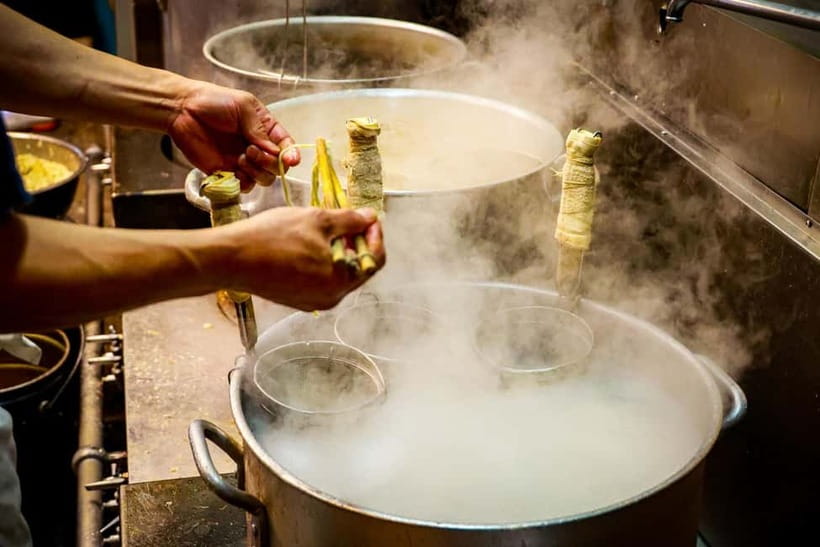
Book it if you want more than a bowl of noodles. The private format, English guide, two-shop comparison, and explanation of Sapporo’s miso ramen tradition make this a useful introduction to Susukino’s food scene.
Skip it if $135 feels high for two hours and ¥2,000 in tasting credits. Independent visitors can explore Ramen Yokocho on their own for less, especially if they already know what kind of ramen they like.
My practical verdict: this is a good choice for a first evening in Sapporo, particularly if you want a guided taste of local food without spending time guessing which shop to enter. It is a poor value for anyone focused only on quantity or the lowest possible meal cost.
FAQ
Where does the Sapporo ramen crawl begin?
The tour begins in front of FamilyMart Sapporo Susukino in Susukino, Sapporo. The guide waits with a yellow DeepExperience sign.
Where does the tour finish?
The experience returns to the same FamilyMart Sapporo Susukino meeting point.
How long does the ramen crawl last?
The tour lasts approximately two hours.
How many ramen shops do you visit?
You visit two selected ramen shops during the guided crawl.
How much tasting credit is included?
You receive a ¥1,000 tasting credit at each ramen shop, for ¥2,000 in total.
Is the tour conducted in English?
Yes. The activity includes a live English-speaking guide.
Is this a private tour?
Yes. The group type is listed as a private group.
Does the tour involve walking?
Yes. The route includes walking through the narrow alleyways of Ramen Yokocho and the Susukino nightlife district.
Can I cancel for a full refund?
Yes. You can cancel up to 24 hours in advance for a full refund.
More Evening Experiences in Sapporo


More Tour Reviews in Sapporo
Other Sapporo tours worth your shortlist




Soba & Ramen Making, side by side.
 ★ 5.0Popular in SapporoExperience authentic hand-made soba at a real soba shop!From $72.6777 reviews
 ★ 5.0Mondo’s most popular plan! Experience making soba noodles and the king of Japanese cuisine, tempura, in Sapporo!From $85.7971 reviews
 ★ 5.0in Sapporo! Hand-made soba experience and shabu-shabu experience plan of Yezo deer meat (Gibier meat) from HokkaidoFrom $85.6629 reviews
 ★ 4.8Authentic Handmade Soba Experience!From $7011 reviews
The lists this tour appears in