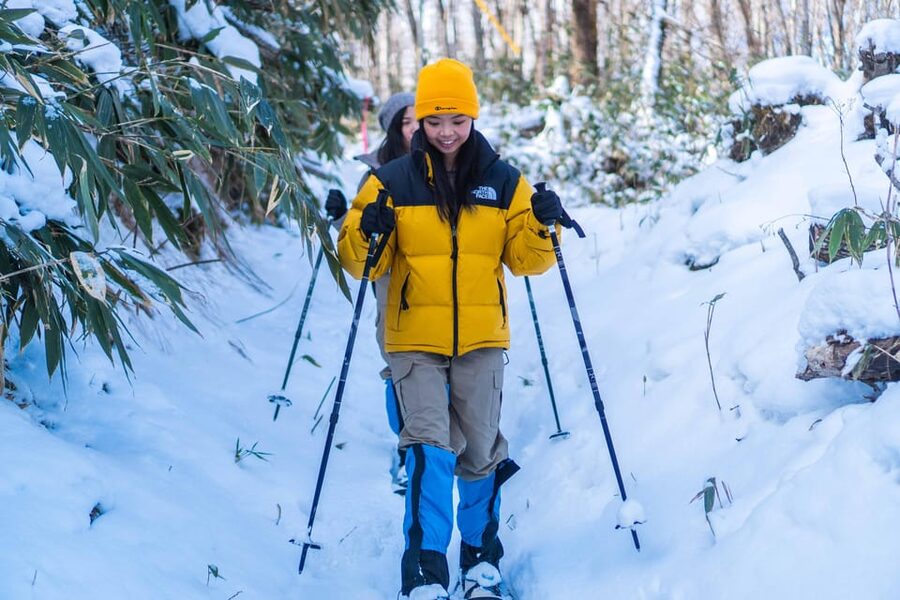
Snow leads somewhere special. Near Noboribetsu, this small-group hike takes you through silent, snow-covered woods to frozen Lake Tachibana, a quiet place few tourists reach. I like the peaceful route and the chance to study animal tracks, plants, and ice formations with guide Aidan. I also like that snowshoes, gaiters, pickup, and a hot drink are included. The catch is simple: this is a real physical hike, not a gentle stroll, and mountain weather can turn quickly.
In This Article
- Key points at a glance
- Why Lake Tachibana makes a fine winter outing
- The route from Karurusu Onsen to the ridgeline
- Snow-covered woods with room to notice details
- Reaching the frozen lake after the climb
- What the $96 price includes
- Clothing and footwear that will keep you comfortable
- Timing the tour around Noboribetsu Onsen
- Safety, fitness, and the limits of the experience
- Who will enjoy this Lake Tachibana tour
- Should you book Lake Tachibana?
- FAQ
- Where does the Lake Tachibana snowshoe tour take place?
- How long does the activity last?
- How far do you walk?
- Is pickup included?
- How do I identify the pickup vehicle?
- What equipment is provided?
- Is a drink included?
- What should I bring?
- Can I wear jeans?
- What languages does the guide speak?
- Can I cancel the booking?
- Is the tour suitable for all ages?
- What happens if the weather turns bad?
The route covers about 4 kilometres over uneven ground, with a gradual climb to a ridgeline followed by a descent to the lake. You get up to 210 minutes for the outing, and the group is limited to seven people. That small size matters here, since the guide can match your pace and keep the walk relaxed rather than turning it into a race.
Key points at a glance
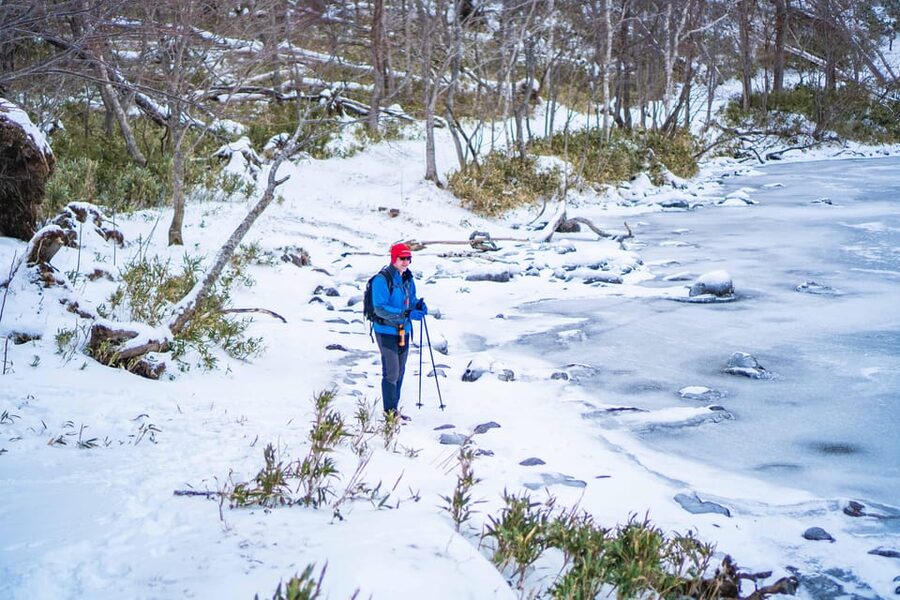
- A quiet route from Karurusu Onsen: You leave the busy sights around Noboribetsu behind and walk through forest that may feel entirely private.
- A frozen lake at the finish: Lake Tachibana freezes in winter, with ice formations that give the destination real drama.
- A guide who sets the right pace: Aidan has been praised for his friendly manner, local observations, and ability to adjust to the group.
- Useful winter equipment included: Snowshoes and gaiters are supplied, with hiking poles available if you request them.
- A warm break beside the lake: Tea, coffee, or hot chocolate helps take the edge off the cold.
- A demanding but manageable outing: Expect a 4-kilometre walk over snow and uneven ground, including an uphill section.
Why Lake Tachibana makes a fine winter outing
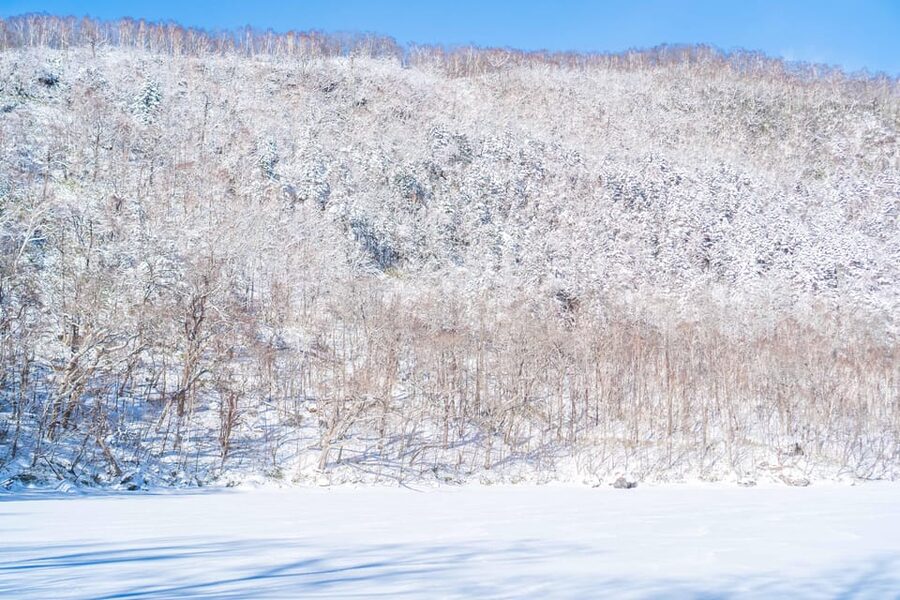
Noboribetsu is best known for its hot springs and volcanic scenery. Lake Tachibana offers a different side of the area. Instead of following a well-used sightseeing path, you head into a snowy forest and work your way toward a frozen lake that sees few tourists.
That sense of quiet is a major part of the appeal. The forest is covered in snow, and the route gives you time to notice details that are easy to miss from a car or a crowded viewing platform. Aidan points out animal tracks and plants along the way, giving the walk more purpose than simply getting from the road to the lake.
I like tours such as this because the destination is only half the experience. The forest walk builds anticipation, and the gradual change in the route keeps it interesting. You begin on flatter ground, climb toward the top of the ridgeline, then descend on the far side toward Lake Tachibana.
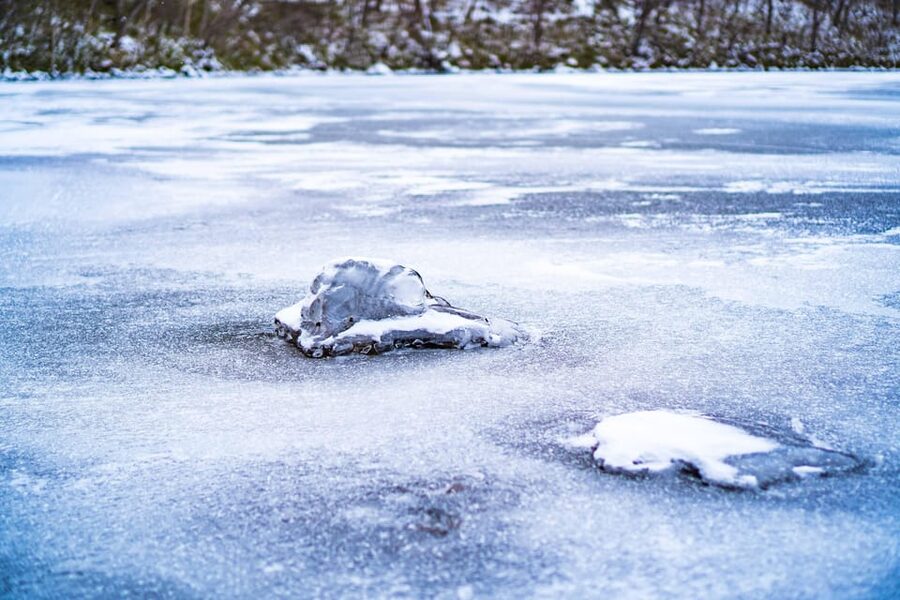
The lake itself is the reward. In winter, the entire lake freezes, and the surface develops unusual ice shapes. The exact view will depend on snow and weather conditions, but the setting is clearly more striking than a standard woodland walk. You get a proper sense of arrival after earning it on foot.
Our other Noboribetsu reviews may also help you decide


The route from Karurusu Onsen to the ridgeline
The tour begins in Karurusu Onsen, with pickup available from Noboribetsu and Noboribetsu Onsen. You are looking for a grey or black Mitsubishi Delica with the number plate 207, so make sure the accommodation name is provided when booking.
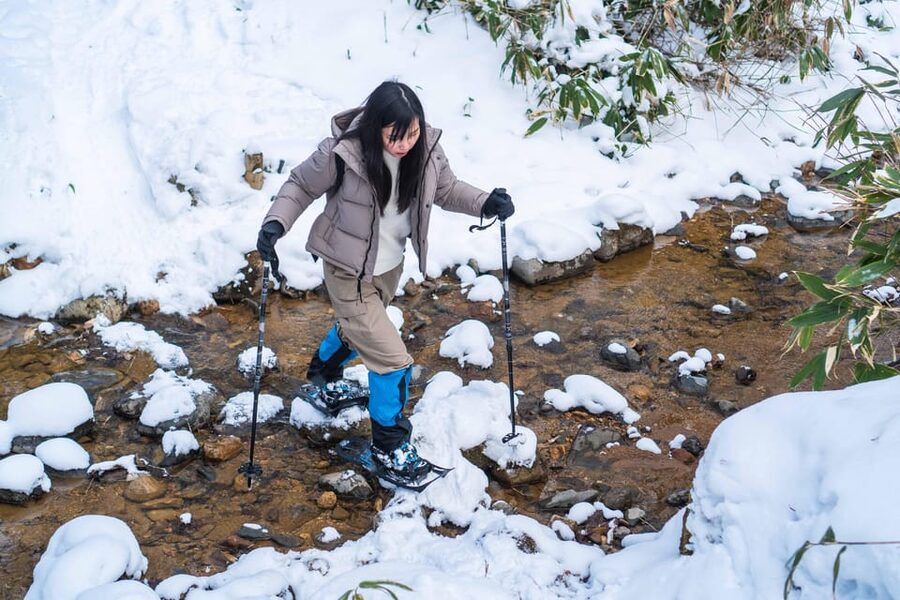
Once the snowshoes are fitted, the route starts fairly flat. This gives you a chance to get used to the equipment before the climb begins. Snowshoes are not hard to use, but they change your stride and add weight to each step. Gaiters help keep snow out of your boots, which becomes especially useful if you are walking through deeper patches.
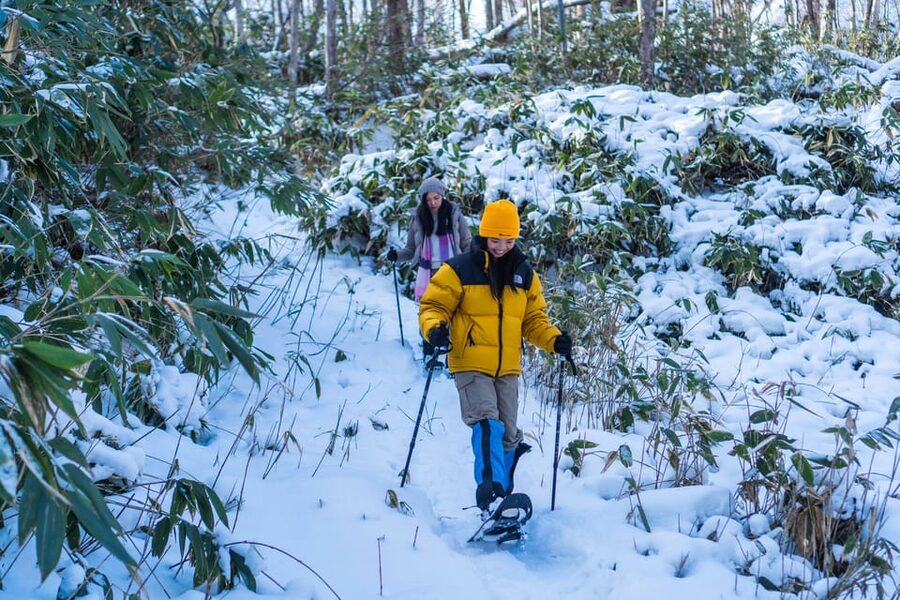
The climb gradually winds up toward the ridgeline. This is where the activity earns its physical rating. You are not scrambling up a steep mountain, but you are walking uphill over snow and uneven ground. Snow absorbs energy, and even a moderate slope can feel more demanding than it would in summer.
Aidan’s guiding style is especially useful on this part of the route. He has been praised for matching the pace of the person in front of him and keeping the mood friendly and low pressure. That makes a difference if you are fit enough for the hike but not interested in being pushed hard.
You can request hiking poles if you want extra balance. I would take them if you are less confident on uneven snow, particularly during the descent. They also help when your legs begin to tire.
Snow-covered woods with room to notice details
The forest is the heart of the outing. Snow softens the usual sounds, covers the ground, and changes familiar trees into something more spare and striking. You are not simply walking through a white corridor. The guide uses the setting to point out animal tracks and plants, giving you small things to look for as you go.
That kind of explanation is one of the strongest reasons to book a guided trip. Without a guide, you could easily walk past tracks without knowing what made them or fail to notice the seasonal details around you. Aidan speaks English and Japanese, and his easy manner suits a small group.
The group size is capped at seven participants. That is a practical advantage on a narrow snowy route. You will not be lost in a large line, and the guide has a better chance of noticing if you need a pause, a change of pace, or help with your equipment.
The walk can feel wonderfully secluded. The route has been described as peaceful, with the woods and trail to yourself. That is not a promise that no one else will appear, but the activity is designed for a quieter experience away from the main tourist flow.
Still, you should not confuse quiet with effortless. The outing is physical, and you need to be able to climb up and down over uneven terrain across roughly 4 kilometres. Children under 16 and people over 70 cannot join, and the activity is not suitable for wheelchair users.
Reaching the frozen lake after the climb
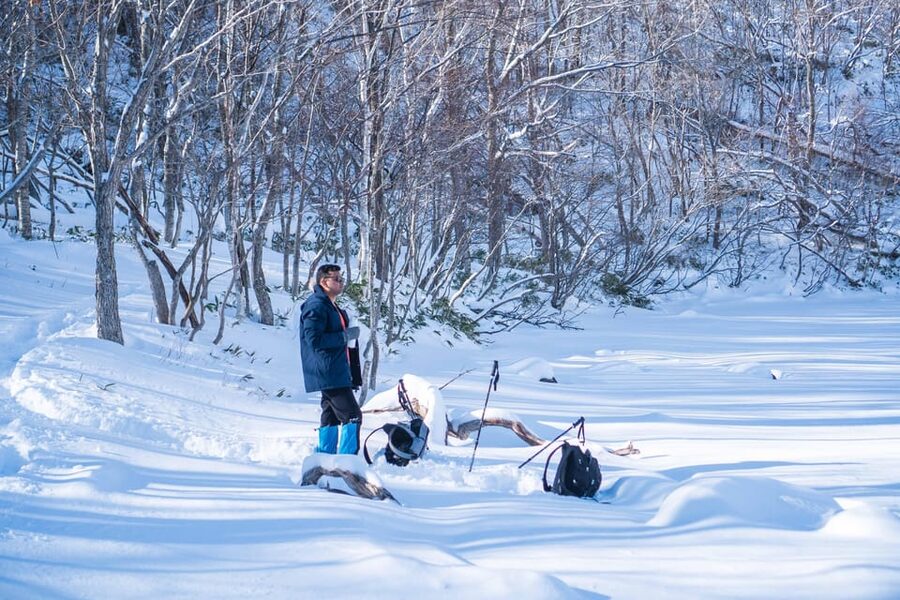
It takes just over an hour to reach Lake Tachibana from the start. The route first rises to the ridgeline, then drops down the other side. That descent gives the lake a satisfying sense of discovery, since you do not see it immediately at the beginning of the walk.
Lake Tachibana freezes over each winter. Ice formations create the main visual attraction, and the snow around the shore adds to the remote feeling. Conditions will vary with the date and weather, so you should not expect the lake to look exactly the same on every departure.
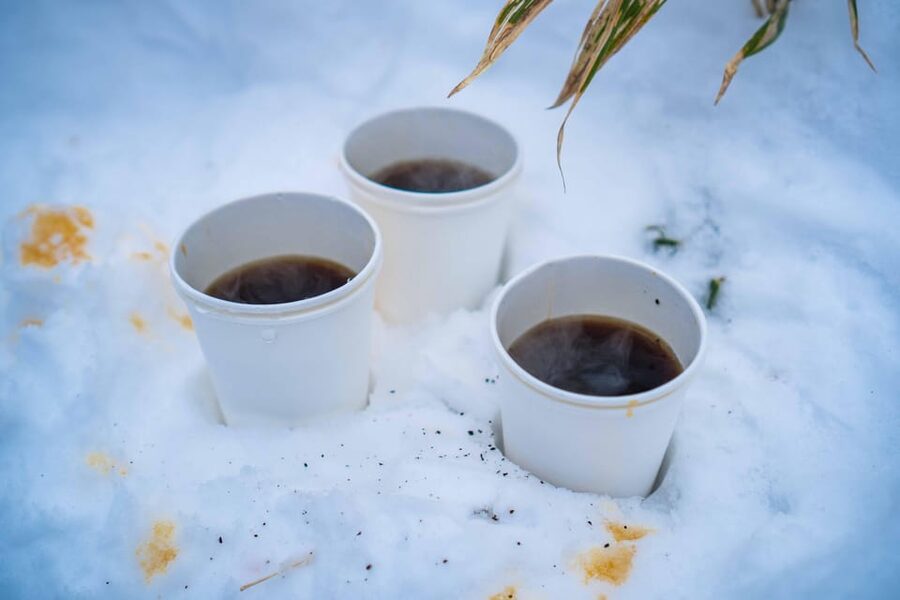
The stop at the lake is also your main rest period. You can warm up with tea, coffee, or hot chocolate while taking in the winter scenery. Crackers have also been provided on at least some departures, though the listed inclusion is the hot drink, so do not rely on snacks as your only food.
This is a good point to take stock of your clothing. You may feel warm during the climb, then quickly feel the cold once you stop. Wind can be sharp in the mountains, even on a sunny day. A scarf, warm gloves, and a hat are not optional extras for most people.
What the $96 price includes
At $96 per person, the tour is not the cheapest way to see snow in Hokkaido. The price makes more sense when you count what is bundled into the 210-minute outing.
You receive pickup and drop-off, snowshoes, gaiters, and a hot drink. Hiking poles are available if requested. You also get an English or Japanese-speaking guide and a group limited to seven people. For a visitor without snowshoe gear or a rental car, that package removes several practical problems.
The small group and personal pacing add value, too. Aidan’s ability to match a participant’s speed has been singled out as a strength, and that matters more on a snowy route than it would on a paved city tour. You are paying for safe route finding, equipment, transport, and interpretation, not just access to the lake.
There are costs to plan for. Warm clothing, footwear, and a backpack are not included. You must also arrange your own insurance, since Nobo Tours does not provide customer insurance. If you already have waterproof winter gear, the price feels fair. If you need to buy boots, trousers, a coat, gloves, and other items just for this outing, your total cost will be higher.
The best comparison is with a guided winter activity that includes transport and equipment. Against that standard, $96 is reasonable, especially if you want a small group and do not want to organize a snowy route yourself.
Our other Noboribetsu reviews may also help you decide

Clothing and footwear that will keep you comfortable
Do not wear jeans. They absorb moisture, dry slowly, and become cold when snow touches them.
Wear warm layers on your upper and lower body, with waterproof protection over them. One participant found thin warm layers worked well when paired with waterproof outer clothing. That is a useful approach because you can adjust layers during the climb instead of overheating early.
Your coat and trousers should be waterproof, not merely water resistant if possible. Snow can brush against you for several hours, and you will be much happier keeping moisture outside the clothing system.
High-sided hiking shoes or boots are preferred. They help keep feet drier and work better with snowshoes than low shoes. Bring warm gloves, a hat, and a scarf or neck covering. Aidan has lent a neck scarf and other items when needed, but you should not plan on borrowing personal clothing.
A light backpack is useful for water, extra layers, gloves, and anything you remove during the climb. Water is listed as an item to bring, and you should carry enough for the full outing.
The tour does not include warm clothes, footwear, or a backpack, so check your kit before booking. A sunny forecast is not a reason to pack lightly. Mountain weather can change quickly, and the tour may be canceled or postponed if conditions become unsafe.
Timing the tour around Noboribetsu Onsen
The outing lasts up to 210 minutes, or three and a half hours. Starting times vary, so check availability when you book. The timing can shape your day in Noboribetsu.
A morning departure is a smart choice if you want to use an onsen afterward. Once you return, you can soak tired legs in the hot spring town, which makes a satisfying match for a cold-weather hike. An afternoon departure may suit your schedule, but it leaves less flexibility for a post-hike bath.
Pickup and drop-off are available from Noboribetsu and Noboribetsu Onsen. Give the provider your accommodation details, then watch for the Mitsubishi Delica with plate 207. Clear pickup information matters in winter, when standing outside trying to identify vehicles is unpleasant.
The free transfer also adds value for visitors without a car. You do not need to manage snowy roads or find a trailhead. That said, the tour does not remove every planning task. You still need suitable clothing, water, footwear, and personal insurance.
Safety, fitness, and the limits of the experience
This is a guided activity, but it is not risk-free. Snow, uneven ground, cold, and changing mountain weather all affect the outing. If someone is injured or the guide decides it is unsafe to continue, the tour will finish.
That policy is sensible, but it means you should arrive prepared for a shortened experience. Bad weather can also lead to cancellation or postponement when possible. The full lake walk is never guaranteed if conditions are poor.
You should be comfortable walking for several hours and climbing up and down over uneven snow. If you have doubts about your fitness, this is not the place to prove a point. The guide can match your pace, but he cannot remove the uphill section or make deep snow behave like a paved path.
The activity is limited to people aged 16 to 70 and is not suitable for wheelchair users. Those restrictions reflect the route rather than a lack of welcome. This is a backcountry-style winter walk with basic physical demands.
Who will enjoy this Lake Tachibana tour
I would recommend it to you if you want a quieter Hokkaido experience beyond the main hot spring sights. It suits independent-minded visitors who like natural scenery, small groups, and a little effort in exchange for a memorable destination.
It is also a strong choice if you are new to snowshoeing but reasonably fit. The supplied snowshoes and gaiters make the activity easier to arrange, while Aidan’s calm pacing helps keep the outing approachable.
You may want to skip it if you dislike cold-weather exercise, have no waterproof footwear, or prefer a sightseeing activity with little exertion. The hot drink comes at the end of the route, not as a substitute for the hike.
The tour works especially well for couples, friends, and solo visitors who value a personal guide. With no more than seven participants, it should feel more like a shared walk than a coach excursion.
Should you book Lake Tachibana?
Book this tour if you want to see a quieter side of Hokkaido and are prepared to work for the view. The strongest reasons are the secluded forest, the frozen lake, the small group, and Aidan’s friendly, attentive guiding.
The $96 cost is fair when you need transport and snowshoe equipment, though your own winter clothing remains an extra expense. Choose a morning departure if you want to follow the hike with an onsen visit.
Bring waterproof clothing, proper boots, warm gloves, a scarf, water, and a light backpack. Arrive ready for real winter conditions, and you will be set up to enjoy one of Noboribetsu’s more unusual outdoor experiences.
FAQ
Where does the Lake Tachibana snowshoe tour take place?
The tour takes place near Noboribetsu in Hokkaido, Japan. It starts in Karurusu Onsen and continues through snowy forest to Lake Tachibana.
How long does the activity last?
The tour lasts 210 minutes, or three and a half hours. Starting times vary, so check availability for the date you want.
How far do you walk?
The route covers about 4 kilometres over uneven terrain. It includes a gradual climb to a ridgeline and a descent toward the lake.
Is pickup included?
Yes. Free pickup and drop-off are available from Noboribetsu and Noboribetsu Onsen. Provide the name of your hotel or accommodation when booking.
How do I identify the pickup vehicle?
Look for a grey or black Mitsubishi Delica with the number plate 207.
What equipment is provided?
Snowshoes and gaiters are included. Hiking poles are available if you request them.
Is a drink included?
Yes. You receive a hot drink at the lake, with tea, coffee, or hot chocolate available.
What should I bring?
Bring warm clothing, hiking shoes or high-sided boots, and water. A light backpack is useful for carrying extra layers and personal items.
Can I wear jeans?
No. Jeans are not allowed because they are unsuitable for a cold, snowy physical activity.
What languages does the guide speak?
The tour is available with a live guide in English or Japanese. The guide, Aidan, has been praised for explaining animal tracks and plants and for adjusting the walking pace.
Can I cancel the booking?
You can cancel up to 24 hours in advance for a full refund. Reserve now and pay later is also available.
Is the tour suitable for all ages?
No. It is not suitable for children under 16 or people over 70. It is also not suitable for wheelchair users.
What happens if the weather turns bad?
The tour may be canceled or postponed if bad weather occurs. If someone is injured or the guide decides it is unsafe to continue, the activity will finish. You are responsible for arranging your own insurance.
More Winter Activities in Noboribetsu
More Tour Reviews in Noboribetsu


More Snowshoe Tours in Noboribetsu

Other Noboribetsu tours worth your shortlist


Snowshoe Tours, side by side.
 ★ 5.0Snowshoeing and Onsen Adventures in a Winter Wonderland -Sapporo.From $224.0230 reviews
 ★ 5.0Snowshoe Hike Tour from Sapporo include hotel p/up & drop offFrom $308.7316 reviews
 ★ 5.03.5hours Primeval Forest Snowshoe hike and Wildlife Watching TourFrom $55.5214 reviews
 ★ 5.0Snowshoe Adventures and Onsen Bliss Winter Escape in FuranoFrom $78.3812 reviews
The lists this tour appears in