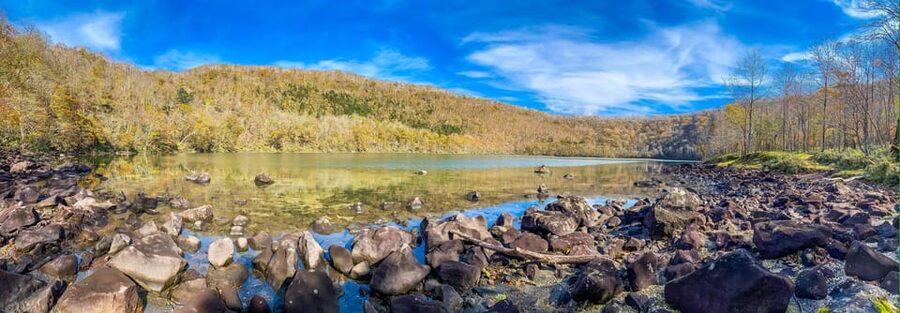
Lake Tachibana is the kind of outing that gives Noboribetsu a welcome change of pace. Instead of following the well-trodden route around Noboribetsu Onsen, you hike through mountain forest to a quiet volcanic lake, then sit with a hot drink beside the water.
In This Article
- Key points to know before booking
- Leaving Noboribetsu Onsen for Karurusu Onsen
- Through Hokkaido’s broadleaf forest
- Reaching the ridgeline and descending to Lake Tachibana
- Resting beside a quiet volcanic lake
- Why the small group matters
- Weather, clothing, and trail safety
- Who will enjoy this hike most
- Booking details that affect the value
- Is Lake Tachibana worth booking?
- FAQ
- Where does the Lake Tachibana hike begin?
- How long does the activity last?
- How far is the hike?
- Is pickup included?
- How do I identify the pickup vehicle?
- What languages are available?
- What should I bring?
- Is a drink included?
I like the small group of no more than seven, which should make it easier to walk at a comfortable pace and ask questions about the area. I also like the included pickup and drop-off, since reaching a mountain trailhead can otherwise be awkward without a car.
The catch is simple: this is a real hike, not a gentle stroll. You cover about 4 kilometers over uneven ground, climb to a ridgeline, and descend again, so you need sturdy footwear, reasonable fitness, and a willingness to go out in changeable mountain weather.
Key points to know before booking
- A quiet volcanic lake near Noboribetsu: Lake Tachibana offers a peaceful break from the busy hot-spring town.
- About an hour to the lake: The route begins in Karurusu Onsen, crosses broadleaf forest, climbs gradually, and descends to the water.
- A small, personal outing: Groups are limited to seven, with English and Japanese guiding available.
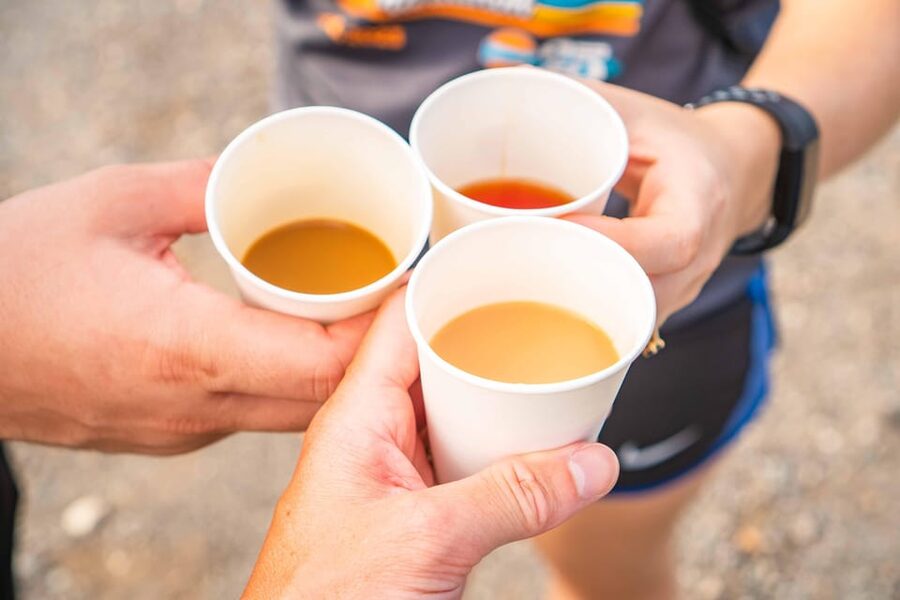
- A warm drink beside the lake: Tea, coffee, or hot chocolate is included after the walk.
- Pickup makes the outing easier: Look for a gray or black Mitsubishi Delica with license plate 207.
- Come prepared for mountain conditions: Bring hiking shoes, water, and a jacket, even on a sunny day.
Leaving Noboribetsu Onsen for Karurusu Onsen
The tour begins with pickup in Noboribetsu or Noboribetsu Onsen. You will be looking for a gray or black Mitsubishi Delica with the number plate 207, and you need to provide the name of your hotel or accommodation when booking.
That transfer is more useful than it may first appear. Noboribetsu Onsen is easy to explore on foot, but a mountain outing needs a practical starting point. Included transportation saves you from arranging a taxi or figuring out the road to Karurusu Onsen on your own.
Once you arrive, the walk begins on relatively flat ground. This opening section gives you time to settle into the pace, adjust your layers, and listen to the guide’s introduction to the area and its wildlife.
The tour is offered in English or Japanese. Since the group is capped at seven people, you should have a better chance to hear the guide clearly than on a large coach excursion. The small size also suits people who want a quieter outing rather than a highly social group activity.
You can also read our reviews of more hiking tours in Noboribetsu


Through Hokkaido’s broadleaf forest
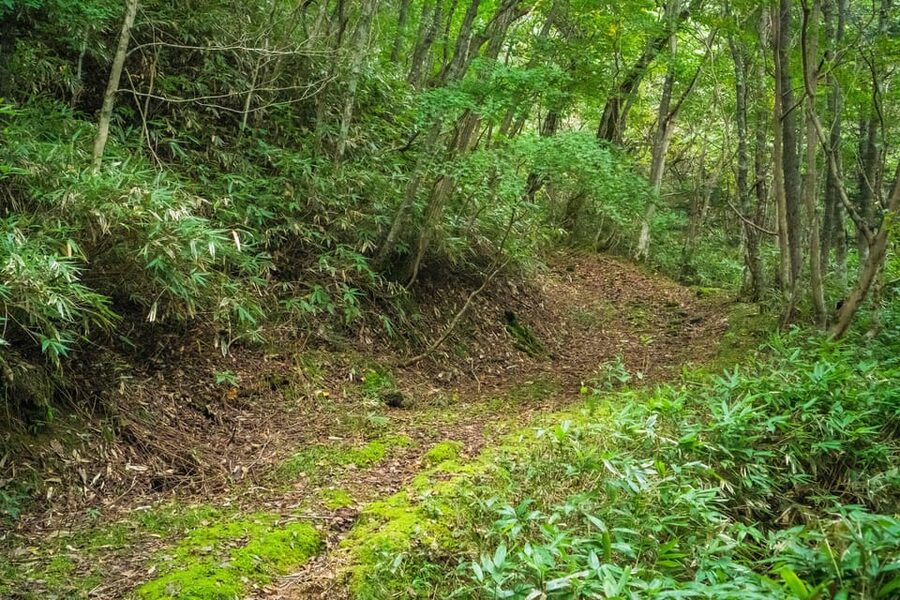
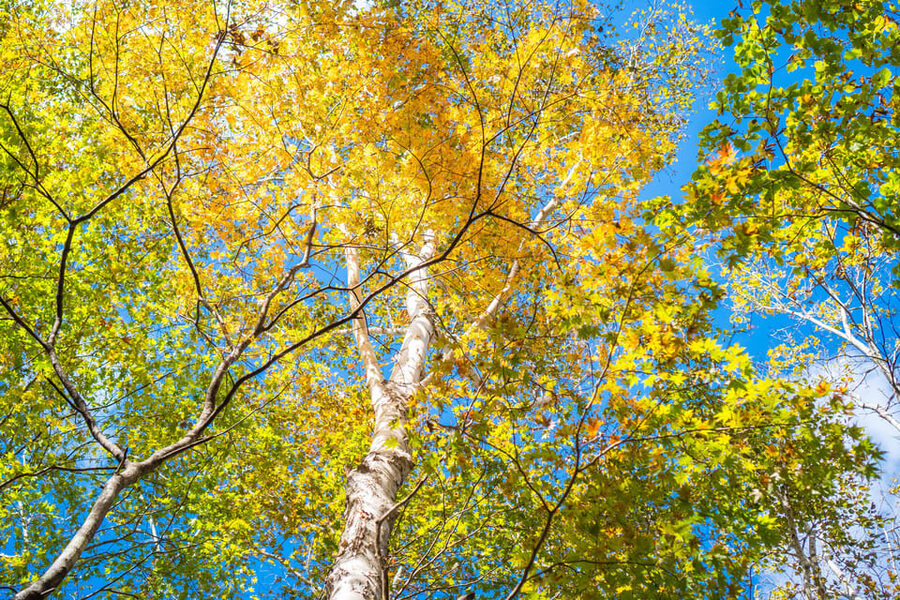
The route leads through broadleaf forest, a setting that changes quite a bit with the seasons. Spring and summer bring thick green growth, while autumn turns the trees orange, red, and yellow.
The scenery here is not about one dramatic viewpoint every few minutes. It is about the steady feel of walking through the woods, with the forest acting as the main experience. If you enjoy noticing changes in trees, weather, and trail conditions, this part of the hike will likely be rewarding.
The guide also helps give the surroundings context. You can learn about the area and the wildlife that lives there, rather than simply walking past trees without knowing what makes this part of Hokkaido special.
The path starts flat, but it does not stay that way. It gradually winds upward toward the top of a ridgeline. That gradual climb is easier to manage than a sudden steep ascent, but you still need to be comfortable walking uphill over uneven terrain.
I would treat the first part of the walk as a proper warm-up. Wear shoes with good grip, keep water available, and do not use the flat opening as proof that the entire route will be easy.
Reaching the ridgeline and descending to Lake Tachibana
After the climb, the trail reaches the top of the ridgeline before descending on the other side. This gives the hike a satisfying shape: forest approach, uphill effort, ridge crossing, then a downhill arrival at the lake.
The route covers about 4 kilometers in total. The stated duration is 210 minutes, or three and a half hours, which includes the walking time and the rest beside the lake. The advertised walk to the water takes just over an hour, though your exact pace will depend on the group and trail conditions.
The ridge section is also where you should pay attention to your footing. Uneven terrain can be more tiring on the way down, especially if the ground is wet. Hiking poles are available if requested, and they can be useful for balance during both the climb and descent.
Do not expect a paved path, handrails, or an easy route suitable for casual shoes. The attraction is precisely that the lake sits away from the main tourist paths, but that quiet setting comes with a little physical work.
Resting beside a quiet volcanic lake
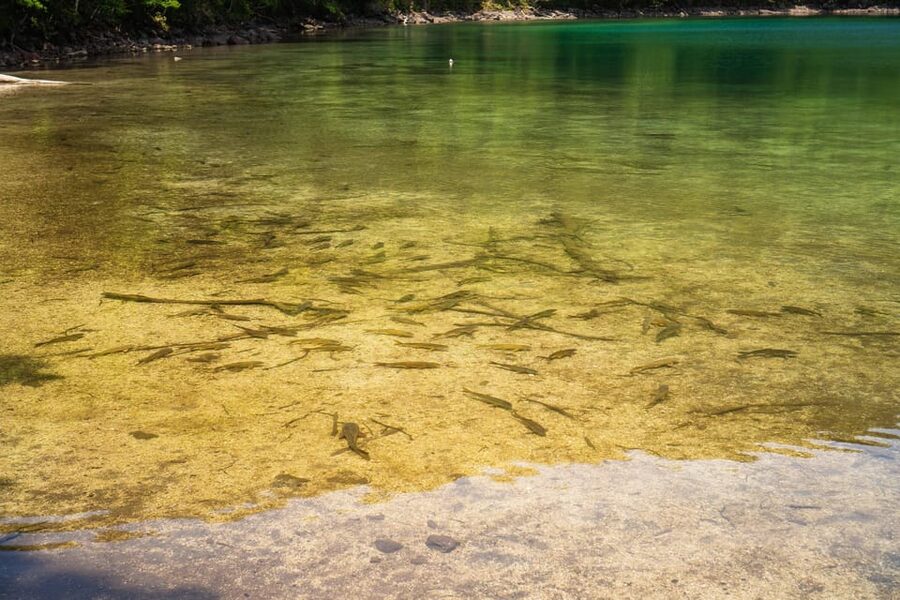
Lake Tachibana is the reward for the uphill section. It is described as a volcanic lake and a secluded place away from the usual crowds around Noboribetsu Onsen.
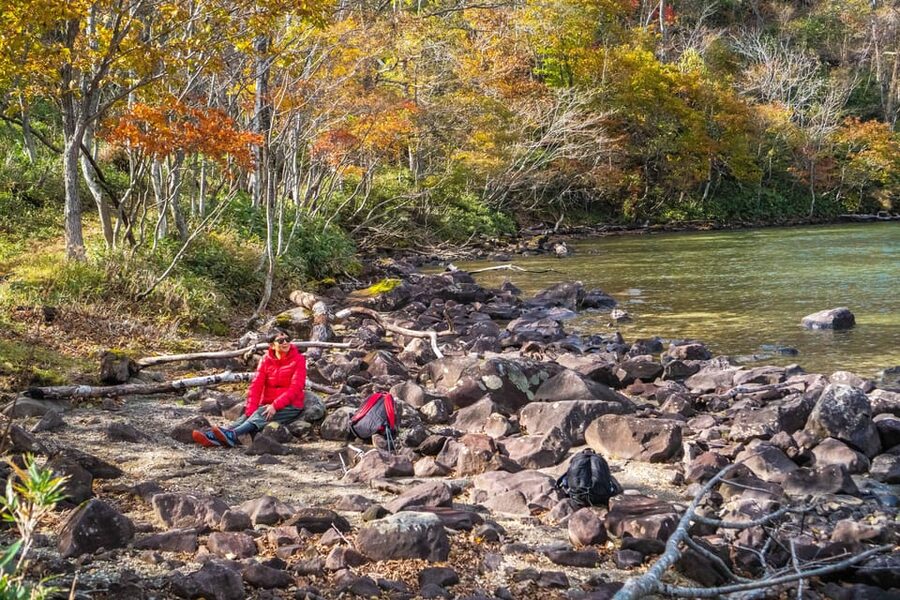
The appeal is the pause itself. You reach the water, stop walking, and have time to enjoy the forested setting without rushing from one sightseeing stop to the next. This is a good fit if you prefer nature outings that leave room for silence and observation.
A hot drink is included at the lake. You can choose tea, coffee, or hot chocolate, which is a small but thoughtful touch after a walk through the mountains. It also gives the outing a clear rhythm: hike, rest, drink, and take in the surroundings before returning.
The lake is not presented as a place filled with facilities or entertainment. You should come for the setting and the calm, not for shops, restaurants, or a long list of activities at the water’s edge.
That simplicity is part of the value. At $96 per person, you are paying for more than access to a lake. The price includes a guide, round-trip pickup, a small group, requested hiking poles, and a drink. For someone without a car who wants local context and an organized route, that package is easier to justify than the price of the walk alone.
If you already have transportation, know the trail, and prefer to hike independently, the cost may feel high. If you value guidance, safety support, and a straightforward way to reach a less-visited mountain area, the price is more reasonable.
Why the small group matters
A maximum of seven people keeps the outing intimate without making it a private tour. You can expect a more manageable group on a narrow forest path, with less waiting at every turn.
The size also matters for pacing. A guide can keep track of the group more easily and explain the surroundings without speaking over a crowd. You can ask about wildlife, the forest, or the volcanic setting as the walk unfolds.
Still, a small group does not turn a physical hike into an easy one. The tour can finish if someone is injured or if the guide decides conditions are unsafe. That is sensible in mountain terrain, but it also means you need to accept that the full route is not guaranteed if safety becomes a concern.
The tour operates with English and Japanese guides. No individual guide names are provided, so you should not book expecting a particular person. The important practical point is that the outing is designed to support both English-speaking and Japanese-speaking participants.


Weather, clothing, and trail safety
Mountain weather can change quickly, even when the day begins in sunshine. Bring a jacket and prepare for rain or cooler conditions. You should also carry water, since the included drink comes at the resting point and is not a substitute for your own supply.
Hiking shoes are required in practical terms, even though footwear is not included. Choose shoes that are comfortable over uneven ground and have a reliable sole. Regular sneakers may be less suitable if the trail is damp or loose underfoot.
Clothing is not provided, so dress for movement and changing temperatures. Spring, summer, and autumn can look very different in the forest, and the conditions at the ridge may not match those at your hotel.
Bad weather can lead to cancellation or postponement when possible. If an injury occurs, or the guide decides it is unsafe to continue, the outing ends. You will need your own travel insurance, because Nobo Tours does not provide insurance for customers.
These rules are not minor booking notes. They tell you what sort of experience this is. You are entering a mountain environment where conditions matter, not joining a fixed sightseeing circuit that runs unchanged in every kind of weather.
Who will enjoy this hike most
I would recommend Lake Tachibana to adults and older children who already feel comfortable walking on uneven mountain paths. It is especially suitable if you are staying in Noboribetsu and want a nature experience beyond the famous hot-spring area.
It also suits you if you like a slower outing with a clear destination. The lake provides a reason to keep walking, while the drink and rest stop prevent the activity from feeling like a nonstop fitness challenge.
The tour is not suitable for children under eight, wheelchair users, people with respiratory issues, or people over 70. Those limits should be taken seriously rather than treated as a formality. The climb, descent, distance, and remote setting can make the outing demanding.
You should also think carefully about your own comfort with uncertainty. Weather may change, the route may be shortened for safety, and an injury can end the tour early. That is normal for a mountain walk, but it may frustrate you if you want a guaranteed schedule.
Booking details that affect the value
The tour costs $96 per person and lasts 210 minutes. Free cancellation is available up to 24 hours before the start for a full refund, and you can reserve now and pay later.
Those terms help if your Noboribetsu plans are still shifting. Mountain weather can be hard to predict, so the ability to cancel in advance gives you some flexibility. You should still check the available starting times before booking, since the schedule depends on date and availability.
Pickup is included from Noboribetsu and Noboribetsu Onsen. Give the provider your accommodation details, then identify the vehicle by its gray or black Mitsubishi Delica and plate 207.
Hiking poles are available if requested, but clothing and footwear are not. Bring your own water, jacket, and hiking shoes. A hot drink is included, with tea, coffee, or hot chocolate served during the rest beside the lake.
Is Lake Tachibana worth booking?
Book this tour if you want a guided forest hike, do not have a car, and like the idea of reaching a quiet volcanic lake away from Noboribetsu’s main sights. The small group, included transport, wildlife information, and hot drink make it a well-organized way to spend half a day outdoors.
Skip it if you want a flat walk, a flexible self-guided outing, or a tour with guaranteed sightseeing in every kind of weather. The best reason to choose Lake Tachibana is not a long list of attractions. It is the chance to put in a little effort, reach a peaceful lake, and enjoy Hokkaido’s mountain forest at a slower pace.
FAQ
Where does the Lake Tachibana hike begin?
The walking tour begins in Karurusu Onsen, near Noboribetsu.
How long does the activity last?
The total duration is 210 minutes, or three and a half hours.
How far is the hike?
The route covers about 4 kilometers over uneven terrain.
Is pickup included?
Yes. Free pickup and drop-off are available from Noboribetsu and Noboribetsu Onsen.
How do I identify the pickup vehicle?
Look for a gray or black Mitsubishi Delica with a number plate reading 207. You should provide your hotel or accommodation details when booking.
What languages are available?
The tour is offered with a live guide in English or Japanese.
What should I bring?
Bring hiking shoes, water, and a jacket. You should also prepare for bad weather, since mountain conditions can change quickly.
Is a drink included?
Yes. You receive tea, coffee, or hot chocolate during the rest beside Lake Tachibana.
More Hiking & Trekking Tours in Noboribetsu
More Tour Reviews in Noboribetsu
Other Noboribetsu tours worth your shortlist


Noboribetsu, side by side.
 ★ 4.51-Day Pass for Noboribetsu Date JidaimuraFrom $19.5511 reviews
 ★ 5.0Hike Mt. Usu and visit Lake Toya Day TourFrom $156.379 reviews
 ★ 5.0Orofure Pass Snowshoeing TourFrom $1547 reviews
 ★ 5.0Mt. Usu: Hike to the crater and see the stunning Lake Toya!From $1615 reviews
The lists this tour appears in