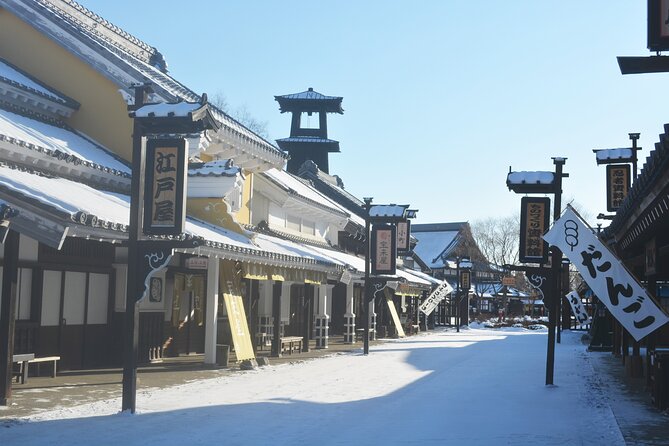
Noboribetsu Date Jidaimura turns a visit to Japan’s past into a walk through a working stage set. You can wander among samurai homes, ninja quarters, and village shops, then stop for theater, street performances, and traditional games. It is history taught with costumes, action, and a little comic drama.
In This Article
- Key points to know before you go
- Walking into an Edo-period village near Noboribetsu
- The village streets, samurai homes, and ninja quarters
- Why the ninja and theater performances matter
- Traditional games and hands-on culture
- Food, breaks, and the old-fashioned noodle restaurant
- What the $19.55 pass is really worth
- Who will get the most from this visit
- A practical plan for your day
- Final call: book it for the shows, not just the buildings
- FAQ
- What does the 1-Day Pass for Noboribetsu Date Jidaimura include?
- Are food and drinks included?
- Is transportation to Noboribetsu Date Jidaimura included?
- What are the opening hours?
- How do I use the voucher?
- Can I cancel for a refund?
I like two things here. First, the performances give the village energy, especially the ninja and theater shows praised by guests who felt the visit was worth adding after time at Noboribetsu’s hot springs. Second, the setting works for mixed-age groups: children get movement and characters, while adults get a clear look at Edo-period customs and folk tales.
The main drawback is that the park is a reenactment village, not an untouched historic town. You also need to arrange your own transport, food, and drinks, and the pass may take anywhere from one to eight hours depending on how many shows and activities you choose.
Key points to know before you go
- Ninja and theater shows are a major reason to visit, not just side entertainment.
- Samurai homes, ninja residences, shops, and a museum help turn a stroll into a history lesson.
- The $19.55 admission price is sensible if you plan to stay for several performances.
- The village suits families and culture-minded adults, with games and live scenes alongside exhibits.
- Opening hours are 9:00 AM to 4:00 PM during the stated October to March operating periods.
- Your voucher is exchanged at the park counter, and food, drinks, and transport are separate costs.
Walking into an Edo-period village near Noboribetsu
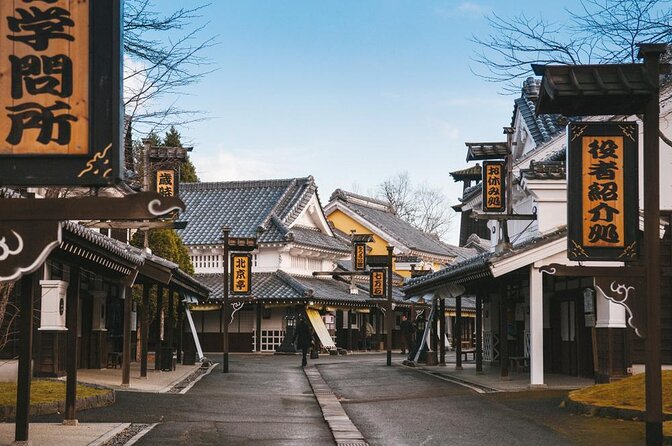
Noboribetsu Date Jidaimura, also called Noboribetsu Date Historic Village, recreates the culture and customs of Japan’s Edo period, roughly the 17th through 19th centuries. Instead of placing the past behind glass, it puts you on village streets where actors portray townspeople, ninja, and oiran courtesans.
That approach makes the visit easy to understand. You are not expected to know a long list of dates or names before arriving. You see the homes, shops, costumes, performances, and daily-life details first, then connect them to the wider story of old Japan.
The setting is designed for exploration at your own pace. You can spend about an hour seeing the main sights, or remain for most of the day if the show schedule and activities catch your interest. The stated visit range is one to eight hours, so this is best treated as a flexible park visit rather than a tightly timed guided tour.
I would plan to arrive early enough to get oriented and check what performances you want to see. With opening hours from 9:00 AM to 4:00 PM, a late arrival leaves less room for repeat shows, games, meals, and unhurried wandering.
Our other Noboribetsu reviews may also help you decide


The village streets, samurai homes, and ninja quarters

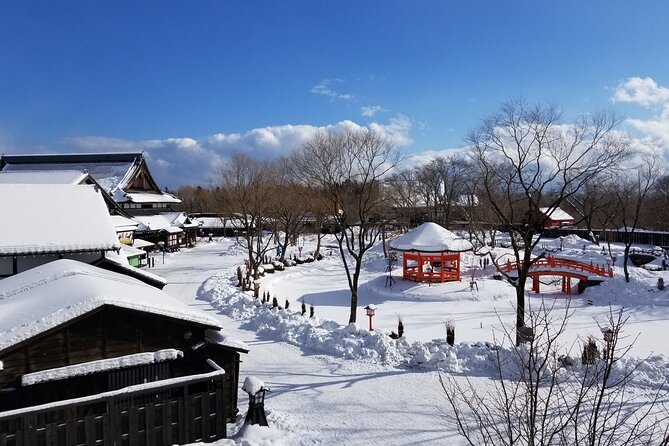
The heart of the experience is simply walking around the recreated village. You can see homes associated with samurai and ninja, along with stores used by ordinary villagers. These spaces give you a practical sense of how the community was arranged and how different social roles were presented during the Edo period.
The distinction between daily life and theatrical spectacle matters here. One moment you are looking at a house or shop, and the next you may encounter a costumed character or a street scene. That mix keeps the visit moving, especially for children who might lose interest in a conventional museum.
The samurai homes offer a useful counterpoint to the ninja displays. Both are familiar figures in popular images of Japan, but the village places them beside ordinary townspeople and working shops. That broader view helps you see the Edo period as a lived society, not only a parade of warriors.
You should also allow time for the museum. The available information does not give a detailed catalog of its displays, so I would treat it as a place to add context to what you have already seen rather than assume it will fill an entire afternoon. If you enjoy objects, costumes, and background information, it gives the theatrical scenes a firmer historical frame.
Why the ninja and theater performances matter
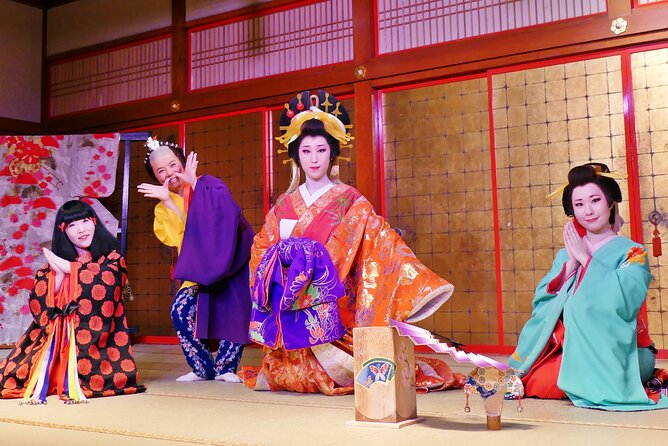
The live shows are the strongest reason to build your day around this attraction. Ninja performances, courtesan shows, town scenes, and theater presentations bring movement and sound to an otherwise static village.
The praise for the theater is specific and useful. One visitor included the village as a day trip after visiting Noboribetsu’s hot springs and gave the theater shows special credit. That tells me you should not rush through the streets, take a quick photograph, and leave. The stage program is a central part of the admission value.
The ninja performances should appeal to children and anyone who enjoys action. The oiran courtesan scenes offer a different tone, tied to one of the most recognizable social figures of the Edo period. Townspeople add another layer by showing that the village is meant to represent a whole community, not a single heroic storyline.
Show times are not provided here, so check the schedule when you arrive. This is one place where a little planning pays off. If you arrive near opening, you have the best chance of fitting several performances into your visit without cutting short the museum, games, or meal break.
Do not expect every presentation to function like a formal academic lecture. This is a historical theme park, and its teaching method is visual, playful, and theatrical. That is also its strength. You can leave with a clearer feel for the period even if you do not remember every historical detail.
Traditional games and hands-on culture
The village includes traditional games and activities, which give you something to do beyond looking at buildings. These details are especially useful for families. A child may not want a long explanation of Edo society, but a game, costumed character, or short performance can create a reason to pay attention.
For adults, these activities help connect history with everyday behavior. Modern Japanese culture can feel easier to understand when you see older customs presented in a physical setting. The attraction is not asking you to read your way through the past. It lets you notice how entertainment, work, social roles, and public spaces fit together.
The information does not specify every game or whether each activity has an extra fee. The admission includes the entrance fees and all fees and taxes listed for the experience, but food and drinks are not included. I would bring a little flexibility into your budget rather than assume every optional purchase is covered by the pass.
This is also a good place to slow down. The village can be seen quickly, but the combination of games, characters, and performances rewards a less hurried visit. If you have only one hour before another appointment, you can still see the setting. If you have several hours, you can let the program shape your route.
Food, breaks, and the old-fashioned noodle restaurant
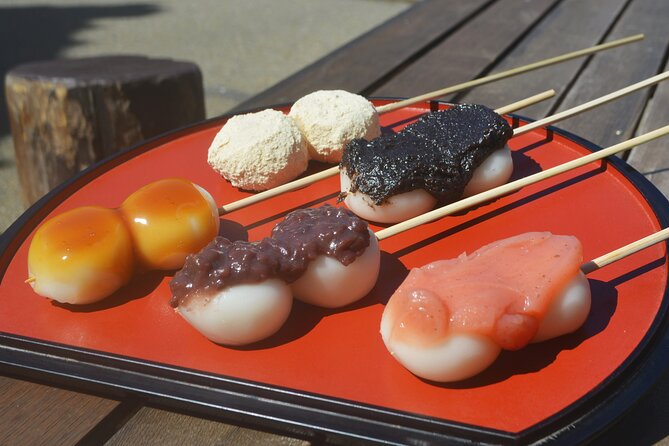
An old-fashioned noodle restaurant is part of the village experience, but meals and drinks are not included in the pass. That makes the restaurant useful as both a cultural stop and a practical break, though you should plan to pay separately.
Eating in a setting designed to resemble the Edo period can add to the sense of place. It gives you a chance to pause and notice the village details rather than treating the park as a series of quick photo stops. Still, I would not buy this pass solely for the meal. The main value lies in the admission, buildings, and live entertainment.
Because the operating day runs from 9:00 AM to 4:00 PM, a food break can take up a meaningful part of your available time. If shows are your priority, check the performance schedule first, then choose when to eat. If you are visiting with children, the slower pace may be the better choice.
No hotel pickup or drop-off is included, and transport to and from the attraction is also separate. You need to solve that part of the day yourself. The experience provider is Noboribetsu Date Jidaimura Co., Ltd., but the supplied details do not give a specific bus route, station connection, or transfer time, so confirm your route before setting out.
Our other Noboribetsu reviews may also help you decide

What the $19.55 pass is really worth
At $19.55 per person, the pass is reasonably priced for a full attraction admission, provided you use more than the entrance gate. The value improves when you stay for several performances, visit the museum, try activities, and spend time in the village rather than treating it as a brief stop.
For a one-hour visit, the price may feel less compelling. You would be paying mainly for the setting and a quick look at the village. For a half-day visit, the calculation changes. You have time to see several types of spaces, watch theater and ninja shows, enjoy traditional activities, and take a separate meal break.
The pass includes all fees and taxes stated for the experience. Food, drinks, and transport are not covered, so your total day cost will be higher than the admission price. That is normal for a theme park-style attraction, but it is worth knowing before you compare this with a free walk through a historic neighborhood.
There is also a practical benefit to booking ahead. Your voucher is held at the counter for exchange when you arrive, and confirmation is provided at booking. The information describes the pass as a way to avoid the regular ticket line, though you still need to go to the counter with your voucher. Bring it on the day of use.
Who will get the most from this visit
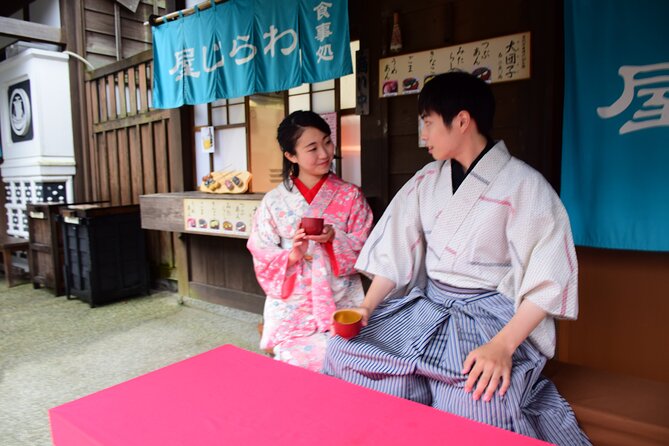
I would recommend Noboribetsu Date Jidaimura most strongly to families, first-time visitors interested in Japanese history, and anyone already spending time in Noboribetsu for the hot springs. The attraction gives you a change of pace from bathing and scenic sightseeing.
It also works well for adults who want cultural context without committing to a long museum visit. The performances are easy to follow, and the buildings provide a visual introduction to Edo-period life. You do not need specialist knowledge to enjoy the place.
Children are likely to respond to the ninja, costumes, games, and street action. The attraction gives them clear things to watch and do. The exact balance depends on the child, of course, but this is more approachable than a quiet exhibit hall filled with labels.
I would be less enthusiastic if your goal is a fully authentic historic town or a detailed scholarly account of the Edo period. This is a recreated village with staged scenes. Its value comes from making the past accessible, not from preserving an untouched settlement.
The maximum group size is 15 people, but this pass is primarily an admission experience rather than a small-group guided tour. Do not expect a named guide to lead you from stop to stop. You receive access to the site, then explore its streets and scheduled entertainment.
A practical plan for your day
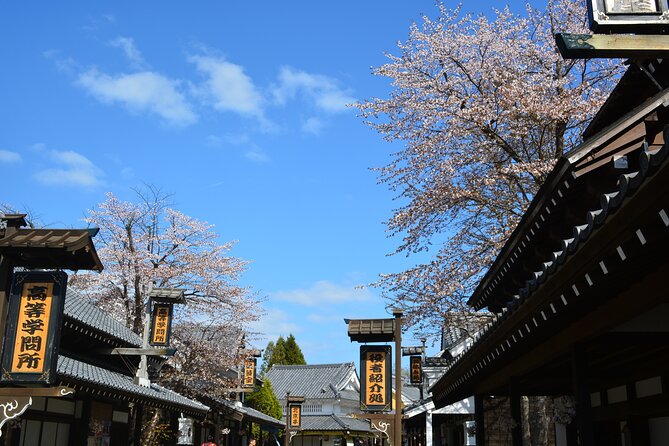
I would allow at least three hours if your schedule permits. Begin with a walk through the main village streets so you can see where the samurai homes, ninja areas, shops, museum, restaurant, and performance spaces are located.
Next, check the theater and live-show times. Arrange the rest of your visit around the performances you most want to see, especially the ninja and theater programs. The schedule is more important than trying to follow a fixed route.
Use the gaps between shows for the museum, traditional games, and closer looks at the homes and shops. Give yourself time to speak with the costumed townspeople and learn how their characters fit into the Edo-period setting.
Save the noodle restaurant or another food stop for a natural pause, remembering that the meal is separate from admission. If you arrive late in the day, make the show schedule your first priority because the park closes at 4:00 PM during the stated operating period.
The attraction is open daily from 9:00 AM to 4:00 PM for the listed dates of October 11, 2025 through March 31, 2026, and October 11, 2026 through March 31, 2027. If your visit falls outside those dates, check the current hours before booking.
Final call: book it for the shows, not just the buildings
You should book the Noboribetsu Date Jidaimura pass if you want a lively, family-friendly introduction to Edo-period Japan and can spare several hours near Noboribetsu. The ninja and theater performances are the best reason to go, while the samurai homes, museum, shops, games, and costumed townspeople give the visit depth.
At $19.55, it offers fair value for a half-day outing. I would skip it only if you want a quiet historic site with little staging, or if your schedule allows only a very short stop. For everyone else, especially after Noboribetsu’s hot springs, it makes a useful and entertaining cultural addition.
Free cancellation is available up to 24 hours before the start time for a full refund. Changes or cancellations made less than 24 hours ahead are not accepted for a refund, and the cut-off follows local time.
FAQ
What does the 1-Day Pass for Noboribetsu Date Jidaimura include?
The pass includes entrance to Noboribetsu Date Jidaimura, along with all fees and taxes stated for the experience.
Are food and drinks included?
No. Food and drinks are not included in the pass. The village has an old-fashioned noodle restaurant, but you pay separately for anything you order.
Is transportation to Noboribetsu Date Jidaimura included?
No. Hotel pickup and drop-off, as well as transportation to and from the attraction, are not included.
What are the opening hours?
For the listed operating periods, the village is open daily from 9:00 AM to 4:00 PM. The stated periods are October 11, 2025 through March 31, 2026, and October 11, 2026 through March 31, 2027.
How do I use the voucher?
Your ticket is held at the counter for exchange when you arrive at the theme park. Bring your voucher on the day you use the pass.
Can I cancel for a refund?
Yes. You can cancel up to 24 hours before the experience start time for a full refund. Cancellations or changes made less than 24 hours before the start time are not accepted for a refund.
More 1-Day Tours in Noboribetsu
More Tour Reviews in Noboribetsu


More Noboribetsu & Lake Toya Tours in Noboribetsu



Other Noboribetsu tours worth your shortlist



Noboribetsu & Lake Toya Tours, side by side.
 ★ 4.7Hokkaido Seasonal: Lake Toya & Noboribetsu Jigokudani ValleyFrom $55173 reviews
 ★ 4.1Hokkaido, Noboribetsu and Lake Toya Day TourFrom $6688 reviews
 ★ 5.0[Departure from Sapporo] Noboribetsu Jigokudani, Lake Toya, Cape Chikyu by private carFrom $404.1637 reviews
 ★ 4.5Lake Toya, Bear Ranch and Sapporo Otaru Full Day TourFrom $85.6633 reviews
The lists this tour appears in