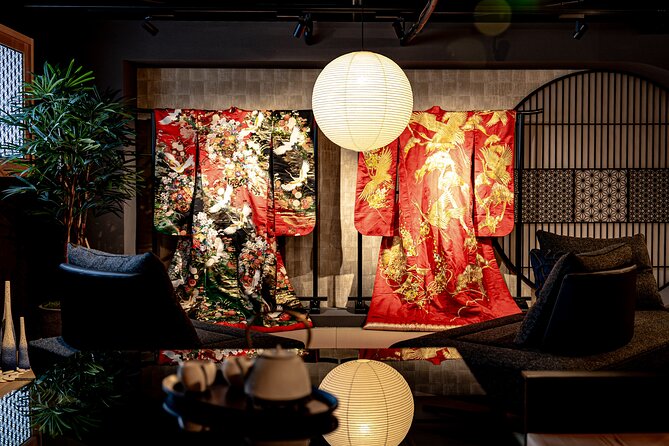
Japanese crafts become much easier to appreciate when you can see and touch the work up close. At Japanese Modern N6 Kita Maruyama in Sapporo, a guide introduces kumiko woodworking, Kiriko glassware, Nanbu ironware, and other traditional pieces before serving a tasting of Yabushita’s original sake.
In This Article
- Key Points at a Glance
- Why This Sapporo Craft Visit Is Different
- Inside Japanese Modern N6 Kita Maruyama
- Kumiko Woodworking and the Beauty of Precision
- Kiriko Glassware and the Play of Light
- Nanbu Ironware: Weight, Texture, and Use
- Yabushita Sake Adds a Taste of Place
- The Personalized Coaster Is a Useful Souvenir
- Is $32.86 a Fair Price?
- Timing Your Visit in Sapporo
- Who Should Book This Experience?
- Booking and Cancellation Details
- Should You Book Japanese Crafts and Sake Tasting?
- FAQ
- Where does the Japanese Crafts and Sake Tasting take place?
- How long does the experience last?
- What crafts can I see?
- Is sake tasting included?
- What souvenir do I receive?
- What is the maximum group size?
- What is the minimum age?
- Are weekend and public holiday bookings available?
- Is transportation included?
I like the small group limit of 10 and the personal coaster made with your name. The 90-minute visit also fits neatly into a Sapporo day. The main drawback is that the experience has no published guest rating yet, and weekend or holiday reservations cannot be confirmed.
Key Points at a Glance
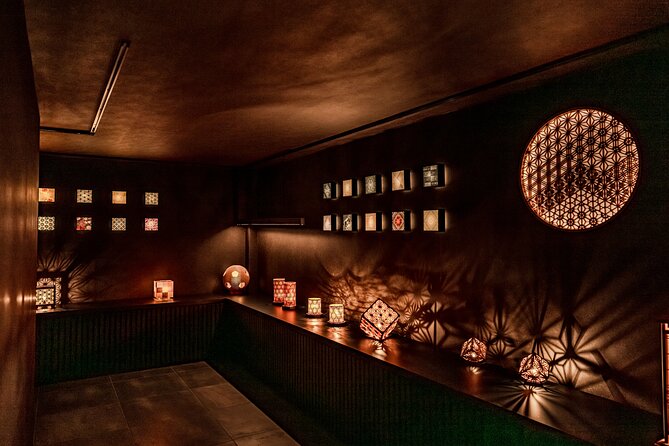
- Traditional crafts from several parts of Japan: See kumiko woodworking, Kiriko glassware, Nanbu ironware, and other carefully selected pieces in one showroom.
- Hands-on cultural context: The display is designed so you can see, touch, and experience the beauty of the objects rather than only viewing them behind glass.
- Yabushita original sake tasting: The tasting adds a flavor-based part to a visit that might otherwise focus only on objects.
- Personalized coaster included: You receive an original coaster with your name as a practical keepsake.
- Small group setting: The maximum group size is 10, which should allow room for questions and close viewing.
- Age and scheduling limits: Participation is for junior high school age and older, with sessions listed from 10:00 to 12:00 and 13:00 to 17:30.
Why This Sapporo Craft Visit Is Different
Many cultural activities in Japan ask you to watch a demonstration, take a photograph, and move on. This visit takes a quieter approach. You enter a showroom where traditional objects are placed on display one by one, giving each craft room for attention.
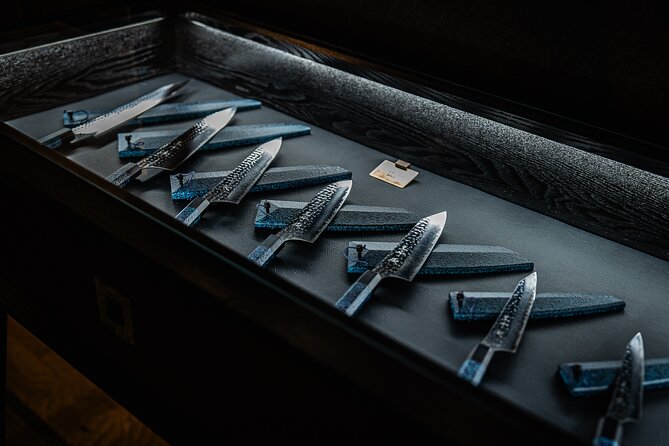
That matters because Japanese craft is often about small details. Kumiko woodworking depends on fitted wooden pieces. Kiriko glass is known for cut patterns that catch light. Nanbu ironware has a different visual and tactile character, with a strong connection to cast iron production in Japan. Seeing these types of work together helps you compare materials, surfaces, weight, and finish.
I like that the experience is not limited to one craft. If you already know a little about Japanese design, you can compare techniques across regions. If you are new to the subject, the guide’s explanations should give you a useful starting point without requiring specialist knowledge.
The showroom also aims to preserve traditional work and connect it with a wider audience. That gives the visit more purpose than simple shopping. You are not just browsing attractive objects. You are being shown why these methods still matter and how much care goes into the finished pieces.
You can also read our reviews of more food & drink experiences in Sapporo


Inside Japanese Modern N6 Kita Maruyama
Your visit begins at Japanese Modern N6 Kita Maruyama in Sapporo’s Chuo Ward. The listed address is on Kita 6 Jōnishi, near Kita Maruyama, and the experience ends at the same meeting point.
A guide accompanies you through the showroom. The exact guide’s name is not provided, so you should not expect a named specialist in advance. What is clear is that this is a guided visit rather than an unguided shopping stop, which is useful when the objects have techniques that are hard to understand at a glance.
The display format sounds intentionally simple: selected pieces are shown individually. This can make a difference in a small showroom. Instead of scanning a crowded room, you can focus on each object and notice its surface, structure, and finish.
You will have the chance to see, touch, and experience the crafts firsthand. That touch element is important, though you should still handle every piece exactly as the guide allows. Traditional objects may be sturdy, but they can also be finely made and costly.
Kumiko Woodworking and the Beauty of Precision
Kumiko woodworking is one of the most visually intricate crafts included in the visit. It uses small wooden components fitted together to form geometric patterns, often without relying on obvious nails or metal fasteners.
For you, the value is in seeing how much design can come from plain wood and repeated shapes. From a short distance, a panel may look like a simple pattern. Up close, you might notice the tight joins and the way light passes through the open sections.
A guide can help you look beyond the pattern itself. Ask how the pieces fit together, what kind of wood is used, and how long a particular object takes to make if those details are available during your visit. The experience data does not promise a live workshop or a maker demonstration, so think of this as a close viewing and explanation session, not a class.
Kumiko is especially good for visitors interested in architecture, interiors, furniture, or Japanese design. You do not need to be an expert. The strongest part of the experience is simply having enough time to notice details that are easy to miss in a shop or museum.
Kiriko Glassware and the Play of Light
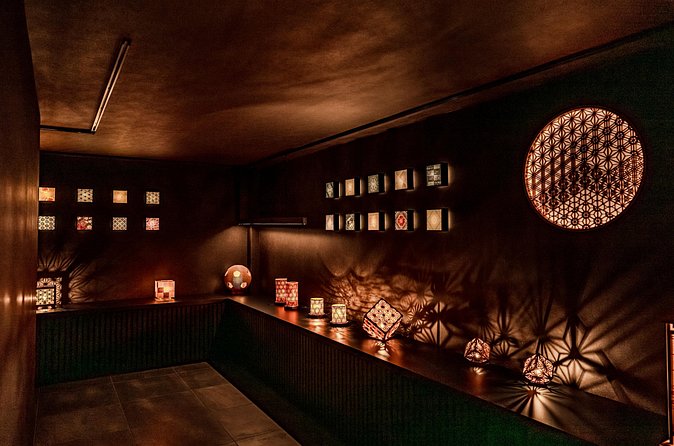
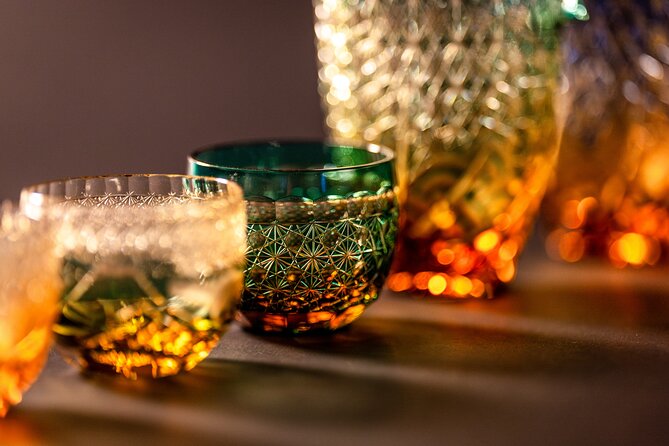
Kiriko glassware brings a different mood to the showroom. Its cut surfaces create patterns that change as light moves across the glass. You may notice a piece looking fairly restrained at one angle, then much more elaborate as the cuts catch the light.
This is where touching the objects can help. Weight, smoothness, and the feel of the cut surface give you information that a photograph cannot. The guide can also place the work in the wider setting of Japanese glass craft, though the supplied details do not specify a particular regional style or individual artist.
Kiriko is a good reminder that traditional craft is not always rustic or old-fashioned. A glass tumbler or decorative piece can have a clean, modern look while still using demanding handwork. That connection between old technique and current design is one reason this visit suits people who want more than a standard sightseeing stop.
You should also keep your expectations clear. There is no promise of a glass-cutting demonstration, a workshop, or a chance to purchase a particular item. The experience centers on viewing, handling, explanation, and tasting.
Nanbu Ironware: Weight, Texture, and Use
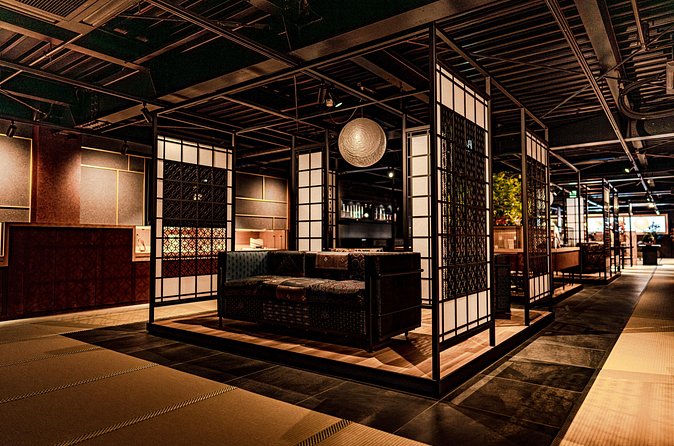
Nanbu ironware gives the display a heavier, more grounded character. Compared with delicate glass or precisely fitted wood, cast iron feels solid and practical. Its appeal comes from texture, weight, and the way a useful object can also be carefully designed.
You might find it helpful to hold an approved piece and compare it with the other materials. That physical contrast is part of the point. Wood can feel warm and light, glass cool and smooth, and iron dense and substantial.
The information provided does not specify which Nanbu ironware pieces will be displayed. You may see cookware, vessels, or decorative objects, but do not count on a particular item unless the operator confirms it. The safe expectation is a selection of Nanbu ironware presented as part of the broader craft collection.
This stop should appeal to you if you enjoy objects with a clear connection to everyday use. It also gives the guide a chance to explain why traditional techniques survive when cheaper modern alternatives are widely available. The visit is strongest when you treat the objects as examples of design and skill, not just souvenirs.
You can also read our reviews of more drinking tours in Sapporo


Yabushita Sake Adds a Taste of Place
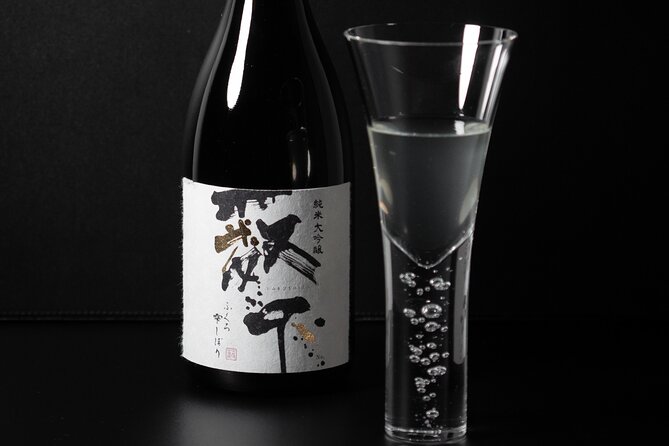
After the craft viewing, you can taste Yabushita’s original sake. The tasting is included in the price, and it changes the pace of the visit. You move from looking at materials and patterns to noticing aroma and flavor.
The available details do not state how many pours you receive, the sake style, or the serving size. You should therefore expect a tasting rather than a full meal or a long sake seminar. If you have questions about ingredients or alcohol content, ask the guide before drinking.
This part makes sense culturally. Sake is not simply a drink added to fill out an itinerary. It is connected with food, seasonal customs, celebrations, and regional production across Japan. A small tasting can give you another way to think about Japanese craftsmanship: the vessel, the presentation, and the drink itself all relate to careful making.
The minimum age is 13, but the data does not explain how sake is handled for participants who are under the legal drinking age. If anyone in your party is 13 to 19, confirm the tasting arrangements before booking. Do not assume that every participant will receive an alcoholic serving.
The Personalized Coaster Is a Useful Souvenir
You receive an original coaster personalized with your name. This is a better keepsake than a generic paper card because it connects directly with the showroom visit and has a practical use at home.
The information does not say whether the name is written in Roman letters, Japanese characters, or another format. If the spelling matters to you, confirm how names are submitted and displayed. You should also ask about timing if you need the coaster ready by the end of the visit.
I like this small touch because it gives the experience a clear memory object without forcing you to buy something. You can still shop elsewhere if you find a craft that suits you, but the included souvenir means the $32.86 price is not tied only to admission and a tasting.
Is $32.86 a Fair Price?
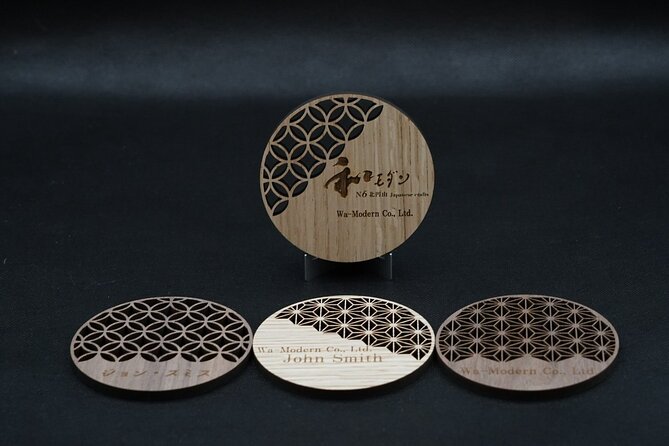
At $32.86 per person, this is not the cheapest way to spend 90 minutes in Sapporo. It is also not just a drink tasting. Your fee covers a guide through the showroom, the craft displays, a sake tasting, and the personalized coaster.
The value depends on what you want from a cultural activity. If you only want to sample sake, you can likely find less expensive ways to drink it. If you only want to browse Japanese goods, a shop visit may cost nothing. This experience earns its price by combining explanation, hands-on viewing, several craft traditions, and a custom keepsake in one short appointment.
The small group limit of 10 helps the value. A crowded room would make touching and examining objects awkward. With fewer people, you should have a better chance to hear the guide and ask questions, though the actual group size can vary up to that limit.
I would call the price reasonable for someone who values context and close viewing. It is less appealing if you prefer outdoor sightseeing, a long workshop, or a substantial meal. At roughly an hour and a half, this is a focused cultural stop, not a half-day tour.
Timing Your Visit in Sapporo
The available hours are listed as 10:00 to 12:00 and 13:00 to 17:30. Since the visit lasts about 90 minutes, the day is divided into morning and afternoon booking windows rather than a single fixed departure.
The supplied booking information also lists a start time of 12:00 am, which conflicts with the available hours. Treat the operating hours as the useful guide, and confirm your exact appointment time after booking. Confirmation is sent within 48 hours, subject to availability.
Reservations cannot be confirmed on weekends or public holidays. That does not necessarily mean the showroom is closed, but it does mean those dates require care. If your Sapporo schedule includes only a Saturday, Sunday, or holiday, check availability before building your day around this activity.
The 90-minute length makes it easy to pair with other plans. You can book it in the morning, leave time for lunch, or choose an afternoon slot after visiting another part of Sapporo. Leave enough time to reach the meeting point without rushing. Private transportation is not included, so you arrange your own way there.
Who Should Book This Experience?
I would recommend this visit to you if you like design, handmade objects, Japanese culture, or small-scale indoor activities. It is also a good choice when the weather is poor and you want something more meaningful than a general shopping stop.
It suits adults and older teenagers. The minimum age is 13, or junior high school age and above, because kimonos are not available for younger children. The kimono note suggests that clothing or presentation may be part of the setting, but the supplied details do not promise that participants will wear kimonos. Do not book this as a young child’s activity.
You should also consider it if you want a manageable introduction before visiting craft shops or regional museums elsewhere in Japan. The guided format can help you recognize terms and techniques later in your trip.
I would not choose it for you if you need a highly active experience, a hands-on making workshop, or a detailed sake course. Those features are not promised. This is a calm showroom visit with explanations, approved handling, tasting, and a souvenir.
Booking and Cancellation Details
You can use a mobile ticket, which is handy when you are moving around Sapporo. Confirmation arrives within 48 hours if space is available, so do not assume that an immediate booking guarantees your preferred time.
Free cancellation is available until 24 hours before the experience starts. Cancel at least 24 hours ahead for a full refund. Changes or cancellations inside that 24-hour window are not accepted for a refund, and the cut-off follows local time in Sapporo.
The activity is provided by JTB Hokkaido. The maximum group size is 10, and most people can participate. Since there are no guest ratings yet, I would use the clear inclusions and restrictions rather than a star score when deciding.
Should You Book Japanese Crafts and Sake Tasting?
Book it if you want a short, guided look at several Japanese craft traditions, especially if you value being able to handle approved pieces and ask questions. The Yabushita sake tasting and personalized coaster give the visit extra character, while the small group size should keep it personal.
Skip it if your priority is a workshop where you make something yourself, a large sake flight, or a tour with private transport. The best reason to book is the combination of craft detail, cultural explanation, and a personal keepsake in a compact Sapporo appointment. Confirm the exact time and weekend availability before paying, then arrive ready to look closely.
FAQ
Where does the Japanese Crafts and Sake Tasting take place?
It takes place at Japanese Modern N6 Kita Maruyama, in Sapporo’s Chuo Ward, Hokkaido. The listed meeting point is Wa-modern N6 Kitamaruyama, on Kita 6 Jōnishi, 23-chōme, on the second floor.
How long does the experience last?
The activity lasts approximately 1 hour and 30 minutes.
What crafts can I see?
The showroom includes kumiko woodworking, Kiriko glassware, Nanbu ironware, and other traditional Japanese crafts.
Is sake tasting included?
Yes. A tasting of Yabushita’s original sake is included.
What souvenir do I receive?
You receive an original coaster personalized with your name.
What is the maximum group size?
The activity has a maximum of 10 participants.
What is the minimum age?
The minimum age is 13, corresponding to junior high school age or older.
Are weekend and public holiday bookings available?
Reservations cannot be confirmed on weekends or public holidays. Check availability carefully if you plan to visit on one of those dates.
Is transportation included?
No. Private transportation is not included, and the activity ends back at the meeting point.
More Drinking Tours in Sapporo
More Food & Drink Experiences in Sapporo

More Tour Reviews in Sapporo


Other Sapporo tours worth your shortlist








Sake Tasting, side by side.
 ★ 5.0A pairing experience in Sapporo where you can enjoy tempura and 3 kinds of Hokkaido-only sake, along with a soba-noodle making experience!From $123.798 reviews
 ★ 5.01 Day Tour to Hill of the Buddha, Sapporo and SakeFrom $165.495 reviews
 ★ 4.5Buddha Hill, TV Tower, and Sake Stand Bar TourFrom $1703 reviews
 Sake and Goemonburo Experience Japanese Traditional Bath TubFrom $32.67
The lists this tour appears in