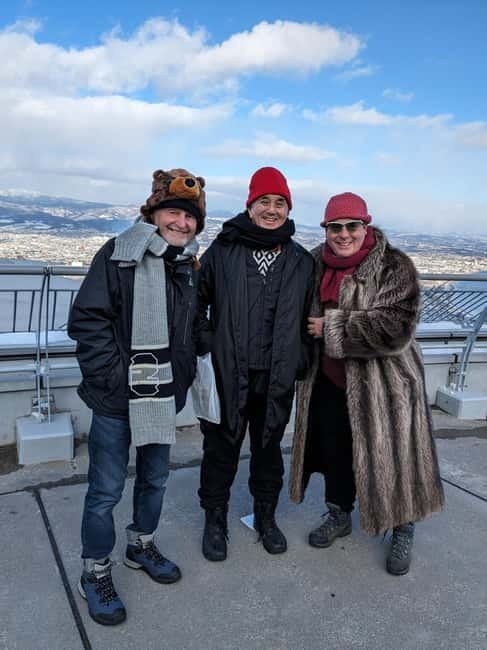
Hakodate’s best feature is its mix of old Japan and foreign influence, and this private tour lets you choose which parts matter most to you. You might spend the day among European churches, red-brick warehouses, and old trading streets, or pair those sights with Mount Hakodate or Goryokaku Park. I like the custom plan and the chance to work with a government-licensed English-speaking guide. The main drawback is simple: this is a walking tour, not a private-car tour, so transfers and entrance fees cost extra.
In This Article
- Key points to know before booking
- Why Hakodate works so well with a private guide
- Four hours or six hours: choose with care
- Motomachi and Hakodate’s foreign-facing streets
- Kanemori Red Brick Warehouse and Bay Hakodate
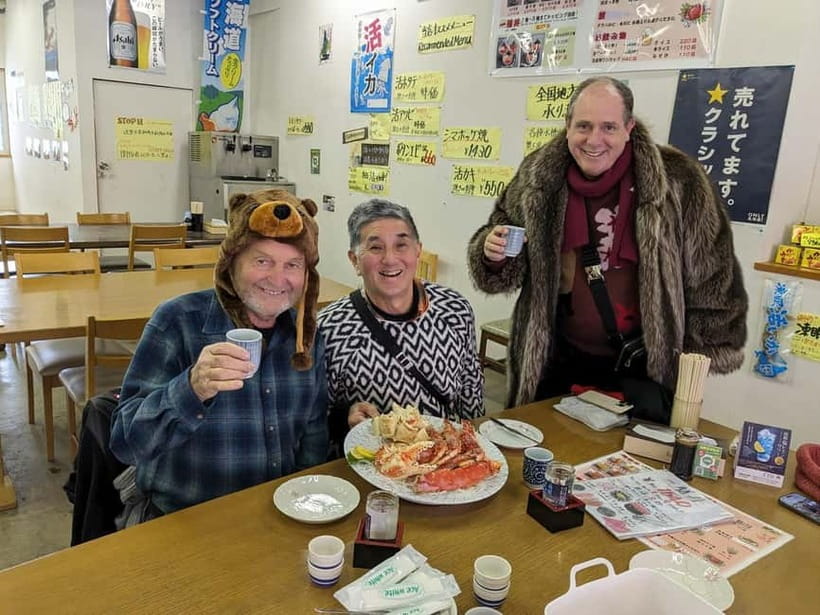
- Hakodate Morning Market for food and local color
- Goryokaku Park and the city’s political past
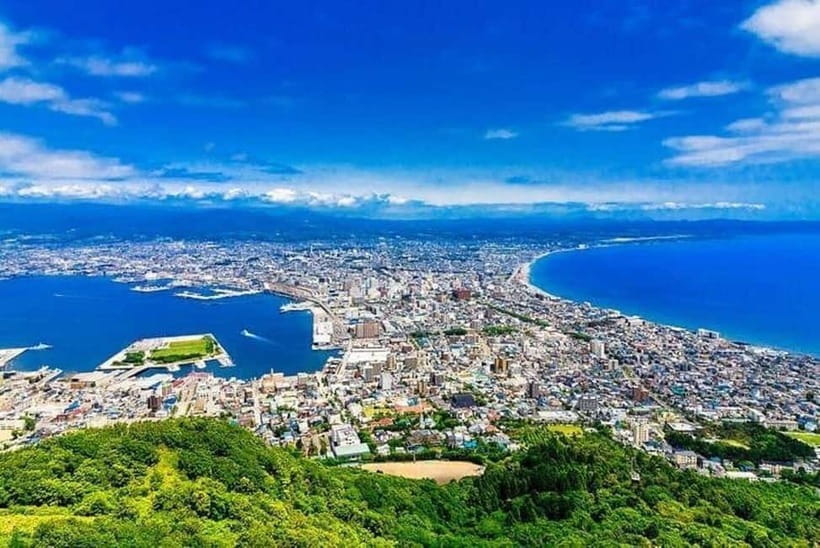
- Mount Hakodate for a viewpoint-focused day
- Onuma Quasi-National Park and the museum option
- What the guide adds to the experience
- Price, transport, and the real cost of the day
- Practical details for a smoother Hakodate day
- Who should book this private tour?
- Should you book the Hakodate private walking tour?
- FAQ
- How long does the Hakodate private walking tour last?
- How many sites can I choose?
- Which sites are available?
- Is the tour private?
- What languages does the guide speak?
- Is transportation included?
- Is a private vehicle included?
- Are entrance fees included?
- Where can I meet the guide?
- Is the tour wheelchair accessible?
I also like the small private-group format, with no more than seven passengers, and the chance to meet your guide at a requested hotel or train station. If Fumiko is assigned to your tour, you can expect careful attention to your interests and plenty of historical context. Just remember that the tour is not confirmed until the guide contacts you, which may take several days.
Key points to know before booking
- Choose your own Hakodate focus: Select two or three sites for four hours, or three or four sites for six hours.
- See the city through its international past: Motomachi, the bay warehouses, churches, and old commercial streets show Hakodate’s links with overseas trade.
- Expect walking and public transport: No private vehicle is included, and taxis or local transport may be needed between distant stops.
- Fumiko is a notable guide option: Her tours are praised for using your suggestions and adding clear, interesting context.
- Budget for extra costs: Entrance fees, transport, lunch, and personal expenses are not included.
- Small groups work best here: The private format makes it easier to adjust the pace and change the emphasis of the day.
Why Hakodate works so well with a private guide
Hakodate is easier to understand when you connect its districts rather than view each sight as a separate stop. The city’s history of international trade left behind churches, European-style buildings, warehouses, and streets that feel different from many other parts of Japan.
A guide helps explain why those traces are here. You can ask how foreign influence shaped the port, how the old neighborhoods fit together, and which sites deserve your limited time. That is more useful than simply ticking off landmarks and moving on.
This format is especially helpful if you have only one day in Hakodate. You do not need to build a route from scratch, and you can tell the guide what you care about before the day begins. A food-focused visitor might choose the morning market. Someone interested in Japan’s political history might favor Goryokaku. Another person may want the old foreign quarter and the bay.
The guide also gives you a chance to adjust your day as you go. The available sites are not all in one compact area, so a local person can help you judge what fits into four or six hours.
Our other Hakodate reviews may also help you decide


Four hours or six hours: choose with care
The four-hour option includes two or three sites. That sounds generous, but the number of stops depends on how far apart they are and how much time you spend at each one. Mount Hakodate, Onuma Quasi-National Park, and the central Hakodate sites do not create the same kind of route.
For a four-hour tour, I would choose a clear theme rather than try to see everything. Motomachi plus Kanemori Red Brick Warehouse and Bay Hakodate gives you a strong introduction to the old port area. Goryokaku Park plus the Hakodate Morning Market creates a different day, mixing political history with food and local commerce.
The six-hour option allows three or four sites. It makes more sense if you want to combine neighborhoods with a viewpoint or a park. Even then, do not treat the maximum number as a promise that every stop will receive equal attention. Transport, walking speed, queues, and your own questions all affect the pace.
Tell the provider your choices after booking, and be specific about what interests you. Do not simply say that you want to see Hakodate. Mention architecture, food, military history, views, museums, or walking pace. The clearer you are, the more useful the customization can be.
Motomachi and Hakodate’s foreign-facing streets
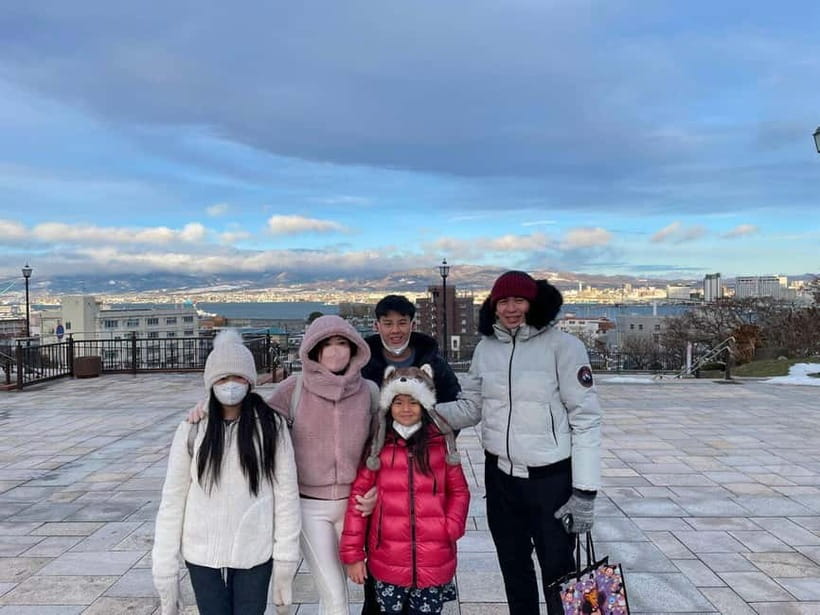
Motomachi is one of the strongest choices for understanding Hakodate’s international character. The area is associated with European buildings and churches, and it gives the tour a visual sense of the city’s past as a trading port.
This is a good place to ask your guide for context. The buildings matter not just because they look different, but because they show how Hakodate developed a foreign community and adapted to international commerce. A licensed guide can help you notice details you might otherwise pass without understanding.
Motomachi is also well suited to a walking tour. You can take your time with the streets and buildings instead of viewing them through a vehicle window. Wear comfortable shoes, since the experience is on foot and the route may include transfers to other districts.
The tradeoff is that Motomachi is not the best choice if your main goal is wide city views, a food stop, or time in nature. It is strongest for architecture, atmosphere, and historical explanation.
Kanemori Red Brick Warehouse and Bay Hakodate
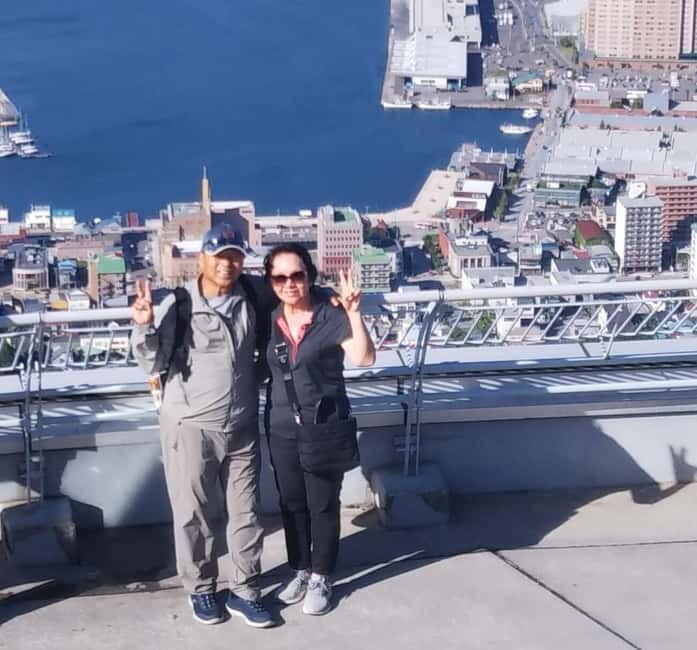
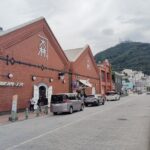
The Kanemori Red Brick Warehouse and Bay Hakodate choices focus on Hakodate’s waterfront character. The red-brick buildings connect the city’s present-day port area with its commercial past.
I would pair these stops with Motomachi if you want a coherent half-day route. Together, they show how the city’s international influence appears in both its older streets and its warehouse district. Your guide can also help place the buildings within the larger story of trade and port life.
The bay area may appeal to you if you want a less museum-heavy day. It offers a change of pace after church and architecture visits. Still, the tour description does not promise specific shops, restaurants, or activities, so choose this area for its buildings and setting rather than for a guaranteed shopping or dining experience.
Since lunch is not included, the bay can be a sensible point to discuss food plans with your guide. Any meal remains your own expense, and the schedule should allow enough time if you want to stop.
Hakodate Morning Market for food and local color
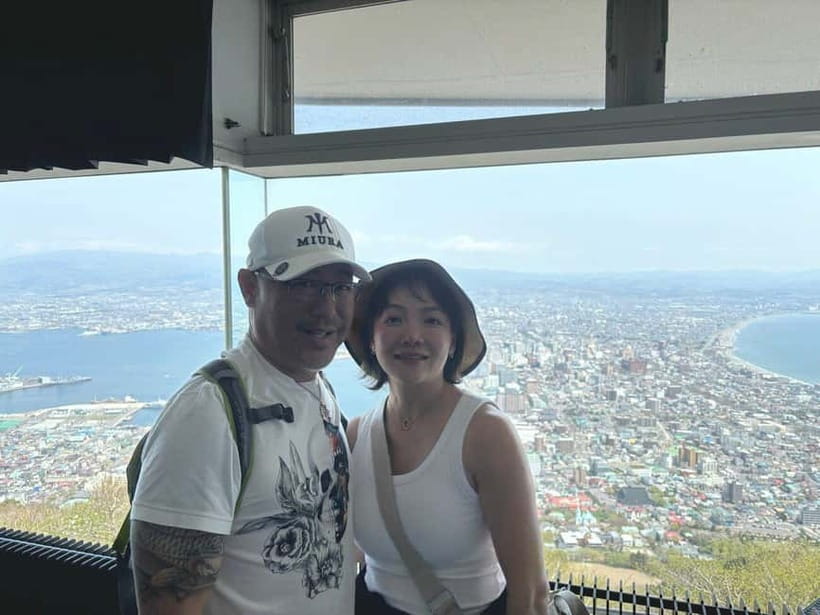
The Hakodate Morning Market gives the tour a more everyday side. It is the natural choice if fresh local food and market life matter more to you than formal landmarks.
A guide is useful here because you can ask what to look for and how to fit the market into the rest of the day. If you start early, the market may work well with Motomachi or the bay area. The exact timing depends on the tour’s available start time, so confirm the schedule when you book.
Food at the market is not included. Bring cash, as the activity specifically advises you to carry it, and plan to pay for anything you eat or buy. The guide’s own expenses are covered only for entry fees at listed sights, not your meals or purchases.
The market may not suit you if you prefer a quiet, slow-paced historical walk. It is also a less useful pick if your main reason for hiring a guide is architecture. Tell the guide what kind of market experience you want so the stop does not become a rushed add-on.
Our other Hakodate reviews may also help you decide


Goryokaku Park and the city’s political past
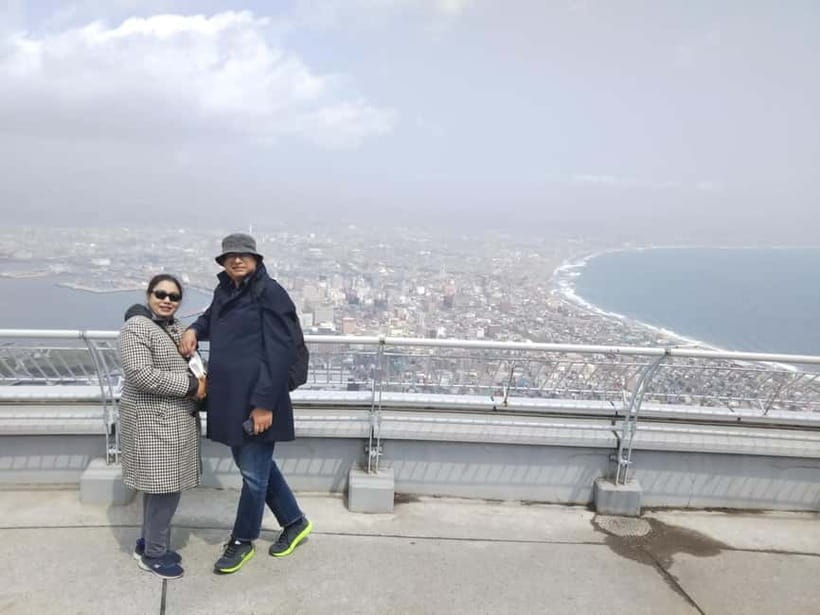
Goryokaku Park offers a different view of Hakodate. Instead of focusing on foreign buildings and port commerce, it points toward the city’s role in Japan’s political and military changes.
Choose it if you want a site with a stronger national-history angle. Your guide can connect the park to the wider story of Hakodate and explain why the site matters. The supplied information does not specify a particular entrance or tower visit, so ask what can fit within your chosen tour and budget.
Goryokaku is not the obvious companion to Motomachi if you only have four hours. The distance and transport may reduce time on foot, and transport fees are extra. On a six-hour tour, it becomes easier to combine the park with one or two central stops.
This is a good example of why customization matters. You can choose a route based on your interests instead of following a fixed list that may not suit you.
Mount Hakodate for a viewpoint-focused day
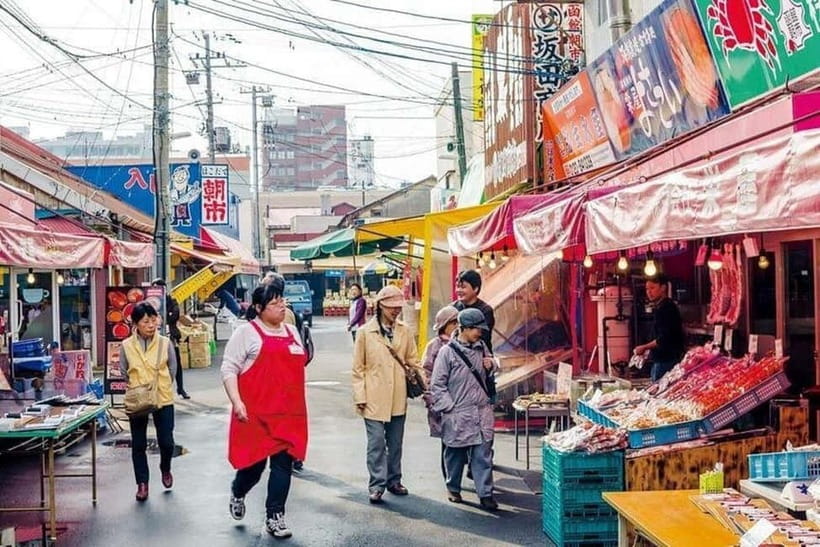
Mount Hakodate is the choice for visitors who want a broad view of the city. It changes the tour from a close look at buildings and streets to a larger sense of Hakodate’s position between water and land.
The view is the main reason to select it, but the tour does not include a private vehicle. You may need public transport or a local taxi, and those costs are separate. Ask the guide about the practical route after your reservation is finalized, and keep Japanese yen available.
Mount Hakodate can take a substantial share of a shorter tour once transfers are included. I would not combine it with too many distant stops on the four-hour option. It fits better into a six-hour plan with two or three additional sites, depending on the agreed schedule.
Weather and visibility can affect any viewpoint stop, though no specific weather policy is provided here. If the view is your top reason for booking, discuss how the guide handles timing and poor conditions before the day begins.
Onuma Quasi-National Park and the museum option
Onuma Quasi-National Park offers a nature-based alternative to central Hakodate. Pick it if you want open scenery and a break from streets, warehouses, and urban history.
Because it is outside the core city area, transportation deserves special attention. The experience does not include a private vehicle, and public transport or taxis may be used. A four-hour tour may feel tight if you combine Onuma with several Hakodate stops, so the six-hour option is the more practical choice to discuss.
Hakodate Museum of Northern Peoples gives you another kind of change. It is suited to a museum-focused day and may appeal if you want indoor exhibits and cultural context. The provided details do not describe its collection or the time needed inside, so ask the guide how much attention it can receive.
Both choices show the value of telling the guide your priorities. A fixed city walk would not necessarily make room for a park or museum, while this tour lets you build the day around them.
What the guide adds to the experience

The strongest reason to book this tour is not simply transportation between sights. It is the chance to ask questions and have the city explained in a way that matches your interests.
Fumiko has been praised for taking personal input seriously, tailoring the route, and adding useful context and intriguing comments. That gives you a good idea of what to request from your guide: do not be shy about asking for background, comparisons, or explanations of details you notice.
The guide speaks English and Japanese and is government licensed. That does not mean every guide will have the same style, so the confirmation contact matters. The tour is not final until the guide contacts you, and most guides make contact within seven days. If no guide is available, the provider contacts you.
The private format also changes the pace. You can ask to spend longer at a site, keep walking at a comfortable speed, or reduce the number of stops. You cannot combine multiple tour groups, so this is designed for one private party rather than a shared excursion.
Price, transport, and the real cost of the day
At $219 per person, this is not a budget walking tour. Its value depends on how much you want personal planning and live explanation. For a private group of up to seven people, the per-person cost may make more sense when shared among family or friends than for a solo visitor.
The price includes the licensed local English-speaking guide and the customized tour service. It does not include your entrance fees, transport, lunch, or personal spending. Guide entry fees are covered only for sights listed in the description, so ask exactly what applies to your selected stops.
Transport is the biggest cost to clarify. The tour is on foot, but public transport or local taxis may be needed between locations. Exact transport costs can be discussed after reservation, and you should carry Japanese yen for those fares.
A private vehicle can be arranged separately, but it must be booked at least five days in advance. That option is not part of the listed experience, so contact the provider early if walking and public transport will not work for your group.
Practical details for a smoother Hakodate day
You meet the guide on foot within the designated Hakodate area. Pickup can be arranged at a requested hotel lobby or train station, with the guide waiting ten minutes before the scheduled pickup time.
Bring cash. You will need it for transport, food, entrance charges, and other personal costs. Comfortable shoes are also a sensible choice because this is a walking day tour, even if the listing does not specifically require them.
The experience is wheelchair accessible, but the route still includes walking and possible public transport or taxi transfers. If you use a wheelchair, discuss the chosen sites and transfers with the provider before finalizing the itinerary.
The tour is offered for four or six hours, with starting times based on availability. Changes made less than 24 hours before the start are not accepted. You can cancel up to 24 hours in advance for a full refund, and reserve now while paying later, which helps if your Hakodate plans are still shifting.
Who should book this private tour?
I would recommend it most strongly to first-time visitors who want Hakodate explained without spending hours planning connections and opening times. It also suits families, couples, and small groups with different interests, since the route can be adjusted.
It works well for anyone who wants a local guide rather than a fixed sightseeing circuit. The English-speaking service is useful if you want to ask questions as you go, and the private format avoids having to match another group’s pace.
I would think twice if you want a full-day private vehicle, included meals, or a package with entrance fees already covered. You can arrange a private vehicle separately, but it requires advance planning and adds cost.
The tour also demands some preparation from you. Choose your sites promptly, explain your interests, and ask about transport before the day. The more direction you provide, the more the private format can work in your favor.
Should you book the Hakodate private walking tour?
Book it if you want to shape your own Hakodate day around two to four meaningful stops, with a licensed guide who can explain the city’s foreign connections and local past. The best-value plan is likely a small group that uses the guide’s time well and chooses nearby sites rather than chasing every option.
For four hours, keep the route focused. For six hours, consider adding Mount Hakodate, Goryokaku, Onuma, or the museum, but confirm the transport plan and extra costs first.
I especially like this tour for its flexibility and the reported care of guide Fumiko. I would skip it only if you need a private car included or prefer a completely fixed, all-inclusive excursion.
FAQ
How long does the Hakodate private walking tour last?
The tour lasts either four or six hours, depending on the option you reserve.
How many sites can I choose?
You can choose two to three sites for a four-hour tour, or three to four sites for a six-hour tour.
Which sites are available?
The choices are Mount Hakodate, Onuma Quasi-National Park, Goryokaku Park, Hakodate Morning Market, Motomachi, Kanemori Red Brick Warehouse, Bay Hakodate, and Hakodate Museum of Northern Peoples.
Is the tour private?
Yes. It is a private group experience, and multiple tour groups cannot be combined.
What languages does the guide speak?
The tour offers live guides in English and Japanese.
Is transportation included?
No. This is a walking tour, and public transportation or local taxis may be used between sites. Transportation costs are extra.
Is a private vehicle included?
No. A private vehicle is not included. One can be arranged separately if booked at least five days in advance.
Are entrance fees included?
Your entrance fees are not included. The guide’s entry fees are covered only for sights listed in the tour description.
Where can I meet the guide?
Pickup can be arranged at a requested hotel lobby or train station within the designated Hakodate area. The guide waits ten minutes before the scheduled pickup time.
Is the tour wheelchair accessible?
Yes, the experience is listed as wheelchair accessible. Since it includes walking and possible public transport or taxi transfers, discuss your selected route with the provider in advance.
More Tour Reviews in Hakodate


More Private Tours in Hakodate
More Hakodate Tours in Hakodate
Other Hakodate tours worth your shortlist





Hakodate Tours, side by side.
 ★ 5.0Hakodate 6hr Private Tour with Government-Licensed GuideFrom $269.3217 reviews
 ★ 4.5Hakodate Exploration Tour with Private GuideFrom $407.209 reviews
 ★ 5.0Hakodate 4hr Private Tour with Government-Licensed GuideFrom $221.527 reviews
 ★ 4.44-Hour Cultural and Historical Highlights TourFrom $4165 reviews
The lists this tour appears in