Osaka is close enough to reach from Tokyo by bullet train, but far enough that doing it in one day takes real stamina. This private tour handles the major logistics for you, pairing Osaka Castle with the neon signs, food stalls, and canal-side energy of Dotonbori.
In This Article
- Key points at a glance
- Is a Tokyo to Osaka day trip practical?
- Starting at Tokyo Station Marunouchi
- Osaka Castle and Toyotomi Hideyoshi’s grand project
- Dotonbori after dark or in the afternoon
- The return to Tokyo and the red-brick station
- What the private format changes
- Is $1,015 per person fair?
- Who should book this Osaka day trip?
- Practical details before you reserve
- Should you book it?
- FAQ
- How long does the Tokyo to Osaka tour last?
- Is hotel pickup included?
- Are bullet train tickets included?
- Which Osaka sights are included?
- Can the itinerary be customized?
- Which languages can the guide speak?
- Is lunch included?
- What is the cancellation policy?
I like the door-to-door setup and the freedom to adjust the plan. One couple arranged a custom route to Kobe with Silvy, while another guide fit in an unplanned udon lunch. I also like that your guide can speak English, Spanish, or French. The catch is the price: at $1,015 per person, you are paying heavily for convenience, and one past customer felt it was roughly twice the fair value.
Key points at a glance
- Tokyo to Osaka by bullet train: The long rail journey is included, with hotel pickup in Tokyo.
- Two big Osaka sights: You get time at Osaka Castle and Dotonbori, the city’s best-known sightseeing pair.
- Private, flexible touring: Only your group takes part, and the route can be changed to include places such as Kobe.
- Nationally licensed guide: English, Spanish, and French guiding is available, with cultural context and help using local transport.
- A very full 12-hour day: The schedule includes roughly three hours at Tokyo Station, four hours at the castle, and three hours in Dotonbori.
- Extra costs remain: Lunch is about $15 to $20 per person, and an Osaka taxi may cost $10 to $200 if needed.
Is a Tokyo to Osaka day trip practical?
Yes, but only if you accept the tradeoff. The bullet train makes the journey possible, yet the distance means a large part of your day is spent getting there and back. This is not a relaxed Osaka visit. It is a carefully managed taste of Osaka for someone who cannot add an overnight stay.
The tour lasts about 12 hours. That sounds generous until you consider the Tokyo hotel pickup, the trip to Tokyo Station, the rail journey, local transport in Osaka, sightseeing, and the return to Tokyo. You will need a moderate level of fitness, and you should expect plenty of walking, stairs, station navigation, and time on your feet.
I would consider this trip most useful if Osaka is high on your list but your schedule is fixed in Tokyo. If you have several spare days, staying overnight in Osaka will give you more time and likely better value.
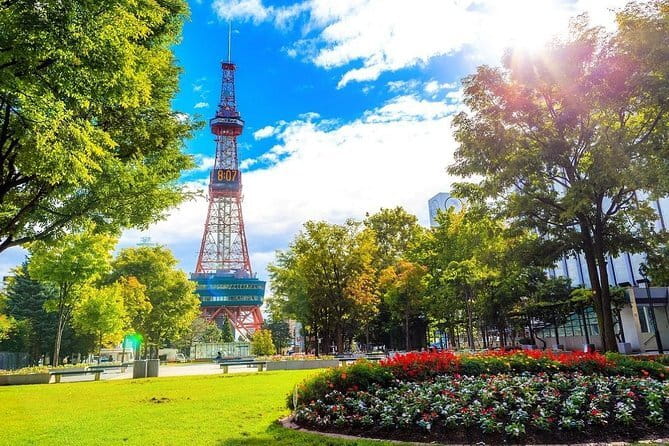
One important point needs checking before you pay: the details identify the location as Sapporo, while the actual pickup and route are from Tokyo to Osaka. Since the rest of the information clearly describes Tokyo pickup, confirm the operating location directly with MY Travel Consulting before booking.
You can also read our reviews of more guided tours in Sapporo


Starting at Tokyo Station Marunouchi
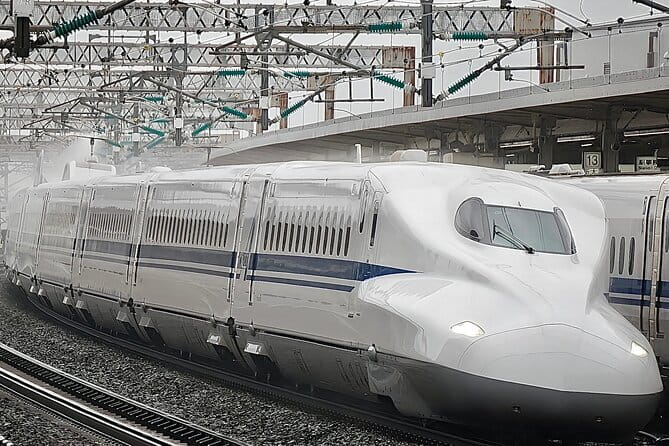
Your day begins with pickup from your Tokyo hotel and a transfer to Tokyo Station. The stated meeting point is the Marunouchi Ekimae Hiroba, the open plaza in front of Tokyo Station’s Marunouchi side.
This is where a private guide can earn the fee. Tokyo Station is large, and a guide who knows the station routine can help you reach the correct platform without wasting precious minutes. Your bullet train tickets between Tokyo and Osaka are included, as is public transportation in both cities.
The first portion is listed as about three hours. That includes the trip from your hotel to the station and the rail journey. The train ride is not a minor detail. It is the central cost and time commitment of the day, so you should be comfortable spending a long stretch seated before your Osaka sightseeing even begins.
Keep your expectations sensible. You are not getting a broad tour of Osaka in a day. You are getting a guided introduction to two major areas, with someone else managing the route.
Osaka Castle and Toyotomi Hideyoshi’s grand project
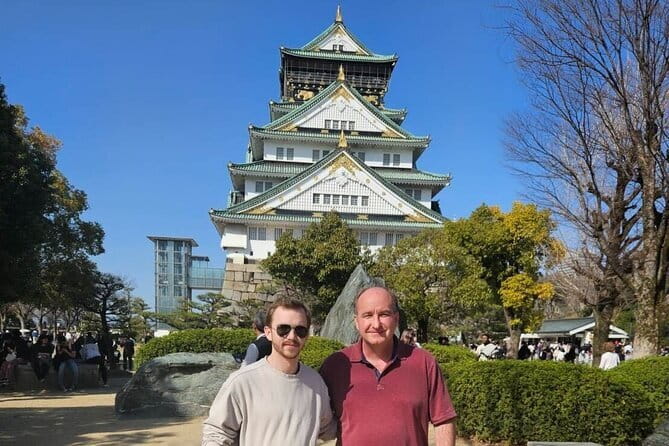
Osaka Castle gets about four hours, including admission. That is a substantial block of time, and it gives you room to see more than the exterior.
Toyotomi Hideyoshi began the original castle in 1583 after conquering the region. He wanted a powerful seat and a grand public symbol of his rule. The design used huge walls, major gates, and a central main keep called a tenshu. Even if your interest in military architecture is limited, the castle helps explain Osaka’s place in Japan’s past.
The present attraction is also a city landmark, so part of its appeal is visual. You get a famous Osaka image and a central place from which to understand the city. The admission fee is included, which keeps this stop simple once you arrive.
Four hours may feel generous if you only want a quick photograph. I would use the time for the castle grounds, the keep, and the surrounding area rather than rushing through. The tour information does not specify every room or exhibit included, so ask your guide how the time will be divided on your date.
This is also where the guide’s cultural role matters. A nationally licensed guide can explain why the castle mattered to Hideyoshi and how the site fits into Osaka’s story. You are not simply being dropped at a large building and told to meet later.
Dotonbori after dark or in the afternoon

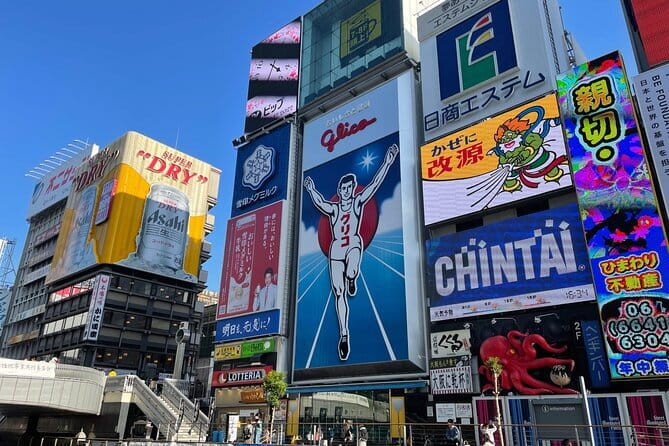
The next main stop is Dotonbori, with about three hours and no separate admission charge. The district follows the Dotonbori canal and is known for neon signs, food, entertainment, and a dense concentration of city life.
Doton Yasui, a wealthy merchant, began the canal project around 1612 to improve commerce in the area. During the Edo period, the district became known for kabuki theaters, puppet shows, and other performances. That past helps explain why Dotonbori still feels tied to eating and entertainment rather than quiet sightseeing.
Three hours is enough to walk through the district at a useful pace, pause for food, and let your guide point out the main sights. Lunch is not included, so budget about $15 to $20 per person. Dietary needs can be accommodated, including vegetarian, vegan, and gluten-free requests, but you need to state them when booking.
I like this part of the route because it gives you a different view of Osaka from the castle. Osaka Castle is about power and formal architecture. Dotonbori is about street life, food, signs, canals, and the city’s long entertainment tradition.
The drawback is that Dotonbori can be crowded and stimulating. If you prefer quiet lanes or museums, three hours here may feel like too much. If you want a first taste of Osaka’s food culture, it may be the most memorable part of the day.
The return to Tokyo and the red-brick station
The final stop is described as the red-brick Tokyo Station building and a shaped mailbox, with about 30 minutes. This is a short photo and orientation stop rather than a major sightseeing visit.
Tokyo Station’s Marunouchi side is a useful endpoint because it returns you to one of the city’s main rail hubs. The red-brick exterior has a formal, historic look that contrasts with the modern towers of the Marunouchi business district.
The schedule does not explain whether this stop happens before or after the final hotel return, so confirm the exact order with your guide. Either way, the day ends where it began in practical terms: around Tokyo Station and the central rail network.
Our other Sapporo reviews may also help you decide


What the private format changes
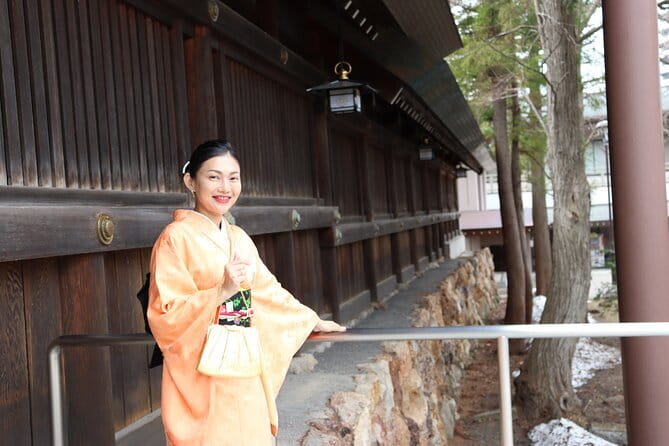
This is a private activity, so only your group participates. That makes a real difference on a day with tight timing. You do not have to wait for a large group at every station, and the guide can adjust the pace for children, older family members, or a group with a special interest.
The custom option is more than a marketing detail. A couple arranged a route from Tokyo to Kobe instead of following the standard Osaka plan, and their guide, Silvy, also adjusted the day for a personal request. An impromptu udon lunch was added along the way. This suggests that the strongest reason to book is flexibility, not simply access to Osaka Castle and Dotonbori.
You should discuss your priorities before departure. If you want Kobe, a particular meal, or another Osaka sight, say so early. The standard route includes Osaka Castle and Dotonbori, but the plan can be customized.
The listed guide languages are English, Spanish, and French. One guide is identified as Silvy in the available experience details. Another is praised for being friendly, well informed, and good at using the limited time, but his name is not provided.
Is $1,015 per person fair?

This is the hardest part of the decision. At $1,015 per person, the tour is expensive, especially for a day that includes only two main Osaka stops.
The price does cover important items:
- Bullet train tickets between Tokyo and Osaka
- Pickup from your Tokyo hotel
- Public transportation in Tokyo and Osaka
- A private nationally licensed guide
- Admission to Osaka Castle
You still pay for lunch and may need a taxi in Osaka. The stated taxi estimate ranges from $10 to $200 depending on distance, which is unusually broad, so ask when a taxi might be needed and who pays for it.
The value depends on what you are buying. If you are a family or small group that wants one person to handle the rail system, local transport, language support, timing, and route changes, the cost may feel more reasonable. A custom private day can also save you the stress of planning a complicated rail trip yourself.
If you are a solo visitor or a couple comfortable with Japan’s trains, the price is much harder to defend. You could arrange the same broad concept independently for far less, though you would lose the private guide and the ease of having hotel pickup. One direct assessment of the experience called it overpriced by at least 50 percent, even while praising the guide’s timing and personal help.
I would not book this for savings. Book it for convenience, personal attention, and a custom plan. If price matters most, an overnight Osaka trip or a self-guided rail journey deserves a close look.
Who should book this Osaka day trip?
Families may appreciate the private format, particularly if children need breaks or the day must move at a gentler pace. The guide can adapt the route, and you avoid being tied to strangers.
It can also suit first-time visitors to Japan who feel uneasy about changing trains, reading station signs, or managing a long day in an unfamiliar city. Your guide can help with public transport in both cities and keep the schedule moving.
The tour is less suitable for anyone who dislikes early starts, long train rides, or tightly packed sightseeing. It is also a poor match if you want to explore Osaka’s neighborhoods at a slow pace. Two main districts cannot represent the whole city.
Adventure seekers may enjoy the challenge of crossing much of Japan in one day, but the adventure here is mainly logistical. The tour removes many of the hard decisions rather than placing you in an unplanned situation.
Practical details before you reserve

Confirmation is normally provided at booking. If you book within seven days of departure, confirmation may take up to 48 hours and depends on availability.
Free cancellation is available until 24 hours before the start time. Changes or cancellations made inside that window are not accepted for a refund, and cut-off times use local time.
Service animals are allowed, and the route is near public transportation. You should still be prepared for a moderate physical effort. The itinerary may change because of weather or other reasons.
Ask for the exact hotel pickup time, train departure, Osaka transport plan, and expected return time. Since the published location says Sapporo while the route begins in Tokyo, ask the provider to confirm that your reservation is for Tokyo to Osaka.
Should you book it?
Book this tour if you have only one day available, want Osaka Castle and Dotonbori, and place a high value on private help. The ability to request Kobe or another custom route is a genuine advantage, and the guide can make a difficult rail day much easier.
Skip it if $1,015 feels uncomfortable or if you can add an overnight in Osaka. The trip is long, the lunch and possible taxi are extra, and the basic sightseeing plan is narrow for the price.
My practical call: choose it for a special occasion, a family group, or a first Japan visit where confidence and flexibility matter. For a budget-minded couple, take the train independently and spend the saved money on another night in Osaka.
FAQ
How long does the Tokyo to Osaka tour last?
The experience lasts approximately 12 hours.
Is hotel pickup included?
Yes. Pickup from your hotel in Tokyo is included.
Are bullet train tickets included?
Yes. The price includes bullet train tickets between Tokyo and Osaka.
Which Osaka sights are included?
The standard plan includes Osaka Castle and the Dotonbori district. Osaka Castle admission is included, while Dotonbori has no separate admission fee.
Can the itinerary be customized?
Yes. The plan can be adjusted for specific places, and a route to Kobe has been arranged previously.
Which languages can the guide speak?
Nationally licensed guides are available in English, Spanish, and French.
Is lunch included?
No. Lunch is not included. The expected cost is about $15 to $20 per person.
What is the cancellation policy?
You can cancel for a full refund up to 24 hours before the experience start time. Cancellations or changes made less than 24 hours before departure are not accepted for a refund.