Tokyo’s west side packs spiritual calm, youth fashion, polished shopping streets, and giant city energy into a compact area. This four-hour private tour links Meiji Jingu, Harajuku, Omotesando, and Shibuya Crossing by train and subway, so you see several very different sides of Tokyo without having to plan the route yourself.
In This Article
- Key points at a glance
- What this four-hour route really covers
- Meiji Jingu: a quiet start in central Tokyo
- Takeshita Street: Harajuku’s youthful side
- Omotesando: a polished change of pace
- Shibuya Crossing: Tokyo’s famous city moment
- The optional samurai-themed show in Shinjuku
- Traveling by train and subway
- What the $158 price means
- Who should book this west Tokyo tour?
- Should you book it?
- FAQ
- Where does this tour take place?
- How long does the tour last?
- Is hotel pickup included?
- Is public transportation included in the price?
- Is this a private tour?
- What sights are included?
- Is admission charged at the main stops?
- Can children attend the optional samurai-themed show?
- What is the cancellation policy?
I like two things right away: public transportation is included, and the tour is private to your group. That means you can spend your time seeing Tokyo instead of wrestling with ticket machines and route maps. I also like the shape of the route. Meiji Jingu gives you quiet forest and shrine customs, while Harajuku and Shibuya bring you back into the city’s fast modern rhythm.
The main drawback is the pace. Four hours is enough for an introduction, not a leisurely exploration. Also, the supplied details name Sapporo as the location even though every stop is in Tokyo. Confirm the pickup city and meeting details before paying.
Key points at a glance
- Meiji Jingu opens with calm and ceremony: Allow about an hour for Tokyo’s major Shinto shrine and its wooded approach.
- Takeshita Street shows Harajuku’s youth culture: You get roughly an hour for colorful shops, fashion, and people-watching.
- Omotesando changes the mood: Thirty minutes brings polished architecture and upscale shopping after the playful feel of Harajuku.
- Shibuya Crossing supplies the big finish: The famous intersection gives you a short, high-energy look at modern Tokyo.
- The private format keeps the route flexible: Only your group participates, with a national licensed guide leading the way.
- A samurai-themed show is optional: It takes place in Shinjuku, has separate conditions, and is not available to anyone under 18.
What this four-hour route really covers
This is a highlights tour, not a full west Tokyo day. The listed stops total about three hours, leaving the remaining time for hotel pickup, walking, and transfers between stations.
That structure makes sense for a first visit. Tokyo can feel scattered at first, even when attractions look close on a map. A guide who handles the public transport connections can help you spend your limited time at the sights rather than sorting out the next train.
Still, keep your expectations realistic. You will not have time to thoroughly shop Takeshita Street, tour every corner of Meiji Jingu, browse Omotesando’s stores, and linger around Shibuya. You get a guided sample of each area. If you prefer to stop often for food, photos, or shopping, a private tour may help, but four hours will still pass quickly.
The private setup is especially useful for families, couples, or small groups with a shared schedule. There is no larger group to wait for, and the guide can explain what you are seeing as you move through the city. The tour includes hotel pickup, but the exact pickup area should be confirmed because the location information is inconsistent.
We have reviewed more tours and experiences across Sapporo; these are worth comparing before you book.


Meiji Jingu: a quiet start in central Tokyo
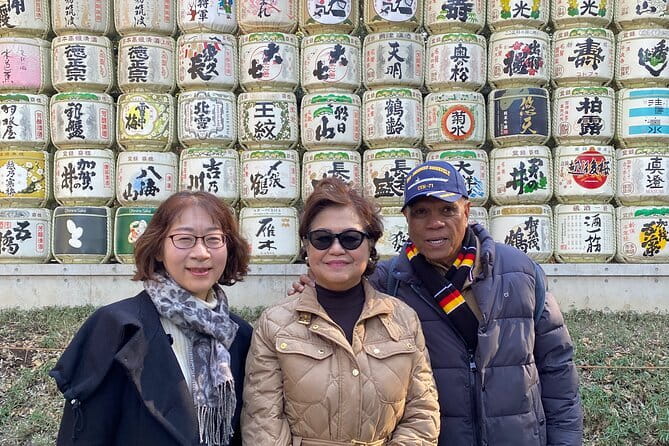
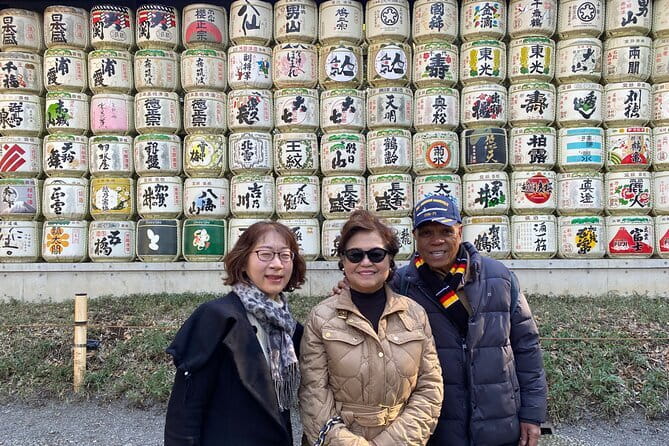
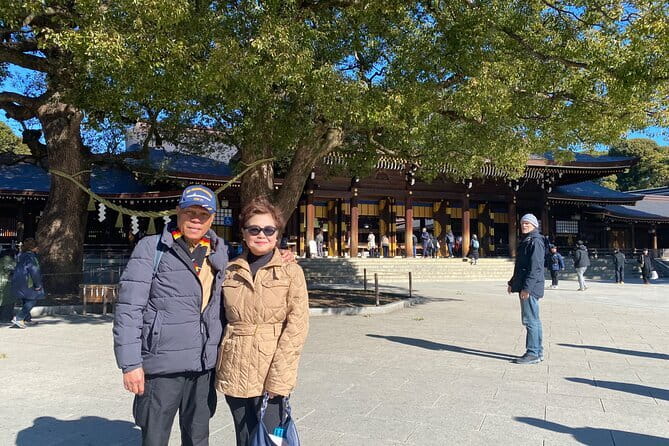
Meiji Jingu is dedicated to Emperor Meiji and Empress Shoken. It is one of Tokyo’s most important and frequently visited Shinto shrines, but the first impression is not urban noise. The grounds offer a calm setting before the tour moves into Harajuku’s crowded shopping streets.
You have about one hour here. That is a useful amount of time for a first look at the shrine, its grounds, and the basic customs your licensed guide can explain. The guide’s commentary matters most at this stop because Shinto spaces can be easy to admire without understanding what you are seeing.
I would use this hour to slow down. Notice the change in mood from the city outside. Pay attention to how the shrine’s spiritual purpose differs from the commercial districts later in the tour. You may also want to ask your guide about appropriate shrine behavior, since a short explanation can make the visit feel more meaningful.
Admission is free, which keeps the tour’s included price focused on guiding and transportation rather than entry fees. The tradeoff is that the visit is mainly an outdoor walking experience, so comfortable shoes and a willingness to walk are important. The tour requires a moderate level of physical fitness, and the route through stations and city streets adds to that effort.
Takeshita Street: Harajuku’s youthful side
After Meiji Jingu, the tour shifts sharply to Takeshita Street. This pedestrian shopping street is known for youth fashion, unusual styles, and trend-focused shops. It is one of the clearest places on this route to see Harajuku’s public identity.
The scheduled hour gives you time to understand the area rather than simply pass through it. You might find colorful storefronts, fashion displays, and a steady flow of people checking out the latest looks. The value here is less about one historic monument and more about seeing how Tokyo’s youth culture expresses itself through clothing, shopping, and street life.
This stop suits fashion fans and first-time visitors who want a quick introduction to Harajuku. It also gives a useful contrast with Meiji Jingu. Within a short distance, you move from a major Shinto shrine to one of Tokyo’s best-known youth shopping streets.
There is a practical limit. Takeshita Street can be crowded, and one hour is not long if you intend to shop. Treat the stop as an orientation visit unless your group has a very specific store in mind. Ask the guide how much free time you will have, and keep an eye on the meeting point so a shopping detour does not delay the rest of the route.
Omotesando: a polished change of pace
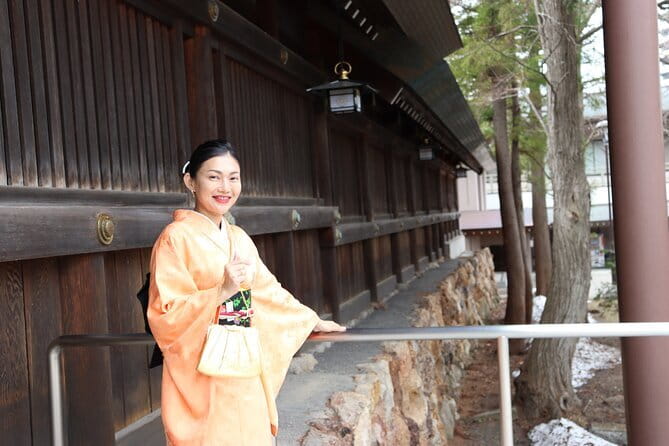
Omotesando is scheduled for about 30 minutes. That may sound brief, but this stop serves a clear purpose. It shows the more polished and upscale side of the same part of Tokyo, following the youthful, eclectic feel of Takeshita Street.
The area is often compared with the Champs-Élysées because of its broad, sophisticated character and high-end shopping. You can expect a sharper, more refined mood here, with fashionable stores and a different sense of scale. The point is not to complete a shopping trip. It is to see the contrast between two neighboring districts.
Thirty minutes works for a walk, a few photographs, and guide commentary. It does not work for serious browsing or a long café stop. If your main interest is luxury shopping, you may want to return on your own after the tour. The guide-led visit gives you the setting and orientation, but not enough time to explore every shop.
I like this part of the route because it prevents the tour from reducing west Tokyo to only youth fashion and famous crossings. Omotesando shows that the district has several personalities, and the short transfer between them makes the contrast easy to grasp.
Shibuya Crossing: Tokyo’s famous city moment
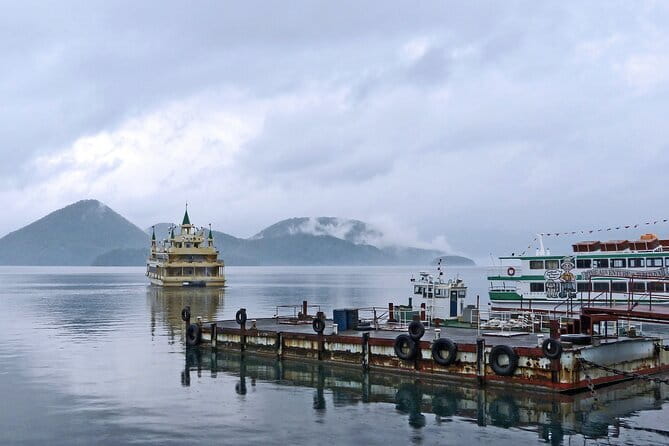
The final main stop is Shibuya Crossing, outside Shibuya Station. It is known for pedestrians crossing from several directions at once, creating one of the most recognizable city scenes in the world.
You have about 30 minutes here. That is enough to experience the crossing, take photos, and listen to an explanation of why this intersection has become such a strong symbol of Tokyo. You will not have time to explore all of Shibuya, and the stop does not include a paid viewing platform or attraction.
The short visit is sensible for a highlights tour. Shibuya’s appeal comes from watching the city move, and you can get that impression quickly. I would not expect a quiet or reflective stop. This is the most energetic point on the route, and the contrast with Meiji Jingu gives the tour a neat beginning and end.
The station area can be confusing, so having a guide is useful here. Shibuya Crossing is easy to recognize once you reach it, but getting around the surrounding station and streets can take time. Public transport and walking are central to the experience, not just a way to get from one attraction to the next.


The optional samurai-themed show in Shinjuku
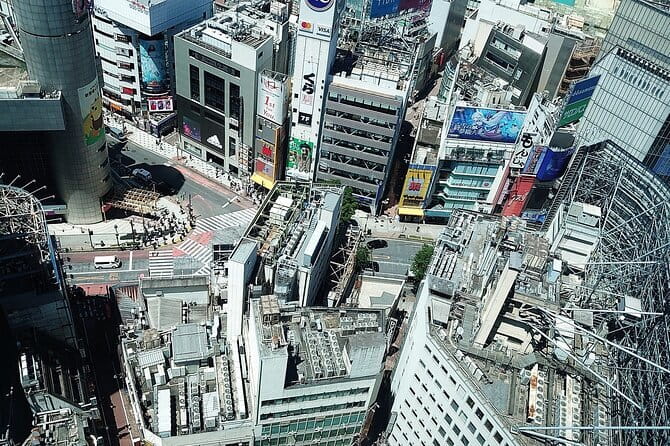
Some booking options include a samurai-themed entertainment show in Shinjuku. It is described as Japanese neo-entertainment that combines traditional Japanese culture with modern stage entertainment. The venue is the Samurai Restaurant, at the former Robot Restaurant location.
This is not part of the basic route for everyone. You need to select the option when booking. It also has important restrictions: anyone under 18 is not allowed, and the show venue does not permit smoking. Smoking is allowed in the waiting area on the ground floor.
Photography and video are allowed without flash. You should not wear sunglasses inside. Alcoholic drinks are served only to adult participants, according to the supplied details.
The show changes the character of the experience. The shrine, shopping streets, and crossing are a tour of Tokyo neighborhoods. The samurai performance is a ticketed entertainment add-on with its own venue rules. It may suit adults who want a loud, unusual stage experience, but it is not the right choice for a family group with children or for anyone seeking a quiet cultural presentation.
Because the standard tour lasts about four hours, confirm how the show fits into your chosen option. The available details do not explain the show’s exact length or how it affects the rest of the route. That is worth checking before booking.
Traveling by train and subway

The transport plan is one of the strongest practical features. Tokyo’s rail network can look intimidating, especially when you are trying to connect Meiji Jingu, Harajuku, Omotesando, Shibuya, and possibly Shinjuku in one short outing.
The tour includes public transportation fees, so you do not need to budget separately for the listed train and subway travel. Hotel pickup is included as well. Those details add real value, particularly if you are new to Tokyo or want to avoid spending time buying individual tickets.
You should still expect walking. Moving through major stations, reaching platforms, and getting from stations to the sights all take physical effort. Wear comfortable shoes and keep your belongings manageable. The moderate fitness requirement is worth taking seriously.
A private guide can also help your group move at a practical pace. If someone in your party needs a short pause, you can discuss it directly rather than keeping up with a large group. The available information does not provide a guide’s name, so you will receive the assigned guide details through the booking confirmation rather than choosing a named guide in advance.
What the $158 price means
At $158 per person, this is not a cheap way to wander around Tokyo. You can visit the four main areas independently, and admission to the listed stops is free. The price is paying for the private format, hotel pickup, a national licensed guide, and included public transportation.
The value is strongest when your time is limited or your group wants help making sense of Tokyo’s rail system. A private tour can also be worthwhile for people who prefer context and a planned route over independent trial and error. Since only your group participates, the per-person cost may feel more reasonable for a larger private party, especially because group discounts are offered.
The price is harder to justify if you already know Tokyo’s train system, enjoy planning routes, and want long stretches for shopping. In that case, you may prefer to visit these districts on your own and spend the $158 on selected meals, shopping, or another attraction.
The tour is typically booked about 28 days ahead, so plan early if your dates are fixed. A mobile ticket is offered, and confirmation is received at booking. Free cancellation is available when you cancel at least 24 hours before the local start time. Changes or cancellations inside that window are not accepted for a refund.
Who should book this west Tokyo tour?
I would recommend it most to first-time Tokyo visitors who want a clear introduction without committing to a full day. It also fits fashion fans, culture seekers, and anyone who wants to compare shrine life, youth style, luxury shopping, and city spectacle in one outing.
The tour may also work well for a private group with mixed interests. One person can focus on shrine culture, another on fashion, and another on photography at Shibuya Crossing. The guide helps tie those different interests together.
I would think twice if you have limited mobility, dislike trains, or want a slow day. The route includes public transportation and walking, and the schedule leaves little room for delays. Service animals are allowed, but the moderate fitness requirement still applies.
The optional show is best treated as a separate decision. Adults interested in theatrical Japanese entertainment can add it, while families with anyone under 18 should choose the standard tour only.
Should you book it?
Book this tour if you want a guided first look at four major west Tokyo areas and value hotel pickup, rail fares, and a private guide more than free time. The route is well chosen for showing Tokyo’s sharp contrasts, from Meiji Jingu’s quiet setting to Shibuya’s famous crossing.
Skip it if you are comfortable navigating trains and would rather spend a full hour or more in each neighborhood. Before booking, confirm the apparent Sapporo versus Tokyo location error and ask exactly how the optional Shinjuku show fits into the four-hour experience. For the right visitor, this is an efficient introduction. Just remember that efficient also means brisk.
FAQ
Where does this tour take place?
The listed stops are in Tokyo: Meiji Jingu Shrine, Takeshita Street in Harajuku, Omotesando, and Shibuya Crossing. The supplied location field says Sapporo, so confirm the correct pickup city before booking.
How long does the tour last?
The main tour lasts approximately four hours.
Is hotel pickup included?
Yes. Hotel pickup is included, although the exact pickup area and arrangements should be confirmed at booking.
Is public transportation included in the price?
Yes. The public transportation fee is included.
Is this a private tour?
Yes. Only your group participates in the private activity.
What sights are included?
The main route includes Meiji Jingu Shrine, Takeshita Street, Omotesando, and Shibuya Crossing.
Is admission charged at the main stops?
Admission to the four listed sightseeing stops is free.
Can children attend the optional samurai-themed show?
No. Anyone under 18 is not allowed on the samurai-themed show option.
What is the cancellation policy?
You can receive a full refund if you cancel at least 24 hours before the experience’s local start time. Cancellations and changes made less than 24 hours before the start are not accepted for a refund.