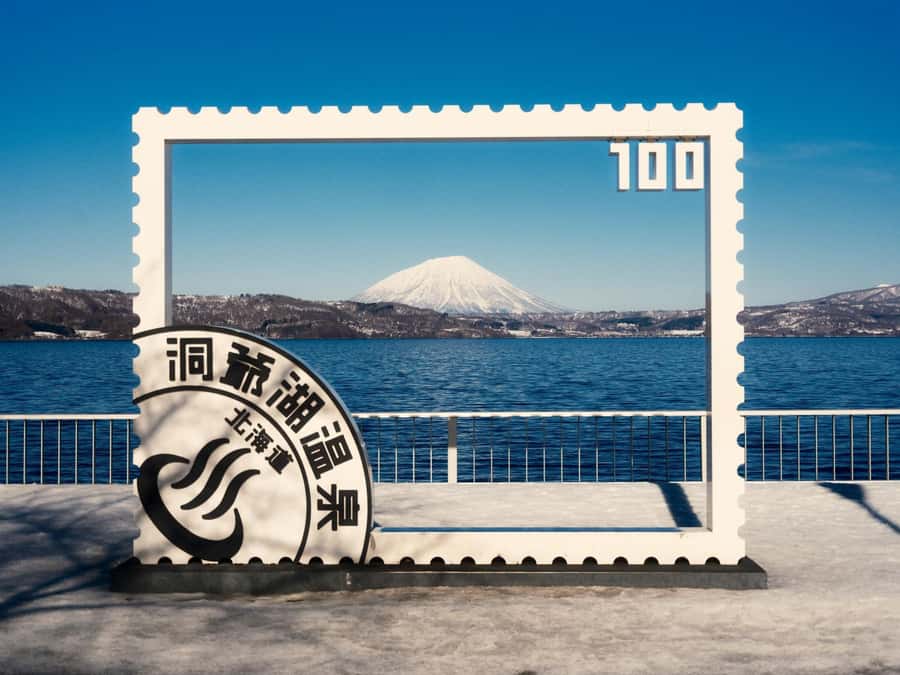
Steam rises from the sulfurous ground at Noboribetsu Hell Valley, while Lake Toya opens into broad mountain views later in the day. I like that this tour fits several of Hokkaido’s best-known sights into one outing, and I like the chance to see very different scenery in one day, from volcanic vents to a deep, clear lake. The $66 price is fair for transport and a guide, but you will pay separately for lunch and some admissions.
In This Article
- Key points at a glance
- One long day from Sapporo
- Noboribetsu Hell Valley and its sulfur air
- Cape Chikyu above the Pacific
- Showa Shinzan and the bear farm choice
- Lake Toya Onsen Town at lunchtime
- Silo Observatory and the winter route
- Lake Shikotsu, Japan’s northern lake that stays open
- Shopping, commentary, and the bus time
- What to bring and who should book
- Is the $66 price worth it?
- Should you book this Hokkaido day tour?
- FAQ
- What is included in the Sapporo day tour?
- How much does the tour cost?
- Is lunch included?
- Are the bear farm and Usuzan Ropeway included?
- Which places does the tour visit?
- What should I bring?
- Is the tour suitable for everyone?
- Can I cancel for a full refund?
The trade-off is time. The route covers a large part of southwestern Hokkaido, so expect a long day with plenty of bus travel and short stops. English service is offered, and guides such as Lisa have been praised for kindness and clear instructions, but some departures may give more commentary in another language.
Key points at a glance
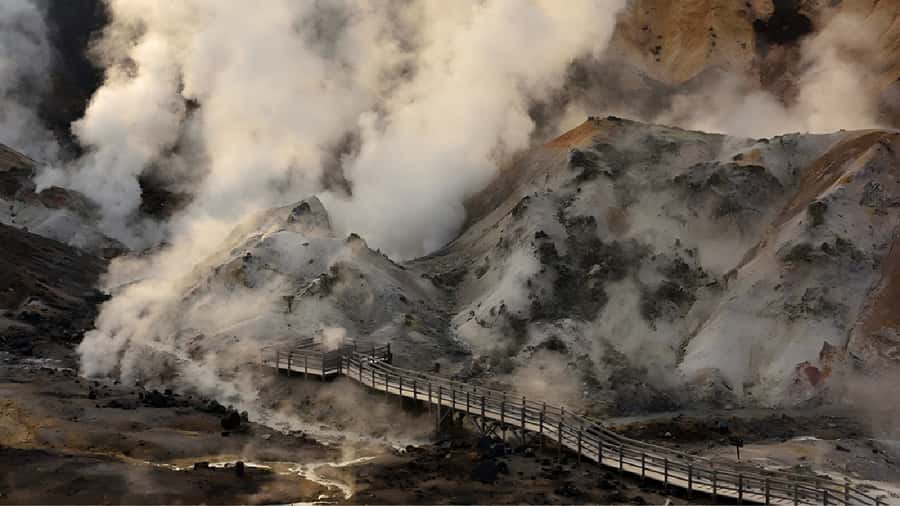
- Hell Valley’s sulfur vents: Walk marked paths beside steaming ground in one of Hokkaido’s most dramatic volcanic areas.
- Lake Toya lunch break: Enjoy free time in Toya Onsen Town, with local food, lakeside walking, and free foot baths.
- Showa Shinzan Bear Farm: See around 100 Hokkaido brown bears, with feeding available at an extra cost.
- Seasonal route changes: Depending on the date, the day may include Cape Chikyu, Lake Shikotsu, Silo Observatory, Nakayama Pass, or Mitsui Outlet Park.
- A full day for $66: Bus transport and a guide are included, while lunch, ropeway rides, and bear-farm admission cost extra.
- Best for first-time visitors: You get a broad introduction to southwestern Hokkaido without arranging several trains, buses, and tickets yourself.
One long day from Sapporo
This is a sightseeing circuit rather than a slow country outing. You board a tour bus in Sapporo and spend the day moving between Hokkaido’s volcanic sites, lakes, viewpoints, and resort towns.
That structure works well if you have only a short stay in Sapporo. Instead of choosing between Noboribetsu and Lake Toya, you see both, plus several other stops. The price includes the bus and guide, which removes the work of piecing together regional transport.
The cost is attractive at $66 per person, especially for the amount of ground covered. Still, think of it as a transport-and-overview day, not a private tour with long walks at every stop. Several people have found the schedule well managed and packed with sights, while others felt that the stops were too brief.
Your guide may speak English or Japanese. Lisa has been singled out for being friendly, attentive, and good at giving clear directions. The quality of English explanation can vary by departure, so book this mainly for the route and convenience, not for a detailed lecture at every site.
Our other Chitose reviews may also help you decide

Noboribetsu Hell Valley and its sulfur air
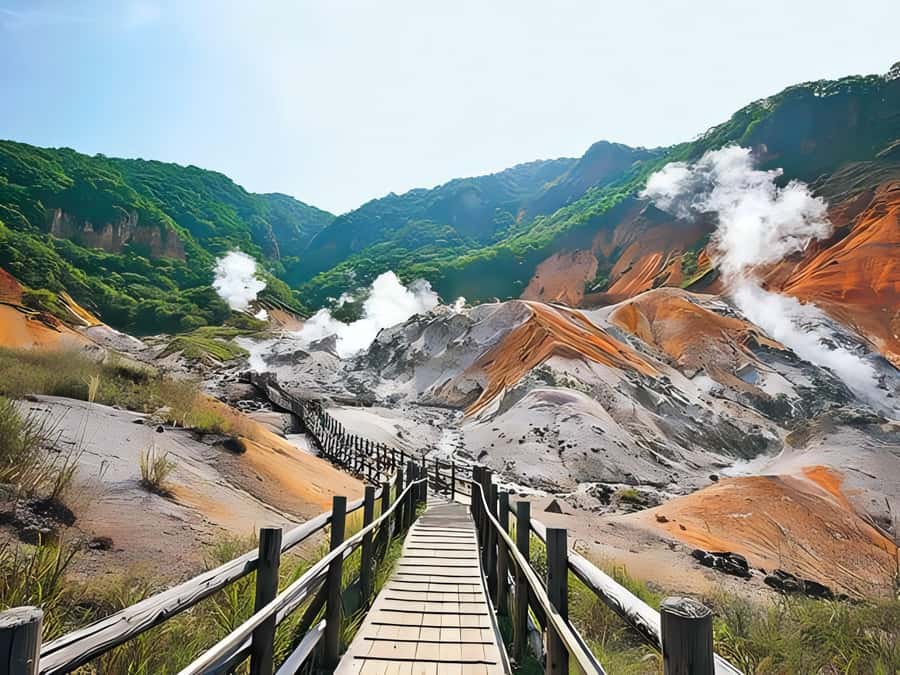
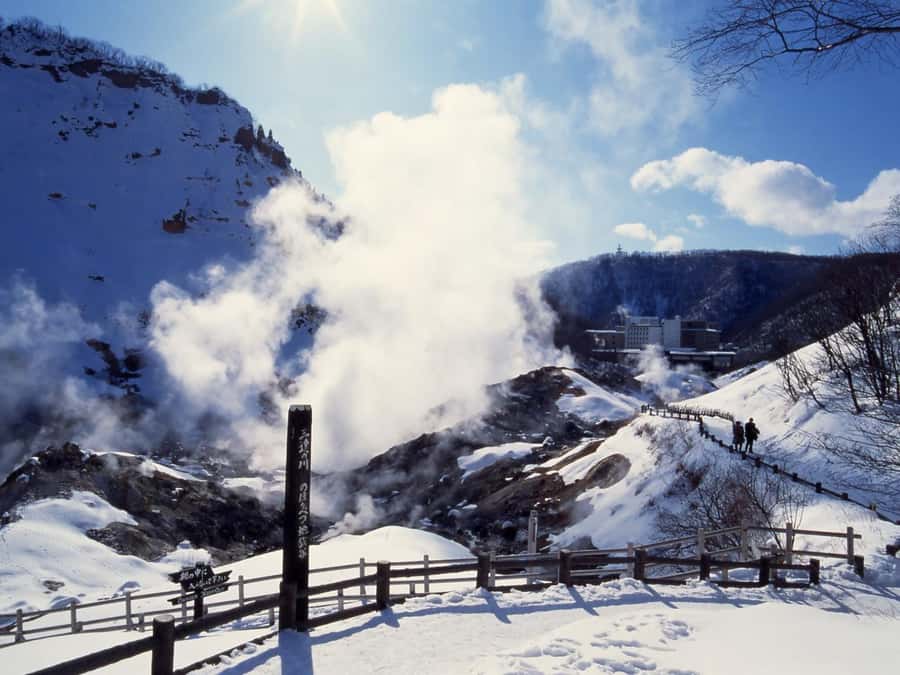
Hell Valley, or Jigokudani, is the strongest opening stop. This volcanic crater was formed by geothermal activity, and the ground still gives off steam through vents and pools.
You walk on maintained paths and get close to the source of Noboribetsu’s hot-spring water. The smell of sulfur is strong, and the gray, steaming terrain feels far removed from the tidy streets of Sapporo. It is a place where geology is not hidden behind a museum display. You can see and smell it working beneath your feet.
Allow yourself to look beyond the obvious photo. Steam shifts with the air, and the rough volcanic ground gives the stop a stark character. Comfortable shoes matter here, especially in winter when paths may be cold or slippery.
The limitation is time. This is a popular attraction, and the tour does not give you a full day to explore every trail around Noboribetsu. You will get a clear taste of the area and its geothermal power, but independent visitors with more time can walk farther and visit more of the hot-spring resort.
Cape Chikyu above the Pacific
Cape Chikyu gives the day a different mood. Instead of volcanic steam and sulfur, you get an open view from a cliff above the Pacific Ocean.
The cape sits about 131 meters above sea level. Its white lighthouse sends light as far as 44 kilometers, and the point is also used by peregrine falcons and migrating bird species. The name Chikyu comes from an Ainu word meaning cliff, a small detail that adds local context to the viewpoint.
This stop suits anyone who likes wide horizons and quick photo opportunities. On a clear day, the ocean view is the reason to be here. The height and exposed setting also make it feel quite different from Lake Toya’s enclosed mountain scenery.
Cape Chikyu is not included in every version of the day. Seasonal conditions and route planning can change the stops, so check the exact schedule attached to your booking. Some winter descriptions instead emphasize Nakayama Pass, Silo Observatory, Toya Onsen Town, and Lake Shikotsu.
Showa Shinzan and the bear farm choice

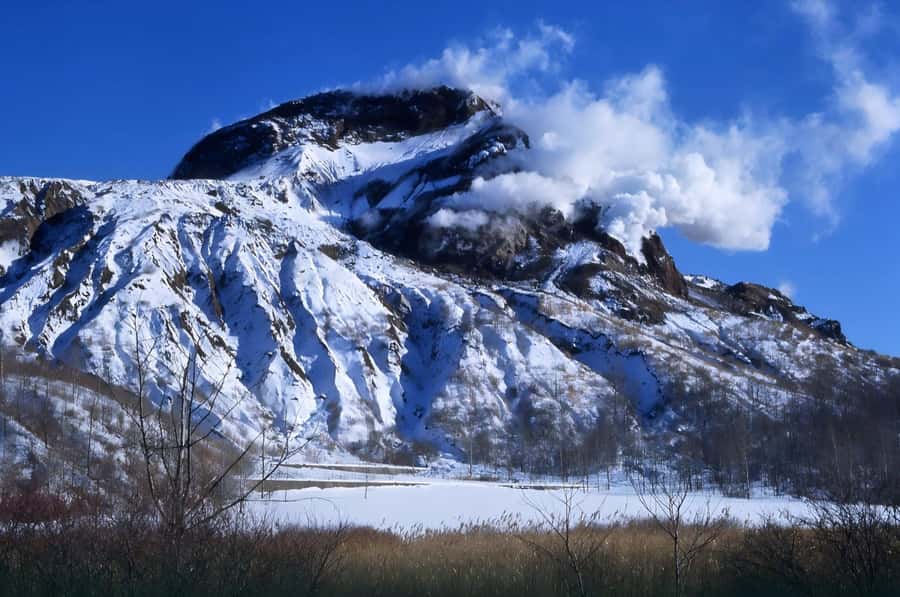
Showa Shinzan is a young volcanic mountain near Lake Toya. The stop combines dramatic volcanic scenery with a visit to the Showa Shinzan Bear Farm, where around 100 Hokkaido brown bears are kept.
You can watch the bears and, if you choose, feed them. Their size is impressive, and their behavior can be surprisingly funny as they reach or wait for food. This is likely to be a hit with children, and adults who enjoy wildlife photography may also find it memorable.
The admission ticket is not included. The same applies to the Usuzan Ropeway, which may be offered as an additional activity in the area. Bring cash, since the tour information specifically recommends it for extra costs and purchases.
I would also approach this stop with clear expectations. The bear facility is a captive-animal attraction, not a walk through open habitat. One account described the enclosures as narrow concrete spaces and found the experience uncomfortable. If animal welfare is a major concern for you, skip the bear-farm ticket and use the time for the surrounding volcanic views, if the schedule allows.
Lake Toya Onsen Town at lunchtime
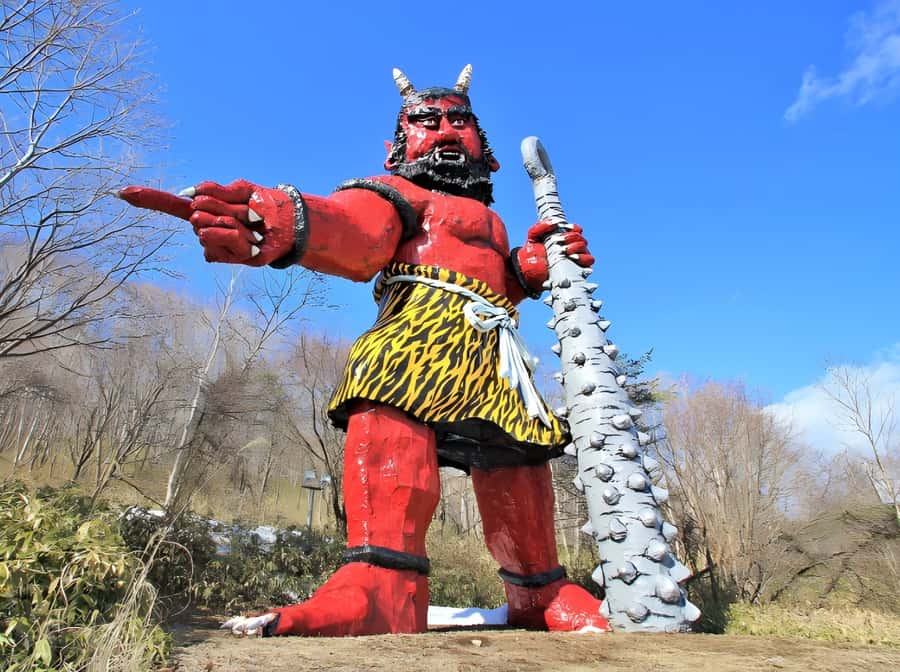
Lake Toya Onsen Town is the day’s most useful pause. You get free time for lunch, and the resort has several places serving Hokkaido specialties.
This is where you can break away from the bus rhythm. Choose a meal, take a short walk beside the lake, or use one of the free lakeside foot baths. In winter, the warm water is especially welcome after time outdoors. You do not need to pay for the foot baths, but lunch is your responsibility.
The lake itself is calm and spacious, with crisp air and mountain scenery around the water. I like this stop because it gives you a little control over the day. The rest of the tour follows a set route, while lunch lets you decide whether food, a foot bath, or a lakeside stroll matters most.
Do not expect a long restaurant stop. Free time is limited, and the town can be busy when several buses arrive. If you want a relaxed meal, keep an eye on the meeting time and avoid wandering too far from the agreed return point.



Silo Observatory and the winter route
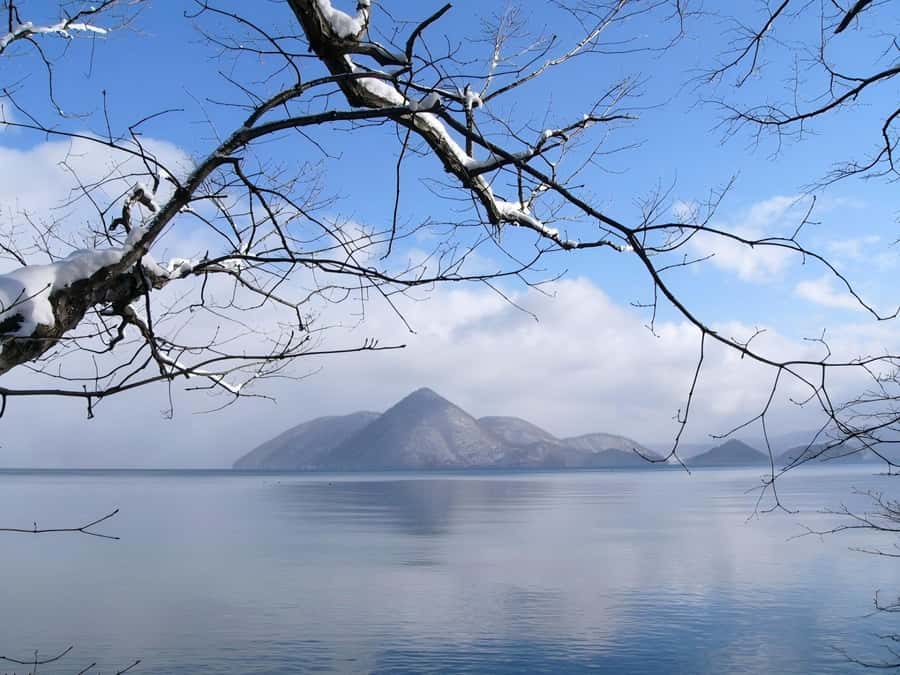
Silo Observatory is another key viewpoint on Lake Toya. From here, the lake is presented as a broad sweep of blue or winter gray, surrounded by Hokkaido’s volcanic mountains.
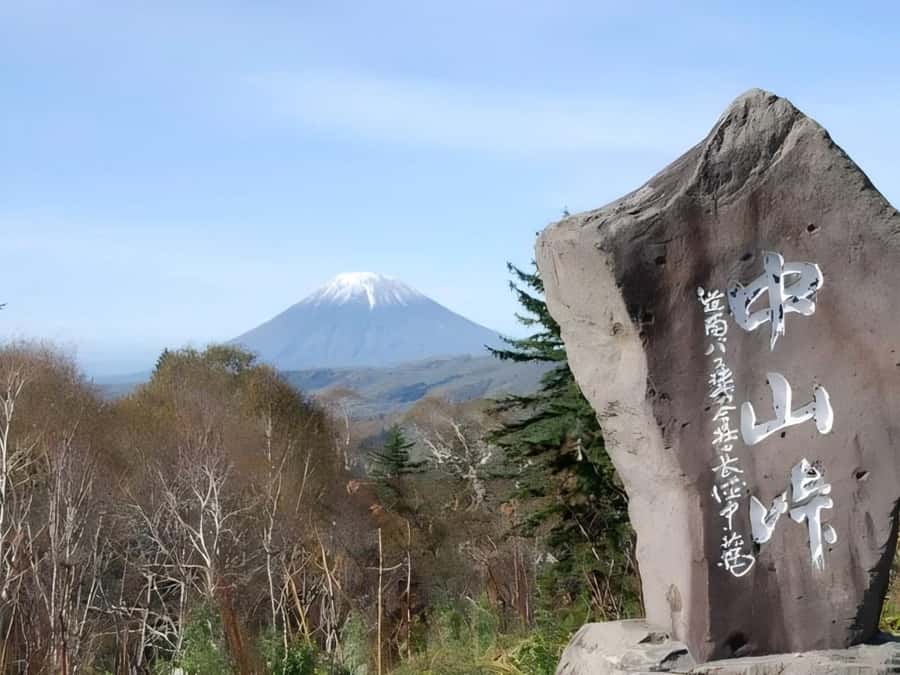
The view is one of the best reasons to accept a bus tour’s brisk pace. You get a clear sense of the region’s scale without needing a long hike. In winter, the route may pass through snowy Nakayama Pass, adding mountain scenery before or after the lake stops.
The published route details include more than one seasonal pattern. One version lists Cape Chikyu and Lake Shikotsu, while the winter plan highlights Silo Observatory, Showa Shinzan, Toya Onsen Town, Noboribetsu Hell Valley, and shopping at Mitsui Outlet Park Kitahiroshima. Treat the route as seasonal rather than fixed.
This matters when you book. If one particular place is your priority, confirm whether it is included on your departure date. The tour’s strength is variety, but variety also means you may not get every listed sight in the same form throughout the year.
Lake Shikotsu, Japan’s northern lake that stays open
Lake Shikotsu is part of Shikotsu-Toya National Park and gives the tour a quieter final scenic stop when it is on the schedule.
The lake reaches an average depth of 265 meters and is Japan’s second-deepest lake. It is also the northernmost lake in Japan that does not freeze in winter. That depth and moving water help explain why it remains open even when Hokkaido is covered in snow.
The view changes with the seasons. Summer brings migratory birds, making the area useful for birdwatching. Autumn brings strong color around the shore, and sunsets can be excellent for photographs. Winter offers a sharper contrast between dark water, snow, and open sky.
As with Cape Chikyu, Lake Shikotsu is not guaranteed on every route description. If it appears on your schedule, expect a scenic stop rather than a long nature walk. The tour is designed to give you a look at the lake, not a full national-park outing.
Shopping, commentary, and the bus time
Some winter departures finish with shopping at Mitsui Outlet Park Kitahiroshima. This can be useful if you want branded goods or souvenirs, but it will not appeal to everyone. One of the weaker aspects of the day is the amount of promotional talk about local products and shopping at certain stops.
The bus time is unavoidable. The sights are spread across Hokkaido, and the distance between Sapporo, Noboribetsu, Lake Toya, and the other stops adds up. Use the ride as recovery time, but do not book this if you dislike organized sightseeing or want to linger in one place.
The schedule has received both praise and criticism. A well-run day can feel impressively efficient, with clear instructions and little confusion. The same tight schedule can also make each stop feel like get off, take photos, and get back on. That is the central decision: do you value range or depth?
What to bring and who should book
Wear comfortable shoes and practical clothing. You will move between the bus, viewpoints, volcanic paths, lakeside areas, and possibly snowy ground. Bring cash for admissions, food, feeding the bears, and purchases.
Smoking is not allowed in the vehicle. Alcohol, drugs, and food or drinks are also prohibited onboard, so plan to eat during the proper breaks rather than treating the bus as a picnic spot.
This tour suits you if:
- You have limited time in Sapporo.
- You want to see Lake Toya and Noboribetsu without arranging regional transport.
- You enjoy viewpoints, short walks, and a packed sightseeing schedule.
- You are comfortable paying extra for lunch and optional attractions.
- You want English or Japanese tour support, with the understanding that commentary may be brief.
It is a poor match if you want long visits, quiet independent exploration, or a detailed guide talk at every stop. It is also not suitable for pregnant women, people over 75, or babies under one year old according to the tour conditions.
Is the $66 price worth it?
For $66, the tour offers solid transport value. A private trip covering this much territory would cost far more, while arranging buses and trains independently takes time and requires careful connections.
The price is not all-inclusive. Lunch, the Usuzan Ropeway, and Showa Shinzan Bear Farm admission are separate. You may also want money for shopping, so budget beyond the headline fare.
I would call it good value for a first look at southwestern Hokkaido. You pay with time and flexibility: the bus handles the distances, but you accept short visits and a fixed timetable. The overall rating of 4.1 from 88 ratings fits that balance. The scenery and planning can make a very good day, while the guiding style and rushed stops may lower the experience for some people.
Should you book this Hokkaido day tour?
Book it if you have one free day, want a broad sample of Hokkaido, and prefer someone else to handle the driving and route. Hell Valley, Lake Toya, Showa Shinzan, and the seasonal lake or cape stops give you a lot for one fare.
Before paying, check which version of the route operates on your date. If you need a slow lunch, extensive walks, or a wildlife experience that feels natural, choose another plan. If you accept a long bus day and treat the tour as an efficient introduction rather than a deep visit, it is a sensible way to get beyond Sapporo.
Cancellation is available up to 24 hours before departure for a full refund, and you can reserve now and pay later. Arrive at the stated meeting point on time, since the guide will not contact you in advance.
FAQ
What is included in the Sapporo day tour?
The tour includes bus transportation and a guide. English and Japanese service are offered.
How much does the tour cost?
The listed price is $66 per person.
Is lunch included?
No. You have free time for lunch in Lake Toya Hot Spring Town, but you pay for your own meal.
Are the bear farm and Usuzan Ropeway included?
No. Admission to Showa Shinzan Bear Farm and the Usuzan Ropeway is not included.
Which places does the tour visit?
The route includes Noboribetsu Hell Valley, Showa Shinzan, and Lake Toya. Depending on the season and departure plan, it may also include Cape Chikyu, Lake Shikotsu, Silo Observatory, Nakayama Pass, and Mitsui Outlet Park Kitahiroshima.
What should I bring?
Bring comfortable shoes, comfortable clothing, and cash.
Is the tour suitable for everyone?
The tour is not suitable for pregnant women, people over 75, or babies under one year old.
Can I cancel for a full refund?
Yes. You can cancel up to 24 hours in advance for a full refund.
More Tours in Chitose
More Tour Reviews in Chitose
More Noboribetsu & Lake Toya Tours in Chitose
Other Chitose tours worth your shortlist






Noboribetsu & Lake Toya Tours, side by side.
 ★ 4.7Hokkaido Seasonal: Lake Toya & Noboribetsu Jigokudani ValleyFrom $55173 reviews
 ★ 5.0[Departure from Sapporo] Noboribetsu Jigokudani, Lake Toya, Cape Chikyu by private carFrom $404.1637 reviews
 ★ 4.5Lake Toya, Bear Ranch and Sapporo Otaru Full Day TourFrom $85.6633 reviews
 ★ 4.4Hokkaido│Noboribetsu & Lake Toya Tour with Ropeway TicketFrom $6132 reviews
The lists this tour appears in