
Hoheikyo Dam and Hoheikyo Onsen make a fine one-day escape from Sapporo, especially in October when the mountains turn red, orange, and gold. The best part is the contrast: first you look across a turquoise reservoir from a 102.5-meter dam, then you sit in a hot spring surrounded by quiet woodland.
In This Article
- Key points to know before you book
- Why Hoheikyo Dam works so well in autumn
- Walking the dam’s crest and lakeshore
- What the long day from Sapporo really involves
- Hoheikyo Onsen and the giant rotenburo
- Is $170 a fair price?
- Who will enjoy this outing most
- Practical ways to make the day better
- Should you book the Hoheikyo Dam and Onsen tour?
- FAQ
- Where does the tour meet in Sapporo?
- How long does the tour last?
- Is transportation included?
- Is the tour conducted in English?
- Is lunch included?
- When is the best time to see autumn colors?
- What is Hoheikyo Dam like?
- What does the onsen admission include?
- Are tattoos allowed at Hoheikyo Onsen?
- Is the tour suitable for people with limited mobility?
I like the easy walking paths and the way the tour combines scenery with a genuinely Japanese bath experience. I also like that transport, the English-speaking guide, onsen admission, and a towel set are covered in the price. The main drawback is the long day, with about four hours of public transport and plenty of walking, plus lunch and drinks are your responsibility.
Key points to know before you book

- October brings the strongest colors: Mid-September through late October is the recommended period, with October usually offering the best autumn display.
- The dam has a big visual payoff: From the observation platform and crest, you can see the high wall, calm reservoir, and wooded Toyohira River valley.
- The walking is manageable: Paved routes include the Dam Loop Trail and Dam Crest Walk, with forest paths and lakeshore views.
- The onsen is the real treat: Hoheikyo Onsen has a 100% natural spring and one of Hokkaido’s largest outdoor baths.
- Budget for lunch: Food, snacks, drinks, and bottled water are not included.
- Tattoos are a firm issue: Visible tattoos are not permitted at Hoheikyo Onsen, and bathing etiquette is required.
Why Hoheikyo Dam works so well in autumn

Hoheikyo Dam is about more than a concrete wall. It sits in the Toyohira River valley, southwest of Sapporo and near the Jozankei Onsen area, at the entrance to Shikotsu-Toya National Park. The setting gives you a quick change from city streets to mountain scenery.
The dam is arch shaped, 102.5 meters high, and 305 meters long. It was completed in 1972 to help control floods and supply hydroelectric power to Sapporo, now Japan’s fifth-largest city. That practical purpose matters because the dam is still part of the region’s working infrastructure, not simply a viewpoint built for sightseeing.
The reservoir behind it is a calm turquoise lake. On a clear autumn day, the water reflects the surrounding mountains, while the dam wall provides a stark geometric counterpoint. I like that you can appreciate both views at once: one looking into nature, the other looking at a piece of major public engineering.
Autumn is the most photogenic season here. Reds, oranges, and golds cover the mountainsides, and the observation platform gives you a broad view rather than a single close-up tree. Bring a phone or camera, but do not spend the entire visit staring through it. The color is best appreciated as a wide scene, with the lake below and wooded slopes rising around it.
The timing is worth taking seriously. The recommended window runs from mid-September through late October, with October especially appealing. Exact color timing depends on weather, so check the forecast before leaving Sapporo and bring rain gear if needed.
Our other Sapporo reviews may also help you decide


Walking the dam’s crest and lakeshore
The walking portion is one of the more practical features of this outing. The Dam Loop Trail and Dam Crest Walk use easy paved paths toward the dam, reservoir, and nearby forest. They are suitable for all ages and appropriate for people with limited mobility, according to the tour information.
That does not mean you should treat the day as effortless. You will spend time on foot at several points, and the full tour lasts 570 minutes, or nine and a half hours. Good walking shoes are a smart choice. The paths are easy, but comfort matters more after a long ride and before an onsen visit.
The dam crest gives you a different view from the observation platform. From above, you can better understand the scale of the structure and look across the water toward the wooded slopes. The forest paths offer a quieter pace, with less concrete and more of the natural setting.
I would plan to pause rather than rush from viewpoint to viewpoint. The itinerary allows time for a guided visit, photographs, lunch, and free time around the dam area. Since lunch is not included, this is also your chance to eat, though you need to handle the cost and choice of food yourself.
In spring and summer, the area shifts to green foliage and wildflowers. Winter brings snow and quiet, but access can be limited during heavy snowfall. If your goal is autumn color, do not settle for a general year-round visit. Aim for the fall window and keep your expectations flexible if the weather changes the view.
What the long day from Sapporo really involves

The meeting point is Myomu, the circular white stone structure just outside Sapporo Station. After passing through the main JR gates, turn left toward the South Exits, marked 南出口. The guide will be in front of the structure with a Snow Monkey Resorts tour tag, and you are asked to arrive at 9 a.m.
That meeting point is useful, but allow yourself enough time to find it inside the station. Sapporo Station is large, and arriving early is better than trying to navigate the South Exit while watching the clock.
The schedule includes roughly two hours of public transport at the start. That is a considerable part of the day, but it is the tradeoff for reaching a mountain setting without arranging your own route. The guide handles the transportation connections and keeps the day organized in English.
After the first ride, you have about an hour and a half for a mix of guided sightseeing, photographs, lunch, and free time. Then comes another hour for sightseeing and walking, followed by about an hour of transport to Hoheikyo Onsen. After the bath, the return journey takes about two hours.
This is not a quick half-day stop. I would choose it when you want a full day outside Sapporo and do not mind being on public transport. It is less suitable if you prefer a loose schedule, dislike long rides, or want to visit several unrelated city sights on the same day.
Pack light, but bring the useful things: seasonal clothing, an umbrella or raincoat, water, sunglasses, and a hat for sun protection. In summer or autumn, insect repellent may help. Fresh underwear for after the bath is also a sensible touch.
Hoheikyo Onsen and the giant rotenburo
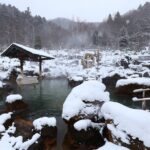
The second major stop changes the mood completely. Hoheikyo Onsen is a place to slow down after the dam walk, not another lookout to race through. Its water is 100% natural, and the onsen is known for a very large rotenburo, or outdoor bath.
The bath area is surrounded by Hokkaido nature, so the setting is a major part of the experience. Autumn foliage makes the strongest visual impression, but the bath is open as a year-round attraction, with different scenery in each season. You can expect gender-separated indoor and outdoor bathing areas with modern comforts.
The water is described as gentle on the skin and suitable for all ages. It is also associated with helping blood circulation and easing muscle and joint pain. You should still think of the bath as relaxation rather than medical treatment, but it makes good sense after several hours of walking and sitting on transport.
For many people, this will be the most memorable part of the day. The dam gives you a strong scenic stop, but the outdoor bath gives you time to actually sit inside the setting. You are no longer simply looking at Hokkaido’s mountains. You are resting in warm water with the wooded surroundings close by.
Onsen etiquette matters. Wash before entering the bath, keep towels out of the water, and follow the instructions provided at the facility. The most important restriction is clear: people with visible tattoos will not be allowed to enter Hoheikyo Onsen. This is not a minor detail to discover at the door, so check your situation before booking.
The tour includes the onsen entry fee and a towel set. That removes two small tasks from your day and adds real value to the $170 price. You still need to bring or buy your own food and drinks, and carrying bottled water is recommended for the full outing.
Is $170 a fair price?

At $170 per person, this is not the cheapest way to see an onsen near Sapporo. The value comes from what the fee bundles together: an English-speaking guide, transportation from Sapporo Station to each listed stop, the onsen admission, and a towel set.
The alternative is arranging the route yourself, working out public transport connections, checking access to Hoheikyo Dam, and reaching the bath without the benefit of an English-speaking guide. That may cost less, especially for confident planners, but it takes more time and leaves you responsible for each connection.
The tour also fills almost the entire day. If you value a guided day trip and want two distinct experiences, the price is easier to justify. The dam offers scenery and light walking, while the onsen supplies the relaxing finish. If you only want a short bath visit, the nine-and-a-half-hour schedule may feel like too much.
Remember the extra budget items. Lunch is not included, and neither are snacks, drinks, or accommodation. Bring water and plan for lunch before the day starts, so you do not spend your free time searching for something to eat.
Machinovate Japan Ltd. operates the experience and has a listed provider rating of 4.9. The tour is conducted in English, which is useful when you need help with transport or onsen customs.
Our other Sapporo reviews may also help you decide



Who will enjoy this outing most

I would recommend this day to you if you want an easy way to see autumn color outside the city without renting a car. It suits photographers, couples, families, solo visitors, and anyone who likes a scenic walk followed by a hot bath.
The paths and stops are described as wheelchair accessible and appropriate for people with limited mobility. Still, tell yourself honestly how you handle a long day. Accessibility at each location does not remove the fatigue of transport, walking, and a full schedule.
It is also a good match for first-time visitors who want a guided introduction to two parts of Hokkaido: its mountain infrastructure and its bathing culture. You get a working dam, a reservoir, forest paths, and a traditional-style natural hot spring in one organized outing.
I would hesitate if you have a visible tattoo, because the onsen restriction is absolute. I would also reconsider if you want to avoid public transport, need a leisurely lunch, or prefer to spend a whole day in central Sapporo.
Practical ways to make the day better
Check the forecast before heading to Myomu. Rain does not automatically ruin the trip, but clouds and wet paths can change the views, so carry an umbrella or raincoat and dress for the season.
Wear shoes that can handle several walking sections. The trails are easy and paved, but the day includes the Dam Loop Trail, Dam Crest Walk, forest paths, and movement between transport stops.
Carry water, especially in warmer months. A hat and sunglasses help at open viewpoints, while insect repellent may be useful in summer and autumn.
Do not forget the onsen rules. You will have a towel set included, but you still need to wash before bathing and respect the gender-separated bath arrangements. Plan to change into fresh underwear afterward if you want to feel comfortable for the long return journey.
For photos, the observation platform and dam crest are the key places to use a wide lens or panoramic setting. The lake and mountain reflections work best when you step back and include the dam structure in the frame.
Should you book the Hoheikyo Dam and Onsen tour?

Book it if autumn scenery and a natural hot spring are both high on your Hokkaido wish list. The combination is the point. You get a well-known fall-color setting, manageable walks, a large outdoor bath, and transport organized from Sapporo.
Skip it if your schedule is tight or you want a short excursion. Nine and a half hours is a serious commitment, and lunch is not included. Check the tattoo policy before paying, then reserve with confidence if the long day, public transport, and onsen customs suit you.
Free cancellation is available up to 24 hours in advance for a full refund, and you can reserve now and pay later. That is helpful when autumn weather and foliage timing are uncertain.
FAQ
Where does the tour meet in Sapporo?
Meet at Myomu, the circular white stone structure near the South Exits of Sapporo Station. After leaving the main JR gates, turn left and walk toward the South Exits. Arrive at 9 a.m.
How long does the tour last?
The tour lasts 570 minutes, or nine and a half hours.
Is transportation included?
Yes. Transportation fares from Sapporo Station to all listed destinations and back are included.
Is the tour conducted in English?
Yes. An English-speaking live guide leads the experience.
Is lunch included?
No. Lunch, snacks, and drinks are not included, so bring money or food for the day.
When is the best time to see autumn colors?
Mid-September through late October is recommended, with October highlighted as an especially attractive month.
What is Hoheikyo Dam like?
It is an arch-shaped dam measuring 102.5 meters high and 305 meters long. Its reservoir has turquoise water and mountain views, with paved walks along the dam and nearby forest.
What does the onsen admission include?
The tour includes entry to Hoheikyo Onsen and a towel set.
Are tattoos allowed at Hoheikyo Onsen?
No. Visitors with visible tattoos will not be allowed to enter the onsen.
Is the tour suitable for people with limited mobility?
All places on the tour are described as wheelchair accessible and appropriate for people with limited mobility. The day still involves a lot of walking, so comfortable preparation is important.
More Tours in Sapporo


More Tour Reviews in Sapporo


More Onsen Experiences in Sapporo
Other Sapporo tours worth your shortlist


Onsen Experiences, side by side.
 ★ 4.5Mountain Bike Tour from Sapporo Including Hoheikyo Onsen and LunchFrom $71.1635 reviews
 ★ 5.0Snowshoeing and Onsen Adventures in a Winter Wonderland -Sapporo.From $224.0230 reviews
 ★ 5.0Snowshoe Adventures and Onsen Bliss Winter Escape in FuranoFrom $78.3812 reviews
 ★ 4.5Autumn Leaves in AutumnSkiing in winterLet’s go to Hoheikyo Onsen by private car (from Sapporo)From $415.158 reviews
The lists this tour appears in