Sapporo is easiest to enjoy when someone local helps you connect the dots. This private tour lets you shape the day around your interests, then adds a few corners you might miss on your own. You could walk through Odori Park, visit a shrine, hunt down excellent ramen, or see a side of town that rarely makes a standard sightseeing plan.
In This Article
- Key points at a glance
- Why a local-led Sapporo walk makes sense
- Starting at JR Sapporo Station
- Building your own route through Sapporo
- Odori Park and Sapporo’s central pulse
- Shrines, gardens, and the city’s quieter side
- Mount Okura Ski Jump and Olympic Sapporo
- Ramen Alley, seafood, and kaisen-don
- Markets and everyday neighborhoods
- How much time should you book?
- What the $67 price really covers
- Who should book this Sapporo experience?
- Should you book it?
- FAQ
- How much does the Sapporo custom tour cost?
- How long does the tour last?
- Is the itinerary private and personalized?
- Where does the tour start?
- Can the host meet me at my hotel?
- What languages are available?
- Are transportation costs included?
- Can I change the itinerary during the tour?
I like the flexible route and the useful local advice for the rest of your Hokkaido stay. I also like the one-to-one format, which means you can slow down for photos, change plans, or ask for a better ramen stop. The main catch is that transport, food, and attraction tickets cost extra, so the $67 price is only the guide fee.
Key points at a glance
- Your interests shape the route: Choose food, parks, shrines, history, neighborhoods, winter sports, or a mix.
- A private host keeps the pace relaxed: You can change your mind during the tour instead of following a fixed timetable.
- Sapporo’s major sights can mix with local stops: Odori Park, Hokkaido Shrine, Mount Okura Ski Jump, markets, and neighborhood streets are all possible choices.
- Food can be a major part of the outing: Ask about miso ramen, Ramen Alley, fresh seafood, and kaisen-don.
- The tour is useful early in your stay: Your host can point you toward places to eat and things to do later.
- The meeting point is simple: Start at the tourist information center in JR Sapporo Station, or request a central hotel pickup.
Why a local-led Sapporo walk makes sense
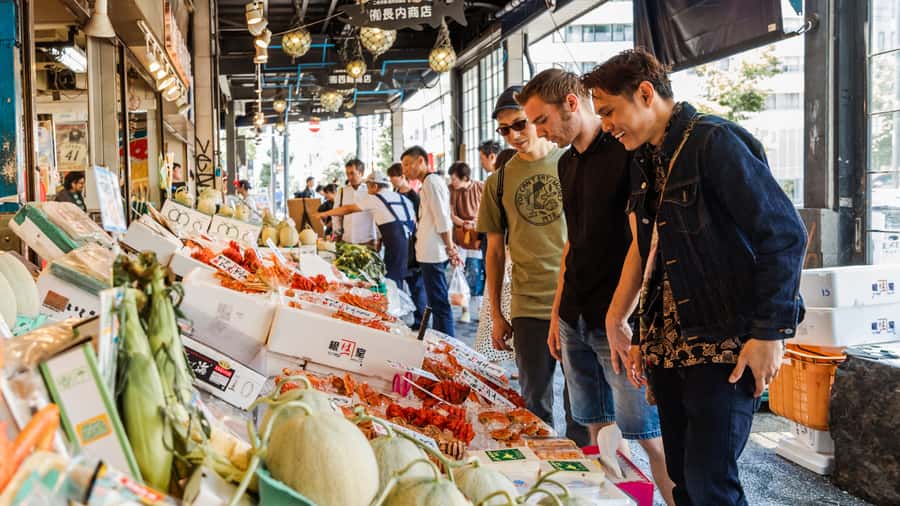
Sapporo is a young city by Japanese standards, but it is not short on things to see. Its wide streets, parks, shrines, food districts, beer culture, and Winter Olympics landmarks spread across a large urban area. A standard sightseeing list can tell you what exists, but it may not help you decide what fits your time and interests.
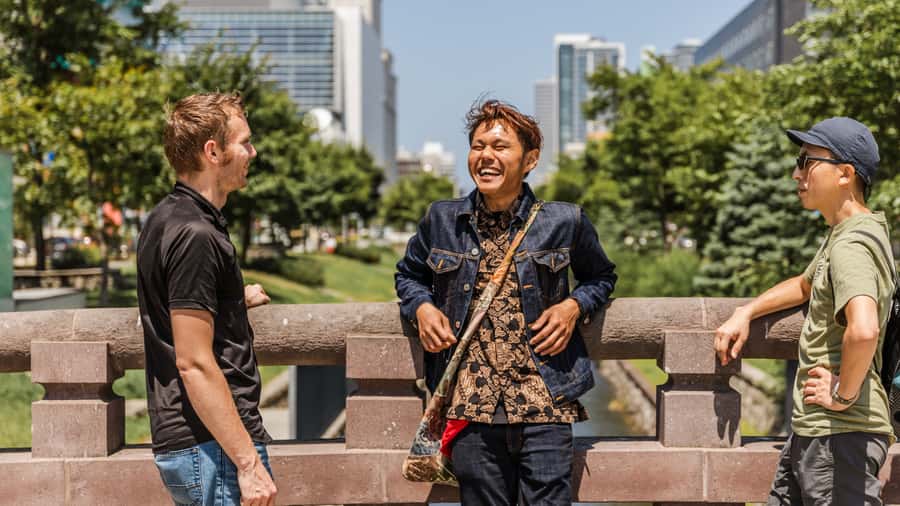
That is where this experience earns its keep. You tell the host what sounds good, and the host builds a walk around it. You might want a first look at the city, a food-focused outing, a visit to sacred sites, or a route through neighborhoods that feel more like everyday Sapporo than a checklist of famous sights.
The format also works well if you arrive with an untidy wish list. You can ask for parks, local food, history, markets, or Olympic sites, then let your host make practical choices based on the weather and the time available.
The strongest part is the personal pace. You are not being pushed from one stop to the next with a large group. If you find a street or café worth a closer look, you can adjust the route. If the weather turns poor, your host can suggest another plan.
We have reviewed more tours and experiences across Sapporo; these are worth comparing before you book.


Starting at JR Sapporo Station
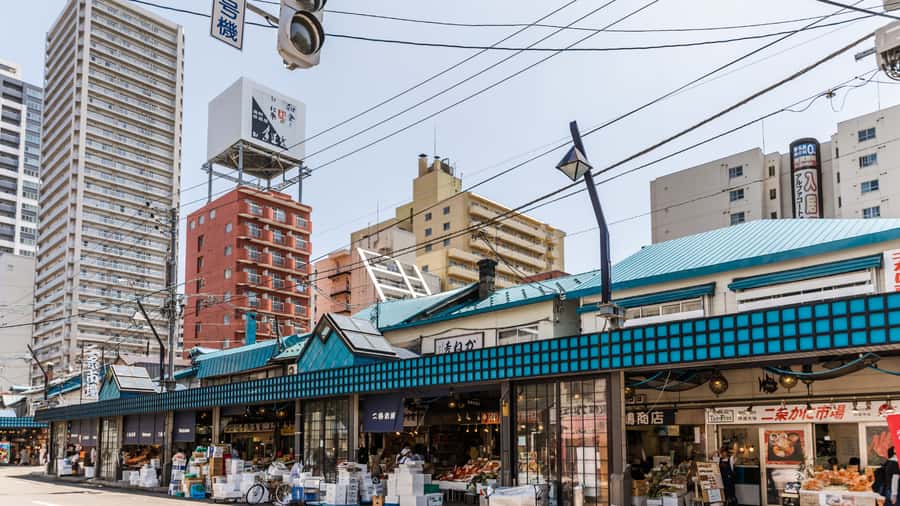
The usual meeting point is in front of the tourist information center inside JR Sapporo Station. That is a sensible place to begin, especially if you have just arrived by train and want to get your bearings before exploring.
A central hotel meetup is available on request, provided your hotel is in a central location. Confirm this before the day of the tour, since the standard meeting point remains the station.
Your host contacts you within 24 hours of booking to ask about your personality and interests. Take that message seriously. The more specific you are, the more useful the day is likely to be.
Tell your host if you care most about:
- Sapporo food and beer
- Shrines and local customs
- Parks and gardens
- The Winter Olympics
- Markets and seafood
- Architecture and city neighborhoods
- A gentle introduction to Sapporo
- Finding places for the rest of your Hokkaido trip
The host may be Shiunn, Ryo, Ryuki, or another English- or Japanese-speaking local. Specific host assignments can vary, so do not book on the assumption that one named guide will definitely lead your tour.
Building your own route through Sapporo
The experience is sold in 2, 4, 6, or 8-hour versions. That range matters. A two-hour walk is best for a quick introduction near central Sapporo. A longer option gives you time to combine city sights with food, a market, a shrine, or a place farther from the center.
You should not expect every possible sight in one outing. Sapporo covers a lot of ground, and the tour is built around selected areas rather than a grand sweep of the whole city.
For a short booking, I would choose one clear theme. Odori Park and nearby city sights make sense for a first look. Food fans could focus on ramen and seafood. If you have more time, you can combine central streets with one larger target such as Hokkaido Shrine or Mount Okura Ski Jump.
The flexible plan is useful, but it also means you need to communicate. If you simply say you want to see everything, you may end up with a less focused day. Give your host a short priority list and let the route take shape from there.
Odori Park and Sapporo’s central pulse
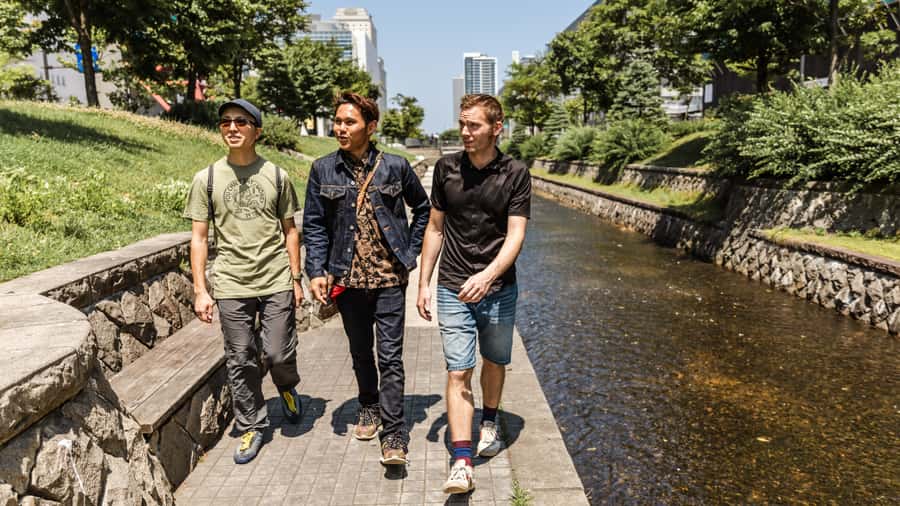
Odori Park is one of the most natural places to include in a first Sapporo walk. It gives you open space in the middle of the city and helps explain the city’s broad, orderly layout.
The park is also tied to Sapporo’s annual festivals, so your host can add context about how the city uses this central strip throughout the year. It is not just a patch of grass to cross on the way to another attraction. It is a useful place to pause, look around, and understand how the city is arranged.
From here, your host can steer you toward neon-lit districts, food stops, or less polished streets that show daily life. That contrast is part of the appeal. You get a familiar landmark, then a chance to see what lies beyond the standard photo stop.
Do not expect Odori Park alone to fill several hours. Its value is as an anchor for a wider route. Pair it with nearby food, shopping, architecture, or neighborhood walking rather than treating it as the entire program.
Shrines, gardens, and the city’s quieter side
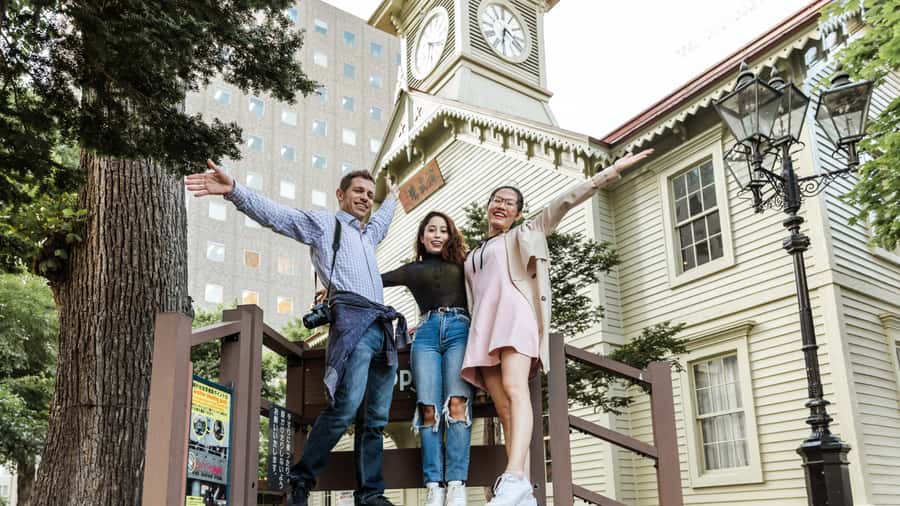
Hokkaido Shrine is one of the possible major stops. It offers a change of mood from Sapporo’s central streets, with a chance to see a sacred place and learn about local customs.
The description of the tour does not guarantee that Hokkaido Shrine will be included. Ask for it when your host gets in touch if it is high on your list. The same applies to gardens and other green spaces. Sapporo is known for parks and gardens, but your host needs to know which type of stop appeals to you.
This is a good part of the tour for travelers who want more than shopping and food. Your host can explain what you are seeing and help you approach a shrine respectfully. You will get more from the visit if you ask questions rather than rushing in for a quick picture.
A shrine visit may not suit a traveler who wants nonstop city action. That is not a flaw in the stop, just a matter of matching the route to your style. Tell your host if you prefer quiet cultural sites or crowded central streets.


Mount Okura Ski Jump and Olympic Sapporo
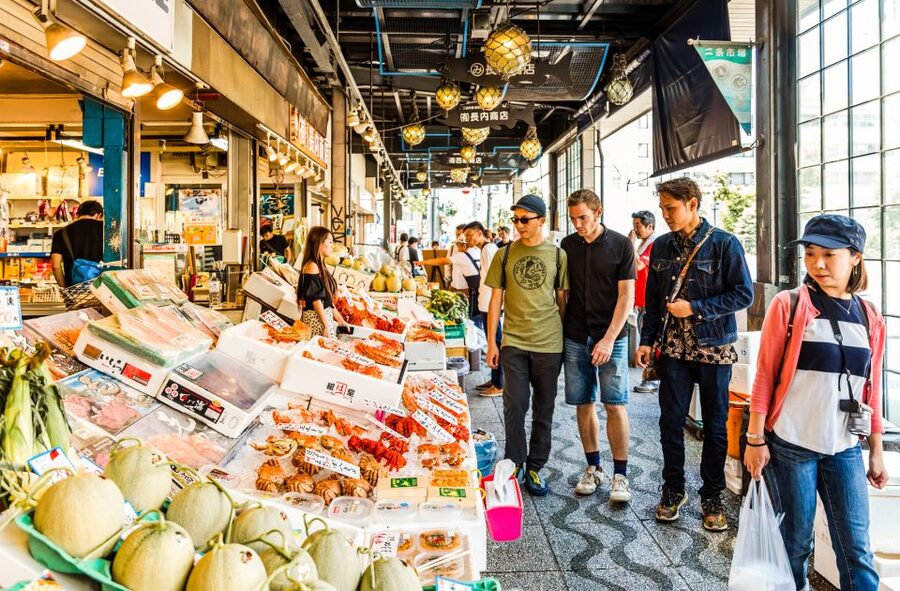
Mount Okura Ski Jump is another possible stop, especially for anyone interested in the 1972 Winter Olympics and Sapporo’s connection to winter sports.
The attraction gives the tour a different angle. Instead of focusing only on food or old religious sites, you can see a landmark tied to modern Sapporo and its place on the international sports map. It also shows how the city’s setting and climate shape its identity.
The practical issue is time and transport. This is not the sort of stop you should casually add to a short central walk without asking how it fits. Transportation is not included, and the experience is mainly a walking tour. Your host can suggest public transport or a private taxi when needed, but you pay those costs separately.
For a six- or eight-hour booking, the ski jump is easier to consider. For two hours, stay closer to JR Sapporo Station unless this is your top priority.
Ramen Alley, seafood, and kaisen-don
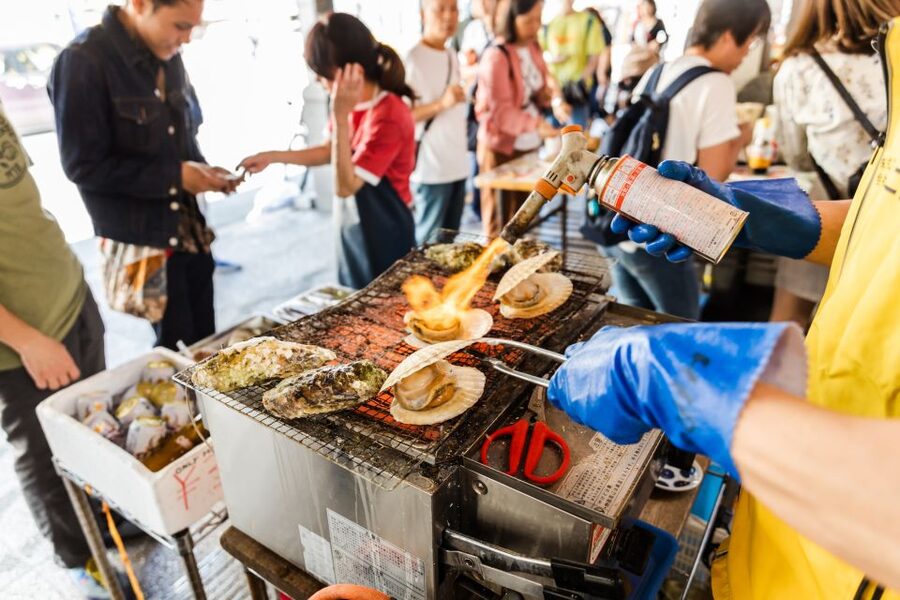
Sapporo is a fine city for a food-led tour. The local specialties listed for this experience include miso ramen, fresh seafood, and kaisen-don, raw seafood served over white rice.
Ramen Alley is a natural request for noodle fans. Sapporo is especially associated with a hearty miso-based broth, a good match for cold weather. Your host can help you choose a place and may know which ramen stop fits your taste and schedule.
I would ask for a ramen recommendation even if you do not book a food-only outing. One direct tip can save you from wandering through menus when you are hungry and unsure where to start. A five-star rating for the experience specifically praises a guide’s ramen advice, so make this question part of your preparation.
Seafood is another strong reason to use a local host. You can ask about kaisen-don and other Hokkaido dishes, then decide where to spend your own money. The tour does not include food or drinks, which is actually useful for choice: you can pick what suits your appetite and budget instead of paying for a fixed meal.
Still, budget for extras. The $67 fee does not cover the ramen bowl, seafood rice, beer, or any other tasting. If you want several food stops, the four-hour or longer options will give you more breathing room.
Markets and everyday neighborhoods
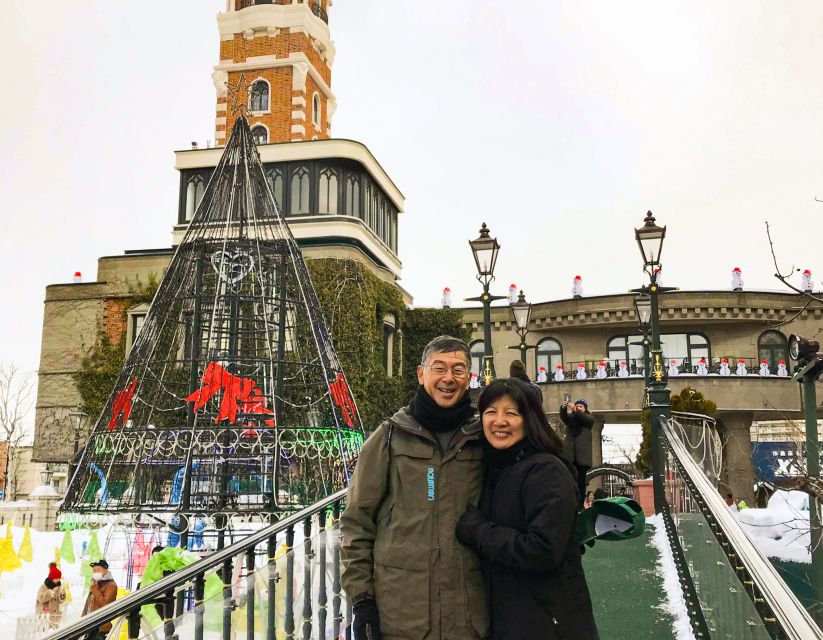
A local host can take you beyond the polished sights and into areas that give you a better feel for present-day Sapporo. One reported route included the fish market and Hokkaido University, showing how broad the experience can be when you express a few clear interests.
A market visit is useful if you want to understand Hokkaido through its produce and seafood, not only through museums and monuments. It can also be a practical place to ask questions about local dishes before ordering them later.
Hokkaido University offers a different kind of stop. Along with its campus setting, it can give your walk more variety after a market or food district. Ask your host how much time each stop needs, since a market, university, park, and meal can quickly fill a half-day.
The key benefit here is not checking off a secret address. It is having someone help you notice ordinary places and decide which ones deserve your limited vacation time. One rating specifically praises a route that avoided standard tourist stops, while another highlights the mix of the fish market and university. If that sounds like your style, explain that you prefer local neighborhoods over a packed list of landmarks.
How much time should you book?
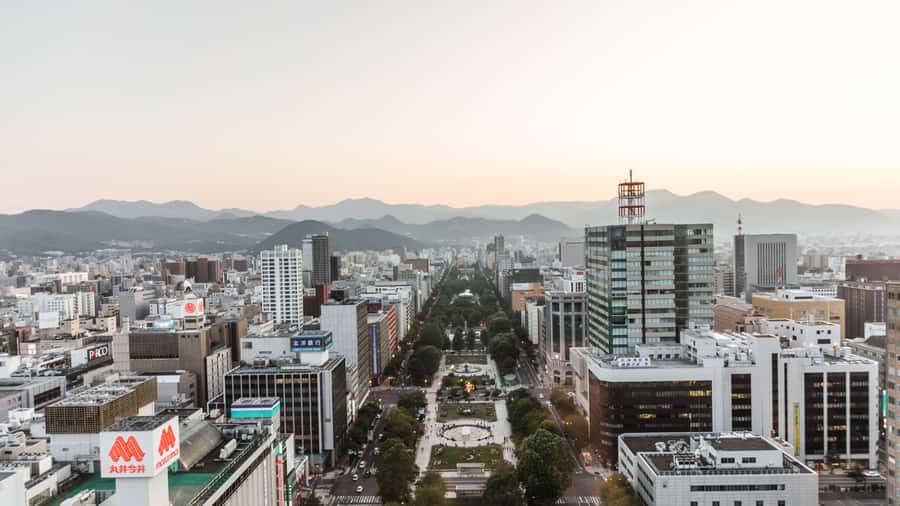
The two-hour option suits you if you want orientation, a short walk, or help with food choices near central Sapporo. It is also a good add-on for a longer trip when you mainly want local advice at the beginning.
Four hours is the most balanced choice for many people. It gives you time for a central park, a neighborhood, and one focused stop such as food, a market, or a shrine.
Six hours allows a fuller day with more pauses. You can consider attractions that need public transport and still leave time for conversation and a meal.
Eight hours is best for a full custom day, but only if you have a clear plan and the energy for extended walking. A longer booking does not mean every major Sapporo sight fits comfortably. Distances, weather, meals, and transport still shape the day.
Walking is the basic format. Wear shoes you can use for several hours and tell your host if you want a gentler pace. If the weather does not cooperate, the route can change, but you should still expect outdoor movement unless another plan is arranged.
What the $67 price really covers
At $67 per person, the price buys a private, personalized local-host experience rather than admission to a set list of attractions. That is good value if you want help making decisions, prefer conversation to a scripted lecture, and plan to use the local advice for the rest of your Hokkaido stay.
It is less compelling if you only want transport between famous sights or a formal historical tour. You will pay for transit, taxis, food, drinks, and tickets on top of the guide fee.
The private format improves the value for couples, families, and small groups with different interests. You can ask for changes without worrying about a busload of strangers. Solo travelers may also appreciate the ease of having a local companion, though the price is still charged per person.
The 4.9 score from 21 ratings supports the idea that the personal approach works well. The strongest praise centers on kind hosts, flexible pacing, and routes shaped around individual interests. Those are exactly the features to value here. You are paying for judgment and local conversation, not for a fixed collection of expensive sights.
Who should book this Sapporo experience?
I would choose this tour if you are visiting Sapporo for the first time and want a useful introduction without being pushed through a rigid schedule. It also suits repeat visitors who have seen the main sights and want help finding another side of the city.
Food lovers should book it early in their stay and ask for ramen, seafood, and kaisen-don advice. People interested in Japanese religious sites can request Hokkaido Shrine. Winter sports fans can ask about Mount Okura Ski Jump and other Olympic-related places.
This is also a good fit for families or mixed-interest groups. One person can ask about food, another about parks, and another about local culture, then the host can find a workable balance.
I would skip it if you need a guaranteed list of named attractions, included transport, or included meals. You should also avoid booking a long version without telling the host what you want. The freedom is useful only when you take part in shaping the plan.
Cancellation is flexible up to 24 hours before the tour for a full refund, and you can reserve now and pay later. The available languages are English and Japanese.
Should you book it?
Book this experience if you value a private local connection more than a fixed sightseeing script. The best use of the $67 fee is to book it near the start of your Sapporo stay, request two or three clear interests, and ask for practical food and neighborhood advice you can use afterward.
Choose four hours for the safest balance. Pick six or eight hours if Mount Okura Ski Jump, Hokkaido Shrine, a market, and food stops all matter to you. If your budget is tight, choose two hours near the center and treat the host as your Sapporo orientation service.
The main promise is simple: you get a flexible walk shaped by a local person who can help you see both the famous Sapporo and the less obvious streets between its headline sights.
FAQ
How much does the Sapporo custom tour cost?
The experience costs $67 per person. Transportation, food, drinks, and attraction tickets are not included.
How long does the tour last?
You can choose a 2, 4, 6, or 8-hour private experience, depending on the option selected.
Is the itinerary private and personalized?
Yes. The experience is private, and the host creates a route around your interests and personality.
Where does the tour start?
The standard meeting point is in front of the tourist information center inside JR Sapporo Station.
Can the host meet me at my hotel?
A hotel meetup is available on request for hotels in a central location.
What languages are available?
Hosts may provide the experience in English or Japanese.
Are transportation costs included?
No. The experience is mainly a walking tour. Your host can suggest public transport or a private taxi when needed, but you pay those costs separately.
Can I change the itinerary during the tour?
Yes. The itinerary is flexible, and you can change your plans during the experience. Your host may also suggest another route if the weather changes or a nearby stop suits your interests.