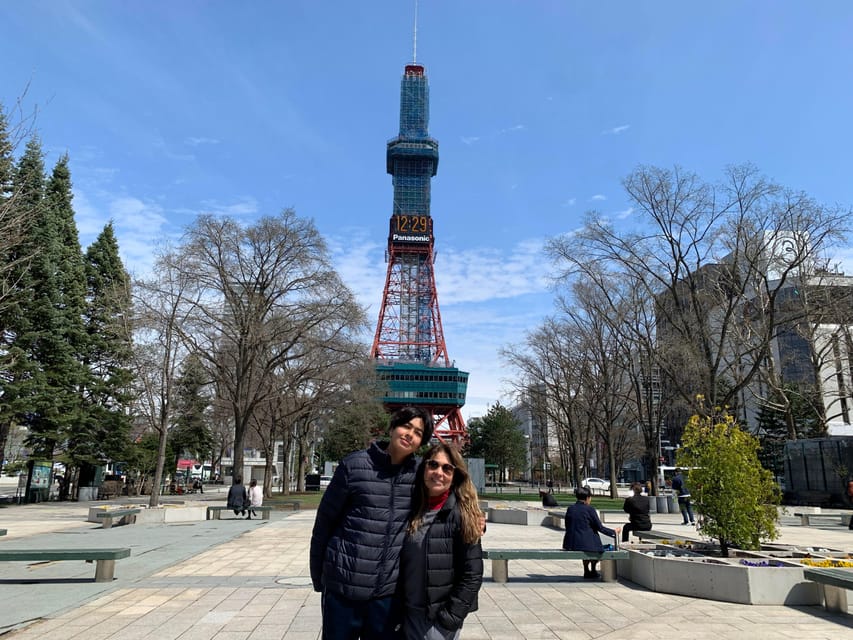
Sapporo’s best moments on this tour come from the sharp change of pace. You begin among seafood stalls at Nijo Market, move on to chocolate and factory displays at Shiroi Koibito Park, then finish high above the city at an Olympic ski jump. It gives you food, local industry, and a big Hokkaido view in one compact day.
In This Article
- Key points at a glance
- A compact introduction to Sapporo’s story
- Nijo Market, where Sapporo begins with breakfast
- Shiroi Koibito Park, chocolate with a factory lesson
- Horyu ramen, the most important meal of the day
- Okurayama Ski Jump Stadium and the 307-meter view
- How the private transportation affects the day
- Is $161 good value for six hours?
- Who will enjoy this Sapporo day most?
- My verdict: book it for context and convenience
- FAQ
- How long does the Sapporo Highlights Tour last?
- Is hotel pickup included?
- Are food and drinks included in the price?
- How do you travel between the stops?
- Is the tour wheelchair accessible?
- What happens if the tour runs longer than six hours?
I like the private format, since your guide can explain Hokkaido’s development in a way that a self-guided visit may miss. I also like the use of public transportation. You get a useful lesson in Sapporo’s subway and bus system instead of seeing the city only through a vehicle window.
The main drawback is that the schedule covers several stops in six hours, so none can receive unlimited time. Nijo Market and Shiroi Koibito Park may feel less compelling if you prefer quiet historic sites over food stalls, factory attractions, and popular photo stops.
Key points at a glance
- Start with Sapporo’s kitchen: Nijo Market offers seasonal seafood, fruit, and Hokkaido specialties in a central setting.
- See how Shiroi Koibito is made: The park combines candy displays, factory viewing, tasting, and a hands-on candy activity.
- Try a local lunch: Horyu serves Sapporo-style miso ramen and offers Genghis Khan ramen, combining two Hokkaido specialties.
- Ride to an Olympic viewpoint: The lift at Okurayama reaches a 307-meter summit above the city.
- Feel the ski jumper’s perspective: A viewing area near the starting line gives you a sense of the steep descent before a jump.
- Travel with local help: Hotel pickup, return service, transit tickets, and an English-speaking guide are included.
A compact introduction to Sapporo’s story
Sapporo is a planned city with a relatively modern beginning. In 1869, the Meiji government placed Hokkaido development under the Hokkaido Kaitakushi program and chose Sapporo as the center of its plans. The goal was to develop the island’s resources and build a major modern city.
That background matters because this tour is not only a checklist of sights. Your guide can connect the market, food, factories, transport system, and Olympic venues to Sapporo’s growth into a city of about 1.9 million people. The experience works best when you ask questions along the way rather than treating each stop as an isolated attraction.
The private setting gives you room to do that. A guide can adjust explanations, point out details you might otherwise miss, and help you use the subway and bus system with more confidence. One guide named Chieko has been especially praised for explaining Hokkaido’s past, sharing local restaurant and shopping advice, taking photos, and later sending those photos to the group.
Guide quality still depends on who is assigned and how well you communicate. One published rating praised the guide but noted that English conversation was sometimes difficult. If clear, detailed discussion is important to you, keep your questions short and specific, and confirm key details as you go.
Our other Sapporo reviews may also help you decide


Nijo Market, where Sapporo begins with breakfast
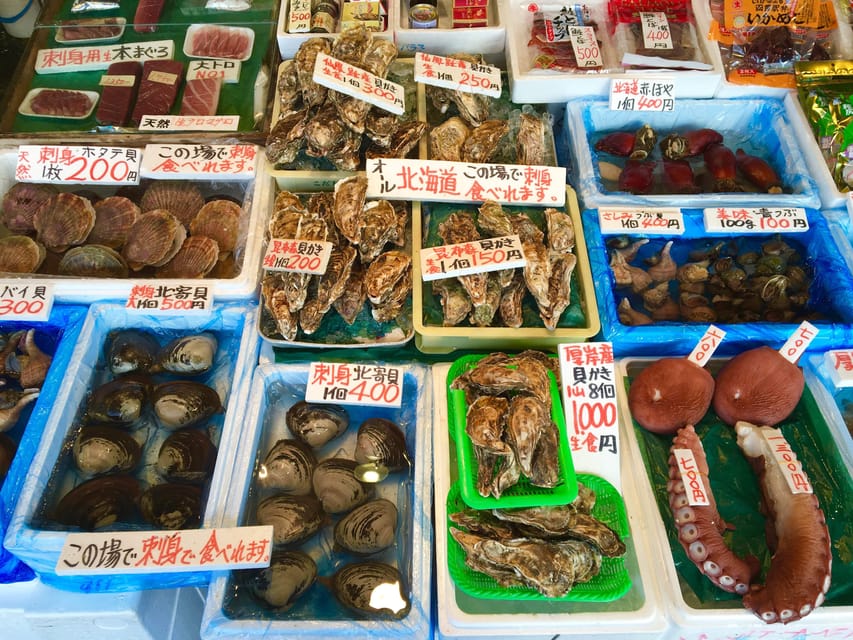
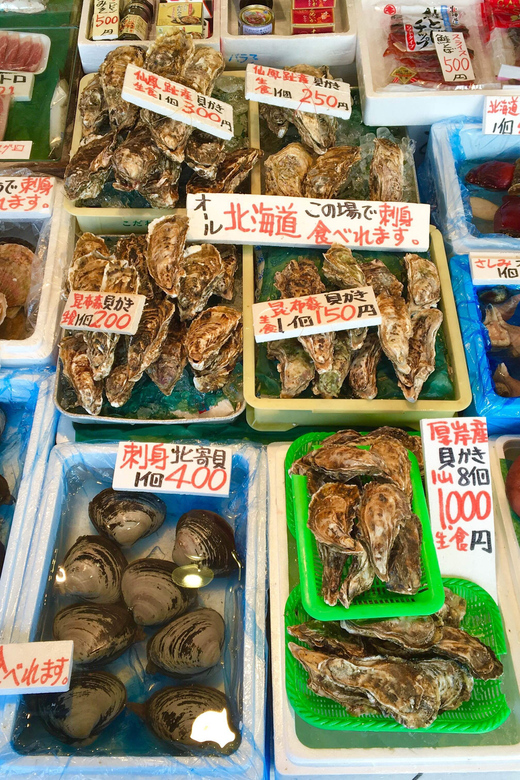
Your first stop is Nijo Market, often called the kitchen of Sapporo. It is a practical introduction to Hokkaido because the focus is on ingredients rather than grand architecture. You can expect displays of fresh seafood, fruit, and other local products as you walk through the market area.
The seafood is the main reason to come. Hokkaido is known for its cold-water produce, and the market gives you a chance to see what is available in season. Depending on the day, you might find different fish, shellfish, and other seafood products, but the tour information does not promise a set tasting or meal here.
That distinction is important. Food and drinks are not included in the tour price, so budget separately if you want to buy something at the market. Your guide can help you understand what you are seeing and may point you toward local choices, but the included package covers transportation and admissions, not market purchases.
I would treat Nijo Market as an orientation stop, not the sole reason to book the tour. One published rating found the market underwhelming, which is a useful warning for anyone expecting a huge wholesale fish market or a long food-focused morning. It is more modest and central, with a mix of shopping, displays, and local atmosphere.
The private format helps here. You can ask what is seasonal, learn how Hokkaido food fits into Sapporo life, and decide for yourself if you want to buy anything. If seafood markets are a major priority, ask your guide how much time is planned before the tour begins.
Shiroi Koibito Park, chocolate with a factory lesson
From Nijo Market, you take the subway to Shiroi Koibito Park, also known as White Lovers Park. The attraction is built around the Shiroi Koibito confectionery, a well-known Hokkaido product, and combines a factory visit with displays, sweets, and decorative details.
This is a lighter stop than the market, but it has more substance than a simple shop visit. You can learn about the company and the product, see antique cups, watch aspects of candy production, and take part in a candy-making experience. There are also chances to taste white, brown, and dark chocolate.
The value here depends heavily on your interests. If you enjoy food production, brand history, and carefully presented factory attractions, the park gives you several layers to explore. Families and anyone with a sweet tooth will likely find it easy to enjoy.
If you prefer old neighborhoods, temples, or unpolished local places, the park may feel too manufactured. One published rating was not impressed by it. That does not make the stop poor, but it does show that this attraction has a particular style: decorative, commercial, and candy-focused rather than traditional or understated.
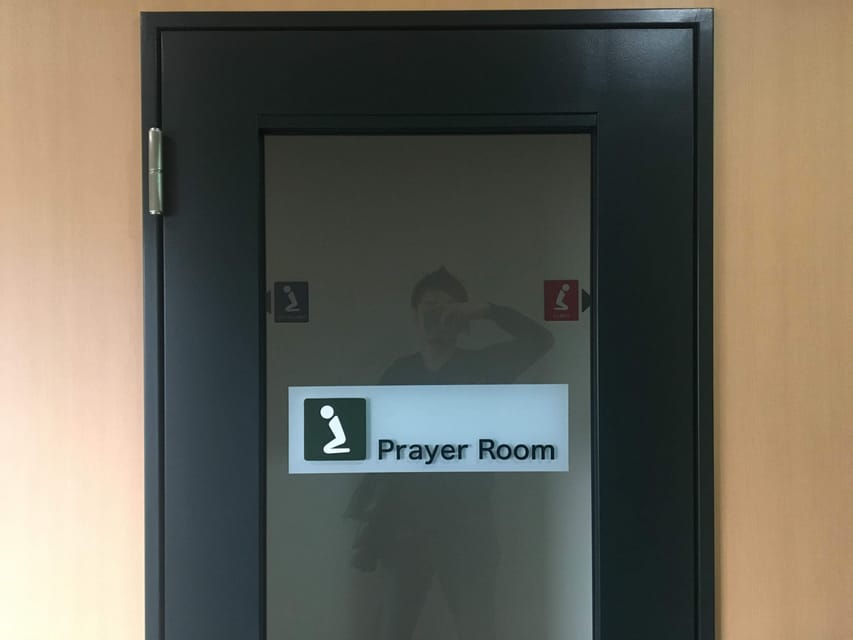
The park has also opened a prayer room for Muslim visitors. That is a useful practical detail for anyone who needs a place for prayer during the day.
Because admission is included, you do not have to decide if the park is worth paying for on its own. The guide can help turn the visit into more than a product stop by explaining the company’s background and the place of Shiroi Koibito in Hokkaido’s food culture. Still, allow for the possibility that the candy-making portion and factory access may follow the park’s operating schedule.
Horyu ramen, the most important meal of the day
After Shiroi Koibito Park, you return toward central Sapporo for lunch at Horyu. The shop was founded in 1958 and is known for Sapporo-style miso ramen. Lunch is not included, so you pay for your own bowl.
Sapporo miso ramen is built around a full, savory broth with noodles and toppings. At Horyu, the recommended choice is Genghis Khan Ramen, which combines ramen with Genghis Khan, Hokkaido’s famous grilled mutton dish. It is a smart order if you want to sample two local specialties without arranging separate meals.
The restaurant is popular and can be busy at lunchtime. That gives the stop a local, everyday feel, but it also means the timing may be less predictable than at an attraction with timed admission. Your guide can help you order and manage the stop, which is especially useful if Japanese menus or ramen styles are unfamiliar.
Do not expect a long, leisurely restaurant visit. This is a six-hour city tour with several major stops, so lunch is likely to be efficient. That is not necessarily a flaw. A focused ramen meal keeps the schedule moving and gives you a taste of Sapporo’s most famous comfort food.
The meal also helps tie the day together. At Nijo Market, you see Hokkaido ingredients. At Shiroi Koibito Park, you see a regional food brand. At Horyu, you eat a dish that has become part of Sapporo’s identity. Food is doing much of the storytelling here.
Okurayama Ski Jump Stadium and the 307-meter view
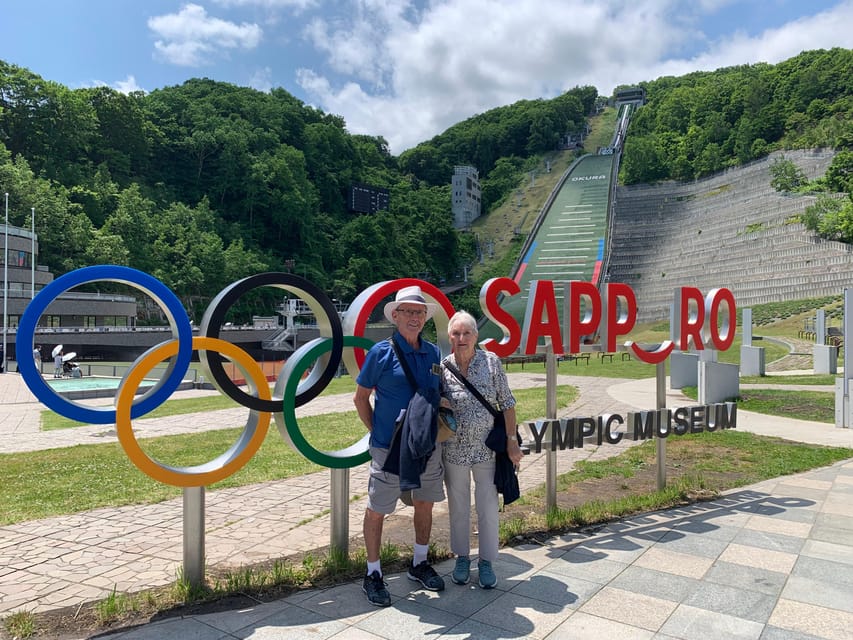
After lunch, you travel by subway and bus to Okurayama Ski Jump Stadium. The venue was used during the 1972 Olympic Winter Games in Sapporo and continues to host international ski jumping competitions.
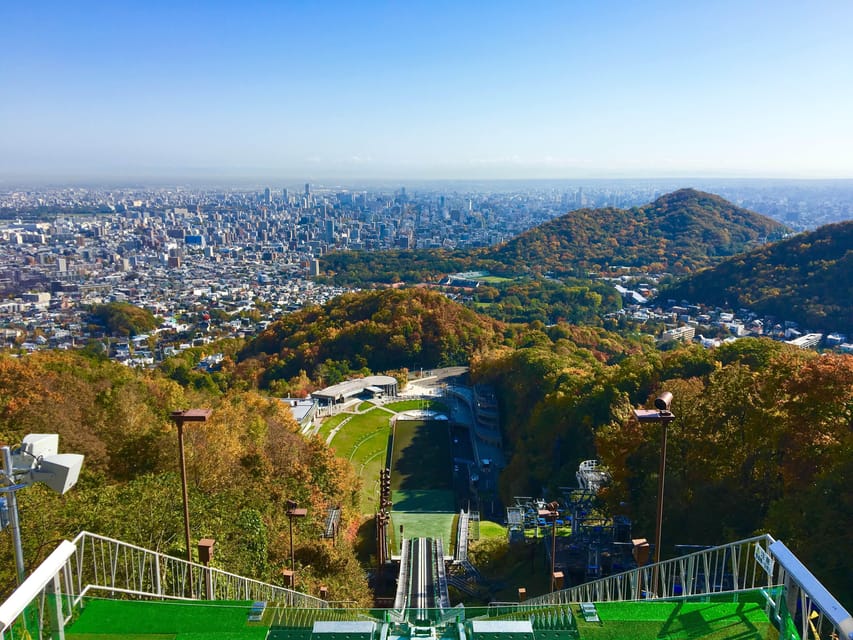
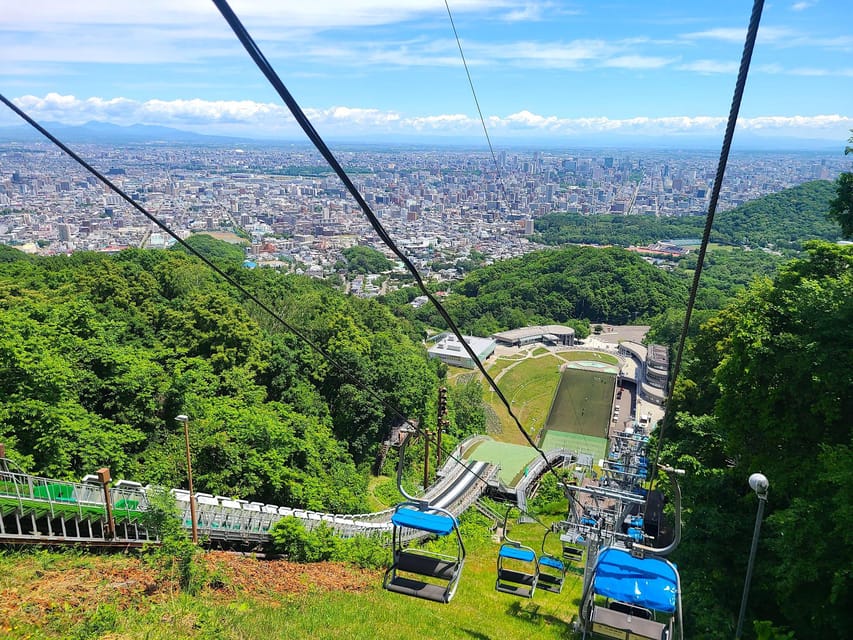
The lift takes you to an observatory at the 307-meter summit. From there, you can look over Sapporo and the Ishikari Plain. In winter, snow can give the view a clean, bright quality, with the white surroundings making the city and open plain easier to read.
This is the tour’s strongest visual stop. The market is close and busy, the chocolate park is playful, and the ramen shop is about taste. Okurayama gives you scale. You see how large Sapporo is and how the planned city sits within Hokkaido’s broad open setting.
The ski jump itself provides a second experience. Beneath the summit observatory is the starting line, where you can look down the slope from a jumper’s position. You are not making a jump, of course, but the angle gives you a better sense of the sport than a photograph or distant stadium view.
If you dislike heights, this may be the stop that requires the most thought. The tour description presents the viewpoint as thrilling, and the steep run can feel intense. It is also weather-dependent. Severe winter conditions can force changes to the day’s agenda, and views may vary with snow, clouds, or visibility.
The lift admission is included. That makes the stop good value because you receive both the Olympic connection and the high viewpoint without arranging separate transit or tickets.
You can also read our reviews of more private tours in Sapporo


How the private transportation affects the day
This is not a private car tour. The guide accompanies you on the subway and bus, and transit tickets are included. That choice has both advantages and limits.
The advantage is practical. Sapporo has a useful public transportation network, and learning how to move around by subway can help with the rest of your Hokkaido trip. A guide can show you how the system works, which is more useful than simply being driven from one sight to another.
You also see the distances between the city center, Shiroi Koibito Park, and Okurayama. That gives you a clearer sense of Sapporo as a functioning city. The ride itself is not a sightseeing attraction, but it adds context.
The limit is that stairs, platforms, transfers, waiting time, and crowd levels can affect the pace. The experience is described as wheelchair accessible, but you should still confirm the day’s route and any mobility needs when booking. Public transport may be manageable for one person and more demanding for another.
Hotel pickup and drop-off are included, which simplifies the start and finish. The guide picks you up at your accommodation and returns you there after Okurayama. If the itinerary runs long, an extension costs 1,000 yen per person per half hour, payable in cash. That policy is worth remembering if you plan to linger over lunch or shopping.
Is $161 good value for six hours?
At $161 per person, this tour is not the cheapest way to see Sapporo. You could visit many of these areas independently for less, especially if you are comfortable reading transit signs, choosing restaurants, and arranging admissions yourself.
The price becomes easier to justify if you value private guidance. The fee includes an English-speaking guide, hotel pickup and return, subway and bus tickets, and admission to both Shiroi Koibito Park and Okurayama Ski Jump Stadium. You are paying for planning, interpretation, and the convenience of fitting four very different stops into six hours.
The strongest value comes from the local help. A guide such as Chieko can explain Hokkaido’s development, teach you how to use the subway, suggest restaurants and shopping areas, and take photos during the day. Those practical tips may help beyond the tour itself.
The price is less appealing for independent visitors who already understand Sapporo’s transit system and mainly want to browse at their own speed. Food and drinks are extra, and the schedule leaves limited time for long shopping stops or extended meals.
Private tours also make more financial sense for a small group than for one person. Since the price is listed per person, compare the total cost for your party with the price of separate admissions, transit, meals, and a self-guided day. The right question is not simply if $161 is cheap. It is if personal help and a tightly arranged itinerary are worth the difference for you.
Who will enjoy this Sapporo day most?
This tour suits first-time visitors who want a broad introduction without spending days planning routes. You get food, shopping, a factory attraction, Olympic history, and a city view in one outing.
It is also a good fit for families and mixed-age groups. The market gives adults something to inspect, the candy park offers a playful stop, ramen provides an easy local meal, and the ski stadium supplies a memorable viewpoint.
Food-focused visitors should appreciate the way the day links market ingredients, chocolate production, and miso ramen. Just remember that the tour does not cover food costs, so carry money for lunch and any market or candy purchases.
The tour may be less suitable if you want an unhurried day. The six-hour schedule is efficient, but the number of stops means you will keep moving. It may also disappoint anyone looking for old Sapporo streets, temples, or a major museum. Those are not the focus here.
Communication is another factor. The guide speaks English, but the quality of conversation can vary. One guide, Chieko, has received particularly strong praise for history and local advice, though another assessment found English conversation somewhat difficult. Use simple questions and do not hesitate to ask for clarification.
My verdict: book it for context and convenience
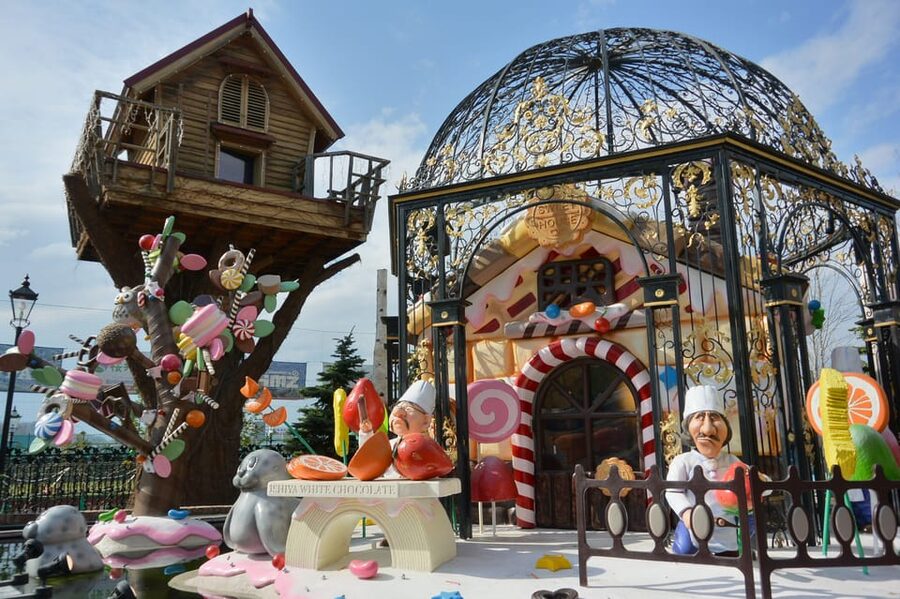
I would book this tour if I had one free day in Sapporo and wanted a guide to organize the city for me. The mix is appealing: Nijo Market introduces Hokkaido food, Shiroi Koibito Park adds a sweet factory visit, Horyu delivers local ramen, and Okurayama provides the day’s best view and most unusual perspective.
I would not book it solely for the market or the chocolate park. Either stop could feel modest if you expect a grand attraction. The tour earns its price through the combination of stops, private attention, included admissions, and help with public transport.
Choose it especially if you want local history, practical restaurant and shopping advice, and a guide who can take photos as well as explain the city. Skip it if you prefer to set your own pace, already know Sapporo’s transit system, or want a day built around museums and historic neighborhoods.
Free cancellation is available up to 24 hours before the start, and you can reserve now while paying later. Severe winter weather may change the route, so keep your plans flexible during heavy snow or difficult conditions.
FAQ
How long does the Sapporo Highlights Tour last?
The tour lasts six hours. Starting times depend on availability.
Is hotel pickup included?
Yes. The English-speaking guide picks you up at your hotel and returns you to your accommodation at the end of the tour.
Are food and drinks included in the price?
No. Food and drinks are not included. You should budget separately for the ramen lunch, market purchases, and any other snacks or drinks.
How do you travel between the stops?
The tour uses the subway and bus. Transit tickets are included in the tour price.
Is the tour wheelchair accessible?
Yes, the activity is listed as wheelchair accessible. Confirm your specific mobility needs when arranging the tour because the itinerary uses public transportation.
What happens if the tour runs longer than six hours?
The tour can be extended for 1,000 yen per person per half hour. The extension fee is payable in cash.
More Tours in Sapporo


More Tour Reviews in Sapporo


More Private Tours in Sapporo
Other Sapporo tours worth your shortlist



1-Day Tours, side by side.
 ★ 4.6Hokkaido Highlights Day TripFrom $6456 reviews
 ★ 5.0One Day Highlights Tour of SapporoFrom $138.7141 reviews
 ★ 4.9Otaru Asarigawa Ski Resort Day Trip with GearFrom $18527 reviews
 ★ 5.0Wherever you want! 1-Day Private Tour from Sapporo to Furano moreFrom $472.9520 reviews
The lists this tour appears in