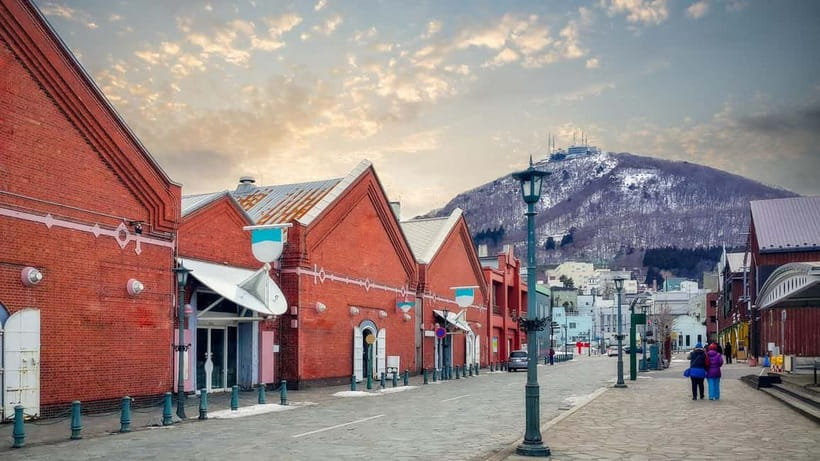
Hakodate’s past comes into focus beyond the city center, where a steaming geyser park and ancient Jomon sites make a surprisingly good half-day combination. I like the private vehicle and door-to-door pickup, and I like that the route connects nature with archaeology instead of giving you another standard city drive.
In This Article
- Key points to know before booking
- Why this route works beyond central Hakodate
- Starting from Hakodate and heading toward Shikabe
- What makes the Ofune Jomon site worth your time
- Minamikayabe’s Jomon Culture Center and Kakinoshima Ruins
- A private vehicle, with a few limits
- Four hours can work, but watch the clock
- Who gets the best value from $416
- What to bring and how to prepare
- Should you book the Hakodate Heritage Trail?
- FAQ
- How long does the Hakodate Heritage Trail Tour last?
- Where does the tour begin and end?
- What places are included?
- Is the driver fluent in English?
- Are entrance fees and meals included?
- How many people can join the private tour?
The main consideration is the Japanese-only driver. Translation apps can help, but this is transportation with sightseeing stops, not a guided tour with long explanations in English. Entrance fees, food, and drinks are also extra.
Key points to know before booking
- Shikabe Geyser Park: See a natural hot-water feature at a roadside station in southern Hokkaido.
- Ofune Jomon site: Visit an ancient settlement area tied to the region’s early culture.
- Jomon Culture Center: Add museum context and a second major archaeological site at Minamikayabe.
- Private four-hour route: Pickup, drop-off, tolls, parking, and a private charter are included.
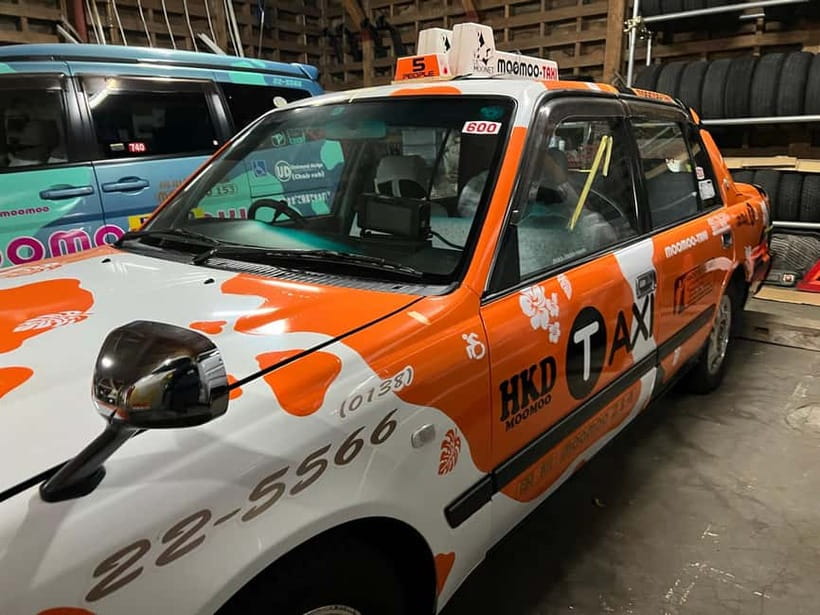
- Flexible vehicle sizes: Standard vehicles take up to three people, MPVs up to five, and vans up to nine.
- Japanese-speaking driver: Use a translation app if you need communication in another language.
Why this route works beyond central Hakodate
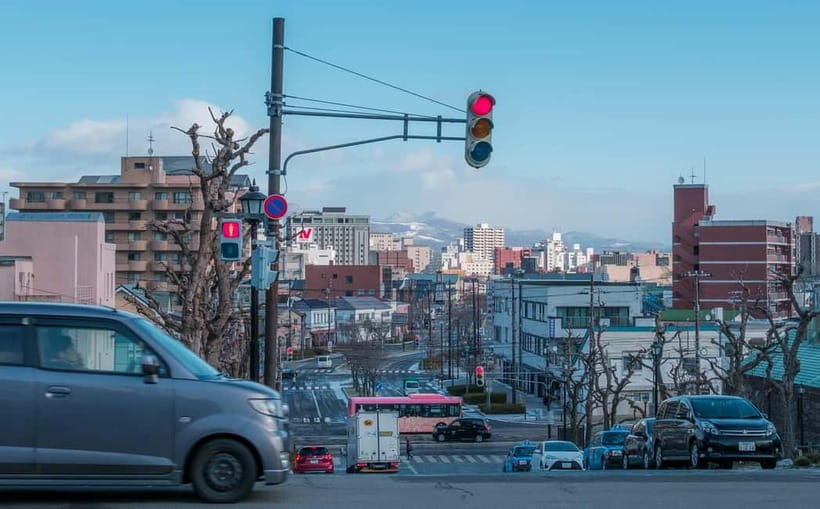
Hakodate is famous for its port, slopes, churches, warehouses, and night views. Those sights are easy to reach from town. This excursion takes you in a different direction, toward southern Hokkaido’s geological and archaeological past.
The route links Hakodate City with Shikabe Geyser Park, the Ofune Site of the Jomon Era, and the Hakodate Jomon Culture Center in Minamikayabe. You get three distinct types of stops: a natural attraction, an outdoor archaeological site, and a cultural center with the Kakinoshima Ruins.
That mix is the tour’s best feature. If you have already seen the main city sights, this trip gives you a wider sense of the area. If you are visiting Hakodate for only a short time, it also lets you reach places that would be awkward to combine by ordinary sightseeing transport.
The route is private, so you are not tied to a large group’s pace. You can travel with up to three people in the standard arrangement, or select a larger MPV or van for a bigger party. The published price is $416 per group of up to three, not per person. For three people, that works out to about $139 each before entrance fees and personal costs. For one person, it is a much more expensive way to sightsee, but the private transport may still make sense if convenience is your top concern.
Our other Hakodate reviews may also help you decide


Starting from Hakodate and heading toward Shikabe
Pickup begins in Hakodate, with drop-off back in the city after the final stop. The vehicle, tolls, and parking fees are included, so you do not need to arrange separate transport for each part of the route.
The four-hour clock starts at your reserved pickup time. This detail matters. The time includes all stops and even mealtime, so the tour is not four hours of sightseeing plus extra time for lunch. If you request an extended stop or add an unplanned destination, extra time, tolls, and parking charges may apply.
Your first scheduled visit is Roadside Station Shikabe Geyser Park. Roadside stations in Japan are more than simple rest areas. They often combine local services, food, regional products, and a nearby attraction. Here, the main draw is the geyser park, where hot water rises from below the ground.
The stop gives the outing a natural starting point before the archaeological visits. You can expect a short visit rather than a full-day hot-spring experience. The supplied details do not promise meals, special demonstrations, or a particular amount of time at the geyser, so keep your expectations focused on seeing the site and roadside station.
Food and drinks are not included. You can buy something along the way if available, but do not assume the driver can arrange a restaurant reservation. The provider specifically says restaurant bookings are not part of the service.
What makes the Ofune Jomon site worth your time
From Shikabe, the route continues to the Ofune Site of the Jomon Era. This is the point where the excursion shifts from natural forces to human history.
The Jomon period is associated with some of Japan’s earliest settled communities. At Ofune, you are visiting an archaeological site connected to that culture, rather than only looking at objects behind glass. That change in setting helps you picture how the region’s earlier inhabitants used the land.
The information supplied for the tour does not specify the exact structures, displays, or walking conditions at Ofune. You should therefore treat it as an outdoor heritage stop and wear practical shoes. The site’s appeal is the chance to see a place tied directly to the Jomon period, but the amount of interpretation you receive will depend on your own reading and the driver’s ability to communicate through translation.
This is also where the private format helps. A large sightseeing bus can make an archaeological stop feel rushed or impersonal. With a private vehicle, you can take the time allowed by the four-hour schedule without waiting for a full coach group. That said, the clock still matters, and a long unscheduled visit may produce an overtime charge.
Minamikayabe’s Jomon Culture Center and Kakinoshima Ruins
The final major stop is the Hakodate Jomon Culture Center in Minamikayabe, associated with the Kakinoshima Ruins. This visit gives you a more organized cultural setting after the outdoor Ofune stop.
I like the order of these two archaeological visits. Ofune introduces you to the physical site, while the culture center can give you a clearer framework for understanding the Jomon period and the Kakinoshima area. If you prefer museums and indoor interpretation, this may be the most useful stop on the route.
The supplied information does not list individual exhibits, admission prices, or a guaranteed English-speaking staff member. Entrance or area fees are paid directly at each site when applicable. Budget for those charges separately from the $416 vehicle price.
The culture center also makes the trip more manageable in poor weather than an entirely outdoor itinerary would be. Still, the tour is not presented as a museum-only visit. You are paying for a route that combines several stops, so the time inside will be limited by the remaining schedule.
A private vehicle, with a few limits
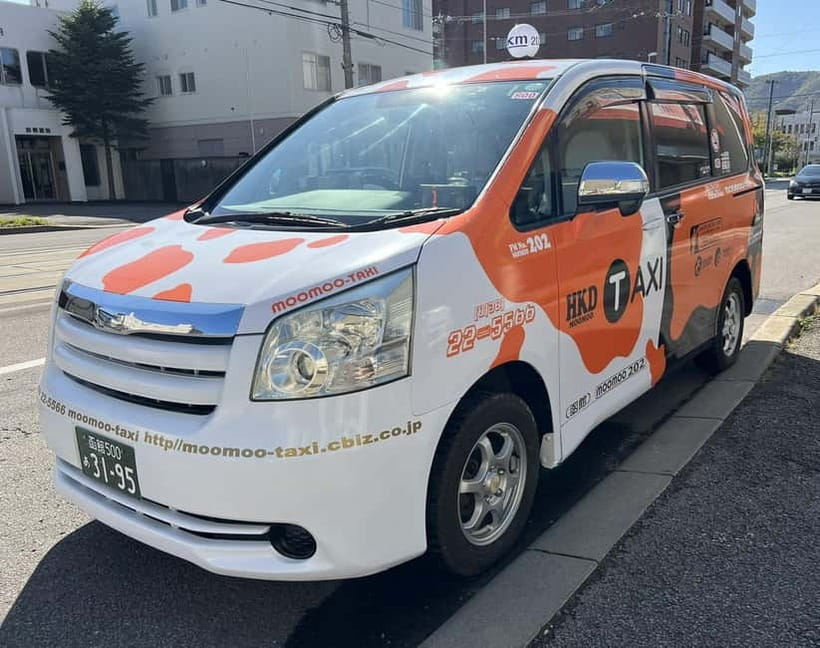
Private transport is the practical reason to choose this excursion. Pickup and drop-off are included, as are normal tolls and parking fees. You avoid figuring out connections between Hakodate and the outlying sites, and you can keep your own group together.
The stated vehicle capacities are:
- Standard vehicle: up to 3 people
- MPV: up to 5 people
- Van: up to 9 people
If the vehicle is full, the front passenger seat may be used. If you add people after booking, extra charges may apply. Confirm the correct passenger count when reserving, especially if you have luggage or need more cabin space.
The experience is wheelchair accessible, which is useful for groups that need accessible transport. However, the information does not describe the surfaces, ramps, or restroom access at every stop. If you use a wheelchair, confirm the practical details for Ofune, Shikabe, and the culture center before paying.
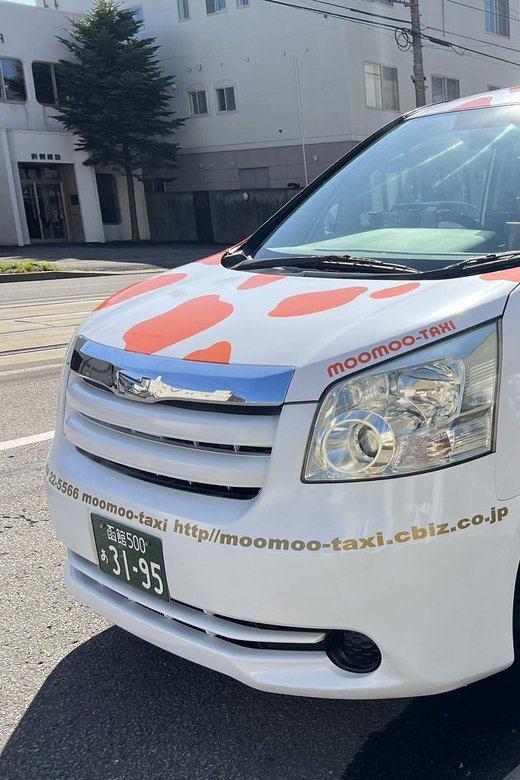
This is a driver-led outing, not a fully narrated private tour. The driver speaks Japanese only. Translation apps support communication in other languages, but that may not replace a specialist guide explaining archaeology, local customs, or complicated historical details.
You can also read our reviews of more historical tours in Hakodate



Four hours can work, but watch the clock
The route is designed as a half-day trip, and that is the right way to think about it. You will visit the listed places and return to Hakodate, but you should not expect long, leisurely time at every stop.
Because the tour begins at pickup and includes all stops, you should be ready at the agreed time. The schedule also includes mealtime if you choose to eat during the outing. A sit-down meal could reduce your time at the heritage sites, so a quick snack may be the better choice if seeing all three stops is important to you.
Unplanned stops are possible only with the understanding that extra charges may apply. Additional time, tolls, and parking fees are paid on site. The driver cannot assist with restaurant reservations, so make your dining plans before departure or use whatever food options are available during the route.
A site may be replaced if it is closed. That protects the day from being wasted, but it also means the exact experience is not guaranteed in every detail. If one listed attraction is unavailable, an alternative tourist spot may be used.
Who gets the best value from $416
The price makes the most sense for a small group. Three people can split the group rate, making the private ride more reasonable than it first appears. Families, couples who value door-to-door transport, and visitors with limited time in Hakodate are the strongest matches.
The value is less clear for a solo visitor. You are still paying for the whole private vehicle, while entrance fees, meals, drinks, and personal purchases remain separate. A solo visitor who wants detailed archaeological interpretation may also prefer a specialist guided tour, if one is available.
For a group of four to nine, check the vehicle price for the correct size before booking. The supplied rate specifically covers up to three people, while MPV and van arrangements may carry different charges. Do not assume the three-person price applies to a larger party.
The tour earns its cost through convenience rather than included admissions or elaborate guiding. You are paying to have the driving, route planning, parking, and tolls handled for you. That can be worthwhile in southern Hokkaido, where reaching several outlying sites on your own may take more planning than the four-hour visit itself.
What to bring and how to prepare
Bring comfortable shoes for the Ofune site and a phone with a translation app. The driver speaks Japanese, so having the names of your pickup point, hotel, and desired return location written down can prevent confusion.
Keep some flexibility in your schedule. Closures can lead to an alternative stop, and a longer visit at one place may create overtime charges. If you need to return by a fixed time for a train, flight, or dinner reservation, tell the provider in advance and avoid requesting extra stops.
It is also wise to bring money for entrance fees, drinks, food, and personal expenses. These are not part of the group price. Tolls and parking are covered as part of the planned tour, but customer-requested extensions or unplanned stops can create additional on-site charges.
Cancellation is free up to 24 hours before departure, and you can reserve now and pay later. Those policies give you some room to adjust plans, but they do not remove the need to check the exact pickup time and passenger details.
Should you book the Hakodate Heritage Trail?
Book this tour if you want to connect Hakodate with Shikabe and Minamikayabe in one private half-day outing. The geyser park, Ofune Jomon site, and Jomon Culture Center offer a welcome change from the city’s better-known sights, and the private vehicle is especially useful for a small group.
Skip it if you need a fluent English-speaking guide, extensive archaeological commentary, or a relaxed full-day pace. The Japanese-only driver and translation-app arrangement are workable for transport, but they are not the same as having a specialist explain each site.
For three people who value convenience, the $416 group price can be fair. For one person, compare the cost carefully. Either way, book with practical expectations: four hours, separate entrance fees, a fixed route, and a driver who gets you there rather than a lecture at every stop.
FAQ
How long does the Hakodate Heritage Trail Tour last?
The tour lasts four hours. The time begins at the reserved pickup time and includes all stops, including mealtime.
Where does the tour begin and end?
Pickup is in Hakodate, and the tour returns you to Hakodate after visiting the scheduled sites.
What places are included?
The planned route includes Roadside Station Shikabe Geyser Park, the Ofune Site of the Jomon Era, and the Hakodate Jomon Culture Center with the Kakinoshima Ruins area.
Is the driver fluent in English?
The driver speaks Japanese only. Communication in other languages is supported through translation apps.
Are entrance fees and meals included?
No. Entrance or area fees, meals, drinks, and personal expenses are paid separately. The planned tour includes pickup and drop-off, private charter, tolls, and parking fees.
How many people can join the private tour?
The standard vehicle accommodates up to three people. An MPV can accommodate up to five, and a van can accommodate up to nine. Extra charges may apply if the passenger count changes after booking.
More Tours in Hakodate


More Tour Reviews in Hakodate
More Hakodate Tours in Hakodate

Other Hakodate tours worth your shortlist







Hakodate Tours, side by side.
 ★ 5.0Hakodate 6hr Private Tour with Government-Licensed GuideFrom $269.3217 reviews
 ★ 4.5Hakodate Exploration Tour with Private GuideFrom $407.209 reviews
 ★ 5.0Hakodate 4hr Private Tour with Government-Licensed GuideFrom $221.527 reviews
 ★ 4.44-Hour Cultural and Historical Highlights TourFrom $4165 reviews
The lists this tour appears in