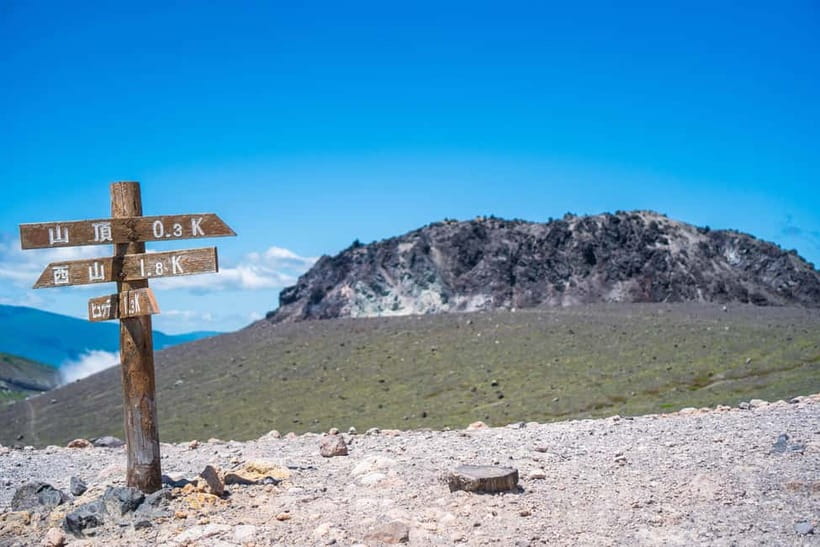
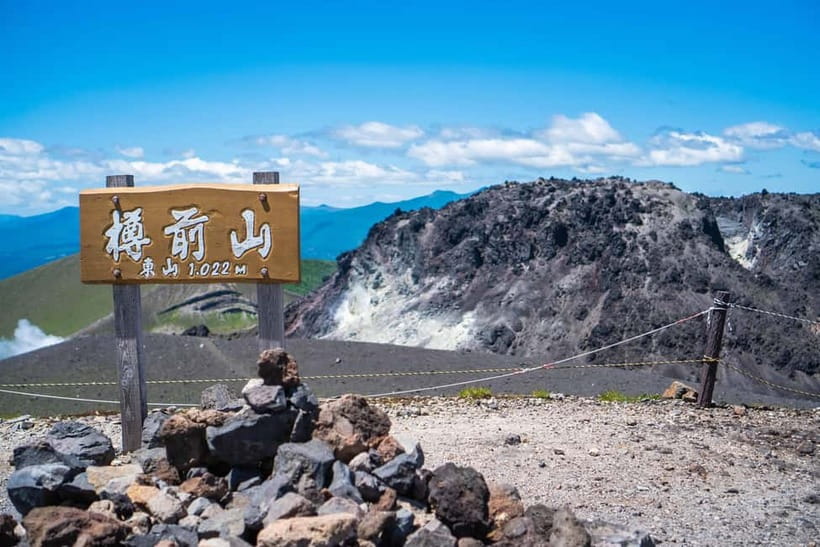
Mt. Tarumae gives you a rare close look at an active volcano without turning the day into a technical mountaineering trip. From the 7th station, you climb through trees, reach the open alpine zone, and then meet the black lava dome with steam rising from its fumaroles.
In This Article
- Key points to know before booking
- Meeting an active volcano above Lake Shikotsu
- From the 7th station to the alpine zone
- The first view of Tarumae’s steaming dome
- Climbing to the high point for lake and ocean views
- Walking a full circle around the crater
- Lunch beside volcanic scenery
- The descent and return to Noboribetsu
- Is the $155 price good value?
- What to bring for a safe day
- Who will enjoy this hike most?
- Booking, weather, and cancellation advice
- Should you book Mt. Tarumae?
- FAQ
- How much does the Mt. Tarumae hike cost?
- What is included in the tour?
- What do I need to bring?
- How long is the hiking route?
- Is the hike suitable for children or older participants?
- What languages are available?
- What happens if the weather is bad?
I like two things here: the hike has a clear goal, and the scenery keeps changing as you climb. I also like the human touch. The guide can adjust the pace to your needs and ability on the day, making the outing feel social and personal rather than like a race uphill.
The main catch is the terrain. This is a 7.5-kilometer physical hike over uneven ground, with a climb and descent that demand proper footwear, water, and sensible clothing. Mountain weather can change fast, so a sunny start does not guarantee an easy day.
Key points to know before booking
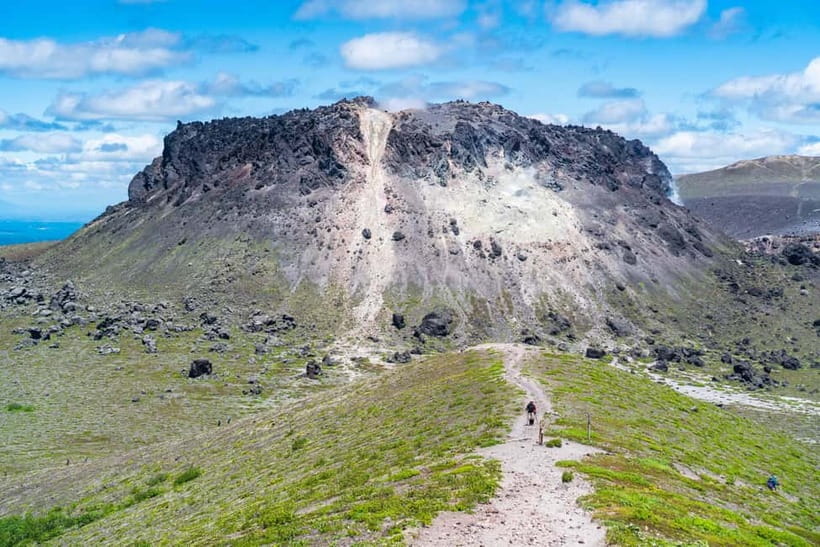
- Steam rising from the lava dome: See Mt. Tarumae’s black volcanic dome and active fumaroles from the crater rim.
- Views from 1,041 meters: Look across Lake Shikotsu toward the Pacific Ocean from the mountain’s high point.
- A full circuit of the crater: The route does not stop at one viewpoint. You continue around the dome before heading down.
- Lunch in volcanic country: Food is included, giving you time to rest while taking in the open views.
- English or Japanese guiding: The tour is offered in both languages, with transport and hiking poles provided.
- Strict fitness limits: It is not suitable for children under 16 or people over 70, and flat shoes will not do.
Meeting an active volcano above Lake Shikotsu
Mt. Tarumae rises to 1,041 meters beside Lake Shikotsu in Shikotsu-Toya National Park. Its most memorable feature is not a sharp summit, but the large, dark lava dome sitting inside the crater. Steam from the fumaroles reminds you that this is an active volcanic site, not simply an old mountain with a dramatic shape.
That makes the hike feel different from a standard forest walk. You are not just climbing for a view, and you are not visiting a volcano from a distant lookout. You move toward the crater rim, then walk around the volcanic center itself.
The setting also gives the outing a strong sense of place. Lake Shikotsu spreads below, and the Pacific Ocean comes into view from higher ground. On a clear day, the contrast between the lake, open sky, and black volcanic rock should make the summit section especially memorable. On a misty day, the same route can feel quiet and mysterious, with the steam and fog changing how much of the dome you can see.
We have reviewed more tours and experiences across Chitose; these are worth comparing before you book.


From the 7th station to the alpine zone
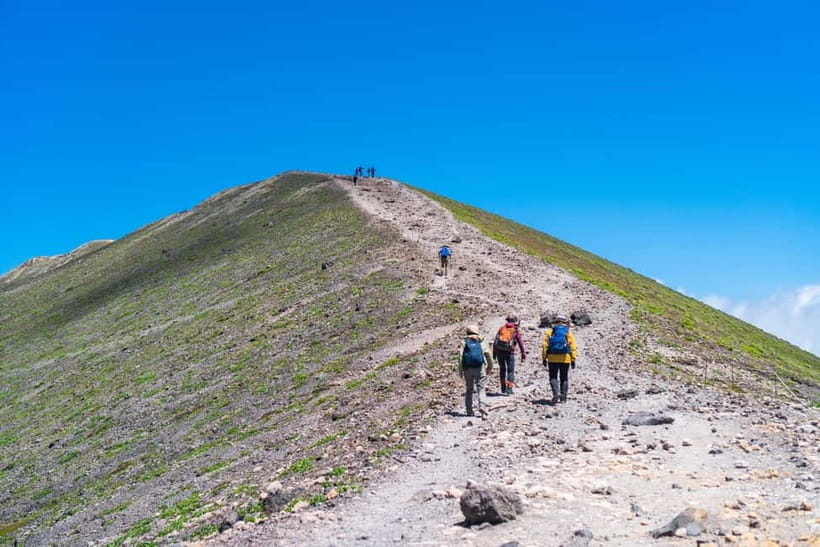
The hike begins at Mt. Tarumae’s 7th station. The first part runs through bushes and trees, so you do not get the full volcanic setting right away. That gradual start is useful, since it lets you settle into the pace before the trail opens up.
As you climb the face of the mountain, the trees give way to alpine terrain. The change is one of the best parts of the route. You begin in a more enclosed setting, then gain wider views and a stronger sense that you are approaching an exposed volcanic summit.
You should expect uneven ground rather than a smooth park path. The tour information specifically warns against flat shoes, and that advice matters. Hiking shoes give you better support on the climb and descent, especially when the surface is rough or conditions change.
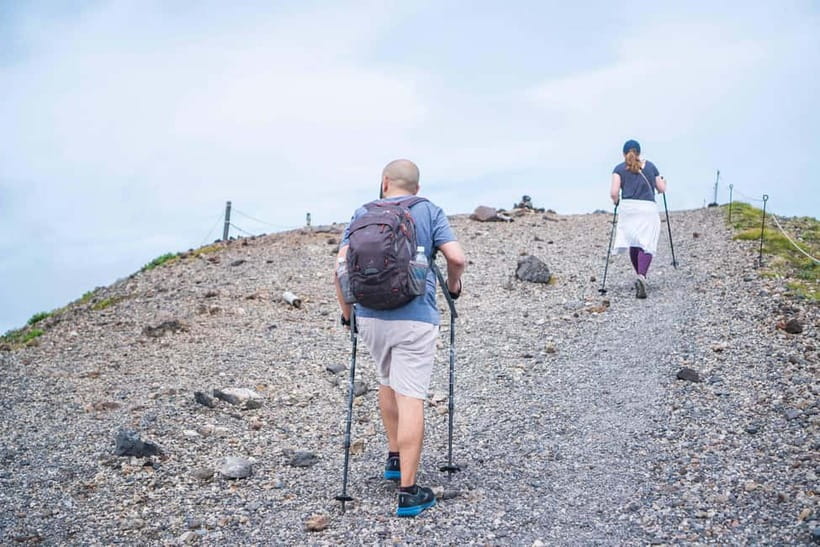
Hiking poles are included, which is a practical benefit. You can use them for balance and to take some pressure off your legs on the way down. You still need to bring suitable shoes, water, sun protection, and clothing that can handle a change in weather.
The first view of Tarumae’s steaming dome
The crater rim is the moment when Mt. Tarumae reveals its main attraction. From there, you first see the black lava dome and steam shooting from the fumaroles around it.
I like this part because the volcano is presented as a living feature, not just a shape on the horizon. The steam gives the dome a sense of activity, while the dark rock creates a sharp contrast with the surrounding alpine ground.
The view can vary with the weather. If clouds or fog move in, the dome may appear and disappear, and the steam can add to the strange atmosphere. You should not book this hike only for a guaranteed postcard view. The tour may be canceled or postponed when conditions are poor, and even a tour that goes ahead may have changing visibility.
That uncertainty is part of mountain hiking, but it is also a reason to pack carefully. Bring a sun hat for exposed sections, plus clothing for colder, wetter conditions. The instructions say to prepare for bad weather even if the morning is sunny.
Climbing to the high point for lake and ocean views
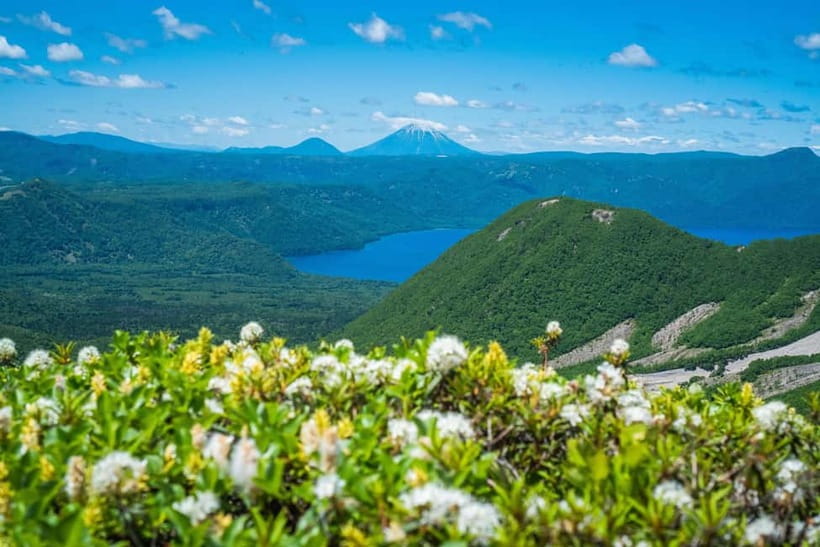
After reaching the crater rim, you continue upward to the highest point. This section gives you the broadest views of the day, including Lake Shikotsu and the Pacific Ocean.
The height is moderate by mountain standards, but the route still asks for effort. You need to climb up and down uneven ground, and the entire route covers 7.5 kilometers. If you are comfortable with a serious day hike, the distance should be manageable. If your hiking experience is limited, the ascent may feel demanding.
The guide’s ability to adjust the outing to your needs and capacity is useful here. The experience can include challenge without turning into a test of speed. Still, you should be honest about your fitness before booking. A guide can set a sensible pace, but cannot remove the climb or the rough footing.
This high point is also where the value of the trip becomes clear. You are not paying only for a ride to a trailhead. You get access to a volcanic route, a guide, transport, lunch, and views that connect the inland lake with the Pacific coast.
Walking a full circle around the crater
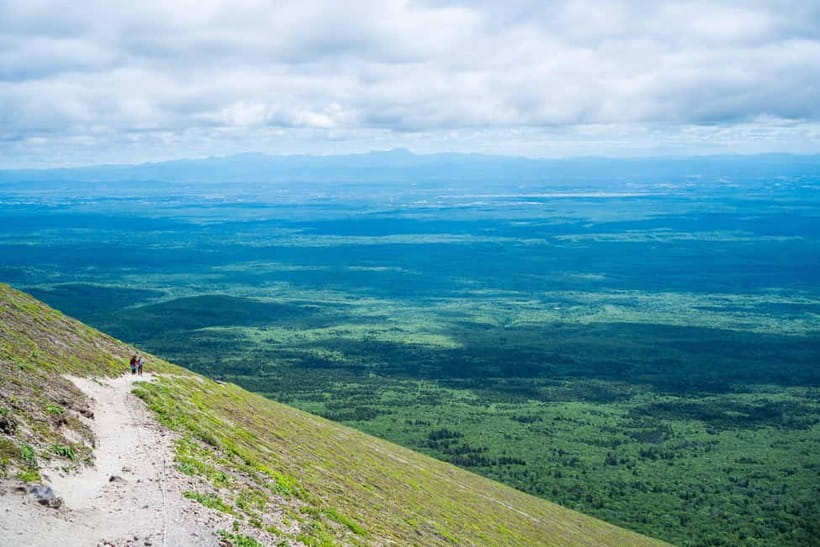
The route continues around the crater for a full circle of the lava dome. This is more satisfying than reaching one viewpoint and turning around. You see the dome from different angles, and the changing position can reveal new fumaroles, rock surfaces, and views beyond the crater.
The circuit also breaks up the physical effort. Instead of one long push to the top, you have a sequence of moments: forest, alpine ground, crater rim, high point, dome circuit, lunch, and descent.
You should keep your attention on the trail. The area is visually dramatic, but the surface is not described as flat or easy. Uneven volcanic ground can make walking more tiring than the distance alone suggests.
The route’s full-circle design is a strong reason to choose this tour over a basic mountain viewpoint visit. It gives you a closer understanding of the volcano’s shape and scale. You are not simply looking at Mt. Tarumae. You are moving around its active center.





Lunch beside volcanic scenery
Lunch is included, and you eat during the crater circuit at a spot chosen for a rest and views. That timing makes sense. After the main climb, you get a chance to sit down, refuel, and enjoy the setting instead of treating the meal as an afterthought.
You should still bring water and snacks. Water is not included, and snacks are also your responsibility. A packed lunch gives you the main meal, but a small extra item can help if you need energy before or after the lunch stop.
The meal break is also where the social side of the outing can come through. One participant described the day as an easygoing, multicultural exchange as well as a walk, with the experience adjusted to the conditions and ability of the day. That points to a tour style built around conversation and shared scenery, not just reaching the summit as quickly as possible.
The guide speaks English or Japanese. No individual guide names are provided, so you should not expect to book a specific person. What you can expect is language support in one of those two languages and a guided approach to the route.
The descent and return to Noboribetsu
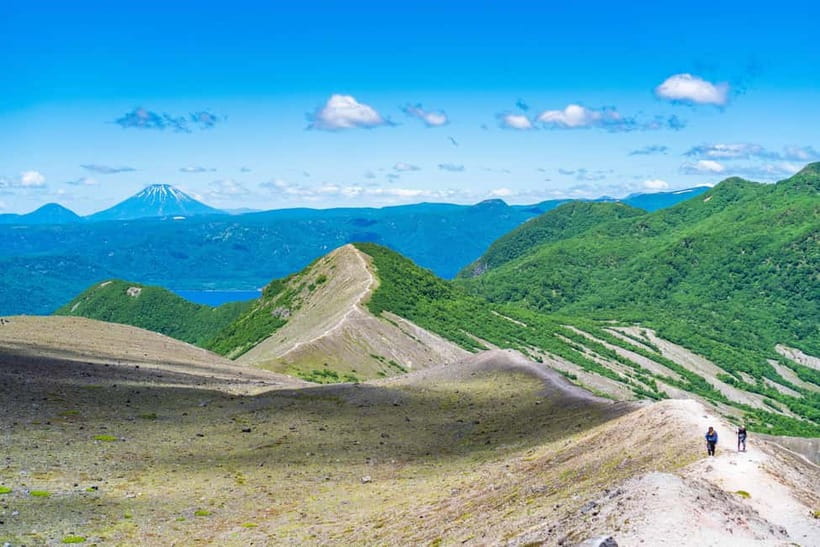
After circling the dome and taking lunch, you head back down to the car. Descents can be harder on the knees than climbs, especially on uneven ground, so the hiking poles may be particularly useful here.
The tour then provides transport back to Noboribetsu. That is a meaningful part of the package if you are staying there, since you do not need to arrange your own mountain transport after a demanding hike.
The supplied details do not state the tour’s total duration or the exact pickup arrangements. You should confirm those points before paying, especially if you have a fixed schedule in Noboribetsu or a same-day connection.
Is the $155 price good value?
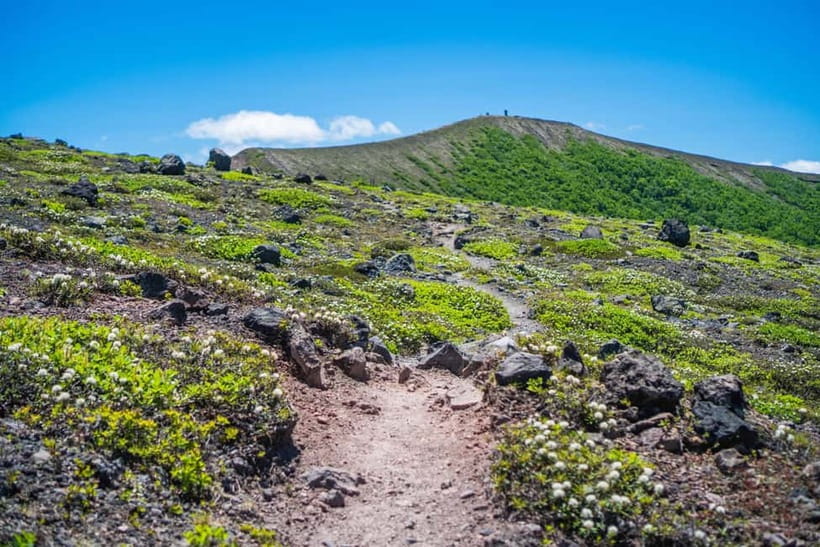
At $155 per person, the cost is not a bargain day out, but it covers several things that can be expensive or inconvenient to arrange alone. You receive transportation, a guide, hiking poles, and lunch. You also get a planned route around an active volcano rather than simply finding a trail and hoping conditions are suitable.
The guide adds value in practical ways. A local guide can help manage the pace, explain what you are seeing, and decide when conditions make it unsafe to continue. That matters on a mountain where weather can shift quickly and where the route includes uneven terrain.
The price makes the most sense if you are staying in Noboribetsu and want a focused volcano outing without arranging transport, food, and route planning yourself. It is less attractive if you already have hiking equipment, a vehicle, and the confidence to plan your own route.
Lunch and poles are useful inclusions, but you still need to budget for hiking shoes, clothing, water, snacks, and personal insurance. Nobo Tours does not provide insurance for customers, so arranging your own cover is important before you go.
What to bring for a safe day
Keep your packing simple, but do not cut corners. You should bring:
- Hiking shoes with proper support
- Plenty of water
- A sun hat
- Weather-ready clothing
- Personal snacks
- Travel insurance that covers your planned activity
Do not wear flat shoes. The operator states that you will be unable to complete the activity in them, and the rough uphill and downhill route supports that warning.
Alcohol and drugs are not allowed. The tour may be canceled or postponed if bad weather creates unsafe conditions. If someone is injured, or the guide decides it is unsafe to continue, the hike will finish at that point.
Those rules are sensible rather than fussy. An active volcano and changing mountain weather call for clear safety decisions. You should accept that the guide may put safety ahead of completing every part of the route.
Who will enjoy this hike most?
I would choose this experience if you want an active day with a strong natural focus and a clear sense of place. It suits people who are curious about volcanoes, enjoy a proper climb, and want more than a short scenic stop.
It is also a good fit if you like guided outings with room for conversation. The experience can be adjusted to your needs and ability on the day, and the social atmosphere may appeal to solo visitors or people who enjoy meeting others through a shared activity.
This is not the right choice if you want a gentle walk, a guaranteed clear view, or a fully equipped excursion where every item is supplied. You must bring your own footwear, clothing, water, snacks, and insurance.
The age limits are firm in the supplied information: the hike is not suitable for children under 16 or people over 70. Those limits may reflect the physical demands and safety concerns of the route, so do not assume they can be waived.
Booking, weather, and cancellation advice
You can reserve the outing and pay later, which helps if your Hokkaido schedule is still changing. Cancellation is allowed up to 24 hours in advance for a full refund.
Weather deserves special attention. The mountain can change quickly, even when it is sunny at the start of the day. Pack for poor conditions, and keep some flexibility in your schedule in case the tour is postponed rather than run in unsafe weather.
I would avoid placing this hike immediately before an important flight or long-distance transfer. The exact tour length is not provided, and mountain conditions can affect timing. Give yourself room to enjoy the day without watching the clock.
Should you book Mt. Tarumae?
Book it if you want to walk around a real volcanic crater, see steam from fumaroles, and earn views of Lake Shikotsu and the Pacific Ocean. The full circuit, included lunch, transport from the hiking area, and flexible guiding give the outing more substance than a simple summit walk.
Skip it if you are not comfortable with 7.5 kilometers of uneven uphill and downhill terrain, or if you lack proper hiking footwear. The strongest appeal is the combination of active geology and open views, but that appeal comes with real physical demands.
For fit visitors based around Noboribetsu, this is a memorable way to spend a day in Shikotsu-Toya National Park. Pack well, leave room for weather changes, and treat the hike as a mountain outing rather than a casual sightseeing trip.
FAQ
How much does the Mt. Tarumae hike cost?
The price is $155 per person.
What is included in the tour?
The tour includes a guide, transportation, lunch, and hiking poles.
What do I need to bring?
Bring hiking shoes, water, a sun hat, suitable clothing for changing weather, and any snacks you want during the hike.
How long is the hiking route?
The route covers 7.5 kilometers over uneven terrain.
Is the hike suitable for children or older participants?
It is not suitable for children under 16 or people over 70.
What languages are available?
The experience is offered in English and Japanese.
What happens if the weather is bad?
The tour may be canceled or postponed if bad weather occurs. If someone is injured or the guide decides it is unsafe to continue, the tour will finish. You must arrange your own insurance, since Nobo Tours does not provide insurance for customers.
More Tour Reviews in Chitose
Other Chitose tours worth your shortlist






Hiking & Trekking, side by side.
 ★ 5.03hours Primeval Forest and Stunning Views of Cliff Trekking TourFrom $53.7320 reviews
 ★ 5.0Snowshoe Hike Tour from Sapporo include hotel p/up & drop offFrom $308.7316 reviews
 ★ 5.03.5hours Primeval Forest Snowshoe hike and Wildlife Watching TourFrom $55.5214 reviews
 ★ 5.03 hours Snowshoe hike to “Furepe fall” and Wildlife WatchingFrom $44.309 reviews
The lists this tour appears in