Sapporo is Hokkaido’s capital and the fifth-largest city in Japan, home to almost 2 million people. It sits on a grid layout in a wide valley surrounded by mountains, giving it a sense of space and openness that Tokyo and Osaka lack. The city was built from scratch in the 1870s during the Meiji government’s colonisation of Hokkaido, designed by American advisors on a grid system modelled after US cities. That planned origin still defines the experience — wide streets, clear signage, and a logical layout that makes navigation straightforward even without Japanese.
Most visitors use Sapporo as a base for Hokkaido, which makes sense — the airport connection is fast, the hotel range covers all budgets, and day trips reach most of the island’s highlights. But the city itself deserves more than just a transit stop. The food alone justifies several days: miso ramen, soup curry, jingisukan, and seafood markets. Add the craft beer scene, the seasonal festivals, and the proximity to onsen and ski resorts, and Sapporo becomes a destination rather than just a hub.
Neighborhoods
Sapporo’s grid layout means the main tourist area fits within a 2 km north-south strip. Four neighborhoods account for almost everything visitors need.
Sapporo Station Area
The transport hub and commercial centre. JR Tower rises above the station complex with department stores (Daimaru, Stellar Place), the bus terminal for highway and airport buses, and connections to every train line in Hokkaido. The south exit leads to the underground walkway connecting to Odori — a 1.5 km covered passage that becomes essential when January temperatures hit -10°C and the sidewalks are packed ice.
The station area has the highest concentration of business hotels in Sapporo, most within a 5-minute walk. The JR Tower Hotel Nikko on the upper floors of the station building itself is the most convenient luxury option in the city — step off the airport train and into your hotel without going outside.
Best for: First-timers, transport connections, business travelers, anyone arriving late
Stay here if: You’re doing day trips by train and want maximum convenience. See our Where to Stay in Sapporo guide.
Odori
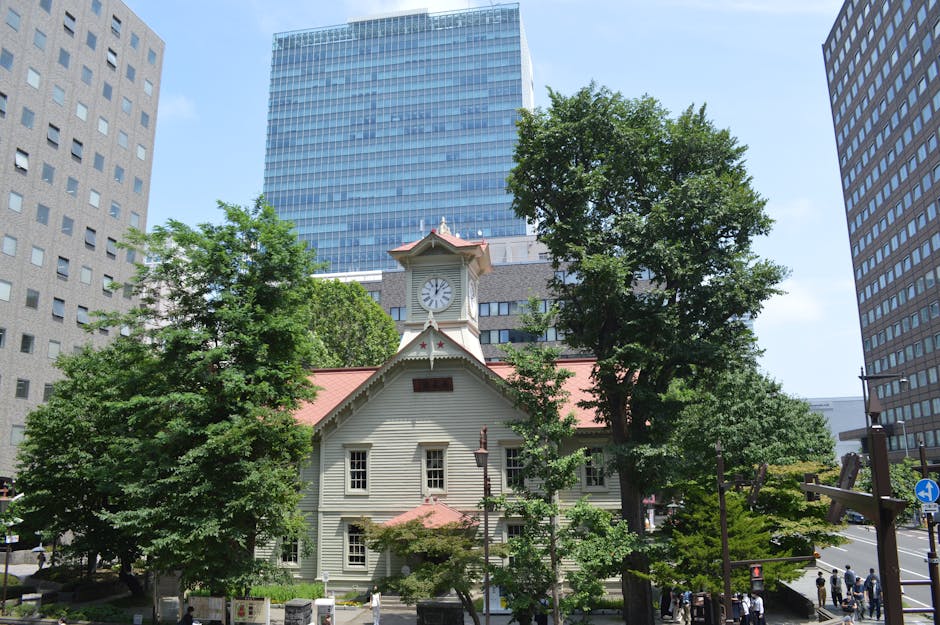
The green belt running 1.5 km east-west through the city centre, with Odori Park as its spine. This is where Sapporo’s biggest events happen: the Snow Festival fills the park with ice sculptures in February, the Summer Beer Garden lines it with outdoor drinking from July to August, and the Autumn Food Festival takes over in September. The rest of the year, it’s a pleasant tree-lined park with benches, fountains, and views toward the mountains.
TV Tower stands at the eastern end — a 147-metre observation tower from 1957 that’s become a city symbol despite being dwarfed by modern buildings. The observation deck (720 yen) gives a 360-degree panorama that’s best at sunset when the mountains catch the light and the city begins to glow. One block south of Odori, the Tanukikoji covered shopping arcade stretches 1 km with shops, restaurants, and covered warmth in winter.
Best for: Sightseeing, festivals, balanced location between station and nightlife
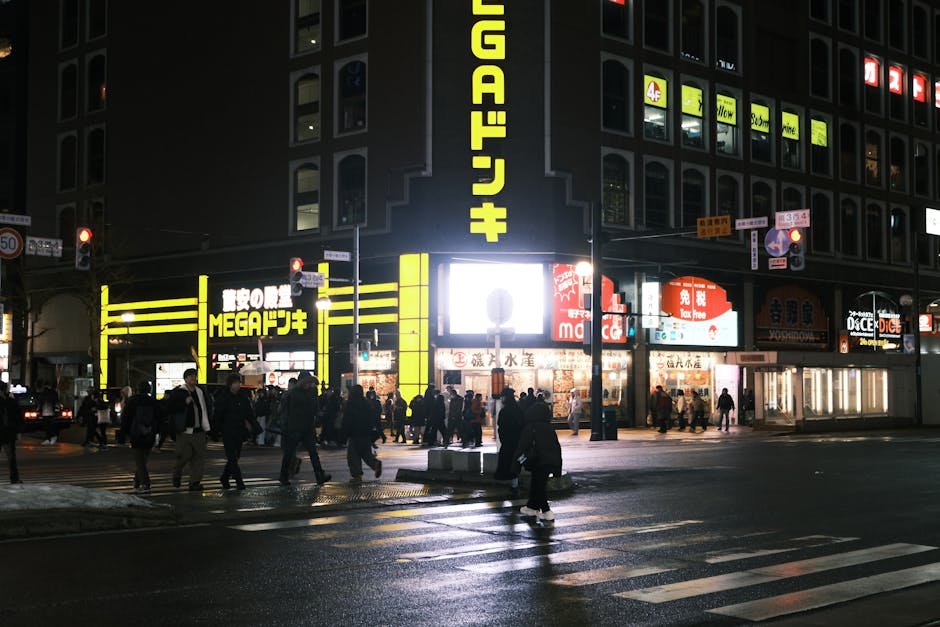
Susukino
Japan’s largest entertainment district north of Tokyo. The neon-lit blocks south of Odori pack in thousands of restaurants, bars, clubs, karaoke rooms, and late-night eateries. For visitors, the key draws are food-related: Ramen Yokocho (a narrow alley of 17 ramen shops operating since 1951), izakayas serving Hokkaido seafood, and an emerging craft beer scene. See our craft beer guide for specific bar recommendations.
Susukino is safe and well-lit despite its reputation as a nightlife district. Solo female travelers, couples, and families walk through the main streets without issue. The side streets get seedier (touts for bars, host/hostess club solicitors), but the main avenues are comfortable. Restaurants here stay open later than anywhere else in Sapporo — midnight and beyond, which matters if you’re arriving from evening activities or adjusting to jet lag.
Best for: Nightlife, late dining, ramen, people-watching
Maruyama
A quiet residential neighborhood 10 minutes west of Odori by subway (Tozai Line to Maruyama Koen Station). Hokkaido Shrine sits in the forested park, reached by a 15-minute walk through tall trees. The shrine grounds are where Sapporo residents come for cherry blossom viewing in early May — a week or two after the mainland season ends. Around the park, independent cafes, bakeries, and small restaurants cater to local residents rather than tourists. This is the Sapporo that people actually live in.
Best for: Quieter stay, local atmosphere, Hokkaido Shrine visit, cherry blossoms
Nakajima Park
South of Susukino, centred on a small park with a lake and concert hall. Hotels here are cheaper than the station or Odori areas, and the subway connects you to everything in minutes. The neighbourhood has a calm, residential feel without being far from the action. Budget travelers and families do well here.
What to See and Do
Sapporo Beer Museum and Beer Garden
The 1890 red-brick brewery building in the factory district east of Sapporo Station houses a free museum tracing the history of beer in Japan from the Meiji era. The guided tour (approximately 500 yen, includes tasting) is worth the time for beer enthusiasts. The real draw is the beer garden next door — multiple halls serving different Sapporo draft varieties alongside Hokkaido lamb jingisukan grilled on dome-shaped grills at each table.
The all-you-can-eat jingisukan plus all-you-can-drink draft beer plans run about 4,000 yen — one of the better value meals in Sapporo. Arrive by bus from Sapporo Station or walk 15 minutes through the factory district.
Book via: Klook
Nijo Market
A fish and food market occupying a city block between Odori and Susukino. Stalls sell uni-don (sea urchin on rice), crab legs, grilled scallops on the half-shell, melon slices, and ikura bowls. Prices are tourist-level — you’ll pay more here than at a regular restaurant for the same seafood — but the variety, the theatre of the market, and the ability to eat standing at a counter at 8 AM make it worth one visit. Go before 10 AM when the best stalls are fully stocked and the crowds are manageable.
For serious seafood at better prices, eat at restaurants in Susukino instead. See our seafood guide.
Odori Park and TV Tower
The park itself is a pleasant walk year-round — fountains and lilacs in summer, festival sites in season, snow and illuminations in winter. TV Tower observation deck (720 yen) gives the best overview of the city layout. The view west along Odori toward the mountains is the classic Sapporo photograph. Best visited at sunset.
Hokkaido Shrine (Hokkaido Jingu)
Set in the forests of Maruyama Park, reached by a 15-minute walk through towering trees from Maruyama Koen subway station. The shrine itself is Hokkaido’s most important, enshrining pioneer spirits. The approach through the forest is more memorable than the shrine building. Cherry blossoms in early May, autumn colour in October, and snow-covered paths in winter each give a different atmosphere. Combined with a walk through Maruyama neighbourhood for coffee and cake, this makes a pleasant half-day outing.
Mt. Moiwa Night View
A ropeway and mini cable car carry you to the summit for one of Japan’s certified “New Three Major Night Views.” The 360-degree panorama of Sapporo’s grid lit up at night is genuinely impressive. The ropeway runs until 22:00 (21:30 in winter). Round trip approximately 2,100 yen. A “lovers’ padlock” tradition at the summit makes it popular with couples. Clear nights are significantly better than hazy ones — check the weather before going.
Shiroi Koibito Park
The factory where Hokkaido’s most famous souvenir cookie (white chocolate between butter biscuits) is made. Tours through the production line, a chocolate history museum, and a cafe serving fresh-baked versions still warm from the oven. The building and gardens are ornate and photogenic. Approximately 800 yen entry. Miyanosawa Station (Tozai Line) then 7-minute walk. Allow 1.5-2 hours.
Sapporo Snow Festival (February)
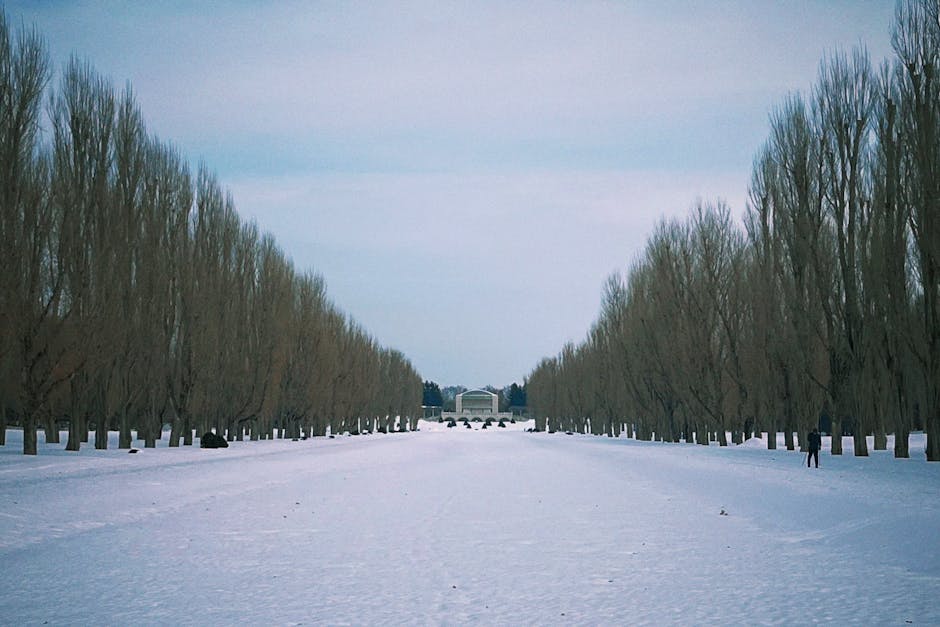
One of Japan’s biggest winter events, held over one week in early February. Three sites: Odori Park (massive snow and ice sculptures), Susukino (ice sculpture display), and Tsudome (snow activities for families). The main Odori site draws over 2 million visitors during the festival week. Hotels book out months ahead and prices double or triple — reserve as early as possible if visiting during this period.
See our winter activities guide and winter itinerary.
Historical Village of Hokkaido (Kaitaku no Mura)
An open-air museum 40 minutes from central Sapporo (bus from Shin-Sapporo Station) with over 60 relocated historical buildings from the pioneer era. In winter, horse-drawn sleigh rides through the village. A genuine look at how Hokkaido was settled. Half-day excursion.
Food
Sapporo is one of the best eating cities in Japan. The combination of Hokkaido’s agricultural bounty (dairy, vegetables, seafood) and a population large enough to support serious restaurant culture produces food quality that punches above almost any city its size.
The Essential Sapporo Foods
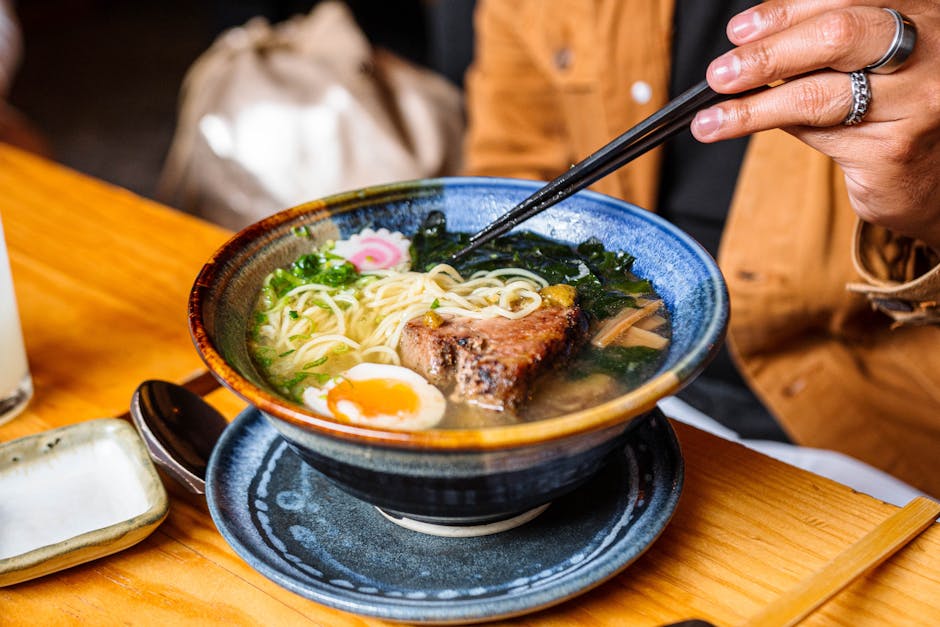
- Miso ramen — Sapporo’s defining dish. Rich miso broth, thick curly noodles, butter, corn, and chashu pork. The style was invented here in the 1950s and every neighbourhood has its loyalists arguing over which shop is best. See our ramen guide for specific recommendations.
- Soup curry — a Sapporo original that has barely spread beyond Hokkaido. Thin, highly spiced curry broth with large pieces of chicken, vegetables, and rice served on the side. Different from Japanese curry in every way. A defining Sapporo food experience.
- Jingisukan (Genghis Khan barbecue) — lamb and mutton grilled on a dome-shaped grill, named after the Mongol emperor. The fat runs off the dome into a moat of vegetables. A social, interactive meal best enjoyed with beer.
- Seafood — crab (multiple species, winter is peak), uni (sea urchin, summer peak), ikura (salmon roe, autumn), scallops, squid, and whatever else came off the boats that morning. See our seafood guide, crab guide, and sushi guide.
- Sapporo Classic — a Hokkaido-exclusive beer from Sapporo Breweries. Richer and more flavourful than regular Sapporo. Available at every convenience store and restaurant on the island. Try it on your first night.
- Hokkaido dairy — soft serve ice cream, fresh milk, cheese, and butter at a level the rest of Japan treats as premium. Even the convenience store coffee tastes better because it uses Hokkaido milk.
For the full food picture, see our Hokkaido Food Guide and sweets guide.
Getting There
By air: New Chitose Airport is Hokkaido’s main gateway, served by domestic flights from every major Japanese city plus international flights from Asia and seasonal routes from further afield. The JR Rapid Airport train reaches Sapporo Station in 37 minutes (1,150 yen, every 15 minutes). This is the fastest and most reliable connection. Airport shuttle buses also operate to major hotels (70-80 minutes, approximately 1,100 yen).
By Shinkansen: The Hokkaido Shinkansen runs from Tokyo to Shin-Hakodate-Hokuto (approximately 4 hours). From there, a limited express train continues to Sapporo (3.5 hours). The Sapporo extension of the Shinkansen is under construction and expected to open in the early 2030s.
See our Getting to Hokkaido guide for full details.
Getting Around
- Subway: Three lines intersecting at Odori Station. The Namboku Line (green) is the most useful — it connects Sapporo Station, Odori, and Susukino in a straight line. Day pass 830 yen (520 yen on weekends and holidays — exceptional value).
- Underground walkway (Chikaho): A covered passage running 2 km from Sapporo Station to Susukino, entirely below ground. Lined with shops and cafes, with connecting passages to buildings on each side. In winter, this is how locals move through the city centre without exposure to -10°C temperatures and icy sidewalks.
- Walking: The main area from Sapporo Station to Susukino is 2 km on a flat grid. Comfortable walking in good weather, though in winter the ice and cold make the underground walkway preferable.
- Streetcar: A single tram loop through southern Sapporo. Charming but slow. Useful for reaching some Susukino-area restaurants.
See our Sapporo Subway Guide for full details on lines, fares, passes, and IC cards.
Where to Stay
| Area | Best For | Price Range |
|---|---|---|
| Sapporo Station | Transport, first-timers | 8,000-25,000 yen |
| Odori | Sightseeing, Snow Festival | 7,000-20,000 yen |
| Susukino | Nightlife, late dining | 5,000-15,000 yen |
| Nakajima Park | Budget, families, quiet | 4,000-10,000 yen |
All four areas connect by subway within 5 minutes. The best choice depends on your priorities, not proximity — everything is close. See our full Where to Stay in Sapporo guide with hotel recommendations by budget.
Day Trips from Sapporo
| Destination | Time | Transport | Highlights |
|---|---|---|---|
| Otaru | 32 min | JR train | Canal, sushi, glasswork. See Otaru guide |
| Jozankei Onsen | 45 min | Bus | Hot springs, autumn foliage. See Jozankei guide |
| Noboribetsu | 75 min | JR limited express | Hell Valley, onsen town. See Noboribetsu guide |
| Asahiyama Zoo | 85 min | JR limited express | Best zoo in Japan. See Asahikawa guide |
| Nikka Yoichi | 90 min | JR train via Otaru | Whisky distillery, free tasting |
| Lake Toya | 100 min | JR limited express | Volcano, onsen, lakeside. See Lake Toya guide |
| Furano/Biei | 2 hrs | Car or guided tour | Lavender (July), Blue Pond. See Furano guide |
All day trips except Furano are covered by the JR Hokkaido Rail Pass. Guided tours from Sapporo available via Klook.
Seasonal Highlights
| Season | Temperature | Highlights |
|---|---|---|
| Winter (Dec-Mar) | -8 to 0°C | Snow Festival (Feb), skiing at Teine/Niseko, illuminations, onsen in the snow |
| Spring (Apr-May) | 3 to 17°C | Cherry blossoms at Maruyama and Goryokaku (early May), shoulder-season prices |
| Summer (Jun-Aug) | 15 to 26°C | Odori Beer Garden, lavender day trips to Furano, comfortable heat (no Tokyo humidity) |
| Autumn (Sep-Nov) | 2 to 18°C | Jozankei foliage (Oct), Autumn Food Festival, best value season |
See our climate guide, seasonal itineraries, and best time to visit.
Practical Information
- Language: Tourist areas have English signage. Restaurants may not. Google Translate camera works well for menus. See our language guide.
- Cash: Carry 10,000-20,000 yen. Many restaurants and smaller shops are cash-only. 7-Eleven ATMs accept international cards. See our money guide.
- WiFi: Available at stations, convenience stores, and most hotels. eSIM recommended for reliable coverage. See our WiFi guide.
- Winter clothing: Proper winter gear is essential December-March. Ice grips for shoes available at convenience stores. See our packing guide.