Hokkaido isn’t Tokyo. You won’t find English menus on every corner or bilingual staff at every convenience store. But that doesn’t mean navigating the island is some kind of linguistic obstacle course. With a little preparation — and the right apps on your phone — most visitors get through their entire trip without any serious communication breakdowns. The key is knowing where English help exists, where it doesn’t, and having a handful of phrases ready for the gaps in between.
Japanese people are, as a rule, genuinely helpful when tourists are clearly struggling. A pointed finger, a phone screen with a translation, and a polite sumimasen will get you surprisingly far. Don’t let the script intimidate you. Most of what you actually need to communicate — ordering food, asking for a train ticket, checking in to a hotel — is manageable even with zero Japanese background.
Where English Works
Sapporo, Niseko, and New Chitose Airport are the most reliably English-friendly parts of Hokkaido. At the airport, signage is bilingual throughout, and immigration and customs staff have basic English. Major hotels in Sapporo and Niseko (particularly those catering to international ski visitors) typically employ front desk staff with functional English. Tourist information centres in Sapporo — including the one at Sapporo Station — have English-speaking staff and free printed maps in English.
Niseko has become so popular with Australian and international skiers that some areas feel almost more English than Japanese. Many restaurant menus, ski rental shops, and accommodation providers operate primarily in English during winter season. This is unusual for a rural Hokkaido town and shouldn’t be treated as the norm elsewhere.
Where English Is Limited
Step outside the major tourist infrastructure and English largely disappears. Smaller onsen towns like Noboribetsu, Jozankei, and Sounkyo have minimal English signage. Rural izakayas and local ramen shops rarely have English menus, and staff won’t typically speak more than a word or two. Transport outside Sapporo — local buses in particular — is almost entirely Japanese-only.
This isn’t a problem. It’s just reality, and it’s worth setting the right expectations before you arrive rather than being surprised.
Essential Phrases
These cover the situations you’ll actually encounter. Japanese is phonetically consistent — once you learn the pronunciation rules, you can read hiragana and katakana fairly quickly. That said, romaji (romanised Japanese) works fine for getting started.
| English | Japanese | Pronunciation |
|---|---|---|
| Excuse me / Sorry to bother you | すみません | Su-mi-ma-sen |
| Thank you | ありがとうございます | A-ri-ga-tou go-zai-ma-su |
| Please (requesting something) | お願いします | O-ne-gai shi-ma-su |
| Yes / No | はい / いいえ | Hai / I-i-e |
| I don’t understand | わかりません | Wa-ka-ri-ma-sen |
| Do you speak English? | 英語を話せますか? | Ei-go o ha-na-se-ma-su-ka? |
| Where is…? | 〜はどこですか? | …wa do-ko des-ka? |
| How much does this cost? | いくらですか? | I-ku-ra des-ka? |
| One more, please | もう一つください | Mou hi-to-tsu ku-da-sai |
| The bill, please | お会計をお願いします | O-kai-kei o o-ne-gai shi-ma-su |
| I’m sorry | すみません / ごめんなさい | Su-mi-ma-sen / Go-men-na-sai |
Restaurant Language
Eating in Hokkaido is one of the great pleasures of the island — the food scene is genuinely excellent — and most of the awkwardness around ordering dissolves once you know a few key phrases. Many local restaurants use plastic food displays outside or picture menus, which makes pointing a completely viable strategy.
Ordering and Seating
| Situation | Japanese | Pronunciation |
|---|---|---|
| Table for two, please | 二人です | Fu-ta-ri des |
| This one, please (pointing at menu) | これをください | Ko-re o ku-da-sai |
| I’ll have the same | 同じものをください | O-na-ji mo-no o ku-da-sai |
| Delicious! | おいしい! | O-i-shi-i! |
| I’m full / It was great | ごちそうさまでした | Go-chi-so-sa-ma desh-ta |
Dietary Needs and Allergies
Communicating allergies in Japanese restaurants requires care. Staff are generally conscientious, but cross-contamination standards vary. If you have a serious allergy, carry a printed allergy card in Japanese — these are available through services like the Allergy Translation Card website, or you can create one through Google Translate and have a native speaker check it.
| Dietary need | Japanese | Notes |
|---|---|---|
| I’m allergic to… | 〜アレルギーがあります | …a-re-ru-gi ga a-ri-ma-su |
| Shellfish allergy | 甲殻類アレルギー | Ko-ka-ku-rui a-re-ru-gi |
| Nut allergy | ナッツアレルギー | Na-ttsu a-re-ru-gi |
| I don’t eat meat | 肉を食べません | Ni-ku o ta-be-ma-sen |
| I don’t eat fish | 魚を食べません | Sa-ka-na o ta-be-ma-sen |
| Vegetarian | ベジタリアン | Be-ji-ta-ri-an |
| No pork, please | 豚肉なしでお願いします | Bu-ta-ni-ku na-shi de o-ne-gai shi-ma-su |
Be aware that dashi (fish stock) is used in many dishes that appear vegetarian, including miso soup and some ramen broths. If you avoid fish, specify this explicitly.
Transport Language
Getting around Hokkaido involves a mix of JR trains, local buses, and rental cars. Trains are generally easier for non-Japanese speakers — vending machines at larger stations often have English interfaces, and JR Hokkaido’s main stations have bilingual signage. Buses are harder.
| Situation | Japanese | Pronunciation |
|---|---|---|
| One ticket to [place], please | [場所]まで一枚お願いします | …ma-de i-chi-mai o-ne-gai shi-ma-su |
| Round trip / One way | 往復 / 片道 | O-fu-ku / Ka-ta-mi-chi |
| Which platform for [place]? | [場所]行きは何番ホームですか? | …yu-ki wa nan-ban ho-mu des-ka? |
| Does this train stop at…? | この電車は〜に止まりますか? | Ko-no den-sha wa…ni to-ma-ri-ma-su-ka? |
| I’m lost | 迷子になりました | Ma-i-go ni na-ri-ma-shi-ta |
For buses, the IC card Kitaca (sold at Sapporo Station) removes most of the ticketing complexity — just tap on and tap off. It works on Sapporo’s subway, buses within the city, and some intercity routes.
Onsen Signs and Words
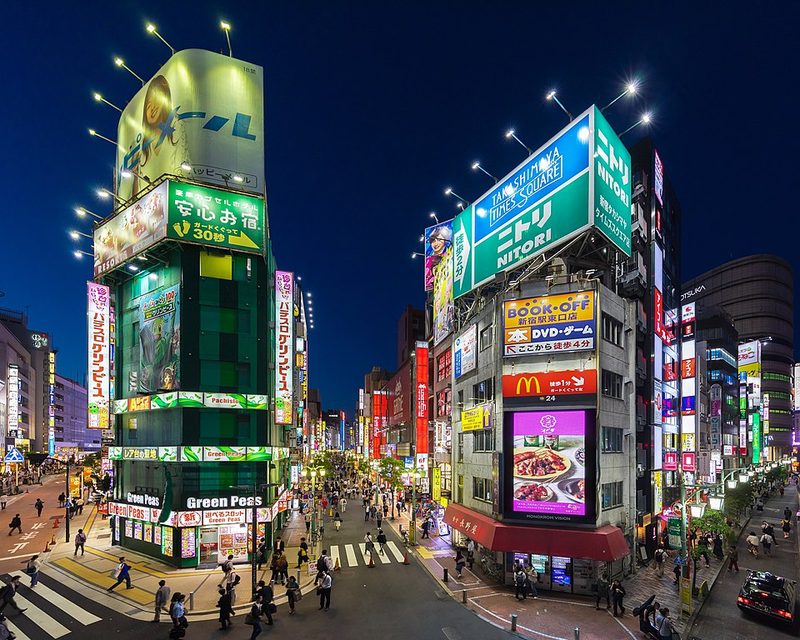
Hokkaido’s hot springs are among its best features, and the onsen experience is very rule-governed. Knowing the key signs prevents the most common mistakes — including accidentally walking into the wrong bath.
| Japanese | Romaji | Meaning |
|---|---|---|
| 男 | Otoko | Men / Male |
| 女 | Onna | Women / Female |
| 脱衣所 | Datsuijo | Changing room |
| 洗い場 | Araiba | Washing area (shower before entering bath) |
| 露天風呂 | Rotenburo | Outdoor bath |
| 内湯 | Uchiyu | Indoor bath |
| サウナ | Sauna | Sauna |
| タトゥー禁止 | Tatu kinshi | No tattoos (commonly enforced) |
| 水風呂 | Mizuburo | Cold plunge pool |
The tattoo rule is enforced at most traditional onsen. Private bath rentals (kashikiri buro) are an option at many ryokan if this affects you — worth asking at check-in.
Hotel and Accommodation Phrases
Larger hotels in Sapporo and tourist areas will handle check-in in English without difficulty. At smaller ryokan and minshuku, you’re more likely to need a few phrases.
| Situation | Japanese | Pronunciation |
|---|---|---|
| I have a reservation | 予約しています | Yo-ya-ku shi-te i-ma-su |
| My name is… | 〜と申します | …to mo-shi-ma-su |
| What time is check-out? | チェックアウトは何時ですか? | Che-kku-a-u-to wa nan-ji des-ka? |
| Can I store my luggage? | 荷物を預かってもらえますか? | Ni-mo-tsu o a-zu-ka-tte mo-ra-e-ma-su-ka? |
| Is breakfast included? | 朝食は含まれていますか? | Cho-sho-ku wa fu-ku-ma-re-te i-ma-su-ka? |
Emergency Phrases
| Situation | Japanese | Pronunciation |
|---|---|---|
| Help! | 助けてください! | Ta-su-ke-te ku-da-sai! |
| Call an ambulance | 救急車を呼んでください | Kyu-kyu-sha o yon-de ku-da-sai |
| Call the police | 警察を呼んでください | Kei-sa-tsu o yon-de ku-da-sai |
| I’m sick | 具合が悪いです | Gu-ai ga wa-ru-i des |
| I’ve lost my passport | パスポートをなくしました | Pa-su-po-to o na-ku-shi-ma-shi-ta |
Emergency numbers in Japan: 110 for police, 119 for ambulance and fire. The Japan Tourism Agency operates a 24-hour multilingual tourism hotline at 050-3816-2787 — English operators are available around the clock.
Apps and Translation Tools
Your phone is your best translation asset. Download everything before you leave, because rural Hokkaido has patchy data coverage in some areas.
- Google Translate (camera mode) — point your camera at any Japanese text and it overlays a translation in real time. Works on menus, signs, and onsen rules. Download the Japanese language pack for offline use.
- Google Maps — reliable for navigation, transit directions, and restaurant discovery. Most businesses have Google Maps listings with hours and reviews. Download Hokkaido offline maps before arrival.
- Hyperdia or Jorudan — better than Google Maps specifically for train and bus route planning in Japan. Shows fare breakdowns and platform numbers.
- DeepL — superior translation quality for longer text compared to Google Translate. Excellent for reading accommodation policies or emails from guesthouses.
- Yomiwa — offline Japanese dictionary with handwriting recognition. Useful when Google Translate fails on an unusual kanji.
Practical tip: screenshot important information (your accommodation’s address in Japanese, the kanji for your destination station) before you go offline. Showing a Japanese address to a taxi driver is far more effective than attempting pronunciation.
Hokkaido-ben: Local Dialect Words
Hokkaido was settled relatively recently compared to the rest of Japan — mass migration from Honshu began in the Meiji era, which gives the regional dialect (Hokkaido-ben) a slightly different character to other Japanese dialects. You won’t need to use these, but you might hear them — and locals tend to appreciate it when visitors show any awareness of regional culture.
| Hokkaido-ben | Standard Japanese | Meaning |
|---|---|---|
| なまら (namara) | とても (totemo) | Very / really (as in namara oishii — really delicious) |
| したっけ (shitakke) | じゃあね / そうしたら | See you / well then (casual farewell) |
| わや (waya) | ひどい / めちゃくちゃ | Terrible / a mess / hopeless |
| はんかくさい (hankakusai) | 馬鹿らしい / おかしい | Silly / foolish |
| 〜さ (sa) | 〜ね / 〜よ | Sentence-ending particle, like “you know” |
Namara in particular is widely understood as a Hokkaido marker — using it at a Sapporo izakaya will almost certainly get a smile.
Ainu Place Names
Many place names in Hokkaido come from the Ainu language, not Japanese. Sapporo derives from “sat poro pet” (dry, great river). Niseko comes from “nisey-ko” (cliff river). Tokachi means “place where the river flows.” The pattern “~betsu” in place names (Noboribetsu, Monbetsu) comes from the Ainu word “pet” meaning river. “~nai” (Wakkanai, Iwanai) comes from “nay,” also meaning stream. Once you recognise these patterns, you start seeing Ainu language everywhere on the Hokkaido map. See our Ainu culture guide for more.