Hokkaido’s climate differs fundamentally from the rest of Japan. The island sits at latitudes comparable to southern France or the northern United States, but its position between the Sea of Japan and the Pacific Ocean creates weather patterns unique in Japan: genuine four-season variation, subarctic winters, comfortable summers without the debilitating humidity that characterises the rest of the country, and a near-total absence of the tsuyu (rainy season) that drenches Honshu from mid-June through mid-July.
That last point matters more than people realise. While Tokyo and Kyoto are under umbrellas for a solid month every summer, Hokkaido stays dry and comfortable. It is the single biggest climate advantage the island has, and it is the reason that many Japanese families head north in July and August.
Understanding the climate is essential for trip planning — the difference between January and July is not merely one of temperature but of entirely different landscapes, activities, and packing requirements. A January trip to Niseko and a July trip to Furano might as well be to different countries.
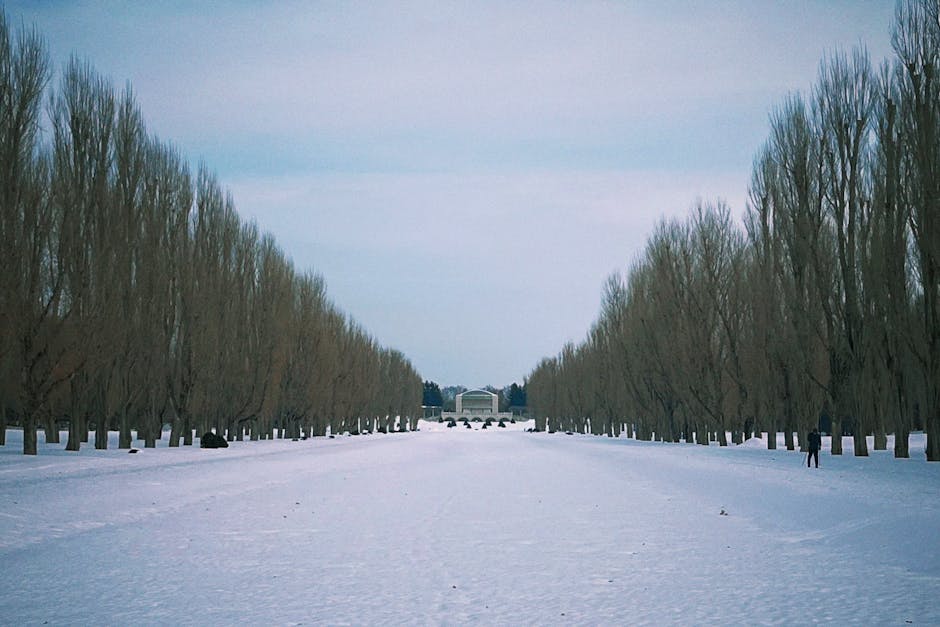
Monthly Overview: Sapporo
| Month | Avg High | Avg Low | Precipitation | Conditions |
|---|---|---|---|---|
| January | -1°C | -8°C | 110cm snow | Deep winter, heavy snow, coldest period |
| February | 0°C | -8°C | 95cm snow | Cold, Snow Festival, peak ski conditions |
| March | 4°C | -4°C | 60cm snow | Late winter, snow melting in city, skiing still good |
| April | 11°C | 2°C | 55mm rain | Snow gone in cities, spring emerging, cool |
| May | 17°C | 7°C | 55mm rain | Cherry blossoms, pleasant spring weather |
| June | 21°C | 12°C | 50mm rain | Early summer, no rainy season, comfortable |
| July | 25°C | 17°C | 80mm rain | Warm, lavender season, longest days |
| August | 26°C | 18°C | 120mm rain | Warmest month, occasional afternoon showers |
| September | 22°C | 13°C | 135mm rain | Early autumn, foliage starts at high elevations |
| October | 15°C | 6°C | 110mm rain | Peak foliage at mid-elevations, cooling fast |
| November | 7°C | 0°C | 50cm snow | First snow, transition to winter |
| December | 1°C | -5°C | 100cm snow | Winter begins, ski season opens |
Regional Variations
Hokkaido is roughly the size of Austria, and weather conditions vary significantly between regions. The same January day can be -3°C with heavy snow in Niseko, -15°C with clear skies in Asahikawa, and -8°C with fog in Kushiro. Planning around regional climate is important if your trip covers multiple areas.
Sea of Japan Side (Sapporo, Otaru, Niseko)
The heaviest snowfall in Hokkaido. Cold Siberian air masses absorb moisture crossing the Sea of Japan and deposit it as snow when they hit the western mountains. Niseko receives 14–15 metres of annual snowfall; Sapporo approximately 5–6 metres. The snow is characteristically dry and light — low moisture content — which is why the ski resorts on this side have their international reputation.
Summers are warm and comfortable, typically 20–26°C, with low humidity compared to mainland Japan. Rain comes in occasional showers rather than sustained downpours. August is the wettest month but still far drier than Tokyo’s rainy season.
Interior (Asahikawa, Furano, Biei, Kamikawa)
The coldest temperatures in Hokkaido, and often the coldest in Japan. Asahikawa regularly records Japan’s lowest winter temperatures, occasionally dropping below -25°C. The record is -41°C (1902), which remains the coldest temperature ever officially recorded in Japan. The interior receives less snow than the Sea of Japan coast but what falls stays frozen — the cold is dry and the snow doesn’t melt until April.
Summers have the widest temperature range: daytime highs of 25–30°C (Asahikawa can be surprisingly hot in July) with cool nights dropping to 12–15°C. The Furano and Biei area benefits from this diurnal range — warm days and cool nights are ideal for agriculture and flower growing.
Pacific Side (Kushiro, Obihiro, Tokachi)
Less snow than the western side, but fog is the defining weather feature. The cold Oyashio current offshore generates persistent sea fog along the Pacific coast, particularly in summer. Kushiro can be fogged in for days while Sapporo enjoys sunshine. Summer temperatures along the coast rarely exceed 22°C — it can feel genuinely cold on a foggy August day in Kushiro.
The Tokachi region inland is sunnier and drier — the mountains block the Pacific fog, and the plains receive more sunshine than any other part of Hokkaido. This is why Tokachi is the agricultural heartland. Winter is cold and dry with clear skies more common than on the Japan Sea side.
Sea of Okhotsk (Abashiri, Shiretoko, Monbetsu)
Cold and windswept. This coast receives drift ice from late January through March — a natural phenomenon found nowhere else in Japan. The sea ice drifts south from Russia, covering the ocean surface and dramatically lowering coastal temperatures. Winter regularly drops to -15°C to -20°C, and the wind chill factor off the frozen ocean makes it feel colder still.
Summer is cool, with temperatures rarely exceeding 20°C. The drift ice melts by April but the water stays cold, keeping coastal temperatures lower than inland areas at the same latitude.
Southern Hokkaido (Hakodate, Matsumae)
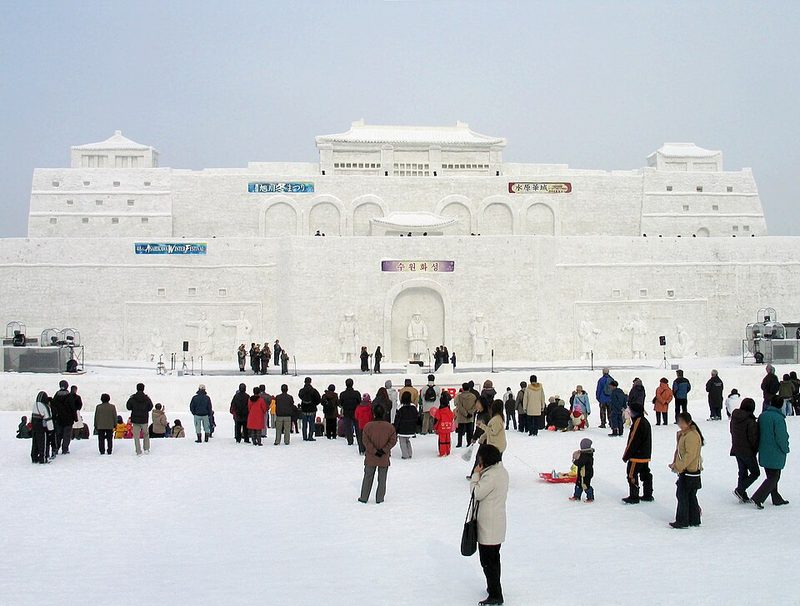
Hakodate has the mildest climate in Hokkaido, influenced by the Tsushima Warm Current. Winters are milder than Sapporo (average January high around 1–2°C vs. Sapporo’s -1°C) with less snow. Cherry blossoms arrive here first, typically late April — a full week before Sapporo. Summers are pleasant but can be foggy on the coast.
The Four Seasons in Detail
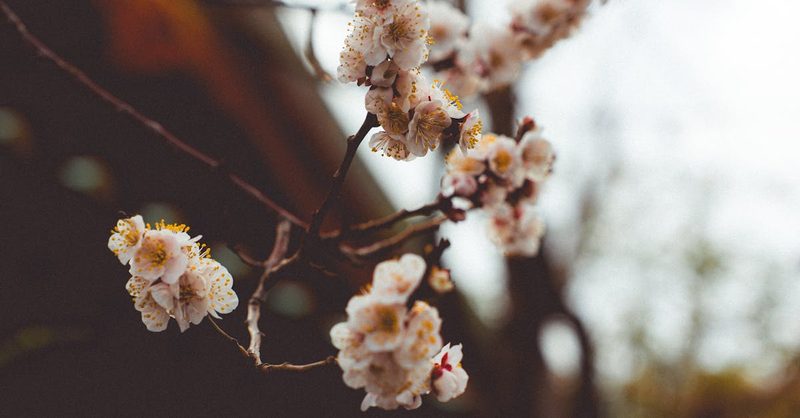
Winter (December–March)
Hokkaido’s defining season. Snow begins in November and accumulates through March, with Sapporo’s streets typically having 1+ metre of packed snow on the ground by January. The landscape transforms completely — the green fields of summer become a white expanse, rivers freeze, and the volcanic peaks disappear into cloud.
The cold is genuine but manageable with proper clothing. Sapporo’s daytime temperatures hover around -3°C to -7°C in January, which is cold but not the -20°C that interior and eastern areas experience. The underground walkway system in Sapporo (connecting Sapporo Station to Susukino, about 2km) lets you move through the city centre without going outside.
The main risks are icy sidewalks (see our safety guide) and underestimating the cold when waiting for transport in rural areas. Dress properly and you will be comfortable. See our packing guide for specific winter gear recommendations.
Spring (April–May)
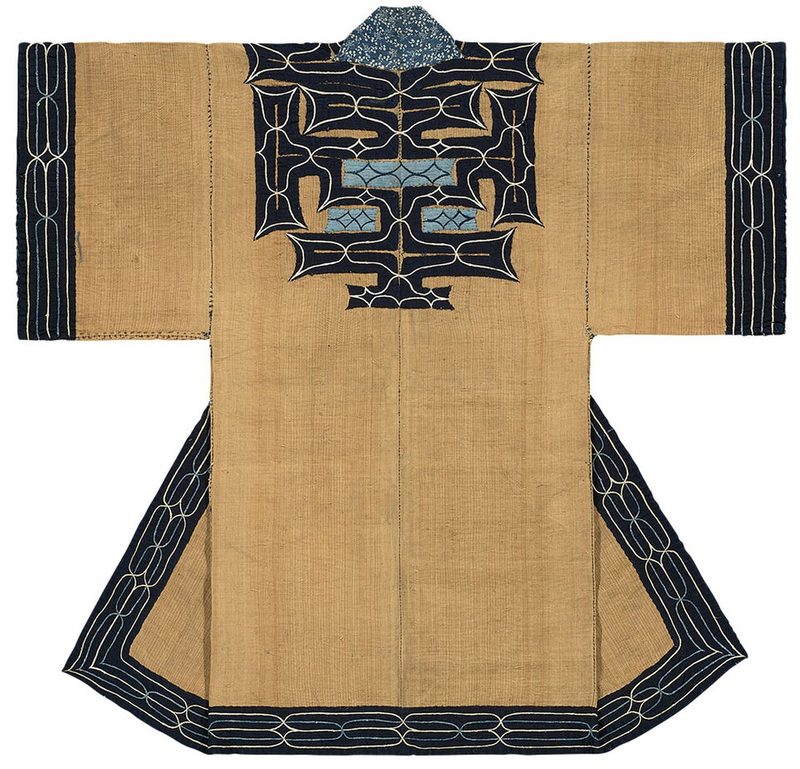
A gradual thaw. April can feel between-seasons — the snow is melting but the green hasn’t arrived, and the landscape is brown and grey. By May, everything changes: cherry blossoms arrive (late April in Hakodate, early May in Sapporo), the grass turns green, and temperatures reach a comfortable 12–17°C.
Hokkaido’s cherry blossom season is a full month behind Tokyo’s, which makes it possible to see sakura twice in one trip if you’re moving north through Japan. The Goryokaku fort in Hakodate and Maruyama Park in Sapporo are the premier spots.
Summer (June–August)
The most comfortable summer climate in Japan. While Tokyo and Osaka suffer 35°C with 80% humidity, Hokkaido sits at a pleasant 20–26°C with low humidity. The lack of a rainy season (Hokkaido gets occasional showers rather than weeks of continuous rain) makes it the best place in Japan for summer travel.
June and July have the longest daylight hours — up to 15 hours in late June, with dawn before 04:00 and sunset after 19:00. This gives you significantly more outdoor time than winter visits. August is the warmest month and also the wettest (though “wet” in Hokkaido terms is still drier than an average month in most of Japan).
The one exception: eastern Hokkaido can be foggy and cool in summer, particularly along the Pacific coast. Don’t assume warm weather if you are heading to Kushiro or Shiretoko — bring a jacket.
Autumn (September–November)
Japan’s earliest autumn colour begins in Daisetsuzan‘s alpine zone in late August and progresses downhill through October. The combination of volcanic peaks, coloured deciduous forest, and clear autumn skies makes Hokkaido’s foliage season particularly photogenic. September is warm and stable (18–22°C); October cools rapidly (11–16°C); November is the transition to winter with bare trees and first snow.
See our photography guide for the best foliage viewing locations and timing.
Typhoons
Hokkaido is largely spared from typhoons that regularly hit Honshu, Kyushu, and Shikoku. Typhoons weaken as they move north, and most that reach Hokkaido arrive as extratropical storms with heavy rain and wind rather than the destructive force they carry further south. That said, late August through September can occasionally see typhoon-related weather disruption — check forecasts if travelling during this period. The Japan Meteorological Agency website provides English-language typhoon tracking.
Daylight Hours
Hokkaido’s northern latitude means significant daylight variation between seasons:
| Month | Sunrise | Sunset | Daylight Hours |
|---|---|---|---|
| January | 07:06 | 16:10 | ~9 hours |
| April | 05:05 | 18:10 | ~13 hours |
| June | 03:55 | 19:15 | ~15.5 hours |
| August | 04:40 | 18:45 | ~14 hours |
| October | 05:40 | 16:55 | ~11 hours |
| December | 06:55 | 16:00 | ~9 hours |
The long summer days are a genuine advantage for sightseeing and outdoor activities. The short winter days are a consideration for itinerary planning — outdoor attractions effectively close at 16:00 in December when dusk begins.
What to Wear Each Season
Detailed clothing recommendations by month are in our packing guide. The quick version:
- Winter (Dec–Mar): Full winter gear. Insulated waterproof jacket, thermal base layers, waterproof boots with grip, hat, gloves, scarf. Ice grips for shoes. This is not optional.
- Spring (Apr–May): Layers. Base + mid-layer + windproof outer. Mornings are cool (5–8°C), afternoons warm to 15–20°C.
- Summer (Jun–Aug): T-shirts, light layers, rain jacket. One fleece for cool evenings and mountain areas.
- Autumn (Sep–Nov): Layers again. September is comfortable; November is approaching winter. Late October onwards, bring a proper warm jacket.
Related Guides
- Best Time to Visit Hokkaido — month-by-month recommendations with events and activities
- Packing Guide — what to bring for each season
- Safety Guide — winter driving, icy sidewalks, cold exposure
- Winter Activities
- Summer Activities