Hokkaido is accessible by air, rail, and sea from multiple points in Japan. For most international visitors arriving via Tokyo, the decision comes down to a 90-minute flight versus a longer rail journey — each with distinct advantages. The flight is faster; the train lets you stop in Hakodate along the way. Budget carriers have made flying cheaper than ever; the JR Pass makes the train effectively free if you already have one.
The short version: fly if speed matters, take the Shinkansen if you hold a JR Pass or want to visit Hakodate, and consider the ferry if you are bringing a car or want to save on accommodation by travelling overnight.
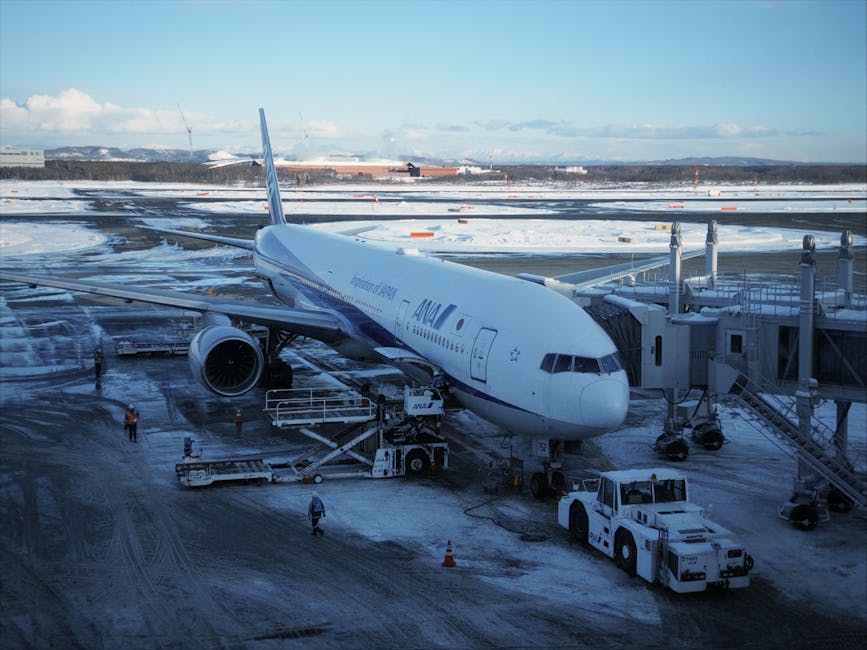
By Air
New Chitose Airport (CTS)
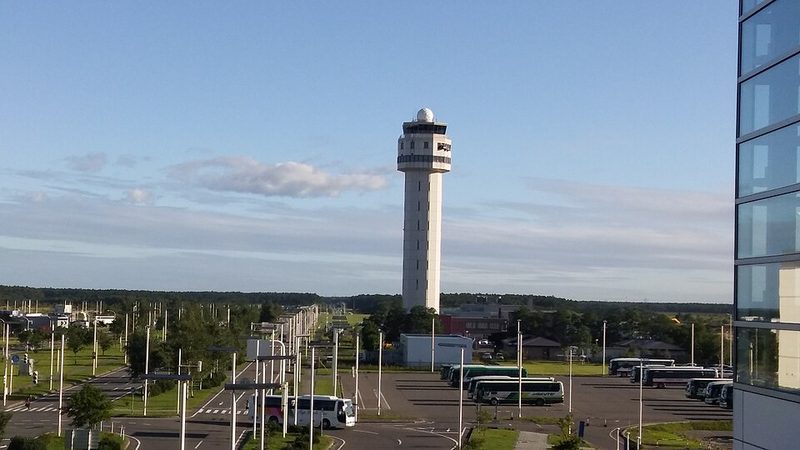
Hokkaido’s primary gateway, located approximately 40km south of Sapporo. It handles over 20 million passengers annually and is one of the busiest airports in Japan. The terminal is modern, well-signposted in English and Japanese, and has extensive shopping and dining — including the largest Hokkaido souvenir section you will find anywhere (domestic departures level).
From Tokyo: The Haneda–New Chitose route is one of the busiest air corridors in the world. Flights depart every 15–30 minutes during peak hours, operated by JAL, ANA, Skymark, Air Do, and Peach Aviation. Flight time is approximately 90 minutes. Fares vary significantly:
- Full-service advance purchase: ¥10,000–15,000 (~$68–102) one-way on JAL or ANA, booked 28+ days ahead
- Budget carriers: Peach, Skymark, and Air Do from ¥5,000–8,000 (~$34–54) one-way, booked well in advance
- Last-minute / peak season: ¥25,000–40,000 (~$170–270) on full-service carriers
From Osaka: Flights from Kansai (KIX) and Itami (ITM) take about 2 hours. JAL, ANA, Peach, and Jetstar operate the route. Similar pricing to the Tokyo route.
From other cities: Direct domestic flights from Nagoya (Chubu Centrair), Fukuoka, Sendai, and several other cities. Frequency varies — check routes before assuming a direct connection exists.
International flights: New Chitose receives direct international services from Seoul (Incheon), Taipei, Hong Kong, Bangkok, Singapore, and several Chinese cities. During ski season, additional charter and seasonal services operate from Australia and Southeast Asia directly to Hokkaido, avoiding the need to connect through Tokyo.
Other Hokkaido Airports
- Hakodate Airport (HKD): Domestic flights from Tokyo Haneda (1 hour 20 minutes). Useful if Hakodate is your first or only stop. Airport to city centre: shuttle bus 20 minutes, ¥450 (~$3).
- Asahikawa Airport (AKJ): Flights from Tokyo Haneda. Convenient for Asahikawa, Daisetsuzan, and as a gateway for eastern Hokkaido.
- Kushiro Airport (KUH): Flights from Tokyo. Gateway for eastern Hokkaido — Kushiro Wetlands, Akan lakes, Shiretoko.
- Memanbetsu Airport (MMB): Near Abashiri. Flights from Tokyo. The closest airport to Shiretoko and the drift ice coast.
- Obihiro Airport (OBO): Flights from Tokyo. Gateway for Tokachi region.
- Wakkanai Airport (WKJ): Flights from Tokyo. Gateway for northern Hokkaido and the Rishiri/Rebun islands.
Flying into a regional airport and out of another (e.g., into Kushiro, out of New Chitose) avoids backtracking and saves a full travel day. Check multi-city flight pricing before assuming a Sapporo round trip is cheapest.
New Chitose Airport to Sapporo
JR Rapid Airport Train (Recommended)
The fastest and most reliable connection. Trains depart every 15 minutes from the basement of the airport terminal directly to JR Sapporo Station. Journey time: 37 minutes. Fare: ¥1,150 (~$8). Covered by the JR Hokkaido Rail Pass. The train also stops at Minami-Chitose (transfer to Obihiro/Kushiro lines) and Shin-Sapporo (transfer to subway Tozai Line).
The train is the right choice for most visitors. It runs from approximately 06:50 to 22:50. Find the JR ticket gates in the airport basement (follow signs for “JR”) and buy tickets at the machines (English interface available) or use an IC card (Kitaca/Suica/PASMO).
Airport Shuttle Bus
Buses operate to major Sapporo hotels and the Sapporo Station bus terminal. Journey time: 70–80 minutes (depending on traffic and hotel location). Fare: approximately ¥1,100 (~$7.50). More convenient than the train if your hotel is far from Sapporo Station (e.g., Susukino area, Nakajima Park area) since the bus may stop closer. Buy tickets at the bus counter in the arrivals area.
Direct Resort Shuttles
During ski season (December–March), direct shuttle buses run from New Chitose Airport to Niseko (2.5–3 hours, ~¥4,500), Rusutsu (2 hours), and other ski resorts. Book in advance — these fill up during peak weeks. Available through resort operators, Klook, and bus company websites.
What to Do at New Chitose Airport
If you arrive early or have time before departure, the airport is worth exploring. The domestic terminal (connected to international by a short walk) has:
- Royce Chocolate World — a free exhibition on chocolate making plus the full Royce product range
- Hokkaido souvenir floor — the largest single collection of Hokkaido omiyage. See our souvenirs guide
- Ramen alley — multiple Hokkaido ramen shops representing different regional styles
- Onsen — yes, the airport has a hot spring bath (New Chitose Airport Onsen, ¥1,500/~$10). Useful for freshening up after a long flight or before a red-eye departure
- International ATMs — Seven Bank ATMs in the arrivals area. Withdraw cash on arrival. See our money guide
- SIM cards and WiFi — vending machines in arrivals sell tourist SIM cards. Pocket WiFi rental counters (Global WiFi, WiFi Rental Japan) are near the baggage claim exits. See our WiFi guide
By Train (Hokkaido Shinkansen)
The Hokkaido Shinkansen connects Tokyo to Shin-Hakodate-Hokuto Station in southern Hokkaido in approximately four hours. The route passes through the Seikan Tunnel — the world’s longest undersea tunnel — crossing the Tsugaru Strait between Honshu and Hokkaido. From Shin-Hakodate-Hokuto, a connecting JR Limited Express continues to Sapporo in an additional 3.5 hours, making the total Tokyo–Sapporo journey approximately 7.5–8 hours by rail.
An extension to bring the Shinkansen directly to Sapporo is under construction but has been delayed — completion is not expected before 2030 at the earliest.
When the Shinkansen Makes Sense
- You hold a Japan Rail Pass: the Shinkansen to Hokkaido is fully covered (ordinary reserved seats). This makes the train journey effectively free, whereas flights cost extra. For JR Pass holders, the math is clear.
- You want to stop in Hakodate: Shin-Hakodate-Hokuto is 20 minutes from Hakodate city by local train. Hakodate deserves at least one overnight stay for the night view, morning market, and Goryokaku. Using the Shinkansen lets you break the journey naturally.
- You’re travelling from Tohoku: From Sendai (2.5 hours to Shin-Hakodate-Hokuto), the Shinkansen is faster and more practical than flying.
When to Fly Instead
- If you don’t have a JR Pass and are going directly to Sapporo, flying is faster (90 min vs 8 hours) and often cheaper (budget airline fares can beat the ~¥23,000 Shinkansen fare).
- If your time is limited and you want to maximise days in Hokkaido rather than days in transit.
By Ferry
Ferry services connect Hokkaido to several ports on Honshu. They are the slowest option but have specific advantages: they are often the cheapest, they accommodate vehicles, and overnight crossings combine transport with accommodation.
| Route | Duration | Approx. Cost (2nd class) | Notes |
|---|---|---|---|
| Aomori → Hakodate | 3.5–4 hrs | ¥2,500–¥5,000 | Most frequent service, Tsugaru Kaikyo Ferry |
| Sendai → Tomakomai | 15 hrs (overnight) | ¥8,000–¥15,000 | Pacific Ferry, comfortable overnight option |
| Niigata → Otaru | 16–18 hrs (overnight) | ¥7,000–¥15,000 | Shin Nihonkai Ferry, arrives directly in Otaru |
| Oarai → Tomakomai | 18 hrs (overnight) | ¥10,000–¥20,000 | From Ibaraki (near Tokyo), Shosen Mitsui Ferry |
The overnight ferries deserve particular mention. The Sendai–Tomakomai Pacific Ferry is comfortable (private cabins available), has restaurants and baths on board, and eliminates one night’s hotel cost. The Niigata–Otaru ferry arrives directly in Otaru — you step off the boat into the canal district.
Vehicle reservations should be made in advance during peak travel periods (Golden Week, Obon, New Year). Walk-on passengers can usually board without reservation on the Aomori–Hakodate route but should book ahead for overnight ferries.
Which Option Is Best?
| Your Priority | Best Option | Why |
|---|---|---|
| Speed | Flight to New Chitose | 90 minutes Tokyo–Sapporo |
| Cost (with JR Pass) | Shinkansen | Covered by pass at no additional cost |
| Cost (no pass) | Budget airline | Peach/Skymark from ¥5,000–8,000 |
| Scenery + stopover | Shinkansen + Hakodate stop | Scenic route, Seikan Tunnel, Hakodate worth 1–2 nights |
| Travelling with car | Ferry | Only option for bringing a vehicle to Hokkaido |
| Budget + overnight | Overnight ferry | Saves one night accommodation cost |
| Eastern Hokkaido first | Fly to Kushiro or Memanbetsu | Skip Sapporo, start in the east |
Arriving from Outside Japan
Most international visitors arrive in Japan via Tokyo (Narita or Haneda) or Osaka (Kansai). From there, connect to Hokkaido by domestic flight or Shinkansen as described above. A few tips for international arrivals connecting to Hokkaido:
- Haneda is closer than Narita to domestic terminals and has more frequent Hokkaido flights. If your international airline serves both, choose Haneda.
- Same-day connection from an international arrival to a Hokkaido domestic flight is feasible at Haneda (1.5–2 hour connection minimum). At Narita, you need to transfer to Haneda first (bus or train, 60–90 minutes), so allow 4+ hours.
- Direct international flights to New Chitose from Asian cities (Seoul, Taipei, Hong Kong, Bangkok, Singapore) avoid Tokyo entirely. Check direct routing before assuming a Tokyo connection.
- Activate your JR Pass at Sapporo Station or New Chitose Airport rather than in Tokyo, if your first JR journey is the airport train. This maximises the pass duration for Hokkaido travel.
Getting Around Once You Arrive
Detailed guides for each transport option within Hokkaido:
- Getting Around Hokkaido — overview comparing all options
- Rail Guide — JR Hokkaido network, passes, and key routes
- Bus Travel — highway buses and local services
- Car Rental — driving in Hokkaido, winter considerations
- Sapporo Subway — getting around the city