Daisetsuzan National Park is Hokkaido’s largest national park and the largest in Japan — 2,268 square kilometres of volcanic peaks, alpine plateaus, hot springs, and forest. The name means “Great Snowy Mountains” and the park includes the highest peaks in Hokkaido, topped by Asahi-dake at 2,291m. In late September, when the rest of Japan is still in shirt sleeves, the alpine zone here turns crimson and gold in Japan’s earliest autumn colour display.
This is serious mountain country. The weather changes fast, trails are remote, mobile signal is unreliable, and facilities are limited to a handful of mountain huts. But the hiking here — autumn colour over volcanic ridges, fields of alpine flowers in July, steaming fumaroles against snow — is the best in Hokkaido by a wide margin, and rivals anything on the mainland. If you care about mountains at all, Daisetsuzan deserves your time.
Key Areas
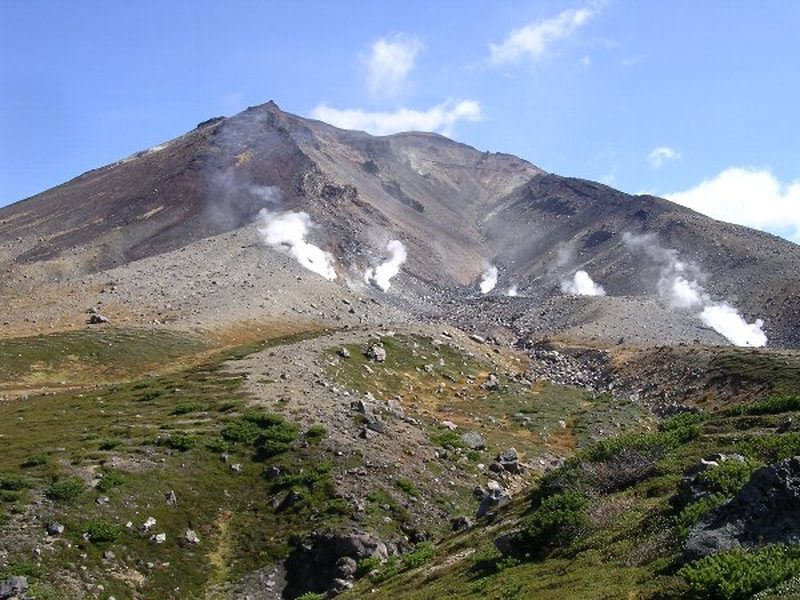
Asahi-dake (2,291m)
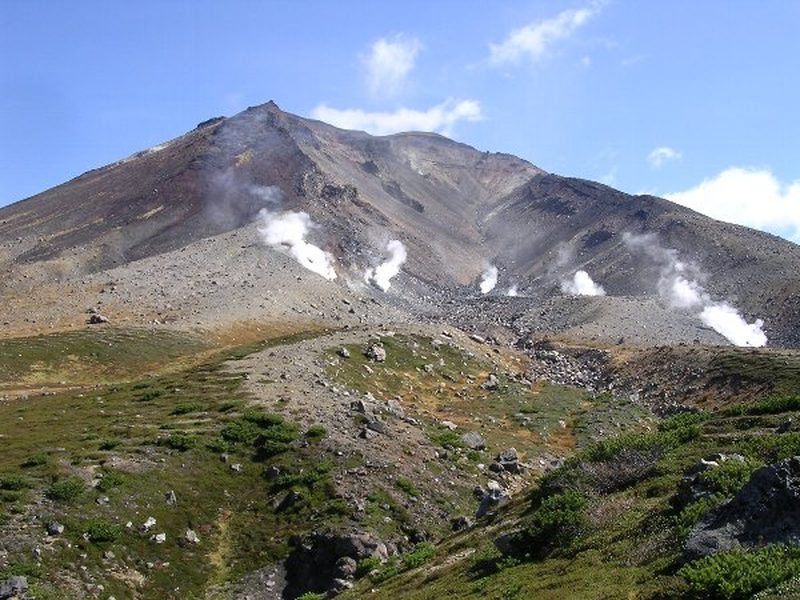
Hokkaido’s highest peak and the most popular entry point into the park. A ropeway from the base (Asahidake Onsen village) climbs to the 1,600m level, cutting out the lower forest section and putting you directly into the alpine zone. From the ropeway station, the summit hike takes about 2.5-3 hours one way over volcanic terrain — loose rock, steaming fumaroles, and if the weather is clear, views extending to the Sea of Okhotsk.
The summit is not technically difficult but it is exposed. Above the ropeway station there is no shelter, no water source, and weather can change from sunshine to whiteout in 30 minutes. Bring warm layers, rain gear, water, and food even for a day hike. The ropeway operates from mid-June to mid-October for hiking (and December to May for skiing), with round-trip tickets at approximately ¥3,200 (~$22).
For those who don’t want to summit, the Sugatami Pond loop near the ropeway station is a 1-hour walk through volcanic terrain with fumaroles, small ponds, and alpine flowers (July-August). It is mostly boardwalk and accessible to anyone with reasonable fitness.
Kurodake (1,984m) and Sounkyo
Sounkyo Gorge is a dramatic canyon of columnar basalt cliffs and waterfalls on the park’s northeast side. The onsen town at the base is the most developed accommodation area in the park — several hotels and ryokans, restaurants, and a convenience store. From Sounkyo, a ropeway and chairlift combination carries you to the 1,520m level, from where the summit of Kurodake is about 1-1.5 hours of steep but manageable hiking.
Kurodake is the easier summit option compared to Asahi-dake — shorter, with more infrastructure (the ropeway + chairlift gets you higher). The summit views across the park’s interior are excellent. Ropeway + chairlift round trip costs approximately ¥3,300 (~$22).
The Ryusei and Ginga waterfalls (Silver Falls and Shooting Star Falls) are a short walk from the Sounkyo town area and are worth seeing, particularly when frozen in winter. The Sounkyo Ice Waterfall Festival (late January to mid-March) illuminates frozen waterfalls and ice structures with coloured lights.
Tokachi-dake (2,077m)
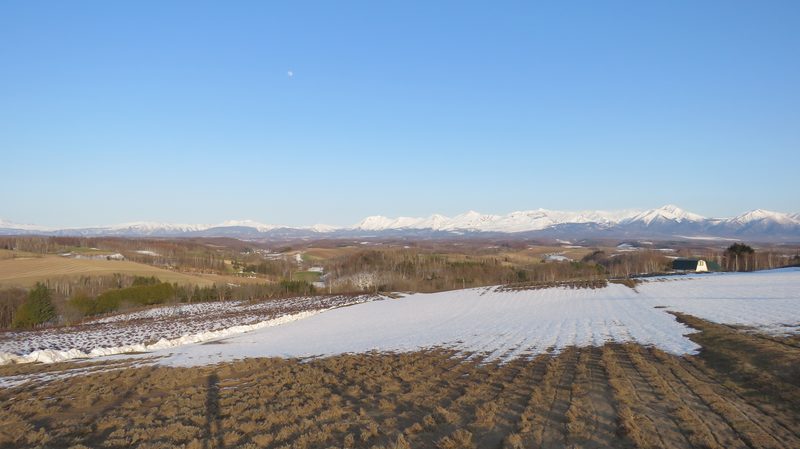
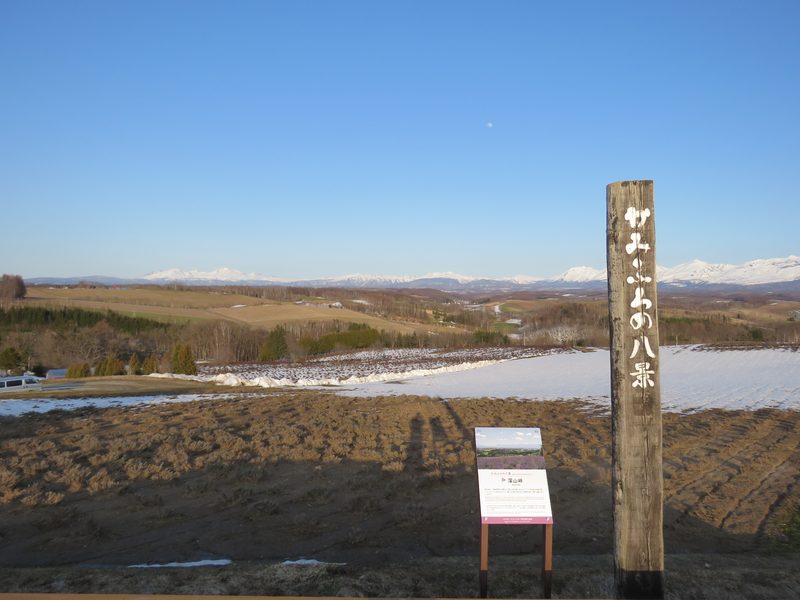
An active volcano on the park’s southwest side, accessed from Tokachidake Onsen — a remote hot spring with a couple of lodges perched at 1,280m on the mountainside. The hike to the summit takes about 3-4 hours one way and crosses volcanic terrain with active fumaroles and sulphur deposits. The views across the Furano plain on a clear day are extraordinary — agricultural patchwork stretching to the horizon, with the volcanic ridges of Daisetsuzan behind you.
Tokachidake Onsen itself is worth visiting even without the summit hike. Kamihoro-so lodge has an outdoor bath with unobstructed mountain views — one of the best rotenburo settings in Hokkaido. Day-use bathing approximately ¥800 (~$5.40). Access is by car from Furano (about 45 minutes up a winding mountain road). See our onsen guide.
The Grand Traverse
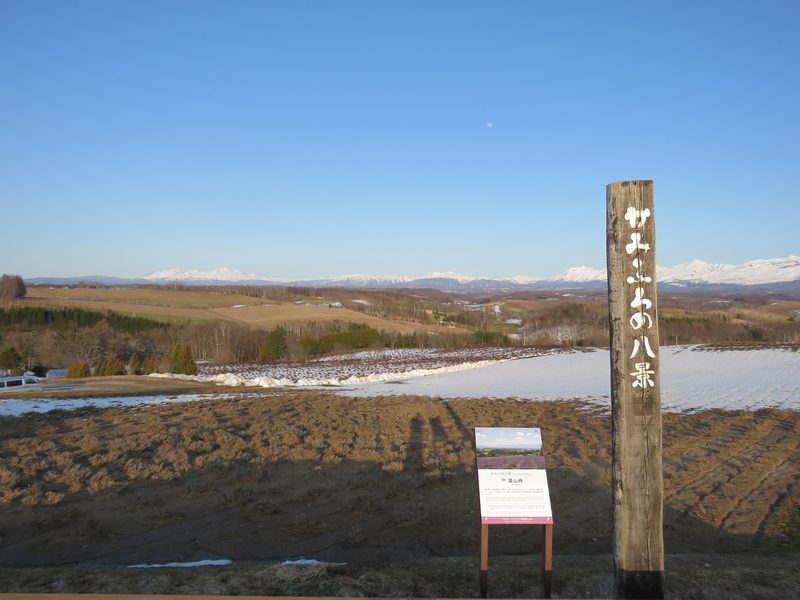
The Daisetsuzan Grand Traverse from Asahi-dake to Tokachi-dake is one of Japan’s great multi-day hikes. The route crosses the highest alpine plateau in the country, passing volcanic craters, flower fields, fumaroles, and mountain huts over 2-3 days. The standard itinerary:
Day 1: Asahi-dake ropeway to summit, then traverse south across the plateau to Hakuun-dake and down to the Chubetsu-dake emergency hut or Numa-no-Hara campground (6-8 hours).
Day 2: Continue south past Goshiki-ga-hara (Five-Colour Plateau — an area of volcanic lakes and coloured mineral deposits) toward Tokachi-dake. Stay at Bieidake hut or push on to Kamihoro hut (5-7 hours).
Day 3: Summit Tokachi-dake and descend to Tokachidake Onsen (3-4 hours).
The huts are basic — no meals, no bedding (bring your own sleeping bag and mat), and they operate on a first-come basis. Carry all your food and water purification. This is not a serviced hut system like the European Alps; you need to be self-sufficient. The trail is marked but not always clearly visible in fog or snow. A GPS device or offline maps are essential. The route is open mid-July to mid-September; early and late season may have snow on the high sections.
This traverse is for experienced hikers who are comfortable with multi-day self-supported mountain travel. It is not technically difficult — no ropes or scrambling — but the remoteness, weather exposure, and limited escape routes make it serious. Bear encounters are possible; carry a bell and know the protocol.
Autumn Colour
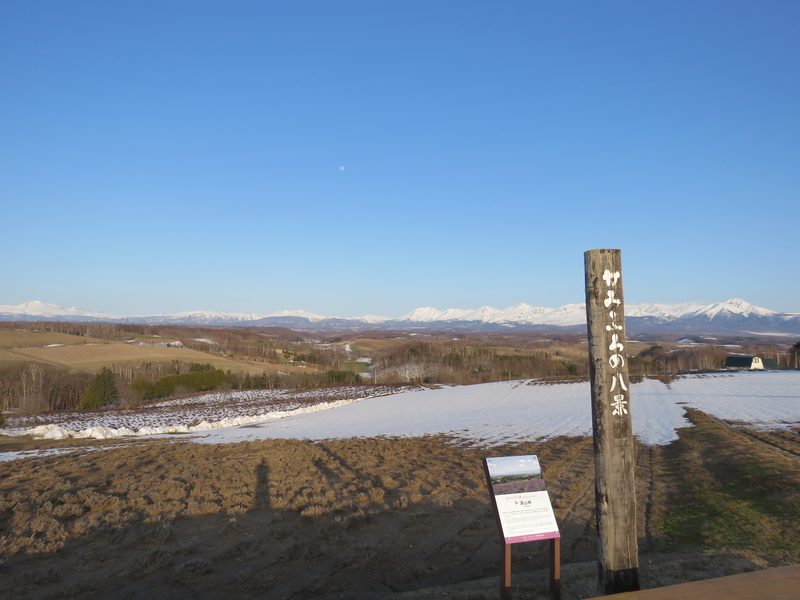
Daisetsuzan produces Japan’s earliest autumn colour, typically starting in the alpine zone around Asahi-dake ropeway in the last week of August. By mid-September, the entire mountainside above the ropeway station is a patchwork of red (nanakamado rowan), gold (birch), and green (conifer) that is regularly featured on Japanese weather broadcasts as the first autumn colour report of the year.
The peak viewing period at the ropeway level is approximately September 15-30, though exact timing varies by year. The Sugatami Pond area and the Asahi-dake ropeway ride itself are the best viewpoints. Lower elevations (Sounkyo Gorge) peak in early to mid-October. The colours progress downhill over about 3-4 weeks, so the timing window is longer than for a single elevation.
The ropeway gets very busy during peak colour weekends — arrive early (first car at 06:30 in season) to avoid queues of 30-60 minutes.
Winter: Backcountry Skiing
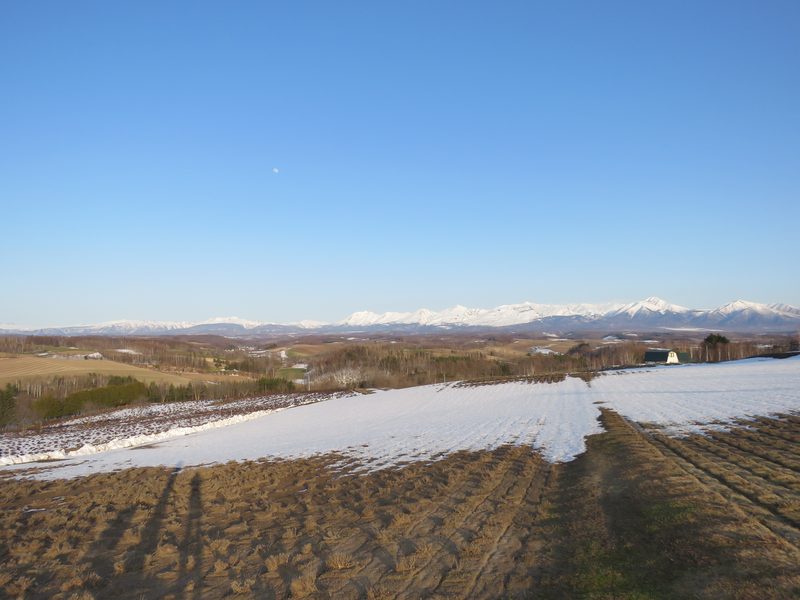
Asahi-dake ropeway operates in winter for backcountry skiing and snowboarding. There are no groomed runs — this is unmanaged volcanic terrain with powder snow and tree skiing. The snow quality is exceptional (dry Hokkaido powder at altitude), but there are no ski patrol, no avalanche control, and limited rescue services. This is for experienced backcountry riders with proper equipment (beacon, shovel, probe). Several Asahikawa-based guiding companies offer tours. See our ski resorts guide.
Bear Safety
Daisetsuzan has a healthy brown bear population. Encounters are uncommon on popular trails (bears avoid the noise) but increase on quieter routes and during the Grand Traverse. Carry a bear bell on all hikes. Store food properly at campsites — some huts have bear-proof storage. If you encounter a bear, back away slowly; do not run. See our wildlife guide for detailed bear safety information.
Getting There
Asahi-dake: From Asahikawa, take the Asahikawa-Dento bus to Asahidake Onsen (about 1.5 hours, approximately ¥1,430/~$10, 2-3 departures daily). By car, about 1 hour from Asahikawa.
Sounkyo: Dohoku Bus from Asahikawa to Sounkyo Onsen (about 2 hours, approximately ¥2,200/~$15). By car, about 1.5 hours from Asahikawa via Route 39.
Tokachi-dake: No public transport to Tokachidake Onsen. Car only, about 45 minutes from Furano or Kamifurano.
Asahikawa is the practical base city for Daisetsuzan, with JR connections from Sapporo (1 hour 25 minutes by Limited Express Kamui) and flights from Tokyo. See our Asahikawa guide and transport guide.
When to Go
Late September–early October: Japan’s earliest autumn colour. The signature experience. Go for the Asahi-dake ropeway area foliage.
July–August: Alpine flower season. Full trail access. The longest days and most stable (though not guaranteed) weather. Best window for the Grand Traverse.
Late June: Trails opening, lingering snow patches, fewer visitors. Some higher routes may still be impassable.
Winter (December–March): Backcountry skiing at Asahi-dake. Sounkyo Ice Waterfall Festival. Everything else is under deep snow.