Obihiro and the surrounding Tokachi region sit in Hokkaido’s agricultural heartland — flat plains stretching to mountains in every direction, producing much of Japan’s wheat, dairy, sugar beet, and beans. This is farming country, and the food culture reflects it. Tokachi is not a typical tourist destination. Most visitors pass through on the way to eastern Hokkaido. But if food matters to you — and specifically if butadon, sweets, cheese, and moor hot springs interest you — it is worth a deliberate stop.
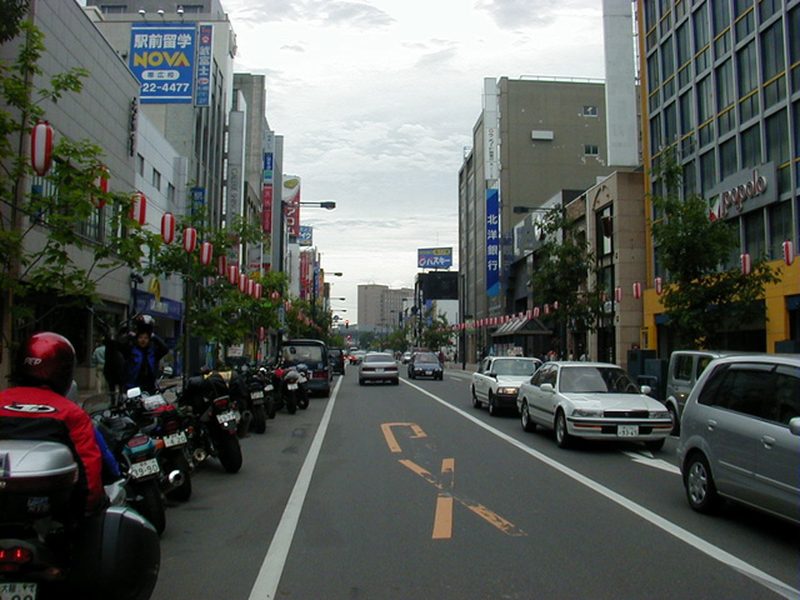
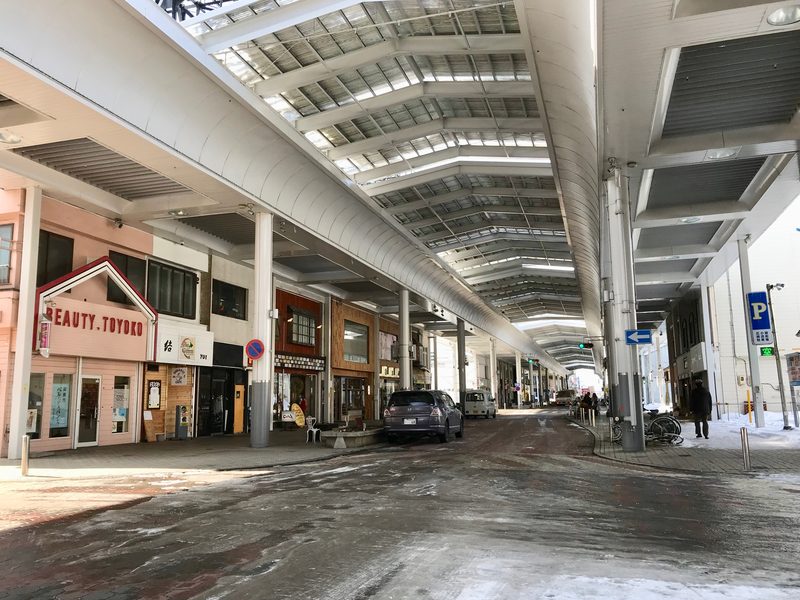
Obihiro is the main city (population approximately 166,000), functional rather than charming, built on a grid pattern across the plain. The surrounding countryside is where the visual appeal lies: fields stretching to distant volcanic peaks, isolated farmsteads, and a sense of scale that is unlike the rest of Japan.
Butadon (Pork Rice Bowl)
Obihiro’s signature dish and the reason many Japanese visitors come here. Thick-cut pork loin, grilled over charcoal until caramelised, glazed with a sweet soy tare sauce, and served on a bowl of Tokachi rice. The dish originated in the 1930s as a hearty meal for farm workers and has since become Obihiro’s culinary identity.
The two original shops are Pancho (established 1933) and Hageten, both near Obihiro Station. Pancho uses a darker, more intensely flavoured tare; Hageten is slightly sweeter. Both serve butadon for approximately ¥900-1,200 (~$6-8). Lines form at lunch, particularly on weekends — arrive before 11:30 or after 13:00. Ippachi, slightly further from the station, is another reliable option with a lighter style.
Butadon is available at restaurants throughout Hokkaido, but eating it in Obihiro — where the pork is local Tokachi-raised, the rice is Tokachi-grown, and the charcoal grilling is done properly — is a different experience from the versions served elsewhere.
Tokachi Sweets
The Tokachi region produces 65% of Japan’s sugar beet and enormous quantities of butter, cream, wheat, and red beans. This makes it a natural centre for confectionery, and three major makers are based here.
Rokkatei
The most famous Tokachi confectioner, known nationally for the Marusei Butter Sandwich — rum-soaked raisins and rich butter cream between two biscuits. The main Rokkatei shop in Obihiro has the widest range, including items not available at airports or other retailers. The Marusei Butter Sandwich (¥1,300/~$9 for a box of 10) is the essential purchase, but the caramels and the Strawberry Chocolate are worth trying. Factory tours are available at the Rokkatei plant in the Obihiro suburbs.
Cranberry
Known for its sweet potato (satsuma-imo) sweets, particularly the Cranberry Sweet Potato. The main shop is in central Obihiro and sells fresh pastries alongside boxed souvenirs. Less famous outside Hokkaido than Rokkatei but equally beloved locally.
Ryugetsu
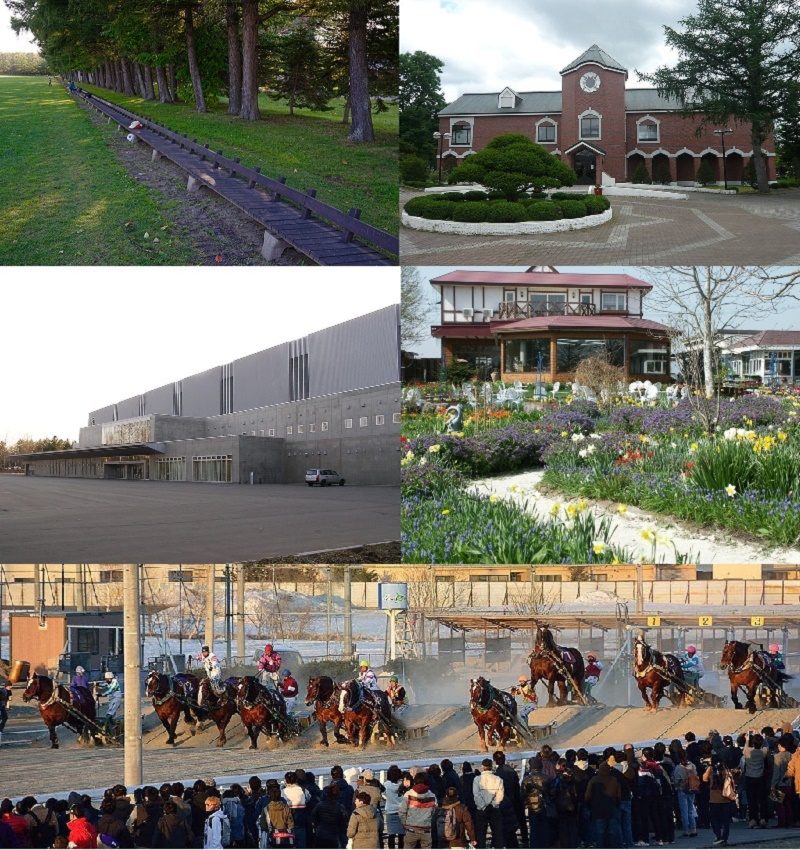
Produces the San’pou Rokka wafer and other sweets using Tokachi dairy and wheat. The Ryugetsu Garden in the Obihiro suburbs is a cafe and shop in a garden setting — pleasant for a sweet break.
See our sweets guide for more detail on Hokkaido confectionery.
Tokachigawa Onsen
A moor hot spring about 20 minutes east of Obihiro. This is genuinely unusual — most Japanese onsen are volcanic mineral springs, but Tokachigawa’s water comes from ancient peat deposits. The water is brown, slightly viscous, and plant-derived rather than mineral-derived. It is said to be excellent for skin (the marketing calls it “beauty water”) and the texture is noticeably different from a normal onsen.
The main hotels along the Tokachi River offer day-use bathing for ¥500-1,500 (~$3.40-10). Tokachigawa Daiichi Hotel and Sankoh have good outdoor baths. The river setting with birch forest is attractive in any season. In winter, the contrast of brown water, white snow, and frozen river is atmospheric.
Tokachigawa is one of only a few moor hot springs in Japan and the only one of significant scale in Hokkaido. If you have bathed at volcanic onsen throughout your trip, the change of water type here is a welcome variation. See our onsen guide.
Ban’ei Horse Racing
Obihiro Racecourse hosts ban’ei — a form of horse racing unique to Hokkaido and found nowhere else in the world. Instead of flat-track speed racing, massive draft horses (Percherons and Bretons, weighing 800-1,200kg) pull heavy weighted sleds up two earthen ramps. The race is about power and stamina rather than speed. Horses strain, pause to gather strength, and sometimes stop entirely on the steep sections while handlers shout encouragement.
The spectacle is unlike any racing you have seen elsewhere. The horses are enormous, the atmosphere is local and unpretentious, and betting starts at ¥100 (~$0.70). Races run on weekends and some weekdays, typically from 14:00. Entry to the racecourse is ¥100 (~$0.70). Check the Obihiro Racecourse website for the current schedule. The racecourse also has a small museum covering the history of ban’ei and Hokkaido’s draft horse culture.
Outdoor Activities
Naitai Highland Farm
One of Japan’s largest public farms, spread across a hilltop about 1 hour northeast of Obihiro. The drive up the access road reveals increasingly panoramic views of the Tokachi Plain, and from the top you can see agricultural fields stretching to the mountains in every direction. Free entry. A small cafe at the top serves soft serve made from local milk. Best in summer when the grass is green; closed in winter.
Sahoro Resort
A mountain resort about 45 minutes north of Obihiro with skiing in winter and nature trails in summer. Less known than Niseko, quieter, and more affordable. The Bear Mountain facility lets you observe brown bears in a semi-natural enclosure from elevated walkways — more ethical than bear parks and informative about Hokkaido’s bear ecology.
然別湖 (Lake Shikaribetsu)
The highest-elevation natural lake in Hokkaido (810m), about 1.5 hours north of Obihiro. In winter, an “ice village” (kotan) is built on the frozen lake surface with igloos, an ice bar, and an outdoor onsen on the ice. The setting — mountains, frozen lake, snow, and a hot spring bath literally on the ice — is extraordinary. Operating late January through mid-March. Summer is peaceful with canoeing and hiking.
Getting There
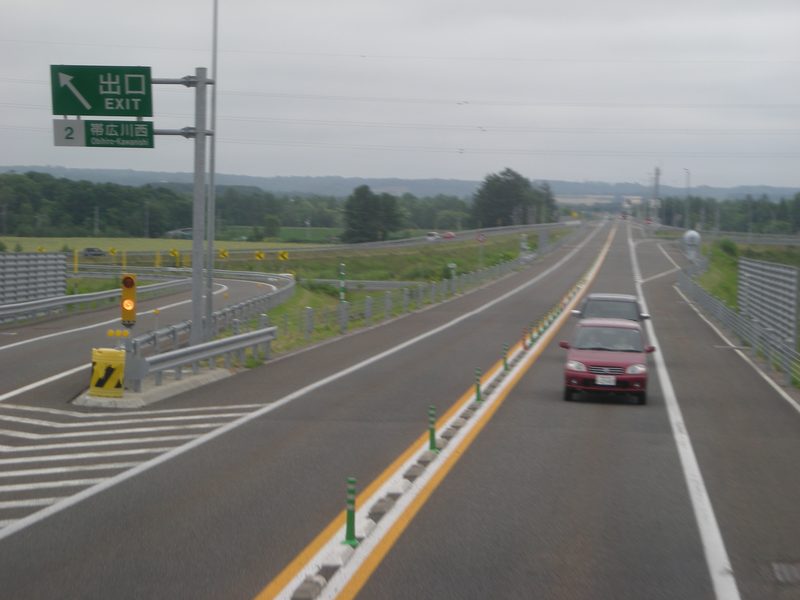
By air: Tokachi-Obihiro Airport has flights from Tokyo Haneda (about 1 hour 40 minutes). The airport is 25 minutes south of Obihiro city by bus.
By train: JR Limited Express Tokachi from Sapporo to Obihiro takes about 2 hours 40 minutes (approximately ¥7,790/~$53). Covered by the JR Hokkaido Rail Pass.
By car: About 3 hours from Sapporo via the Doto Expressway. This is the most practical option if continuing to eastern Hokkaido.
How Long
Half-day stop: Butadon lunch, Rokkatei shop, and back on the road. Practical if you are driving through to eastern Hokkaido.
Overnight: Add Tokachigawa Onsen, ban’ei racing, and a more relaxed exploration of the sweets shops. Stay at a Tokachigawa ryokan for the moor onsen experience.
Combine with: Tokachi sits between Sapporo and eastern Hokkaido, making it a natural stopover on the eastern Hokkaido driving circuit. Also accessible as a day trip from Furano (about 2 hours by car).