Japan is one of the safest countries in the world for travellers, and Hokkaido is no exception. Violent crime against tourists is essentially nonexistent. Theft is rare enough that people leave bags on chairs in restaurants to hold their seats. Lost wallets are routinely turned in to police boxes (koban) with the cash intact. You can walk alone at night in any Hokkaido city without concern.
The safety risks in Hokkaido are almost entirely natural: bears in the backcountry, icy roads and sidewalks in winter, volcanic activity, and cold weather exposure. None of these are serious threats if you take basic precautions, but they do deserve more attention than many visitors give them.
Bears
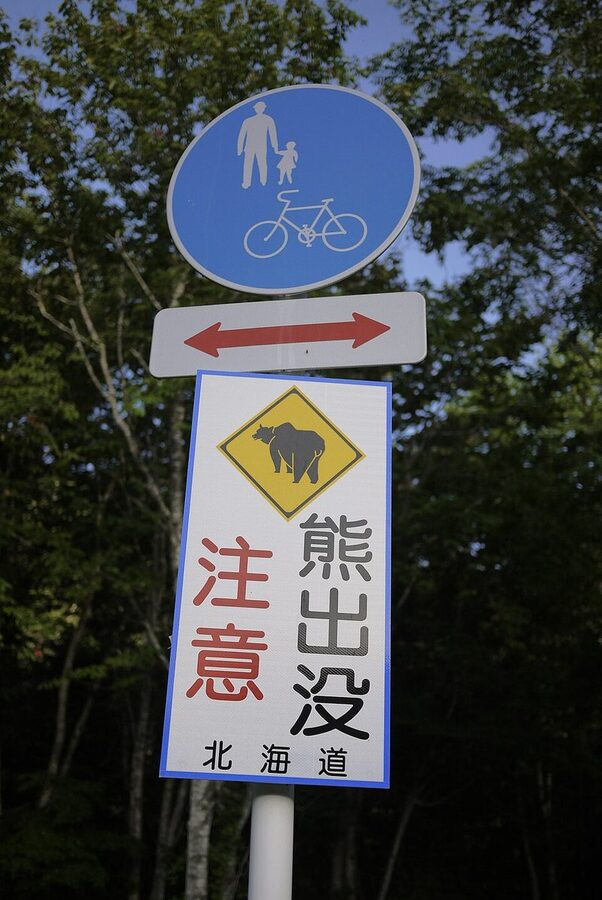
Hokkaido is home to approximately 10,000-12,000 brown bears (higuma). They are the largest land predator in Japan — adult males weigh 200-400kg — and they are mostly concentrated in mountainous and forested areas, particularly Shiretoko, Daisetsuzan, and the remote interior. Bear encounters in cities or popular tourist areas are extremely rare but not unheard of. Sapporo occasionally has bears wandering into suburban neighbourhoods in autumn when food sources in the mountains run low; these incidents make national news precisely because they are unusual.
The risk is real but manageable. Bear attacks on hikers average 1-3 per year across all of Hokkaido, and fatal attacks are rarer still. The bears generally want to avoid you as much as you want to avoid them. Problems occur when bears are surprised at close range, when food is left accessible, or when people approach bears for photographs.
If Hiking in Bear Country
- Carry a bear bell — available at outdoor shops, some convenience stores, and often at trailhead information centres. The jingling alerts bears to your presence and gives them time to move away. Most local hikers use them routinely.
- Make noise while walking, especially around blind corners and when approaching rivers or dense vegetation where bears might not hear you coming.
- Do not hike alone in remote areas — groups are significantly safer. Solo hiking in Shiretoko or Daisetsuzan backcountry is not recommended.
- Store food properly and never leave scraps. Bears learn to associate humans with food, which creates dangerous situations for everyone who comes after you.
- Bear spray is available at outdoor shops in Hokkaido (approximately ¥7,000-10,000/~$47-68). Worth carrying for multi-day hikes in remote areas. Know how to use it before you need it.
- If you see a bear, do not run. Running triggers a chase response. Back away slowly while facing the bear. Speak in a calm, low voice. Make yourself appear large. If the bear is distant and unaware of you, leave the area quietly. In Shiretoko’s guided areas, follow your guide’s instructions exactly.
See our wildlife guide and hiking guide for more detail on bears in specific areas.
Winter Road Safety
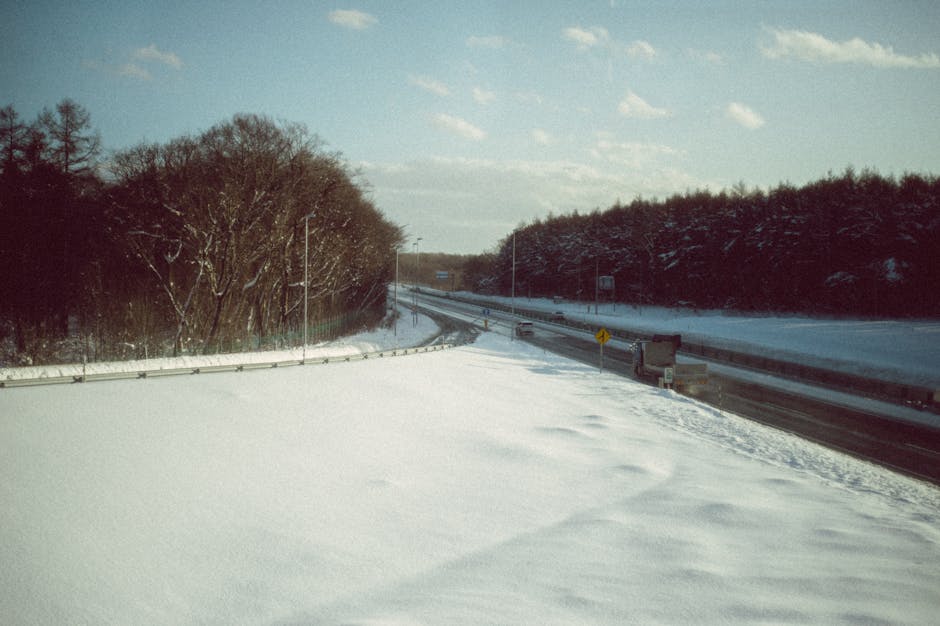
The single biggest safety risk for visitors to Hokkaido. The island receives enormous amounts of snow — Sapporo averages nearly 6 metres per season — and roads are covered in packed ice and snow from December through March. Black ice (an invisible film of frozen water on road surfaces) causes the most accidents because drivers don’t see it until they are already sliding.
- All rental cars come with winter tyres — this is mandatory and automatic in Hokkaido. You don’t need to request them.
- Drive slowly, especially on mountain passes. The Nakayama Pass between Sapporo and Niseko is notorious for accidents. Expressways are generally safer than mountain roads because they are cleared and treated more frequently.
- Allow extra stopping distance — at least double, ideally triple, what you would normally need. On ice, even winter tyres need significantly more distance to stop.
- If you have never driven on snow and ice, seriously consider taking the bus instead. This is not overcautious advice — the driving conditions in a Hokkaido blizzard are genuinely hazardous for the inexperienced. Highway buses and trains reach all major destinations.
- Carry emergency supplies in the car: extra warm clothing, a charged phone, water, and a small amount of food. If you get stuck in a remote area, you may need to wait for help in the car.
- Check road conditions before setting out. The Hokkaido Road Information website (Northern Road Navi) shows real-time conditions, closures, and webcam feeds for major routes.
See our car rental guide for detailed winter driving information, and our road trip guide for route planning.
Sidewalk Ice
This catches more tourists than anything else in winter Hokkaido. Sapporo’s sidewalks become packed ice from December through March, and the surface can be genuinely treacherous — smooth, slippery, and invisible under a thin layer of snow. Falls are common, and broken wrists from catching yourself are a regular winter injury at Sapporo hospitals.
- Clip-on ice grips (slipper-on spikes that attach to your shoes) are available at convenience stores, drugstores, and shoe shops for ¥500-2,000 (~$3.40-14). Get them on arrival. They make a dramatic difference.
- Walk like a penguin — short steps, flat-footed, with your weight over your front foot. Locals instinctively walk this way; watch and copy.
- Waterproof boots with good grip are more important than thermal insulation. Regular leather shoes are dangerous on Hokkaido ice. See our packing guide.
- The underground walkway in Sapporo connects Sapporo Station to Susukino (about 2km) entirely below ground, heated and ice-free. Use it.
Cold Weather Exposure
Sapporo averages -4°C to -7°C in January. Eastern Hokkaido regularly drops to -20°C or colder at night. Wind chill in exposed areas (Cape Soya, drift ice boats, open ski lifts) can make -10°C feel like -25°C. Frostbite and hypothermia are genuine risks for underdressed visitors, particularly when waiting for buses in rural areas or walking long distances between attractions in cold conditions.
- Dress in layers — thermal base, insulating mid-layer, waterproof outer shell. See our packing guide for specific recommendations.
- Carry disposable hand warmers (kairo) — available everywhere for ¥30-50 each. Stick them inside gloves or coat pockets. They last 8-12 hours.
- Cover exposed skin in strong wind or temperatures below -10°C. Ears, nose, and cheeks are most vulnerable to frostbite.
- Know the signs of hypothermia: uncontrollable shivering, confusion, slurred speech, drowsiness. If you or a companion show these signs, get indoors immediately. The nearest convenience store or shop is your best emergency shelter.
Earthquakes and Volcanoes
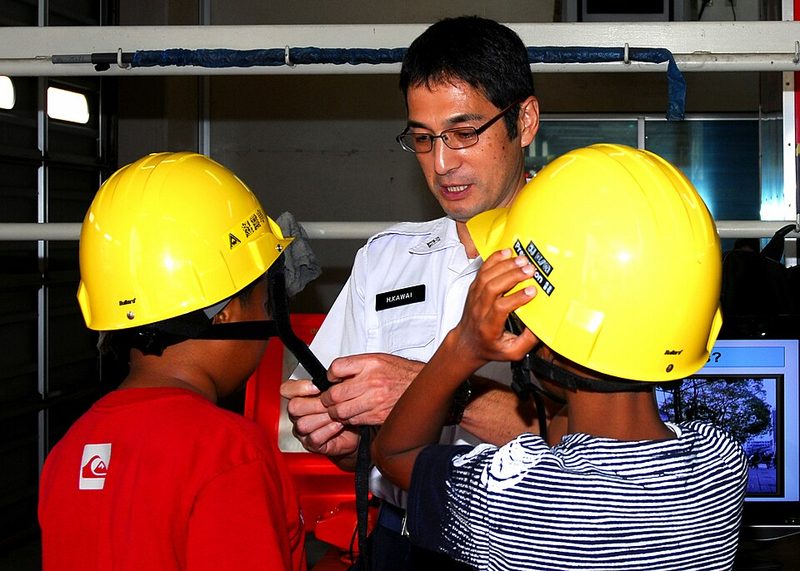
Hokkaido sits on an active seismic zone at the junction of the Pacific and North American tectonic plates. The 2018 Hokkaido Eastern Iburi earthquake (magnitude 6.7) caused landslides and a territory-wide blackout that lasted up to two days in some areas. Earthquakes are a fact of life in Japan, and buildings are designed and regularly inspected to withstand them.
- During an earthquake: Drop, cover, and hold on. Get under a sturdy table or desk, or stand in a doorframe. Do not run outside during shaking — falling debris is the main risk. If you are outdoors, move away from buildings, power lines, and signs.
- After an earthquake: Check for tsunami warnings if you are near the coast. The Japan Meteorological Agency issues warnings via TV, radio, and the emergency alert system on mobile phones (loud alarm, Japanese text). If you receive a tsunami warning, move to high ground immediately and do not wait for further instructions.
- Hotels have earthquake emergency procedures, usually posted in rooms in Japanese and English. Read them when you check in.
- Active volcanoes (Mt. Usu near Lake Toya, Mt. Tokachi, Mt. Tarumae near Lake Shikotsu, Mt. Meakan near Lake Akan) are monitored 24/7 by the Japan Meteorological Agency. Restricted zones are clearly marked with signs. Do not enter restricted areas. The monitoring system provides early warning, and towns near active volcanoes have well-practised evacuation plans.
Medical
- Hospital quality is excellent throughout Japan. Major hospitals in Sapporo, Hakodate, Asahikawa, and Kushiro have emergency departments. English-speaking staff are available at Sapporo’s larger hospitals (Hokkaido University Hospital, Sapporo Medical University Hospital) but may be limited elsewhere.
- Pharmacies (yakkyoku) sell common over-the-counter medications. Some ingredients legal elsewhere (codeine in some cold medicines, pseudoephedrine in decongestants) are restricted in Japan. Check before bringing medication into the country — the MHLW website lists restricted substances.
- Travel insurance is strongly recommended. Japanese medical care is excellent but expensive without coverage. A simple emergency room visit can cost ¥30,000-50,000 (~$200-340). Ambulance transport is free in Japan (unusual globally), but the hospital bill is not.
- Emergency numbers: 119 for ambulance and fire, 110 for police. Operators may have limited English — state your location clearly and slowly, or ask a nearby Japanese speaker to call for you.
- Dentists: Available in all cities. Emergency dental care is possible at hospitals. Costs are moderate by international standards.
General Safety Notes
- Tap water is safe to drink everywhere in Hokkaido. The water quality is actually excellent — Hokkaido water, filtered through volcanic rock, is some of the best in Japan.
- Food safety standards are very high. Street food, convenience store food, supermarket sashimi, and restaurant meals are all safe. Food poisoning incidents are rare and taken extremely seriously.
- Solo female travellers report feeling very safe throughout Hokkaido. The general caveat about late-night entertainment districts (Susukino in Sapporo) applies — aggressive touts for bars and clubs can be pushy but are not dangerous. Ignore them and walk on.
- LGBTQ+ travellers: Japan is generally tolerant but not openly affirming. Public displays of affection between same-sex couples may draw stares in rural areas but are unlikely to cause problems. Sapporo was the first city in Japan to issue same-sex partnership certificates (2017) and is one of the more progressive cities in the country.
- Natural disasters app: Download the Safety Tips app (by MLIT) before your trip. It sends earthquake, tsunami, and severe weather alerts in English with clear instructions.