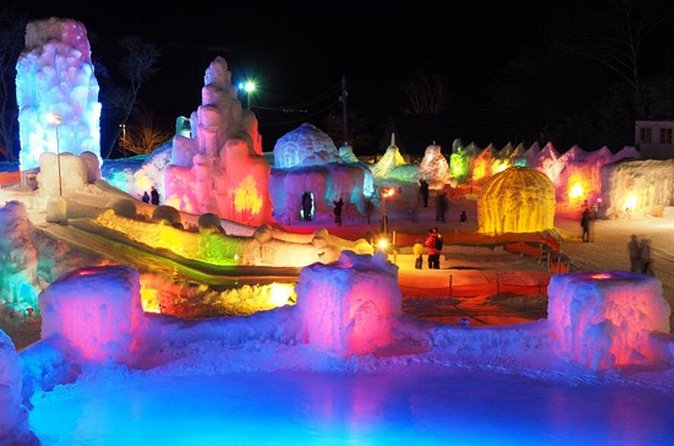
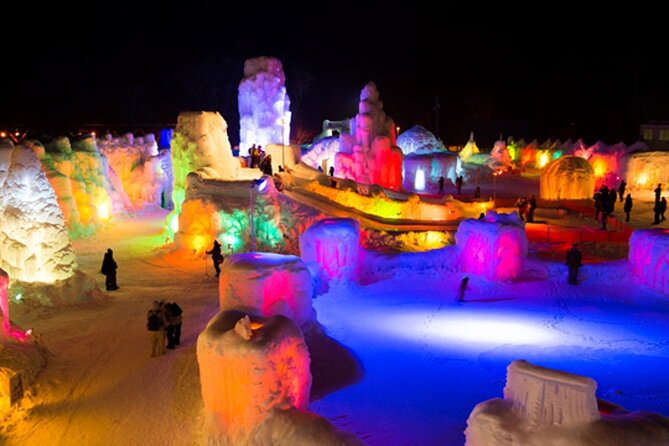
The best part of this winter outing is the ice itself. Lake Shikotsu’s clear water is frozen with sprinklers into large sculptures, tunnels, and smaller works, then lit after dark in shifting colors. The main sculpture takes about 10 people more than two months to create, and close-up, the work feels far more impressive than a quick photograph suggests.
In This Article
- Key points to know before you book
- Why Lake Shikotsu looks so different in winter
- The two-hour festival visit
- The bus ride from Sapporo
- The dinner problem is easy to overlook
- What the lack of a guide means
- Is $58.53 a fair price?
- Who will enjoy this evening most?
- Timing, weather, and cancellation
- How to make the most of the festival
- Should you book the Lake Shikotsu Ice Festival?
- FAQ
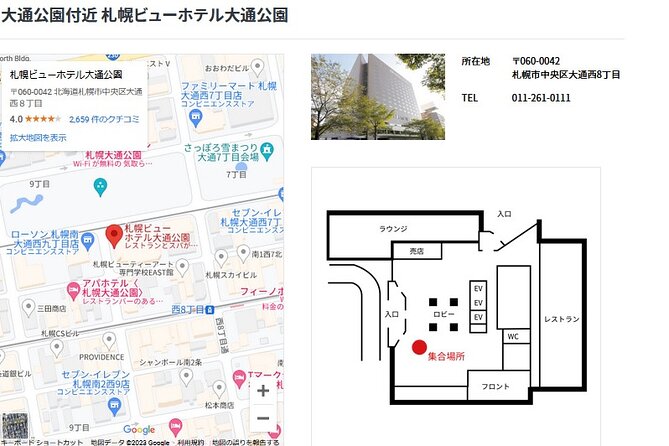
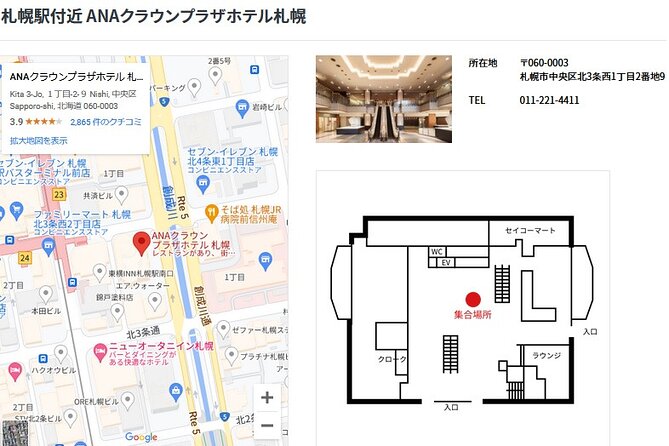
- Where does the Lake Shikotsu Ice Festival tour depart from?
- How long does the full experience last?
- How long do I spend at the ice festival?
- Is festival admission included?
- Is transportation included?
- Is dinner included?
- Is there an English-speaking sightseeing guide?
- Can the tour be delayed or canceled because of weather?
- What happens if I miss the departure time?
I like the reserved-seat bus, since winter roads around Hokkaido can be tiring and uncertain. I also like that your festival admission is included, so the $58.53 price covers the ride and the main reason for going. The catch is important: this is transportation with an entry ticket, not a guided sightseeing tour. The tour operates in Japanese, with no regular sightseeing explanations, and dinner is your responsibility.
Key points to know before you book
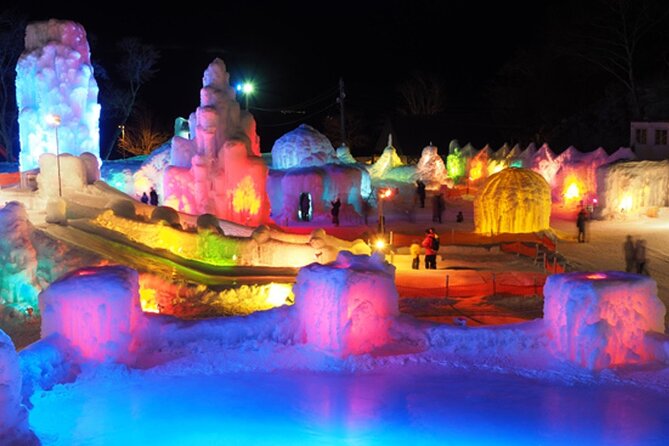
- Crystal-clear Lake Shikotsu water becomes the art: The sculptures are made by freezing the lake’s water with sprinklers.
- The festival visit lasts about two hours: That gives you time for photos and a proper look without turning the evening into a rushed stop.
- The main sculpture takes over two months to build: A team of roughly 10 people works on this centerpiece.
- Round-trip reserved seating removes winter driving stress: Traffic and snow can still delay the bus, but you are not driving.
- There is no sightseeing guide: Expect simple transportation and festival access rather than stories, commentary, or personal assistance.
- Eat before the festival visit: Food service may be limited, and one useful timing detail is that many places close around 6 PM.
Why Lake Shikotsu looks so different in winter
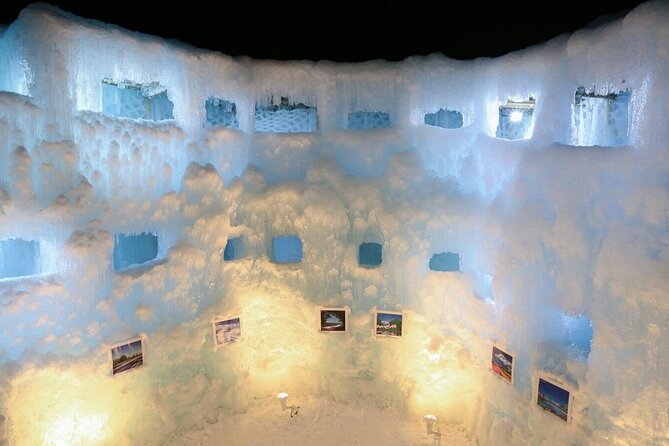
Lake Shikotsu is the source of the festival’s special character. The water is known for its clarity, and that clarity remains visible in the frozen sculptures. Instead of ordinary snow figures, you get thick, glassy forms with blue-green tones and sharp edges that catch the lighting.
The installation is not just a collection of statues placed on a field. Water is sprayed and frozen layer by layer, creating walls, arches, columns, and irregular shapes. The result can feel part sculpture garden, part ice cave, and part night illumination show.
The daylight view matters, but the festival is designed for evening. Once the lights come on, the ice picks up color and depth. A broad wall may glow one shade while a nearby passage looks darker and more transparent. That contrast is why the event works so well for photographs.
Your pictures will be better if you take time to look at the ice without a camera first. The details are easy to miss when you move from one photo spot to the next. The larger works give you scale, while the smaller pieces often show the texture of the frozen water more clearly.
Our other Sapporo reviews may also help you decide


The two-hour festival visit
The scheduled stop is the Chitose Shikotsu Lake Hyoto Matsuri, also known as the Lake Shikotsu Ice Festival. You receive admission at the entrance, then have about two hours at the grounds before returning to the bus.
That is a useful amount of time for this kind of event. You can walk through the main areas, photograph the largest sculptures, and return to a favorite section without needing to spend an entire night in the cold. The stop is also long enough to avoid the feeling of being pushed through every display in a few minutes.
The main sculpture deserves priority. It is the product of more than two months of work by a team of about 10 people. Its size and close-up detail make it the natural centerpiece, so I would visit it early, then use the remaining time for the smaller works.
Do not expect a formal performance or a long cultural program based on the information provided. The attraction here is the physical ice, the lighting, and the setting beside Lake Shikotsu. If you want an interpreter explaining the construction process or the meaning of each sculpture, this outing may feel thin.
The festival is one of Hokkaido’s three major winter events, which helps explain its popularity. Still, the important question is not the label. You are going for a concentrated evening of unusual ice art, not for a full tour of the lake area.
The bus ride from Sapporo
The experience lasts about 5 hours and 30 minutes in total. A round-trip air-conditioned bus with reserved seating takes you from Sapporo to the festival and back. The return is expected around 21:30, though the exact schedule can change.
Reserved seating is a practical advantage. You know you have a place on the bus, and the ride gives you a break from walking on cold ground. It also makes the event easier for anyone who does not want to rent a car or deal with winter driving.
The bus is not a magic shield against Hokkaido weather. Traffic, snow, and road conditions can delay the journey in either direction. The operator warns that arrival times may shift, and a bad-weather cancellation is possible.
Plan your evening with a buffer after the stated return time. Do not schedule a tight connection, a dinner reservation, or another paid activity immediately after 21:30. If the bus arrives late, the operator does not take responsibility for the next connection.
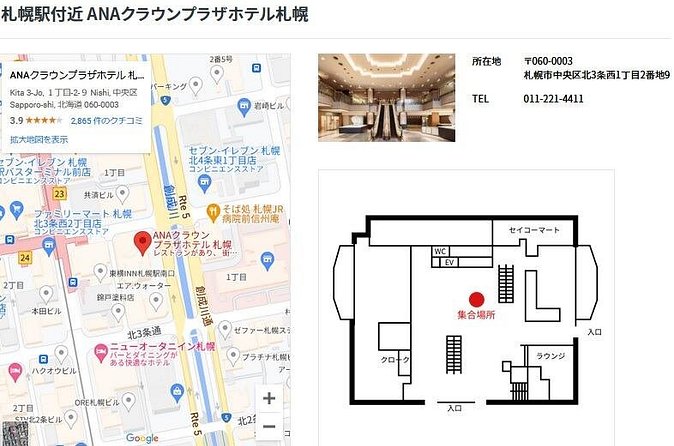
You must also be at the departure point on time. If you miss departure, the bus will not wait and no refund is provided. This is a group transfer, so arrive early enough to find the meeting point without rushing.
The dinner problem is easy to overlook
Dinner is not included, and the timing makes this more than a minor detail. You may arrive at Lake Shikotsu around 17:30 and go directly to the ice sculptures. Several food options may close around 18:00, leaving little time to find a proper meal after arrival.
My advice is simple: eat before boarding, or bring something suitable if that is allowed under your own travel arrangements. Do not assume that the festival visit will take care of dinner.
This also affects how you use the two-hour stop. If you spend the first part searching for food, you lose valuable time with the sculptures. The better plan is to arrive ready for the festival, with your meal already handled.
The supplied information does not promise a specific restaurant, snack service, or meal stop. That means you should treat food as an independent part of your planning, not as something built into the tour.
What the lack of a guide means
The biggest source of disappointment is the word tour. In practical terms, this is a bus transfer and admission package. There is no sightseeing guide providing regular explanations, and the operation is conducted in Japanese.
The staff may use simple language or an interpreter if English assistance is needed, but you should not book this expecting continuous English commentary. One person enjoyed having an audio system and a seat to themselves on a similar outing, but for this specific experience, the stated details do not promise an English audio guide. Plan to explore independently.
That arrangement can be a benefit if you like setting your own pace. You are free to decide how long to spend at the main sculpture, where to take photographs, and how much time to give the smaller displays. You are not tied to a guide’s talk.
It is less suitable if you want the event explained as you walk. The ice festival has an interesting construction method, yet you may need to read signs, use a translation tool, or simply appreciate the work visually.
The group can include up to 45 people. That is large enough to feel like a standard coach excursion, not a personal tour. The reserved seats help with comfort, but they do not change the basic group format.


Is $58.53 a fair price?
At $58.53 per person, the value depends on what you want included. The fee covers the round-trip air-conditioned bus, reserved seating, and admission to the festival. For someone staying in Sapporo without a car, that is a reasonable package for a winter evening.
Driving yourself could offer more freedom, but winter roads around the lake bring their own worries. You would also need to pay for fuel, parking if applicable, and festival admission. The bus lets you leave the navigation and road conditions to someone else.
The price is less attractive if you expect a full guided excursion. There is no sightseeing commentary, no dinner, and no second attraction built into the stated itinerary. You are paying primarily for transport and access to the ice festival.
I would compare it with the cost and effort of reaching Lake Shikotsu independently. If public transportation connections feel awkward, or if you do not want to drive after dark in winter, the package earns its keep. If you already have a car and want a flexible schedule, the fixed departure and return may feel restrictive.
The event itself is the reason to spend the money. The ice installations have real scale and craft behind them, and the colorful lighting gives you something different from a normal snowy walk. The strong reactions to the artistry, engineering, and care put into the displays are understandable.
Who will enjoy this evening most?
This outing suits you if you want a distinctive winter attraction outside Sapporo and prefer a simple, organized transfer. It also works well for couples, families, and solo visitors who would rather not drive in uncertain conditions.
Photographers will find plenty to work with. Clear ice, colored lights, large forms, and dark winter surroundings create strong subjects. Bring a phone or camera with enough battery, since cold weather can reduce battery life, though the tour information does not specify any charging facilities.
You should also be comfortable walking around an outdoor winter event for roughly two hours. The tour information says most people can participate, but it does not describe special accessibility arrangements or the exact ground surface. Anyone who has difficulty with icy or uneven outdoor areas should ask the operator before booking.
This is not the best choice for you if you need English explanations, want a full day of sightseeing, or expect a meal to be included. It is also a poor match if you dislike fixed schedules or cannot tolerate possible delays on winter roads.
Timing, weather, and cancellation
The tour requires good weather. If poor conditions force cancellation, you are offered another date or a full refund. The same applies if the minimum number of participants is not reached.
For your own planning, treat the published times as estimates rather than guarantees. Road conditions can alter the schedule, and the tour may be canceled on the day if weather becomes unsafe.
You can cancel for a full refund up to 24 hours before the experience begins. Cancellations or changes made less than 24 hours ahead are not accepted for a refund. The cut-off follows local time.
The 2026 season makes advance planning sensible, especially since the experience has been booked repeatedly. Still, check the final confirmation carefully, particularly the meeting point and departure time, since missing the bus means losing both the ride and the ticket.
How to make the most of the festival
I would plan this as a focused photo and walking visit rather than a broad Lake Shikotsu sightseeing day. Eat before departure, arrive early at the meeting point, and keep your evening after 21:30 free.
At the festival, go first to the main sculpture. After that, slow down and inspect the smaller works, where the transparent ice and sprinkler-built textures may be easier to appreciate.
Use the lighting changes to your advantage. Take a few wide shots to show the size of the installations, then move closer for details. A photograph can show the color, but standing beside the ice gives you a better sense of its thickness and construction.
Wear enough for waiting, walking, and standing outdoors. The provided information confirms winter conditions and possible weather disruption, but it does not list equipment rentals or warming facilities. You should arrive prepared rather than count on finding extra supplies at the site.
Most of all, keep your expectations clear. You are not joining a narrated cultural tour. You are taking a reserved bus to a striking evening festival, receiving admission, and exploring the ice at your own pace.
Should you book the Lake Shikotsu Ice Festival?
Book it if you want to see Hokkaido’s ice art without driving, and if a self-guided visit is fine with you. The clear lake water, large-scale sculptures, and nighttime lighting make this a memorable winter stop, while the included bus and admission keep the planning simple.
Skip it if English commentary is essential, dinner must be included, or a weather delay would disrupt your plans. At $58.53, the price is fair for transport plus entry, but not for a traditional guided tour. Think of it as a practical evening coach trip to a remarkable ice exhibition, and you will know exactly what you are buying.
FAQ
Where does the Lake Shikotsu Ice Festival tour depart from?
The tour is based in Sapporo, but the provided information does not specify the exact departure point. Your booking confirmation should provide the meeting details.
How long does the full experience last?
The total duration is approximately 5 hours and 30 minutes. The return to Sapporo is expected around 21:30.
How long do I spend at the ice festival?
The scheduled festival visit lasts about two hours.
Is festival admission included?
Yes. The Lake Shikotsu Ice Festival admission fee is included in the price.
Is transportation included?
Yes. You ride an air-conditioned bus with reserved seating for the round trip.
Is dinner included?
No. Dinner is not included, so you should eat before boarding or make your own food arrangements.
Is there an English-speaking sightseeing guide?
No regular sightseeing guide or sightseeing explanations are included. The tour is conducted in Japanese, and simple language or an interpreter may be used if English assistance is needed.
Can the tour be delayed or canceled because of weather?
Yes. Traffic, road conditions, and bad weather can delay the bus. The tour may be canceled for poor weather, in which case you are offered another date or a full refund.
What happens if I miss the departure time?
The bus will not wait if you are not present by departure time, and no refund is provided. You should arrive early at the meeting point.
More Tour Reviews in Sapporo
More Lake Shikotsu Tours in Sapporo


Other Sapporo tours worth your shortlist

Lake Shikotsu Tours, side by side.
 ★ 5.0Private Day Trip of Lake Shikotsu and Moss CanyonFrom $247.589 reviews
 ★ 4.5Clearest Lake in Japan National Park package of Shikotsu lakeFrom $175.917 reviews
 ★ 5.0Hokkaido Lake Shikotsu Ice Festival Season Limited Day TourFrom $155.001 reviews
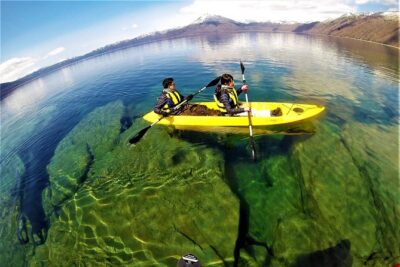 Japan’s No. 1 Water Quality National Lake Shikotsu, Hokkaido’s first landing clear kayak tour difficulty level (medium)From $57.28
The lists this tour appears in