Hokkaido receives some of the lightest, driest powder snow in the world. The mechanism is straightforward: cold, dry air masses from Siberia cross the Sea of Japan, absorbing moisture, then deposit it as snow when they hit Hokkaido’s mountain ranges. The result is consistent, high-quality snowfall averaging 10–15 metres annually at the major resorts, with a moisture content significantly lower than snowfall in the European Alps or most North American ranges. On a good powder morning in Hokkaido, the snow is so light it sprays above your head with every turn.
Seven major resorts and numerous smaller areas provide distinctly different terrain, atmosphere, and price points. Niseko gets the international headlines, but experienced skiers who know the island often prefer Rusutsu for its empty slopes, Furano for its snow quality, or Kiroro for its sheer volume of snowfall. The choice depends on what you prioritise: nightlife and dining, empty powder, family facilities, or proximity to Sapporo.
Resort Comparison
| Resort | Terrain | Annual Snowfall | Day Pass | Atmosphere | Best For |
|---|---|---|---|---|---|
| Niseko United | All levels, strong off-piste | ~15m | ~¥8,500 | International, lively | First-timers to Hokkaido, groups wanting nightlife |
| Furano | Intermediate focus, some advanced | ~9m | ~¥6,000 | Local, quiet | Intermediates, value seekers, families |
| Rusutsu | Intermediate–advanced, tree skiing | ~14m | ~¥6,500 | Self-contained resort | Serious skiers wanting empty slopes |
| Tomamu | All levels, resort facilities | ~8m | ~¥7,000 | Family resort | Families, non-skiing partners |
| Kiroro | Intermediate–advanced | ~20m+ | ~¥6,000 | Quiet, snow-focused | Powder chasers, deep snow days |
| Sapporo Teine | All levels (Olympic venue) | ~6m | ~¥5,000 | City resort, day trips | Sapporo-based visitors, half-day skiing |
| Asahidake | Advanced–expert backcountry | Variable | ~¥3,200 (ropeway) | Wild, no grooming | Experienced backcountry riders |
Niseko United
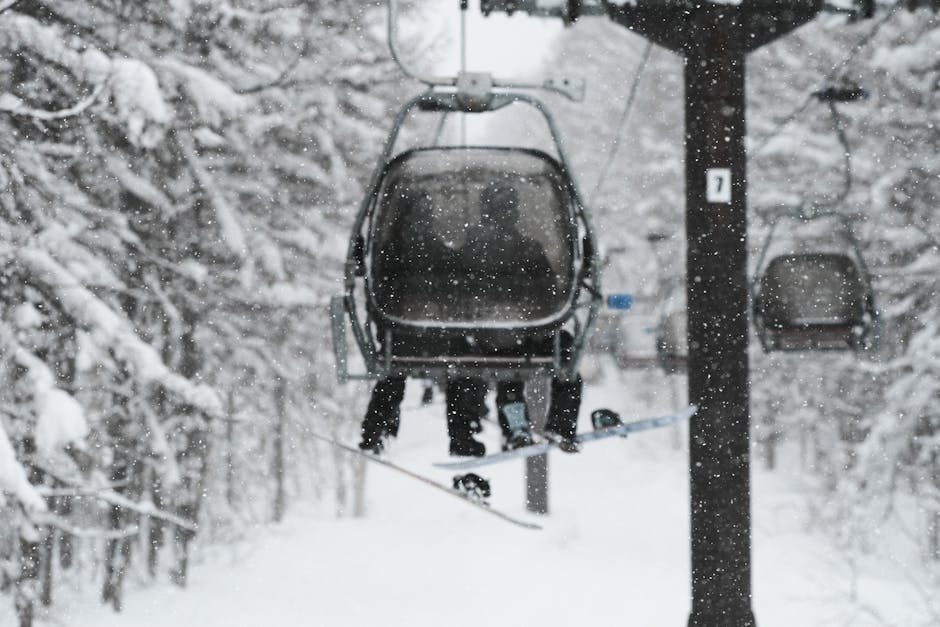
The most well-known ski destination in Asia comprises four interconnected resorts — Grand Hirafu, Niseko Village, Annupuri, and Hanazono — sharing a single mountain (Mt. Niseko-Annupuri, 1,308m) and linked by lifts and a free shuttle bus system. An All Mountain Pass provides access to all four areas.
The Skiing
Niseko’s terrain covers all ability levels. Annupuri has gentle, wide cruisers through birch forest for beginners. Hirafu and Hanazono have steeper pitches, mogul fields, and the best tree skiing. The resort operates a progressive backcountry gate system — when avalanche conditions are assessed as safe, gates open to marked exit points leading into off-piste terrain. This is one of the more accessible ways to experience backcountry powder in Japan without hiring a guide, though hiring one is recommended if you don’t know the mountain.
The vertical drop is modest by European standards — about 890m from the summit of Annupuri to the base of Hirafu — but the snow quality compensates. On a powder day, the top-to-bottom tree runs on the Hirafu and Hanazono sides deliver the kind of skiing that justifies the international reputation.
Night skiing at Hirafu runs until 20:30 on a lit section of the mountain. Skiing powder under floodlights with snow falling is a uniquely Niseko experience, and the night pass (approximately ¥2,600/~$18) is often uncrowded even when daytime slopes are packed.
The Village
Hirafu village has the greatest concentration of restaurants, bars, and shops in any Japanese ski resort — roughly 50 dining options, from high-end Japanese kaiseki to late-night ramen. The international crowd (heavily Australian, with significant Singaporean, Hong Kong, and Chinese presence) gives it a cosmopolitan atmosphere unlike anywhere else in rural Hokkaido. English is the dominant language in many Hirafu establishments.
The other three villages are quieter. Niseko Village is a resort-managed complex around the Hilton and Ritz-Carlton. Hanazono has the Park Hyatt and little else. Annupuri is the most Japanese in character with the lowest prices.
The Downsides
Cost. Niseko’s prices have risen steadily and now rival or exceed many European resorts. Accommodation during peak weeks (Christmas through early February, Chinese New Year) commands substantial premiums — ¥25,000-60,000/night (~$170-410) for a decent hotel room. The Hirafu gondola queue on powder mornings can exceed 30 minutes. And the international character, while appealing to many, means Niseko feels less like Japan than any other ski resort on the island.
Practical
Lift pass: All Mountain Pass approximately ¥8,500/day (~$58). Multi-day passes reduce the per-day cost significantly.
Season: Late November to early May. Peak powder: January–February.
Getting there: Direct bus from Sapporo (2.5–3 hours, ~¥2,600) or New Chitose Airport (2.5–3 hours, ~¥4,500). By car: 2 hours from Sapporo.
Accommodation: See our where to stay in Niseko guide for village-by-village recommendations.
Tours from Sapporo available through Klook and Viator.
Furano
Furano is the resort that experienced Hokkaido skiers quietly recommend when someone asks where to go instead of Niseko. The snow quality is comparable — some consider it marginally drier and lighter, though the difference is subtle. What is not subtle is the difference in price, crowds, and atmosphere.
The Skiing
Two interconnected zones (Furano and Kitanomine) on a single mountain offer 28 courses with a vertical drop of 964m. The terrain suits intermediates particularly well — long, well-groomed runs through birch forest, consistent pitch, and enough variety to fill several days without repetition. Advanced skiers have steeper options on the Kitanomine side, and the resort hosted FIS World Cup events, so the racing piste has genuine gradient.
Off-piste access is more restricted than Niseko. There is no formal gate system, and the resort’s policy on sidecountry has historically been stricter. For dedicated powder hunters, this is a limitation. For most skiers who want groomed runs with excellent snow and no queues, it is irrelevant.
The Town
Furano town retains a local Japanese character that Niseko has largely lost. The dining options are good — ramen, curry, izakayas, and the famous Furano curry omelette rice — but the evening scene is low-key. This is a town where people eat dinner, soak in an onsen, and go to bed, not a town where people go bar-hopping until midnight. For many visitors, that is exactly the appeal.
The New Furano Prince Hotel provides ski-in/ski-out access at moderate prices (from approximately ¥10,000/night/~$68 per person with breakfast). Ningle Terrace, the craft workshops in the forest behind the hotel, are charming in winter when snow covers the cabin roofs and the paths are lit.
Beyond Skiing
Furano Cheese Factory, Furano Wine Factory, and the surrounding Furano and Biei area give non-skiing partners and rest-day activities that Niseko doesn’t match. If you’re travelling with someone who doesn’t ski, Furano is the better base.
Practical
Lift pass: Approximately ¥5,900/day (~$40). Notably cheaper than Niseko.
Season: Late November to early May.
Getting there: Bus from Sapporo (2.5–3 hours, ~¥2,300). JR train to Furano Station (2–2.5 hours via Takikawa). By car: 2 hours from Sapporo.
Ski rental: Available at the resort and in town. From approximately ¥4,000/day for a full setup.
Rusutsu
If Niseko is where the world goes and Furano is where Japan goes, Rusutsu is where Hokkaido skiers go when they want to actually ski. Three mountains — West, East, and Isola — with 37 courses and a combined vertical of over 700m, and on most days you can ski fresh lines well into the afternoon because the crowds simply are not there.
The Skiing
Mt. Isola is the star. The back side of Isola faces north, receives enormous snow accumulation, and has tree skiing that rivals Niseko’s best. The spacing between trees is generous — Hokkaido’s birch forests are naturally open — and untracked powder can frequently be found at 2pm on a day when Niseko’s gates were skied out by 10am. The West and East mountains are smaller but offer good groomed cruising and some steeper pitches.
The snowfall averages about 14m annually, which is close to Niseko’s total. The snow quality is excellent — the same Siberian weather systems that feed Niseko also hit Rusutsu, with marginally less ocean influence.
The Resort
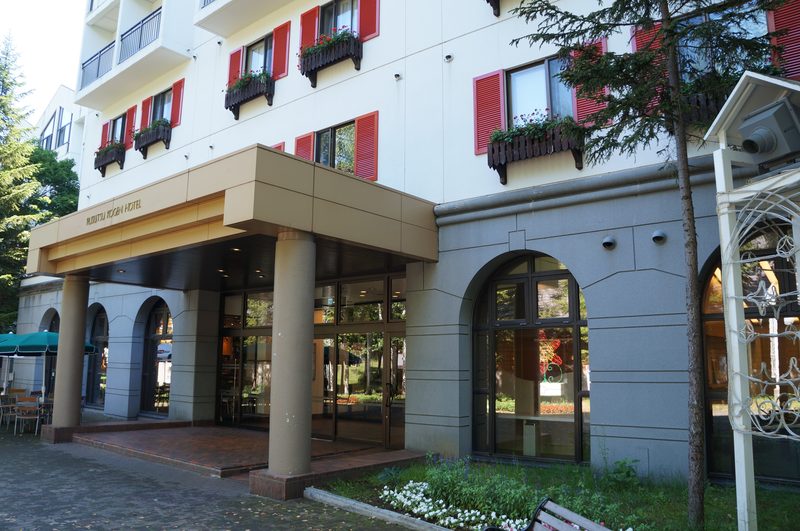
Rusutsu is essentially self-contained around the Rusutsu Resort Hotel — a large, somewhat dated complex with an indoor amusement park, multiple restaurants, and an onsen. There is very little outside the hotel grounds — no independent restaurants, no bar scene, no village to wander. If your priority is skiing quality and you are content with hotel dining in the evening, this won’t matter. If you want the social atmosphere of a ski town, stay in Niseko and day-trip to Rusutsu.
The hotel connects to the West Mountain by a gondola from the lobby, making the morning routine genuinely seamless — breakfast, gear up, gondola, skiing, all without going outside until you are on the slopes.
Practical
Lift pass: Approximately ¥6,500/day (~$44).
Season: Late November to early April.
Getting there: Direct bus from Sapporo (90 minutes, ~¥2,000). Shuttle from New Chitose Airport (2 hours). By car: 90 minutes from Sapporo. Rusutsu is also only 30 minutes from Niseko by car, making cross-resort days possible.
Accommodation: The Rusutsu Resort Hotel dominates. The Westin Rusutsu opened more recently and offers a more modern alternative.
Tomamu (Hoshino Resorts)
Tomamu is the family resort of Hokkaido skiing. Run by Hoshino Resorts, it combines skiing with non-ski attractions — an indoor wave pool (Mina Mina Beach), ice village, and the famous Cloud Sea Terrace (unkai terrace) — that make it work for mixed groups where not everyone wants to spend every day on the mountain.
The Skiing
Two mountains with 29 courses, including a good variety for beginners and intermediates. The snowfall is lower than Niseko or Rusutsu (approximately 8m annually) because Tomamu sits further east, past the main Sea of Japan snow belt. The snow is still Hokkaido-quality powder when it falls, but there are fewer powder days per season. The resort compensates with good grooming and snowmaking.
Advanced skiers will find Tomamu limiting after two or three days. The terrain lacks the steeps and tree runs of Rusutsu or Niseko. But for families with children learning to ski, or for mixed groups where some members want to spend the day at the pool instead of the slopes, Tomamu delivers a complete resort experience.
Non-Ski Attractions
Mina Mina Beach: An enormous indoor wave pool with a 30°C artificial beach, open year-round. Kids can spend hours here. The contrast of swimming in tropical-temperature water while snow falls outside the glass walls is distinctly Hokkaido.
Ice Village: A complex of structures built from ice — an ice bar (serving drinks in ice glasses), ice slide, ice chapel, and themed rooms. Operates from December through March. Genuinely impressive in scale and craftsmanship.
Cloud Sea Terrace: A gondola ride to a viewpoint above the clouds at dawn, when a sea of cloud fills the Tomamu valley. Not skiing-related and not available in the depths of winter (best May–October), but it is one of Hokkaido’s most memorable visual experiences.
Practical
Lift pass: Approximately ¥7,000/day (~$47).
Season: Early December to late March.
Getting there: JR Tomamu Station is on the Limited Express Tokachi/Ozora line (90 minutes from Sapporo, ~¥5,490). Free shuttle from the station to the resort. By car: 1.5 hours from Sapporo via expressway.
Accommodation: Hoshino Resorts Tomamu (two towers) and Risonare Tomamu. Not budget — expect ¥20,000-40,000/night (~$136-270) per room.
Kiroro
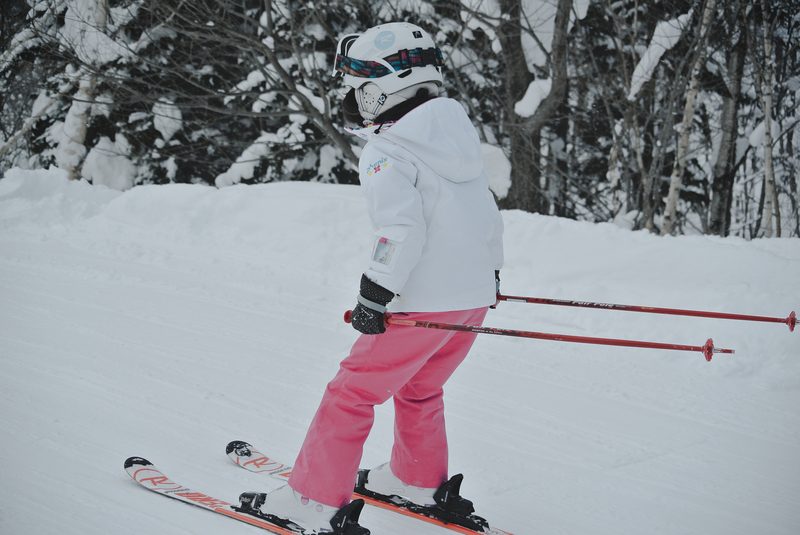
Kiriro’s position in a narrow valley that funnels moisture from the Sea of Japan produces extraordinary snowfall totals — some seasons exceeding 20 metres, consistently among the highest in Hokkaido. When lower-elevation resorts experience rain or marginal conditions, Kiroro is often still receiving quality snow. If you are chasing powder above all else and the forecast is borderline, Kiroro is where you go.
The Skiing
The resort is mid-sized with 23 courses across two peaks, suited to intermediate and advanced skiers. The tree skiing in deep snow is excellent, and the resort has expanded its off-piste access in recent years. The vertical drop is 610m — modest, but the snow depth more than compensates. On a deep day at Kiroro, you are skiing waist-deep powder that would make headlines at most resorts.
The groomed runs are well-maintained and suit intermediates comfortably. Beginners have a small dedicated area but would be better served at Niseko Village or Furano for learning.
The Resort
Kiroro is anchored by two resort hotels: the Tribute Portfolio (Marriott) and the Sheraton. The on-mountain dining and facilities are adequate but limited. The surrounding area is rural — there is no village or independent restaurant scene. This is a resort where you ski, eat at the hotel, soak in the onsen, and ski again. For dedicated skiers, that focus is a positive.
Kiriro is approximately 30 minutes from Otaru by car, making it possible to combine skiing with canal-side sushi and Otaru Beer in the evening — a genuinely appealing combination.
Practical
Lift pass: Approximately ¥6,000/day (~$41).
Season: Late November to early May (one of the longest seasons in Hokkaido due to snow depth).
Getting there: Shuttle bus from Otaru (30 minutes) or Sapporo (90 minutes). By car: 60 minutes from Sapporo. No direct bus from New Chitose Airport — connect via Sapporo or Otaru.
Accommodation: Sheraton Kiroro and Tribute Portfolio. Mid-range to upscale pricing.
Sapporo Teine
The most accessible resort for Sapporo-based visitors. Teine sits on the western edge of the city, about 40 minutes from Sapporo Station by car or bus. The mountain hosted events during the 1972 Winter Olympics and retains a mix of gentle lower slopes (Highland Zone) and steeper upper terrain (Olympia Zone) that covers all ability levels.
The Skiing
The Highland Zone at the top has genuine advanced terrain — the Olympic downhill course is steep and often icy, and the natural terrain around the summit offers good skiing when conditions are right. The lower Olympia Zone is gentler and suits beginners and families. A gondola connects the two areas.
Snowfall is lower than the western resorts (approximately 6m annually) because Teine sits on the city side of the mountains. The snow quality is good when fresh but doesn’t accumulate as deeply, and conditions can turn icy faster after a dry spell.
Why Teine Works
Proximity. If you are staying in Sapporo and want to ski without dedicating an entire day to travel, Teine is the answer. A morning bus from Sapporo Station gets you on the slopes by 09:30, and you can be back in Susukino for dinner. It is also practical for families who want to combine skiing with Sapporo’s city attractions — half a day on the slopes, half a day at Shiroi Koibito Park or the Snow Festival.
Teine is not a destination resort. Nobody flies to Hokkaido specifically for Teine. But as a day-trip complement to a Sapporo-based holiday, it fills a useful niche at the lowest price point of any Hokkaido resort.
Practical
Lift pass: Approximately ¥5,000/day (~$34).
Season: Mid-November to late April.
Getting there: JR Bus from Sapporo Station to Teine Highland (40–50 minutes, approximately ¥600). By car: 40 minutes from central Sapporo. Free parking at the resort.
Asahidake
Not a conventional ski resort. Asahidake is the ropeway-accessed backcountry terrain on the slopes of Hokkaido’s highest peak (2,291m) in Daisetsuzan National Park. There are no groomed runs, no ski patrol above the ropeway station, and no avalanche control. What there is: volcanic terrain with deep, untouched powder, tree skiing through subalpine forest, and the kind of raw mountain experience that resort skiing doesn’t provide.
The Skiing
The ropeway carries you to approximately 1,600m, from where you descend through open volcanic bowls and then into the treeline. Multiple lines are possible depending on conditions, and the snow quality — dry Hokkaido powder at altitude — is exceptional. The vertical drop per run is roughly 500m, and you ride the ropeway back up for another lap.
This is for experienced backcountry riders who carry their own avalanche equipment (beacon, shovel, probe) and understand snowpack assessment. People die here — avalanches and getting lost in whiteout conditions are the main risks. If you are not experienced, hire a guide. Several Asahikawa-based guiding companies offer tours (approximately ¥15,000-30,000/~$100-200 per person for a guided day).
Practical
Access: Ropeway ticket approximately ¥3,200 (~$22) round trip. No lift pass — you pay per ropeway ride.
Season: December to May, though conditions are most reliable January–March.
Getting there: Bus from Asahikawa to Asahidake Onsen (1.5 hours). By car: 1 hour from Asahikawa.
Accommodation: Several small lodges and ryokans at Asahidake Onsen village. The evening onsen soak after a day of backcountry skiing is one of Hokkaido’s great combinations.
Smaller Resorts Worth Knowing
Moiwa (Niseko area)
A small, single-lift resort near Niseko that is NOT part of the Niseko United system. Moiwa receives the same snow as Niseko but is almost completely empty. On a powder day when Hirafu has a 30-minute gondola queue, Moiwa has fresh tracks all morning. The terrain is limited, but for experienced skiers who care about powder more than variety, it is a genuine find. Day pass approximately ¥4,500 (~$30). See our Niseko accommodation guide for Lodge Moiwa 834.
Kamui Ski Links (Asahikawa)
A local resort 30 minutes from Asahikawa with good powder and very low prices (day pass approximately ¥3,500/~$24). Known locally for excellent tree skiing. Zero international visitors. Combine with Asahikawa’s ramen and sake scene.
Sahoro (Tokachi)
A quiet family resort 45 minutes north of Obihiro. Gentle terrain, good for beginners, and significantly cheaper than the western resorts. The Club Med Sahoro operates here, offering an all-inclusive ski holiday format. Combine with Tokachi’s butadon and moor onsen.
Which Resort to Choose
First time in Hokkaido, want the full experience: Niseko. The village infrastructure, English-speaking staff, and all-levels terrain make it the easiest entry point. Accept the premium pricing as the cost of convenience.
Serious skier, powder priority: Rusutsu for tree skiing and empty slopes. Kiroro when the forecast promises deep snow. Asahidake if you have backcountry experience.
Family with kids: Tomamu for the full resort package (pool, ice village, ski school). Furano for a more Japanese experience at lower cost. Niseko Village for families who want quality skiing with hotel convenience.
Budget-conscious: Furano offers the best snow-to-cost ratio. Sapporo Teine is cheapest for day trips. Kamui Ski Links if you are based in Asahikawa.
Want a Japanese experience, not a resort experience: Furano. The town is genuinely Japanese, the prices are fair, and the skiing is excellent. Asahidake for the wild, no-infrastructure mountain experience.
Based in Sapporo, want a day trip: Sapporo Teine (40 minutes). Kiroro (90 minutes). Both work without an overnight stay.
Season and Conditions
The Hokkaido ski season runs from late November through early May at most resorts.
- Late November–mid December: Early season. Base depths building. Coverage may be thin on lower runs. Good deals on accommodation.
- Mid December–February: Peak season. Deepest snow, most consistent powder, biggest crowds, highest prices. Christmas through Chinese New Year is the busiest period.
- March: Excellent skiing. Snow is still deep, temperatures warm slightly, days are longer, and prices drop 20-30%. March powder days can rival mid-season. This is arguably the sweet spot for value.
- April–early May: Spring skiing. Warmer temperatures produce corn snow in the afternoons. Some terrain closes but main runs stay open. The mountain is nearly empty. Niseko and Kiroro typically have the latest closing dates.
Equipment Rental
All major resorts offer ski and snowboard rental on-site. Quality has improved substantially — current-season demo equipment is commonly available. Prices range from approximately ¥4,000-8,000/day (~$27-54) for a full setup (skis or board, boots, poles). Boot fit is the most important factor — if you own boots that fit well, bring them and rent the rest.
Niseko has the largest selection of rental shops, both at the resort and in Hirafu village. Rhythm and Niseko Sports are two of the larger independent shops. Advance online booking sometimes secures 10-20% discounts.
Lessons
English-language ski and snowboard instruction is extensively available at Niseko, and increasingly available at Tomamu and Furano. Niseko’s international instructor corps is among the largest in Asia. Group lessons start from approximately ¥8,000-12,000 (~$54-82) for a half day. Private lessons run ¥25,000-50,000 (~$170-340) for a half day depending on the school and instructor level.
For children, Niseko Village and Hanazono both offer kids’ programmes (ages 3-12) that combine skiing instruction with supervised play. Book ahead during peak weeks — kids’ programmes fill up.
Getting to the Resorts from Sapporo
| Resort | From Sapporo | From New Chitose Airport | By Car |
|---|---|---|---|
| Niseko | Bus 2.5–3 hrs (~¥2,600) | Shuttle 2.5–3 hrs (~¥4,500) | 2 hrs via Otaru |
| Furano | Bus 2.5–3 hrs (~¥2,300) | Connect via Sapporo | 2 hrs via expressway |
| Rusutsu | Bus 90 min (~¥2,000) | Shuttle 2 hrs | 90 min |
| Tomamu | JR train 90 min (~¥5,490) | JR via Minami-Chitose | 1.5 hrs |
| Kiroro | Shuttle 90 min | Connect via Sapporo/Otaru | 60 min |
| Teine | Bus 40–50 min (~¥600) | N/A (via Sapporo) | 40 min |
| Asahidake | Via Asahikawa (JR 85 min + bus 90 min) | N/A | 3 hrs |
A rental car provides maximum flexibility but requires winter driving experience — Hokkaido roads are icy from December through March. All rentals come with mandatory winter tyres. See our car rental guide and getting around guide for details.