Hokkaido has a strong claim to being Japan’s finest cycling destination. The island’s sheer scale works in cyclists’ favour: roads stretch across open farmland for kilometres without a junction, passes wind through forests where you’re unlikely to see another vehicle for an hour, and coastal routes run along cliffs with nothing between you and the Pacific. Compared with Honshu’s crowded cycling paths and frequent traffic lights, Hokkaido feels genuinely open.
The infrastructure has improved steadily. Designated cycling lanes now run through several cities, and the network of cyclist-friendly guesthouses covers even remote areas in the Tokachi and Rumoi regions. Bike rental is available in every major town. E-bikes are becoming standard at rental shops, which has opened up routes that used to be accessible only to fit, experienced riders.
Distances are real here. Plan your days around 60–100km rather than the 20–30km you might manage on a day trip in Kyoto. Carry enough water, because convenience stores thin out quickly once you leave the main towns. Do all of that and Hokkaido will give you some of the best riding in East Asia.
Best Time to Cycle
Late May and June: Arguably the best month. Roads are clear, wildflowers are out, tourist numbers haven’t peaked. Temperatures 15–22°C. Long days. This is the window serious touring cyclists aim for.
July and August: Warm and busy. The Furano lavender fields draw crowds, and main roads through Biei see heavy campervan traffic. Temperatures can reach 30°C on the Tokachi plain. Early starts are sensible.
September: Excellent. Crowds drop, temperatures settle at 15–23°C, and hillsides start turning. Many cyclists consider September the sweet spot for Hokkaido touring.
October: Autumn colour peaks early to mid-month. Temperatures drop quickly after mid-month. Some rental shops close by month’s end. Mornings can be near freezing by late October.
Cycling Routes
Biei and Furano — The Patchwork Hills
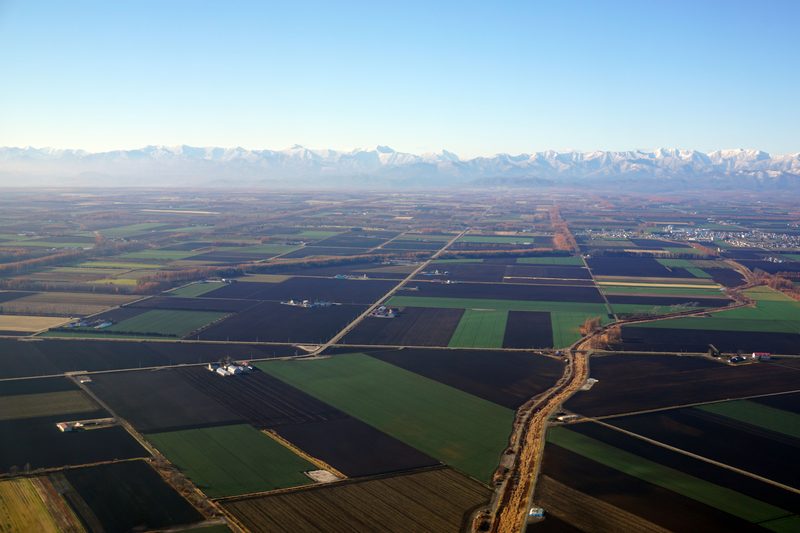
The route most visitors picture: rolling farmland stitched together in blocks of colour, low hills on the horizon, the Tokachi-dake range catching the afternoon light. The classic Patchwork Road loop from Biei town runs about 25km over gently undulating terrain. Elevation gain is around 300m — noticeable but not demanding. The roads are narrow, lightly trafficked, and mostly smooth asphalt.
The longer option continues south into the Furano valley — about 35km one way. Most cyclists prefer the quieter agricultural roads that run parallel to the main Route 237. Many catch the Furano Line train back (bikes accepted in the baggage area — confirm at the station).
Stop at farm stands along Patchwork Road for corn in summer or potatoes in autumn. In July, Farm Tomita is well-signposted though crowded.
Lake Shikotsu — Volcanic Lakeside Circuit (40km)
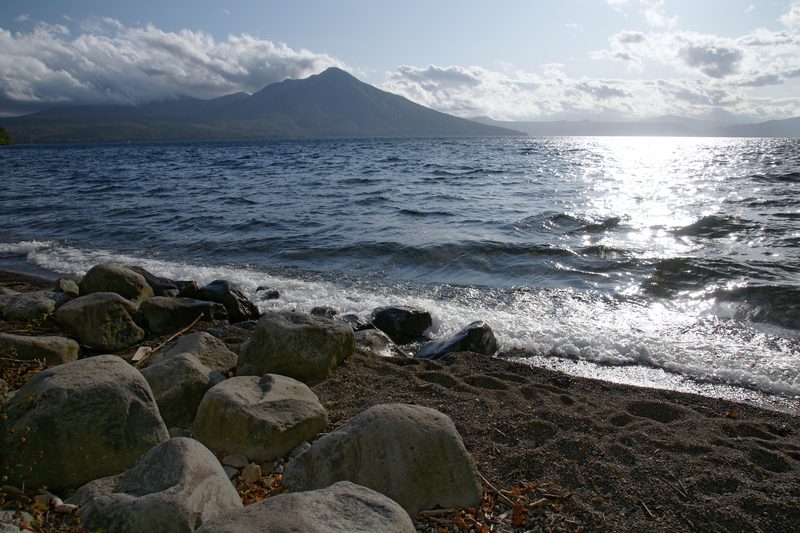
One of Hokkaido’s most dramatic short rides. The road circles the caldera with the surrounding forest dense enough that you’re almost always in shade. Minimal elevation change on the southern shore; steeper on the northern side where the road climbs through forest. Traffic is light except on summer weekends. The water is among the clearest in Japan — small beaches on the southern shore for a swim break. Rental available at Shikotsu Kohan visitor centre (from ¥1,800/2 hours, e-bikes available, May–October).
Rishiri Island — The Island Circuit (56km)
A coastal road loop with Mt. Rishiri (1,721m) on one side and the sea on the other for the full circuit. Almost entirely flat. Smooth asphalt throughout. Most cyclists complete it in a single day from Oshidomari port. Stop at Otatomari lagoon on the southern shore for the mountain reflection. Rental available at Oshidomari; book ahead in August. The island has guesthouses that cater specifically to touring cyclists. See our Wakkanai guide for ferry details.
Tokachi Plain — Long-Distance Flatlands (60–100km+)
Roads run perfectly straight for 10–15km between small farming settlements. Almost no traffic outside the Route 38 corridor. Not scenic in the Biei sense — no dramatic hills — but the openness is compelling. A practical route runs Obihiro to Shintoku along the Tokachi River valley (~60km, minimal climbing). Distances between towns can reach 20–30km, so carry food and water. See our Tokachi guide.
Otaru to Yoichi — Coastal Wine Country (28km)
The old railway line partially converted to cycling path, with the remainder on quiet coastal roads. Mostly flat, following Ishikari Bay. Yoichi has the Nikka Whisky Distillery (free tours) and several small wineries. Easy half-day ride from Otaru. Return by JR train from Yoichi station.
Sapporo — River Path Cycling
The Toyohira River path runs roughly 25km through the city, smooth surface, separated from traffic. Passes through Nakajima Park. Several hire-by-the-hour rental shops near Odori Park and JR Sapporo Station. Porocle bike-sharing has stations throughout the city centre (¥165/30 minutes).
Multi-Day Touring
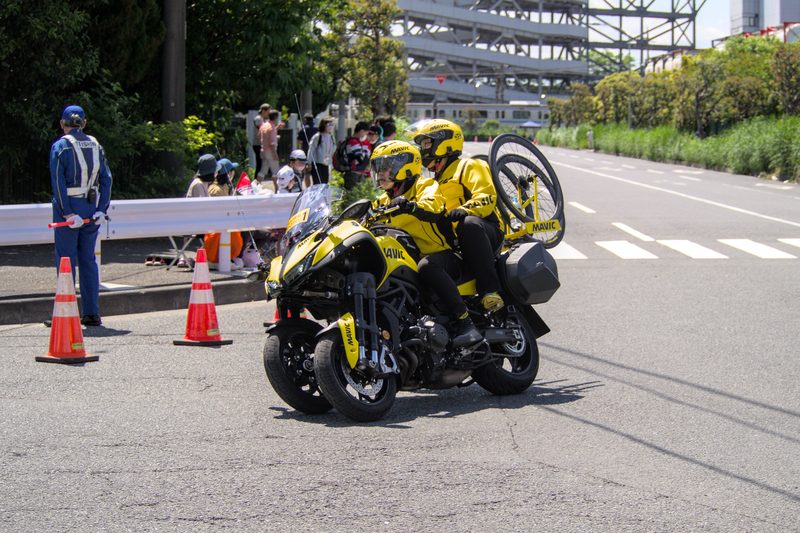
Hokkaido has a strong touring culture. Long before cycling infrastructure became a policy priority, touring cyclists crossed the island on loaded bikes, sleeping in cheap guesthouses called rider houses (¥500–1,000/night for floor space, shower, and sometimes breakfast). Many of these still exist, particularly in the Tokachi, Abashiri, and Shiretoko regions.
Classic route: Sapporo to Kushiro via Furano-Biei and the Tokachi plain — roughly 350–400km over 5–7 days. Mix of scenic hills and long quiet straights. Most touring cyclists ride this with prevailing southwest wind.
Shorter option: Otaru north along the Japan Sea coast to Rumoi, then inland to Asahikawa — ~250km over 3–4 days. Very light traffic, fishing villages, limited but genuine accommodation.
Circumnavigation: The full Hokkaido loop — 1,000km+, 2–3 weeks. Legendary among touring cyclists. Serious commitment but the infrastructure (convenience stores, rider houses, campgrounds at ¥300–1,000/night) makes it practical.
Rider houses typically offer secure bike storage, a hose for washing, and sometimes a repair stand. Search for raida hausu in Japanese — they’re often not on international booking platforms.
Road Conditions and Safety
Hokkaido’s roads are generally in better condition than Honshu equivalents — frost damage means surfaces get relaid more frequently. Traffic on national routes (Route 237, 38, 12) can be heavy in summer; use parallel agricultural roads where possible. These are typically unpaved but well-graded gravel — a hybrid or gravel bike handles them without difficulty.
Bears: Present in rural areas including the Tokachi plain and central highlands. Cycling through bear country without a bell is not advisable. Most rental bikes come with one; use it on forest sections. Bear sightings near roads happen several times each summer but attacks on cyclists are rare. Don’t leave food on your bike at camp.
Helmets: Recommended and increasingly required at organised events. Rental shops supply them as standard.
Distances between towns mean a mechanical failure can leave you stranded — carry a basic puncture kit, a charged phone, and an offline map. See our car rental guide if you want a support vehicle for part of the trip.
Bike Rental
- Biei: Several shops near Biei Station. Helmet and lock included. Half-day rates available. E-bikes available. From ¥1,500/day (~$10).
- Sapporo: Multiple shops near Odori Park and JR Station. Road bikes, hybrids, and e-bikes from ¥2,000/day (~$14). Porocle bike-sharing for short rides.
- Otaru: Rental near the station and canal area. Some shops offer one-way rental with drop-off at Yoichi. From ¥1,500/day.
- Rishiri: Two shops near Oshidomari ferry terminal, May–September. Book ahead in August.
- Lake Shikotsu: Visitor centre rental desk, May–October. E-bikes available. From ¥1,800/2 hours.
For touring cyclists needing panniers or frame bags, larger shops in Sapporo and Asahikawa can supply these at additional charge. Confirm availability when booking.
E-Bikes
E-bike availability has expanded significantly since 2022. Most major rental operators now keep e-bikes in their fleet. The practical effect on route planning is considerable — Biei’s patchwork hills become relaxed rather than challenging, and the Tokachi plain’s long distances become less fatiguing (100+km days without arriving exhausted).
Battery range on current models: 60–80km in standard assist, 40–60km on higher settings — sufficient for most single-day routes. Some rental shops on touring routes offer charging at partner guesthouses. Japanese law classifies e-bikes that cut off above 24km/h as regular bicycles — no licence required.
Practical Tips
- Cycle on the left — same side as cars.
- Convenience stores (Seicomart, 7-Eleven) are your refuelling stations. Hot food, cold drinks, toilets, air conditioning. Rarely more than 20–30km apart on main routes. In remote eastern Hokkaido, gaps can be longer.
- Rain: July and August can have sudden showers. Carry a packable rain jacket.
- Wind: Coastal routes, particularly in northern Hokkaido, can have strong headwinds. Plan direction accordingly — westerly winds dominate in summer.
- Bikes on trains: Folding bikes travel free on JR trains if bagged. Full-size bikes must be disassembled and bagged (rinko bag). Some seasonal sightseeing trains allow unbagged bikes — check the JR Hokkaido website.
See our summer itinerary for trip planning and our climate guide for month-by-month weather.