Spring in Hokkaido runs approximately late April through May, a full month behind the mainland cherry blossom season. While Tokyo’s sakura peak in late March and early April, Sapporo’s trees don’t open until early May, and Hakodate’s famous Goryokaku fort blooms in late April. This is the shoulder season sweet spot: winter crowds have gone, summer crowds haven’t arrived, prices are at their lowest, and the cherry blossoms that Tokyo finished weeks ago are just beginning.
The weather is changeable. Late April can still feel wintry — temperatures of 5-10°C, occasional snow flurries, and bare trees. By mid-May, the island transforms: 15-20°C, green everywhere, and the kind of fresh spring light that makes everything look newly washed. Pack layers and expect both. See our climate guide for month-by-month temperatures.
Day 1: Arrive Sapporo
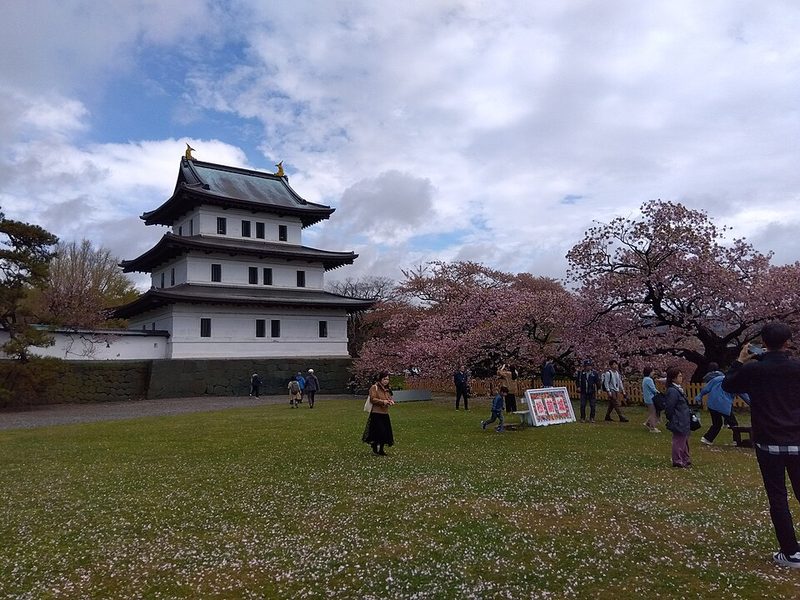
Fly into New Chitose Airport and take the JR Rapid Airport train to Sapporo Station (37 minutes, ¥1,150/~$8). Check into your hotel — business hotels near the station start at ¥5,000-7,000/night (~$34-47) in spring, significantly cheaper than winter or summer rates. Dormy Inn Premium Sapporo is a good value option with a natural hot spring bath included.
Walk Odori Park in the afternoon. If you are here in early May, the park’s cherry trees may be starting to bloom — they line the park from Nishi 3 to Nishi 6. The Sapporo TV Tower at the east end gives you an overview of the park and city grid (¥720/~$5). Lilac trees, which bloom later in May, fill the park with fragrance during the Lilac Festival (late May).
Evening: miso ramen in Susukino. Ramen Alley (Ramen Yokocho) has the atmosphere; Sumire in Nakajima Park area has the flavour. A bowl runs ¥800-1,000 (~$5-7). See our ramen guide.
Day 2: Sapporo Cherry Blossoms and City
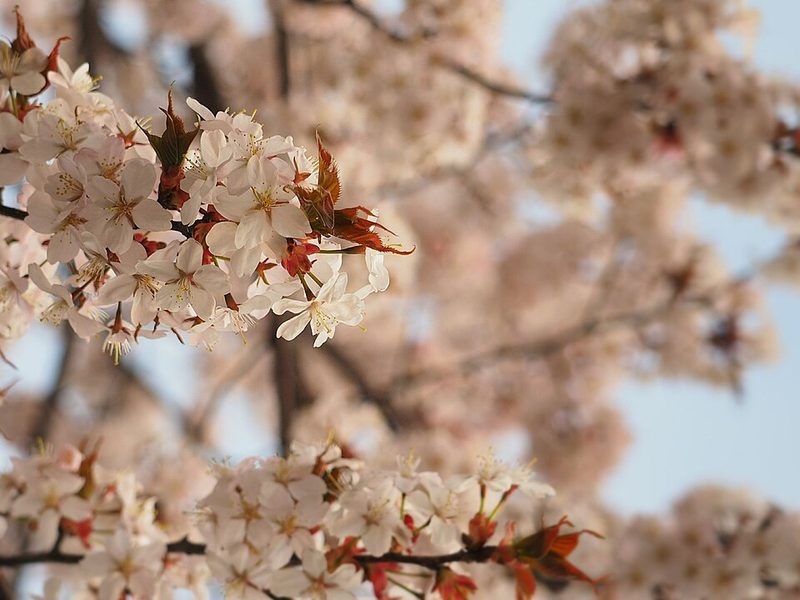
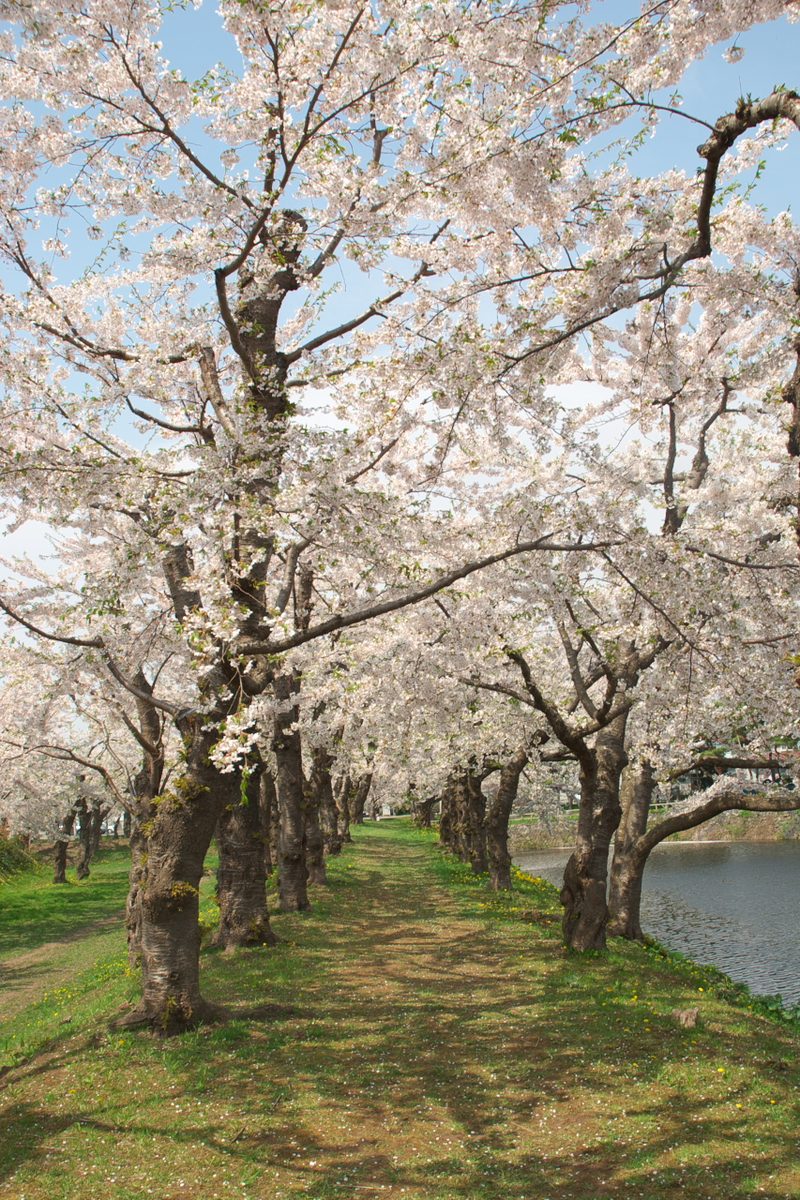
Morning: Maruyama Park and Hokkaido Shrine. This is the best cherry blossom spot in Sapporo — roughly 1,700 trees (Ezo-yamazakura and Somei-yoshino varieties) bloom from late April through mid-May. The combination of sakura, ancient forest, and the shrine’s torii gates is peaceful even when locals gather for hanami (blossom-viewing picnics). The park is a 5-minute walk from Maruyama-Koen subway station (Tozai Line). Free entry.
The Ezo-yamazakura variety is worth noting — it blooms with leaves already unfurling, giving the blossoms a slightly different look from the pure-white Somei-yoshino that dominates in Tokyo. The effect is warmer and more natural.
Lunch: Nijo Market for seafood. The market is tourist-priced but convenient, and the seafood donburi (rice bowls) are fresh. A loaded bowl runs ¥2,000-3,500 (~$14-24). For better value, walk one block north to any of the small shops on the surrounding streets.
Afternoon: Sapporo Beer Museum and Beer Garden. The museum occupies the atmospheric red-brick former factory (free entry for the self-guided tour, ¥1,000/~$7 for the premium tour with tastings). The beer garden next door serves Sapporo’s exclusive draft beers alongside jingisukan (lamb grilled on a dome-shaped grill) — a quintessential Sapporo experience. Budget about ¥3,000-4,000 (~$20-27) per person for an all-you-can-eat-and-drink package.
Evening: soup curry, Sapporo’s signature dish. Suage and Garaku are reliable choices in the city centre. About ¥1,200-1,600 (~$8-11). See our Sapporo guide.
Day 3: Hakodate
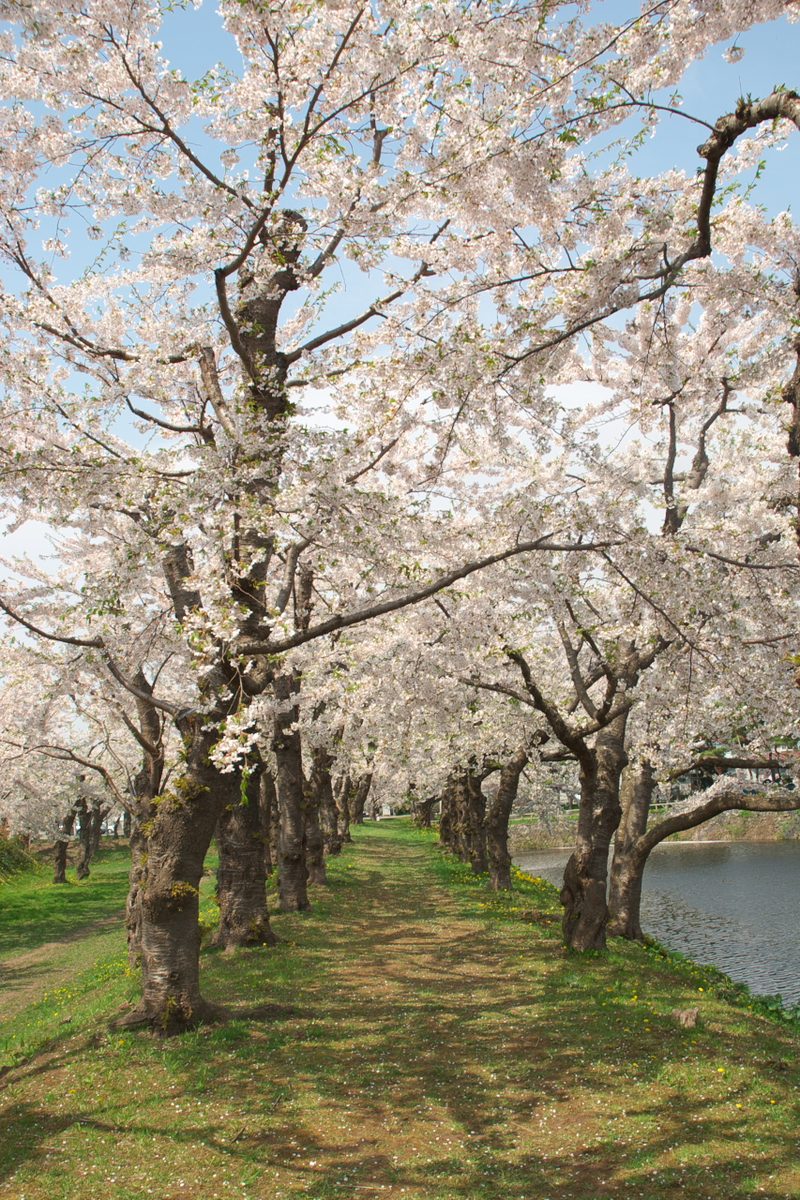
JR Limited Express Hokuto from Sapporo to Hakodate (3 hours 40 minutes, approximately ¥9,440/~$64 one way; covered by JR Hokkaido Rail Pass). If you have the pass, this single journey nearly justifies the cost.
Afternoon: Goryokaku Fort and Tower. If your timing is right (late April to early May), the star-shaped fort is outlined by 1,600 cherry trees in full bloom. View from the tower observation deck (¥900/~$6) for the full effect — the five-pointed star shape traced in pink is one of the most distinctive sakura views in Japan. Even outside blossom season, the fort’s history (it was Japan’s last battlefield during the Boshin War in 1869) and the star-shaped design are worth the visit.
Walk through the Motomachi hillside district above the harbour. The Western-style buildings — Russian Orthodox church, Old British Consulate, Catholic Church — reflect Hakodate’s history as one of the first Japanese ports open to foreign trade. The steep streets between the harbour and the hilltop offer views across the bay.
Evening: Mt. Hakodate night view. The ropeway climbs to the 334m summit (¥1,800/~$12 round trip) for a view of the city lights tracing the narrow peninsula between two bays. It is considered one of the three best night views in Japan, alongside Kobe and Nagasaki. Go at sunset to watch the transition from daylight to city lights. The ropeway can have long queues in peak season — the bus is an alternative (about 30 minutes from Hakodate Station).
Stay overnight in Hakodate. Yunokawa Onsen, the hot spring district on the eastern edge of the city, has several ryokans with ocean-view baths. See our Hakodate guide.
Day 4: Hakodate Morning Market + Onuma Park
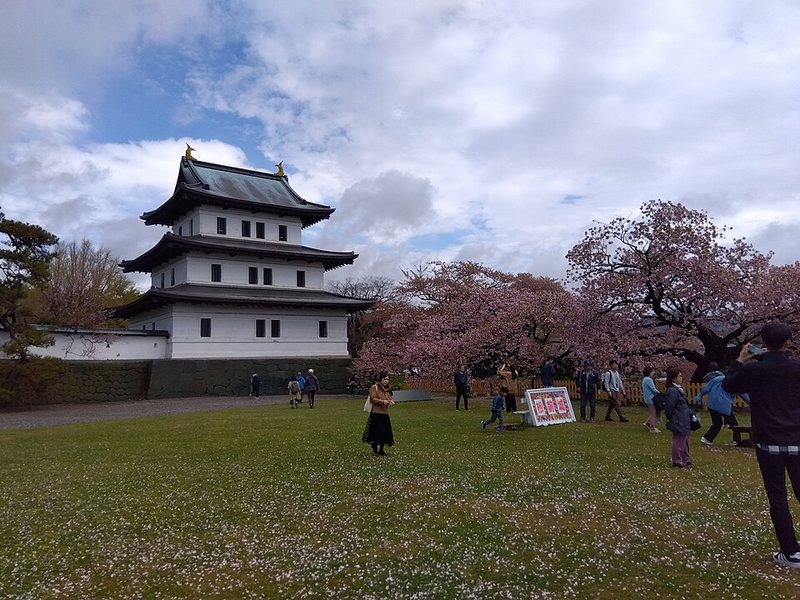
5:00 AM (or as early as you can manage): Hakodate Morning Market, adjacent to Hakodate Station. This is a working market that has been operating since 1945, and it is at its best in the first hour. Roughly 250 stalls sell fresh fish, crab, uni, ikura, and prepared food. The squid fishing game (¥500-800) lets you catch your own ika — it is touristy but fun, and the squid is prepared as sashimi on the spot. A seafood breakfast donburi at one of the market restaurants runs ¥1,500-3,000 (~$10-20).
Late morning: drive or take the JR train to Onuma Quasi-National Park (30 minutes from Hakodate, about ¥640/~$4 by local train). The park sits around a volcanic lake with over 100 small islands connected by bridges, with Mt. Komagatake (1,131m) reflected in the water. In spring, the fresh green growth against the still-snowy upper slopes of the mountain creates a distinctive layered landscape. Walking trails loop the lake and cross the islands (1-3 hours depending on route). Canoe and bicycle rental available from April.
Afternoon: return toward Sapporo. Two options for the evening:
Option A — Jozankei Onsen: Stop at Jozankei, Sapporo’s mountain hot spring town (about 1 hour from Sapporo city centre by bus, approximately ¥800/~$5.40). Stay overnight at a ryokan with dinner. The gorge setting with the Toyohira River running through is atmospheric in spring. See our Jozankei guide.
Option B — Return to Sapporo: Direct train back, evening free in the city. Use it for anything you missed on Day 2, or explore Tanukikoji arcade for souvenirs.
Day 5: Jozankei or Otaru + Depart
If staying in Jozankei: Morning soak at Hoheikyo Onsen, a rustic outdoor bath further up the valley (about 15 minutes by car or shuttle from Jozankei, ¥1,200/~$8 entry). The outdoor bath sits beside the river in a forested gorge — one of the more atmospheric day-use baths near Sapporo. Return to Sapporo by bus (about 1 hour), then to the airport for an afternoon flight.
If in Sapporo: Morning train to Otaru (32 minutes, ¥750/~$5). Walk the canal, browse the glass shops on Sakaimachi-dori, and have a sushi lunch. Buy LeTAO cheesecake fresh from the Otaru shop. Return to Sapporo Station, then JR Rapid Airport to New Chitose for your flight.
Cherry Blossom Timing
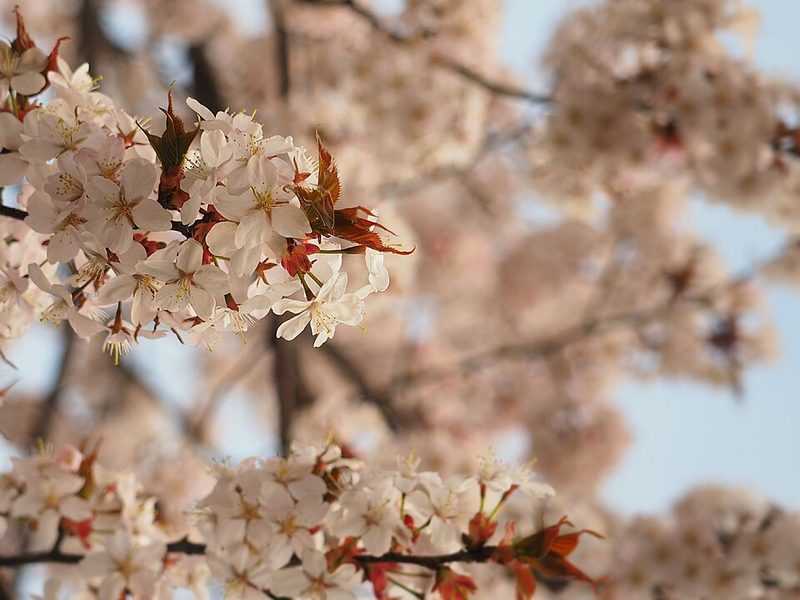
Hokkaido sakura timing varies by year and location. As a general guide:
- Hakodate / Matsumae: Late April to early May
- Sapporo: Early to mid-May
- Asahikawa: Mid-May
- Eastern Hokkaido: Mid to late May
Check the Japan Meteorological Corporation’s sakura forecast (updated weekly from January) for the most current predictions. Peak bloom lasts about one week, and strong wind or rain can end it early.
Budget for This Itinerary
Mid-range (per person, shared room): approximately ¥80,000-100,000 (~$540-680) for 5 days. This covers business hotels, restaurant meals, JR trains (or rail pass), and attractions. Spring shoulder-season pricing makes this noticeably cheaper than the same itinerary in February or July.
See our itineraries overview for other seasonal routes, including winter, summer, and autumn options.