Hokkaido is roughly the size of Austria, and the transport network reflects that scale. Unlike compact Honshu, where trains connect everything to everything, Hokkaido’s public transport covers the main corridors well but thins dramatically outside them. The practical reality: trains work for city-to-city travel (Sapporo to Hakodate, Sapporo to Asahikawa), buses fill the gaps (Sapporo to Niseko, Sapporo to onsen towns), and a rental car is the only practical option for the scenic and rural areas that are often the best parts of the island.
Most visitors use a combination of all three. A typical two-week Hokkaido trip might use the JR train from Sapporo to Hakodate, rent a car for the eastern Hokkaido circuit, take a bus to Niseko, and use the Sapporo subway for the city days. Matching the transport to the destination saves both time and money.
Transport Options Compared
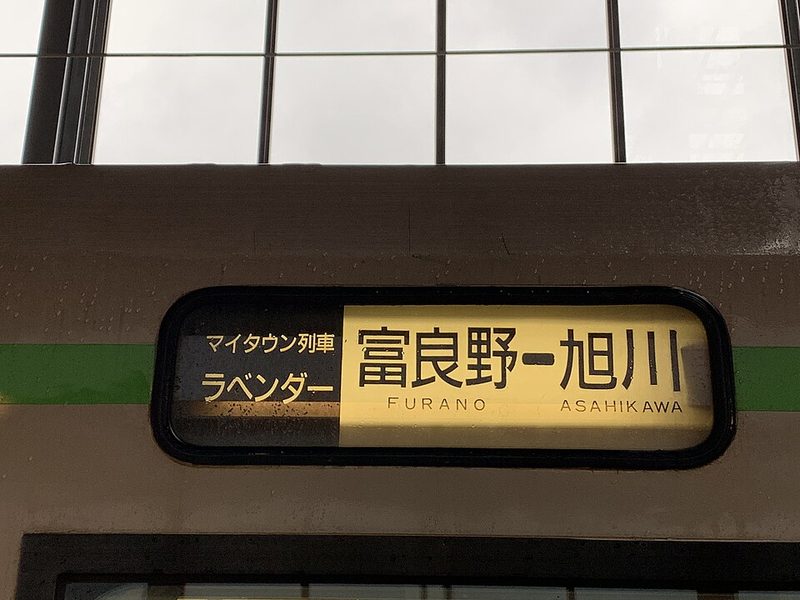
| Method | Best For | Limitations | Cost Level |
|---|---|---|---|
| JR Train | City-to-city (Sapporo–Hakodate, Sapporo–Asahikawa, Sapporo–Kushiro) | Doesn’t reach Niseko, Furano (limited), Shiretoko, lake areas | Moderate–high (rail pass reduces cost) |
| Highway Bus | Niseko, onsen towns, budget city-to-city | Slower than trains, weather delays in winter | Low–moderate |
| Rental Car | Eastern Hokkaido, Biei/Furano, coastal routes, flexibility | Winter driving experience needed, parking in cities | Moderate (from ¥5,000/day) |
| Sapporo Subway | Getting around Sapporo | Three lines, city only | Low (¥210–380/ride, ¥520–830 day pass) |
| Taxi | Short distances, late night, groups of 3–4 | Expensive for long distances | High |
| Domestic Flight | Sapporo to eastern/northern Hokkaido (saves 4–5 hrs driving) | Limited routes, not always cheaper than driving | Variable |
JR Hokkaido Trains
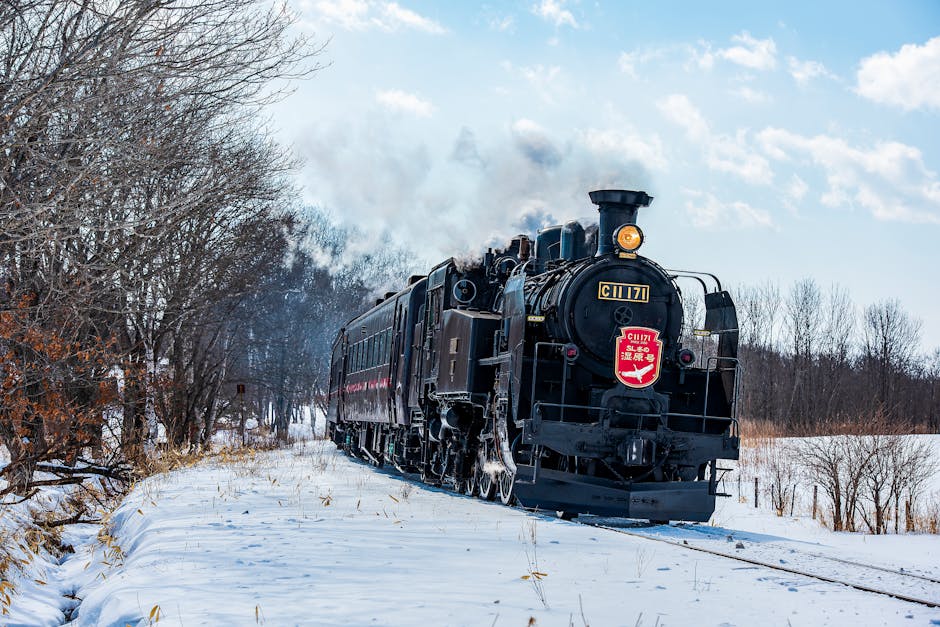
The backbone of Hokkaido’s public transport. Limited express trains connect Sapporo to Hakodate (3.5 hours), Asahikawa (85 minutes), Kushiro (4 hours), Obihiro (2.5 hours), and Abashiri (5.5 hours). The trains are comfortable, punctual, and well-maintained. The JR Hokkaido Rail Pass offers unlimited travel for 5 or 7 consecutive days and saves money on any trip involving two or more long-distance journeys.
The limitation: the rail network doesn’t reach many popular tourist destinations. Niseko, Furano (limited service), Shiretoko, Lake Shikotsu, Daisetsuzan trailheads, and the Shakotan coast all require buses or cars from the nearest station.
Full details, routes, fares, and pass comparison in our rail guide.
Highway and Intercity Buses
Buses fill the gaps that trains don’t cover and are often cheaper on routes where both options exist. Key routes include Sapporo to Niseko (2.5–3 hours, ~¥2,600), Sapporo to Noboribetsu (1.5–2 hours, ~¥2,000), Sapporo to Asahikawa (2–2.5 hours, ~¥2,200), and Sapporo to Hakodate (5–5.5 hours, ~¥4,800 — roughly half the train fare).
During ski season, dedicated shuttle services run from Sapporo and New Chitose Airport directly to Niseko, Rusutsu, Furano, and Kiroro. These fill up during peak weeks — book in advance through resort operators or Klook.
The main downside: buses are slower than trains on parallel routes and can be delayed by winter weather. Build buffer time into connections during snowfall. Full route details, fares, and booking info in our bus guide.
Rental Cars
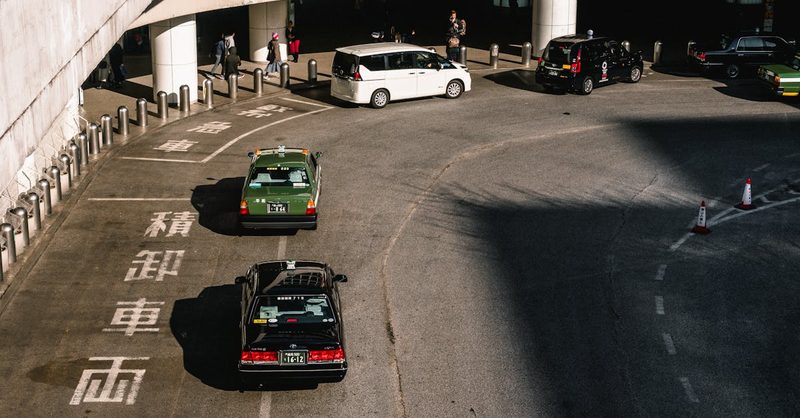
The most flexible option and the only practical choice for many of Hokkaido’s best destinations. Eastern Hokkaido (Shiretoko, Akan lakes, Kushiro Wetlands), the Biei/Furano patchwork roads, the Shakotan coast, and the southern onsen loop (Shikotsu–Noboribetsu–Toya) are all best experienced by car.
Compact cars start from approximately ¥5,000–8,000/day (~$34–54). All Hokkaido rentals come with mandatory winter tyres (November–April). You need an International Driving Permit (IDP) issued in your home country. Major rental companies (Toyota, Nippon, Times, Orix) have offices at New Chitose Airport and Sapporo Station.
Winter driving: the roads are maintained and locals drive year-round, but black ice, whiteout conditions, and drifting snow are real hazards. If you have never driven on snow and ice, stick to buses and trains in winter. This is honest advice, not overcaution.
Compare prices at RentalCars.com or ToCoo! (Japan specialist with Hokkaido Expressway Pass bundles). Full details in our car rental guide and road trip guide.
Sapporo Subway
Three lines (Namboku, Tozai, Toho) intersect at Odori Station in the city centre. The Namboku Line (green, north–south) is the most useful for visitors, connecting Sapporo Station, Odori, Susukino, and Nakajima Park. Single rides cost ¥210–380 depending on distance. The one-day pass (¥830 weekdays, ¥520 weekends) pays for itself after three rides.
All 49 stations have elevators. IC cards (Kitaca, Suica, PASMO) work on all lines — tap in, tap out. The underground walkway (Chikaho) connects Sapporo Station to Odori and Susukino entirely below ground — heated, flat, and invaluable in winter when the streets above are icy.
Full details in our Sapporo subway guide.
Taxis
Expensive but useful in specific situations: late at night when subways stop (last trains around 00:00–00:30), for groups of 3–4 splitting the fare, or for short hops with heavy luggage. Starting fare is ¥550–670 and climbs steadily with distance. A taxi from Sapporo Station to Susukino costs about ¥800–1,000 — walkable in 15 minutes, but useful in winter.
Taxis in Hokkaido are clean and reliable. Drivers generally don’t speak English but will follow a Google Maps pin or a written Japanese address. Show your destination on your phone screen rather than trying to pronounce it.
IC Cards (Kitaca, Suica, PASMO)
Rechargeable contactless cards that work across Hokkaido’s public transport and at many shops. Kitaca is the Hokkaido-specific card; Suica and PASMO from other regions work identically here. Buy one at Sapporo Station or New Chitose Airport (¥500 refundable deposit + whatever amount you load).
Use for: Sapporo subway, Sapporo city buses, JR local trains (not limited express — those need tickets or a pass), convenience store purchases, vending machines, some restaurants. Mobile Suica (Apple Wallet/Google Wallet) works if your phone supports it. See our money guide for payment details.
Which Transport for Which Destination
| Destination | Best Transport | Guide |
|---|---|---|
| Hakodate | JR train (3.5 hrs) or flight (80 min) | Rail guide |
| Otaru | JR train (32 min) | Rail guide |
| Asahikawa | JR train (85 min) or bus (2 hrs) | Rail guide |
| Niseko | Direct bus (2.5–3 hrs) | Bus guide |
| Furano/Biei | Car (2 hrs) or train+bus (2.5 hrs) | Car rental |
| Eastern Hokkaido | Rental car (essential) | Road trip guide |
| Noboribetsu | JR train (75 min) or bus (1.5 hrs) | Rail guide |
| Lake Toya | JR train to Toya Station + bus (20 min) | Rail guide |
| Lake Shikotsu | Car (50 min) or bus from airport | Car rental |
| Daisetsuzan | Bus from Asahikawa (1.5–2 hrs) | Bus guide |
| Wakkanai | JR train (5 hrs via Asahikawa) or flight | Rail guide |
Recommended Approach by Trip Type
Sapporo-based with day trips (3–5 days): Subway + JR trains + buses. No car needed. Rail pass if doing Hakodate. Subway day pass for Sapporo days. Bus to Jozankei onsen.
Multi-city tour (5–7 days): JR Rail Pass + buses. Train for the Sapporo–Hakodate–Asahikawa corridor. Bus to Niseko if skiing. Car rental for 1–2 days if you want Biei/Furano flexibility.
Eastern Hokkaido circuit (5–7 days): Rental car essential. Train to Kushiro or fly to Memanbetsu, then car for the loop. No practical public transport between Akan lakes, Shiretoko, and Abashiri.
Ski trip (5–7 days): Airport shuttle to resort, free inter-resort shuttles at Niseko. No car needed unless you want to ski multiple resorts on different days.
Related Guides
- Getting to Hokkaido — flights, Shinkansen, ferries
- Rail Guide — JR network, passes, routes
- Bus Guide — highway and local bus routes
- Car Rental — driving in Hokkaido
- Sapporo Subway — city transport
- Road Trip Guide — best driving routes
- Itineraries — transport built into route plans