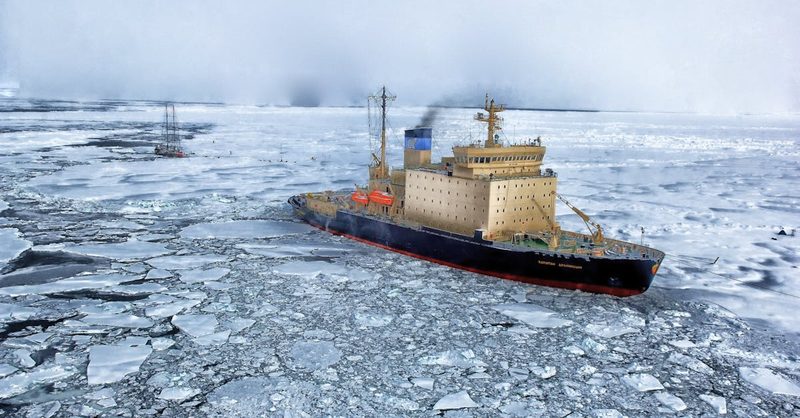
Every winter, sea ice forms in the northern reaches of the Sea of Okhotsk and drifts southward toward Hokkaido’s northeast coast. By late January, broken pack ice covers the ocean surface near Abashiri as far as the eye can see — a natural phenomenon that occurs nowhere else in Japan and at very few locations at this latitude worldwide. The ice typically remains through early March before warming temperatures break it up and push it back north.
Two distinct experiences are available for visitors: icebreaker ship cruises from Abashiri that smash through the pack ice, and guided drift ice walks in the Shiretoko area where participants walk on (and sometimes swim among) the ice floes in dry suits. Both are genuinely unique experiences with no equivalent elsewhere in the country.
Icebreaker Cruise (Abashiri)
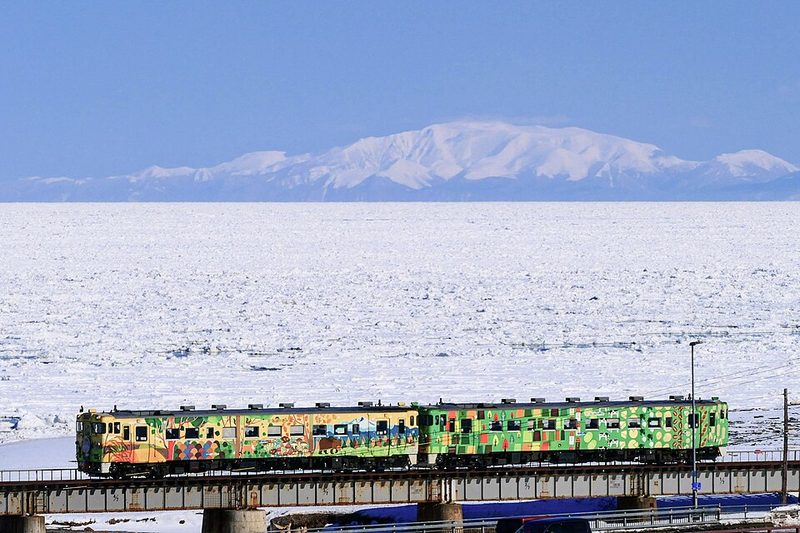
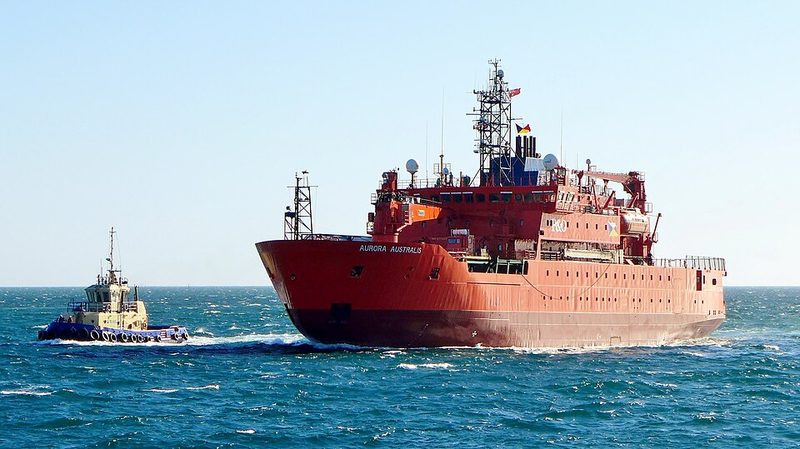
The Aurora icebreaker operates from Abashiri Port, departing several times daily during the drift ice season (typically late January through late March, depending on ice conditions). The ship is purpose-built for ice breaking, and the sensation of a large vessel crunching through frozen ocean is memorable — the sound and vibration as the hull rides up onto ice and breaks through is unlike anything experienced in normal maritime travel.
Each cruise lasts approximately one hour. On clear days, the expanse of white ice stretching to the horizon with the Shiretoko mountain range as a backdrop is spectacular. Wildlife sightings (Steller’s sea eagles, white-tailed eagles, seals resting on ice floes) are possible but not guaranteed.
Practical Details
- Season: Approximately late January to late March (exact dates depend on ice conditions; some years see earlier arrival or earlier departure)
- Departures: Multiple daily sailings, typically 09:00, 11:00, 13:00, 15:00
- Duration: Approximately 60 minutes
- Cost: Approximately ¥3,500 for adults
- Reservations: Recommended, particularly on weekends and during the first two weeks of February when ice is most reliable. Can be booked directly or through Klook (from approximately $33).
What to Wear
The open deck is where you want to be for the experience, and it is extremely cold. Temperatures on the Sea of Okhotsk in February typically range from -5°C to -15°C, with wind chill making it feel significantly colder. Full winter gear is essential: insulated jacket, thermal layers, warm hat, insulated gloves, and ideally a face covering. The heated cabin provides shelter, but the experience loses much of its impact from behind glass.
When There Is No Ice
Some years, particularly in recent decades, the ice arrives later or in smaller quantities. If ice conditions are insufficient, the Aurora operates as a regular sightseeing cruise without ice breaking. Check the Abashiri drift ice status information (available online and at the port) before planning your trip around the cruise. Early to mid-February historically offers the most reliable ice coverage.
Drift Ice Walk (Shiretoko/Utoro)
A more immersive experience available from the town of Utoro on the Shiretoko Peninsula. Participants wear dry suits and walk directly on the ice floes near the coast, sometimes deliberately falling into the water between floes (the dry suits provide full insulation and buoyancy). Guided tours last approximately 1.5 hours.
The drift ice walk is more physically engaging than the icebreaker cruise and provides a completely different perspective — standing on floating ice at sea level, surrounded by frozen ocean, is a visceral experience. However, it requires more planning (Utoro is remote) and is weather-dependent.
Practical Details
- Season: February to mid-March (dependent on ice reaching the Shiretoko coast)
- Duration: Approximately 1.5 hours
- Cost: Approximately ¥6,000–¥8,000
- Requirements: No special fitness required; dry suits and boots are provided. Children typically need to be at least 6 years old.
- Booking: Advance reservation essential. Available through local operators and Klook.
Getting to Abashiri
Abashiri is in northeastern Hokkaido, distant from Sapporo. Transport options:
| Mode | Route | Duration | Cost |
|---|---|---|---|
| Train | JR Sapporo → Abashiri (Limited Express Okhotsk) | 5.5 hours | ~¥10,540 (covered by JR Pass) |
| Domestic flight | New Chitose → Memanbetsu Airport | 50 minutes | ~¥15,000–25,000 |
| Car | Sapporo → Abashiri via expressway | 5–6 hours | Fuel + tolls ~¥8,000 |
The JR Hokkaido Rail Pass covers the full train journey. The route itself is scenic, particularly the Senmo Line section between Kushiro and Abashiri which passes through the Kushiro Marshland.
Combining Drift Ice with Other Eastern Hokkaido Attractions
Given the distance from Sapporo, a drift ice trip is best combined with other eastern Hokkaido experiences:
- Kushiro Marshland — Red-crowned cranes (tancho) are most visible in winter, feeding at designated sites. The train between Kushiro and Abashiri passes through the marshland.
- Lake Akan — Ainu cultural village, frost flowers on the frozen lake surface, ice fishing.
- Shiretoko — Drift ice walks (see above), winter wildlife, and the dramatic peninsula landscape.
- Abashiri Prison Museum — A fascinating museum built on the site of a former penal colony, covering the harsh conditions endured by prisoners who were used as forced labour to develop Hokkaido’s infrastructure.
See our Eastern Hokkaido Winter Itinerary for a suggested route combining these attractions.
The Drift Ice Museum (Okhotsk Ryu-hyo Museum)
Located in Abashiri, this museum provides context for the drift ice phenomenon and houses a freezing room maintained at -15°C where visitors can touch real drift ice and experience the cold without going to sea. It serves as a useful complement to the cruise, particularly for understanding the science behind why the ice forms and reaches this far south. Admission approximately ¥770.
Related Guides
- Winter Activities
- Ski Resorts
- Winter Itinerary: Sapporo, Otaru and Niseko
- Rail Guide (for JR Pass coverage)
- Cities and Towns