Hakodate sits at the southern tip of Hokkaido, where the island narrows to a peninsula between two bays. It was one of the first Japanese ports opened to international trade in 1854, and the Western influence from that era still shapes the city. Stone warehouses line the waterfront, churches stand on hillsides, and the streetcar running through town gives it a pace that feels different from anywhere else in Hokkaido.
The city is most famous for three things: the night view from Mt. Hakodate (regularly ranked among Japan’s top three), the morning fish market adjacent to the station, and the star-shaped Goryokaku fort. But Hakodate rewards slower exploration too. The hillside district of Motomachi, the Yunokawa onsen area, and the waterfront warehouses each deserve an afternoon.
Areas of Hakodate
Hakodate Station Area
The transport hub and gateway to the morning market. JR Hakodate Station connects to Sapporo by limited express (3.5 hours) and to Honshu via the Hokkaido Shinkansen from nearby Shin-Hakodate-Hokuto. The morning market (Asaichi) sits right next to the station.
Bay Area and Kanemori Warehouses
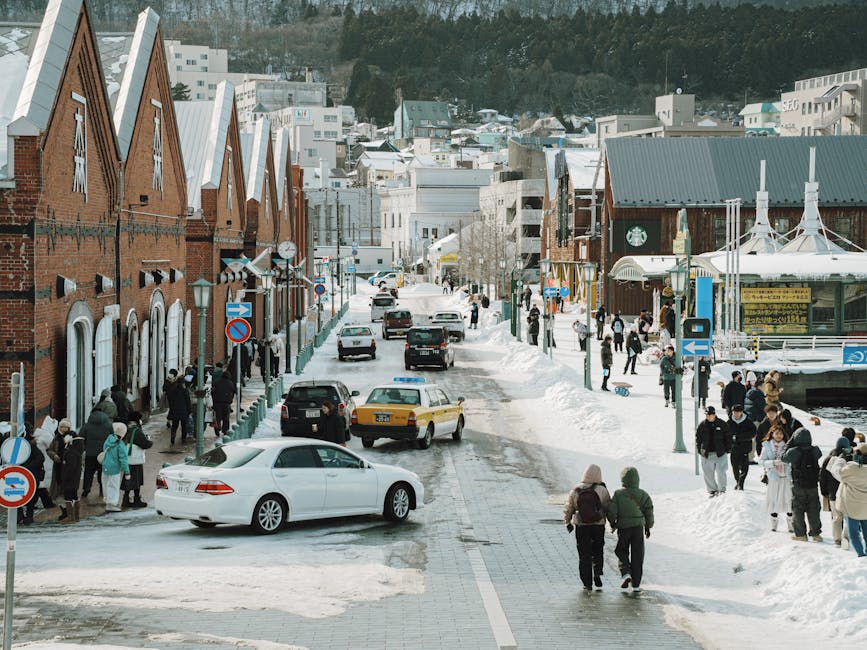
The red-brick Kanemori warehouses along the waterfront have been converted into shops, restaurants, and event spaces. The area is pleasant for an evening walk when the buildings are lit up. In winter, a Christmas-themed illumination runs through the waterfront district.
Motomachi (Hillside District)
The Western-influenced hillside above the bay area. Orthodox and Catholic churches, the former British Consulate, and wooden Western-style buildings line the sloping streets. The 19 historic slopes (zaka) each have a name and a view of the harbour below. Walking from the waterfront up through Motomachi to the ropeway station takes about 30 minutes and is the best way to absorb the atmosphere.
Goryokaku
The star-shaped Western-style fort built in the 1860s, now a public park. The shape is best appreciated from the Goryokaku Tower observation deck (900 yen) next door. In spring (late April to early May), the 1,600 cherry trees lining the star outline create one of Japan’s most distinctive sakura views. In winter, the fort is illuminated.
Yunokawa Onsen
Hakodate’s hot spring district on the eastern coast, about 30 minutes by streetcar from the station. Several ryokans and hotels offer ocean-view outdoor baths. The area is also home to the Tropical Botanical Garden where Japanese macaques bathe in hot springs during winter (December to May). A good option for an overnight stay combining onsen with Hakodate sightseeing.
What to See and Do
Mt. Hakodate Night View
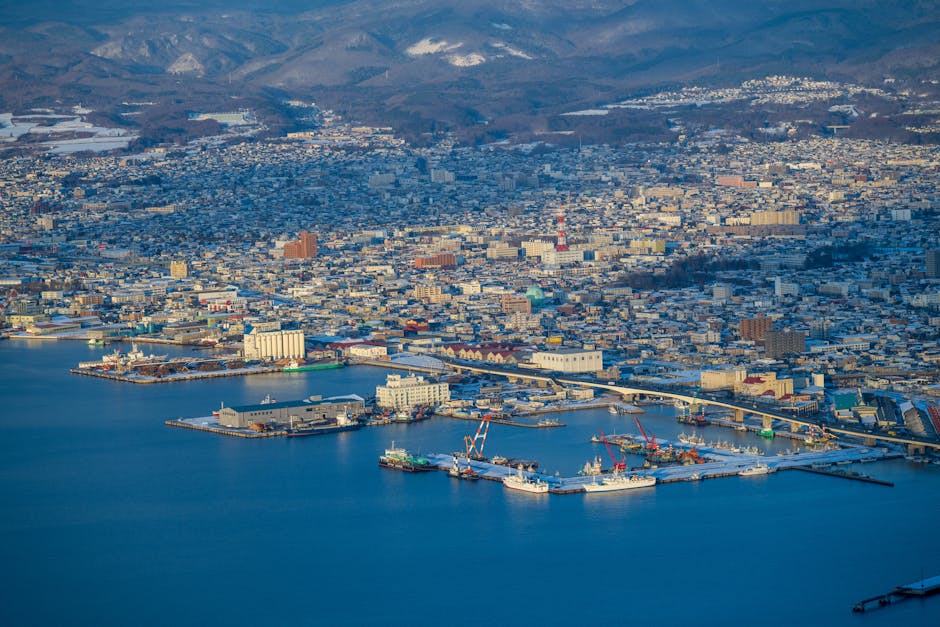
The defining experience of Hakodate. A ropeway climbs to the 334-metre summit where the city spreads below, its lights tracing the narrow peninsula between two dark bays. The hourglass shape of the land with water on both sides creates a view unlike any other urban panorama in Japan.
Go at sunset and stay for darkness. The ropeway runs every 10 minutes until 22:00 (21:00 in winter). Round trip 1,800 yen. On clear nights the view is genuinely spectacular. On foggy nights you see nothing, so check the weather before going.
Hakodate Morning Market (Asaichi)
Opens at 5 AM adjacent to the station. Over 250 stalls selling seafood, produce, dried goods, and prepared food. The main draws for visitors are the seafood restaurants serving donburi (rice bowls topped with uni, ikura, crab, and other seafood) and the live squid fishing game where you hook a squid from a tank and the chef prepares it as sashimi immediately.
Go early. By 8 AM the best stalls are busy with tour groups. By noon many are closing. The squid fishing game costs around 800-1,500 yen depending on the size of the squid.
Goryokaku Fort and Tower
Japan’s first Western-style star fort, built between 1857 and 1864. The fort played a role in the final battle of the Boshin War. Today it is a park with walking paths around the moat. The adjacent Goryokaku Tower (900 yen) provides the aerial view that makes the star shape visible.
Cherry blossom season (late April to early May) is the peak time to visit, when the star outline is traced in pink.
Motomachi Churches
Three historic churches stand on the hillside: the Russian Orthodox Church (1916, with distinctive onion domes), the Catholic Motomachi Church, and the Episcopal Church. All three are within walking distance of each other and free to view from outside (interior access varies). The surrounding streets of Western-style wooden buildings complete the atmosphere.
Streetcar
Hakodate’s streetcar (tram) system runs two lines covering the main tourist areas. Flat fare of 210 yen per ride, or buy a one-day pass for 600 yen (pays for itself after 3 rides). The streetcar is the most practical way to travel between the station, bay area, Motomachi, Goryokaku, and Yunokawa.
Food
- Ika (squid) — Hakodate’s signature. Ika-somen (squid cut into noodle-thin strips), grilled squid at the morning market, and fresh sashimi everywhere.
- Seafood donburi — the morning market specialises in bowls piled with uni, ikura, crab, and scallops.
- Shio ramen — Hakodate’s ramen style uses a clear salt-based broth, lighter than Sapporo’s miso. See our ramen guide.
- Lucky Pierrot — a local fast-food chain found only in Hakodate. The Chinese chicken burger is the most popular item. Multiple locations around the city, each with different themed decor.
- Hakodate hamburger steak — Western-influenced cuisine is a thread through Hakodate’s food scene, reflecting the port’s history.
Getting There
From Sapporo: JR Limited Express Hokuto, approximately 3.5 hours, around 9,440 yen. Covered by the JR Hokkaido Rail Pass.
From Tokyo: Hokkaido Shinkansen to Shin-Hakodate-Hokuto (approximately 4 hours), then Hakodate Liner local train (20 minutes) to Hakodate Station.
Hakodate Airport: Domestic flights from Tokyo Haneda (1 hour 20 minutes). Airport to city centre by shuttle bus (20 minutes, 450 yen).
See our getting to Hokkaido guide.
Getting Around
- Streetcar: Two lines covering main areas. 210 yen flat fare, 600 yen day pass.
- Walking: The station, bay area, and Motomachi are walkable within 30 minutes.
- Mt. Hakodate Ropeway: From Motomachi base station to the summit.
Where to Stay
- Station area — convenient for morning market and transport
- Bay area / Motomachi — atmospheric, close to sightseeing
- Goryokaku area — quieter, local neighbourhood feel
- Yunokawa Onsen — hot spring ryokans, ocean views
See our accommodation guide.
How Long to Stay
1 day: Morning market, Motomachi walk, Mt. Hakodate night view. Tight but possible.
2 days (recommended): Adds Goryokaku, Yunokawa onsen, and time to eat properly without rushing.
3+ days: Day trip to Onuma Park (30 minutes by train), deeper food exploration, relaxed onsen stay.
Seasonal Highlights
| Season | Highlights |
|---|---|
| Winter (Dec-Mar) | Christmas illumination, snow on Motomachi slopes, quiet atmosphere |
| Spring (Apr-May) | Cherry blossoms at Goryokaku (late April), Matsumae castle cherry festival |
| Summer (Jun-Aug) | Port festival, comfortable temperatures, fresh squid season |
| Autumn (Sep-Nov) | Foliage at Onuma Park, quieter than summer, good value |
See our itineraries for routes that include Hakodate.