Hokkaido’s settlements range from Sapporo, a modern city of two million, to fishing villages of a few hundred people accessible only by single-lane roads. The character of the island changes dramatically as you move from the developed western corridor (Sapporo–Otaru–Niseko) to the remote eastern regions (Shiretoko, Akan, Kushiro), where human presence thins and wildlife becomes more visible than traffic.
This overview covers the main destinations that visitors are likely to include in their itineraries, organised roughly from most visited to least.
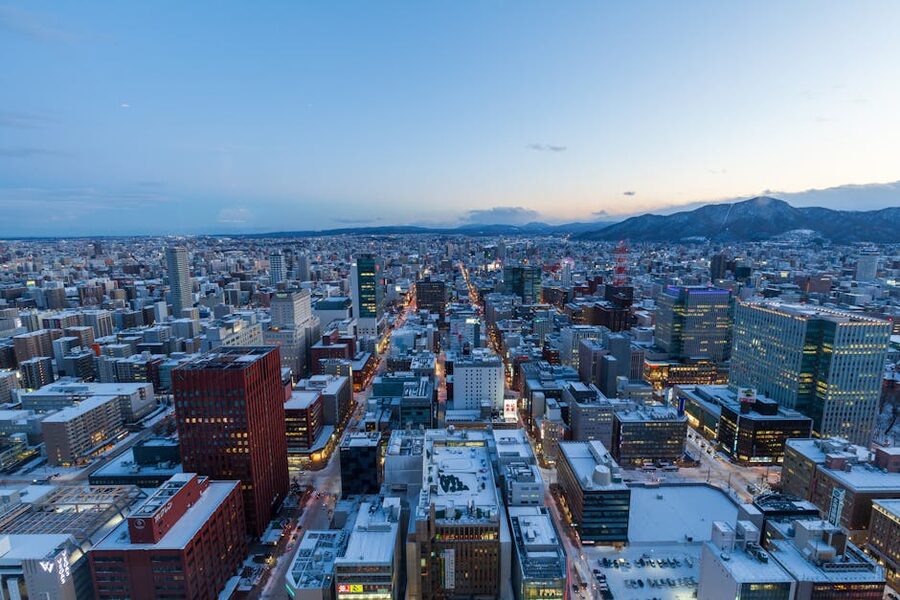
Western Hokkaido
Sapporo
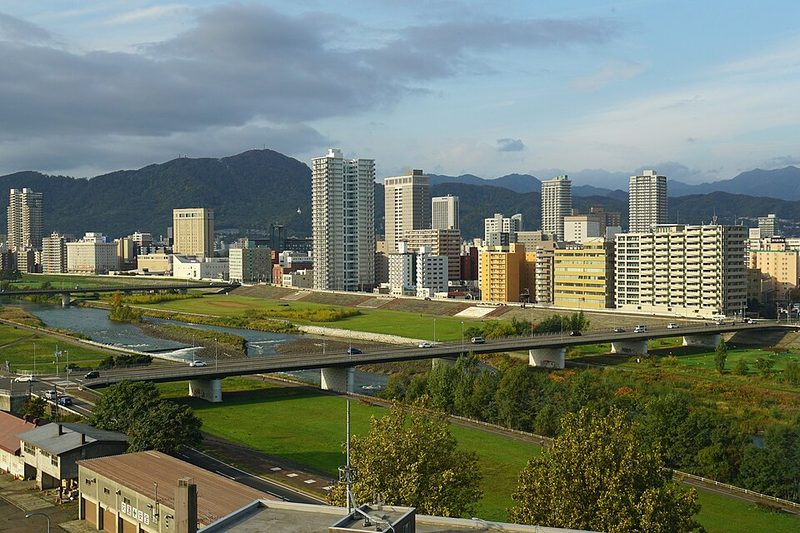
Hokkaido’s capital and largest city (population ~2 million). Transport hub, food capital, and the most practical base for exploring the island. Key attractions include Odori Park, the Sapporo Beer Museum, Nijo Market, and the Susukino entertainment district. In February, the Snow Festival draws over two million visitors.
Time needed: 2–3 days for the city, plus additional days for day trips
Best for: Food, nightlife, events, day trips to Otaru and onsen towns
Otaru
A charming port city 30 minutes from Sapporo by train. The canal, stone warehouses, glass workshops, and sushi restaurants make it Hokkaido’s most popular day trip. The canal is particularly atmospheric in winter snow or evening lamplight.
Time needed: Half day to full day (usually a day trip from Sapporo)
Best for: Sushi, canal walks, glass and music boxes, LeTAO cheesecake
Niseko
Asia’s most famous ski destination. Four interconnected resorts with world-class powder snow. In summer, the area offers rafting, cycling, and hiking with views of Mt. Yotei. The village has a strong international character, particularly Hirafu.
Time needed: 2–5 days for skiing; 1–2 days for summer activities
Best for: Skiing/snowboarding, powder snow, international dining scene
Southern Hokkaido
Hakodate
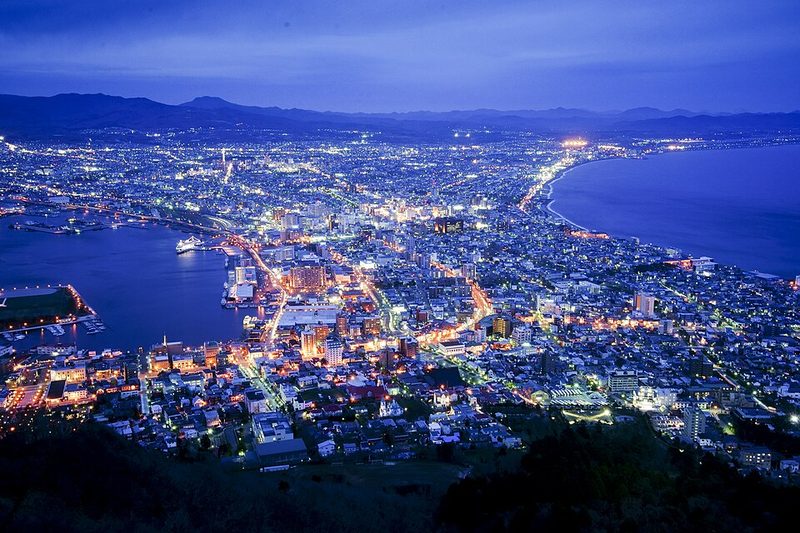
Hokkaido’s third-largest city, with a character unlike anywhere else on the island. The famous night view from Mt. Hakodate, the morning market (Asaichi), and the blend of Japanese, Russian, and European architecture in the Motomachi district give Hakodate a cosmopolitan port-city identity. Connected to Honshu by the Hokkaido Shinkansen.
Time needed: 1–2 nights
Best for: Night view, morning market seafood, historic architecture, Yunokawa onsen
Noboribetsu
Hokkaido’s most famous onsen town, fed by the volcanic Jigokudani (Hell Valley). Nine different mineral water types make this one of the most geologically diverse hot spring areas in Japan. Best as an overnight stay to experience the baths morning and evening.
Time needed: 1 night (or day trip from Sapporo, 75 min by train)
Best for: Onsen, volcanic scenery, ryokan experience
Lake Toya
A volcanic caldera lake with Mt. Usu on its southern shore. Lakefront onsen hotels, evening fireworks (April–October), and dramatic volcanic landscapes. Often combined with Noboribetsu on a southern Hokkaido circuit.
Time needed: 1 night or day trip
Best for: Volcanic scenery, lakeside onsen, photography
Central Hokkaido
Furano
Famous for lavender fields in summer (peak mid-July at Farm Tomita) and a ski resort in winter. The surrounding agricultural landscape is photogenic year-round. Furano Cheese Factory and Ningle Terrace add non-seasonal attractions.
Time needed: 1–2 days (combine with Biei)
Best for: Lavender and flower fields (summer), skiing (winter), farm visits
Biei
Rolling patchwork fields, the Blue Pond, and Shirahige Waterfall make Biei one of Hokkaido’s most photographed areas. Best explored by car or bicycle, as the attractions are spread across the countryside.
Time needed: 1 day (combine with Furano)
Best for: Photography, flower fields, Blue Pond, cycling
Asahikawa
Hokkaido’s second-largest city, known for Asahiyama Zoo (innovative animal enclosures, winter penguin walk), Asahikawa Ramen Village (eight ramen shops under one roof), and access to Daisetsuzan National Park.
Time needed: 1 day (day trip from Sapporo, 85 min by train)
Best for: Zoo, ramen, gateway to Daisetsuzan
Eastern Hokkaido
Kushiro
Gateway to eastern Hokkaido and the Kushiro Marshland, Japan’s largest wetland and home to the red-crowned crane (tancho). The marshland observation points and the Washo Market (where you build your own seafood bowl) are the main draws.
Time needed: 1–2 days
Best for: Cranes (winter), marshland walks, Washo Market kaisen-don
Shiretoko
A UNESCO World Heritage peninsula of genuine wilderness. Brown bears, Steller’s sea eagles, and pristine forest accessible by hiking trails and boat tours. In winter, drift ice pushes against the coast. One of the least developed national parks in Japan.
Time needed: 2–3 days
Best for: Wildlife, wilderness hiking, boat tours, drift ice (winter)
Abashiri
The drift ice capital of Japan. From late January through early March, sea ice from the Sea of Okhotsk covers the ocean and icebreaker cruises smash through it. The Abashiri Prison Museum (a former penal colony) and the Okhotsk drift ice museum add depth beyond the ice season.
Time needed: 1–2 days
Best for: Drift ice cruises (winter), prison museum, Sea of Okhotsk
Northern Hokkaido
Wakkanai
Japan’s northernmost city. Cape Soya marks the country’s northernmost point. The remote, windswept landscape and sense of being at the edge of Japan appeal to those who enjoy geography and extremes. Ferries depart from Wakkanai to Rishiri and Rebun Islands.
Time needed: 1 day
Best for: Northernmost point bragging rights, ferry to islands
Rishiri and Rebun Islands
Two small islands off the northern coast accessible by ferry from Wakkanai. Rishiri is a dramatic volcanic island with hiking trails around and up its peak. Rebun is flatter and known for alpine wildflowers (June–July). Both are remote, quiet, and genuinely off the beaten path.
Time needed: 2–3 days for both
Best for: Hiking, wildflowers, remoteness, seafood (Rishiri uni is prized)
Planning Your Route
Most first-time visitors focus on the western corridor (Sapporo, Otaru, Niseko) with excursions south (Hakodate, Noboribetsu) or to central Hokkaido (Furano, Biei). Eastern Hokkaido requires more time and commitment but rewards visitors with wilderness and wildlife experiences unavailable elsewhere in Japan.
See our suggested itineraries for routes that connect these destinations logically, and our transport guide for how to move between them.