The day’s best surprise is how much Hokkaido countryside fits between Sapporo and Furano. You’ll move from polar bears and red pandas to a blue volcanic pond, then on to flower fields and local sweets, all without changing trains or figuring out rural bus connections.
In This Article
- Key points at a glance
- Why this Sapporo day trip works
- Sunagawa begins the long ride
- Two and a half hours with Asahiyama’s animals
- The Patchwork Road from your window seat
- The blue water of Aoi Pond
- Farm Tomita and the changing flower calendar
- Campana Rokkatei adds a local shopping break
- The return ride and Iwamizawa break
- What the $75 price really covers
- Language, group size, and the feel of the day
- The best seasons for this route
- Who should book this tour?
- FAQ
- How long does the tour last?
- Is admission to Asahiyama Zoo included?
- Is lunch included?
- When is the best time to see lavender at Farm Tomita?
- Can I see flowers at Farm Tomita in November?
- Is the tour conducted in English?
- What happens if I need to cancel?
I like the well-planned route and the chance to see several far-flung sights in one day. I also like the reasonable $75 price, which includes the air-conditioned vehicle, admission fees, and taxes. The tradeoff is time: stops are useful but brisk, and the bus can carry up to 45 people.
Key points at a glance
- Asahiyama Zoo gets the longest visit: You have about two and a half hours for animals, lunch, and the grounds.
- The Blue Pond is a quick but memorable stop: Allow about 30 minutes to see the water and its pale, dead larch trees.
- Farm Tomita changes with the calendar: Lavender is usually best from mid-July to early August, while other seasons offer different flowers.
- The road itself is part of the experience: You’ll pass through Biei’s Patchwork Road, with views from the bus window.
- Lunch is not included: You can buy food during the zoo stop, so bring cash or plan to purchase something there.
- English help is limited: The tour runs in Japanese, with simple English support and no full sightseeing commentary during the day.
Why this Sapporo day trip works
Biei, Furano, and Asahiyama are spread across central Hokkaido. Reaching all three by public transport in one day would take careful planning, favorable connections, and plenty of patience. This bus tour trades independence for ease. You sit back, watch the countryside, and let someone else handle the long roads.
The total outing lasts about 10 hours, with return to Sapporo expected between 7:00 and 7:30 p.m. That makes this a serious day out, not a relaxed half-day excursion. Still, the route has a good rhythm: rest stop, zoo, countryside views, Blue Pond, flowers, local shopping, and another rest stop before returning.
I would choose this trip if you have only one free day for central Hokkaido and want variety. I would not choose it if you prefer long meals, slow photography, or detailed guiding at every sight.
Our other Sapporo reviews may also help you decide


Sunagawa begins the long ride
The first scheduled break is at Sunagawa Highway Oasis on the outbound Hokkaido Expressway. You get about 15 minutes to stretch, use facilities, and pick up a snack or drink.
This is a small stop, but it matters on a full-day coach trip. A short break early in the morning helps you settle in before the main visit. Keep it simple and watch the time. Fifteen minutes passes quickly, especially if several people are buying food.
The bus is air-conditioned, and the vehicle cost is included in the price. Traffic, weather, passenger numbers, and holiday road conditions can change the schedule, so keep your transport plans after the tour flexible.
Two and a half hours with Asahiyama’s animals
Asahiyama Zoo is the main stop, with about 150 minutes on site. Admission is included, which makes this more than a drive-by visit. You have enough time to see several animal areas, take photographs, and find lunch, but not enough time to inspect every corner at a leisurely pace.
The zoo is known for close views of animals adapted to northern climates. The advertised collection includes polar bears, arctic foxes, red pandas, and Hokkaido deer. Those animals give the visit a clear Hokkaido flavor rather than making it feel like a generic city zoo.
You’ll want to keep track of the meeting time from the moment you arrive. Start by getting your bearings, then choose the animals that matter most to you. If polar bears are your priority, visit them early instead of assuming you can return later. Families may need the full 150 minutes, especially if lunch is also part of the stop.
Lunch is at your own expense. That is both a limitation and a bit of freedom. You are not tied to a set menu, but you also need to budget for food. The tour price does not cover lunch, so keep money available for this stop.
Several people praised the organization and the useful amount of time at each location. That fits the zoo stop well. You are not given an entire day, but two and a half hours is enough to make the admission worthwhile.
The Patchwork Road from your window seat
After the zoo, the route passes through Biei’s Patchwork Road. This is a scenery section rather than a walking stop, so your view depends on where you sit, the weather, and the season.
The name refers to the patchwork appearance of fields and farmland spread across Biei’s rolling countryside. You may see broad agricultural views from the bus, but you should think of this section as a scenic transfer, not a formal photo stop.
That distinction helps set expectations. If you hope to compose careful photographs of every view, a coach window is limiting. If you enjoy watching rural Hokkaido pass by while someone else drives, this is one of the pleasant parts of the day.
The blue water of Aoi Pond
Aoi Pond, also called the Blue Pond, is the shortest major sightseeing stop. The schedule gives about 30 minutes, although the description refers to roughly 15 minutes of viewing time. Either way, plan for a focused walk rather than a long visit.
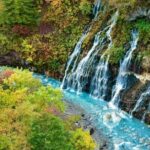
The pond formed as an unexpected result of the eruption of Mt. Tokachi. Its unusual blue color comes from a natural phenomenon, and the dead larch trees rising from the water give the place its stark appearance. You can also see the river water farther behind the pond, where the same deep blue tone continues.
This is one of those places where the mood depends heavily on weather and light. The water may appear stronger or softer in color from one visit to another. Do not expect a large attraction with many facilities. The appeal is the simple scene: blue water, pale trunks, and a quiet forest setting.
Thirty minutes is enough to walk to the viewing area, take photographs, and return to the bus. Wear shoes suitable for a short outdoor walk, and do not wander far from the meeting point. A late return here could affect everyone’s schedule.
Our other Sapporo reviews may also help you decide


Farm Tomita and the changing flower calendar
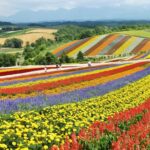
Farm Tomita is the stop most closely linked with Furano’s lavender fields. The garden offers flowers from spring through autumn, but the timing matters greatly.
Lavender is usually at its best from mid-July to early August, with the strongest viewing period generally described as mid to late July. If lavender is the reason you are booking, aim for that window. Even then, blooming depends on weather and seasonal conditions, so no flower tour can promise a perfect display.
The visit is longer during much of the season, with about an hour allowed in the usual schedule. In May, October, and November, the stop may be shortened to about 30 minutes. That makes sense because the flower display changes as the year advances.
In November, you should not expect broad flower fields. Flowers are limited mainly to areas such as the greenhouse. The shop remains useful, though, with popular goods including original cosmetics and aroma oils made with lavender grown at Farm Tomita.
The garden’s value is not limited to one purple field. Seasonal flowers create different views at other times of year, so spring and autumn can still offer something to see. Just keep your expectations aligned with the calendar. A summer lavender visit and a November shopping stop are very different experiences.
Campana Rokkatei adds a local shopping break
The next stop is Campana Rokkatei, a well-known souvenir shop, for about 30 minutes. This gives you a chance to browse Hokkaido gifts after the outdoor stops.
The visit is short and practical. It is not presented as a long food tasting or cultural program, so use the time for shopping rather than expecting a guided experience. If you want souvenirs, this stop saves you from searching for them after returning to Sapporo.
It also gives the day a change of pace. After the zoo, pond, and farm, an indoor shop is welcome, especially in cooler or wet weather. Keep purchases compact because you still have the return ride and another service-area stop ahead.
The return ride and Iwamizawa break
The final scheduled rest is at Iwamizawa Service Area on the outbound side of the expressway. You get about 15 minutes to stretch and refresh before the last part of the ride.
The return to Sapporo is expected between 7:00 and 7:30 p.m., but this is an estimate. Traffic jams, bad weather, holiday traffic, and restrictions at facilities can alter the day. In some cases, arrival may be earlier than planned because of holiday breaks or facility limits.
I would avoid booking a tight evening train, flight, restaurant reservation, or separate activity after this tour. The operator specifically advises leaving enough time for later transfers, and that is sensible advice for any long road trip in Hokkaido.
What the $75 price really covers
At $75, this tour offers fair value for a full day of transport and admissions. You are paying for the convenience of reaching places that are widely separated, plus an air-conditioned vehicle and all listed fees and taxes.
Asahiyama Zoo admission is included, while Aoi Pond, Farm Tomita, the service areas, and Campana Rokkatei do not require a separate admission fee according to the tour details. Lunch is the main extra expense you should plan for.
The value is strongest for solo visitors, couples, and families who do not want to rent a car. Driving central Hokkaido yourself gives you more control, but it also brings navigation, parking, and long-distance driving. Here, you can look out the window and rest.
The value is weaker if you already have a car or want to spend an entire afternoon at Farm Tomita. The schedule is built around seeing several sights, not staying at one place until the light is perfect.
Language, group size, and the feel of the day
The tour is conducted in Japanese. Simple English is provided, but there is no full tourist information during the tour. An English audio recording may be available on the bus, yet you should not expect continuous English explanations at each stop.
That makes this a good choice for independent sightseers who can follow meeting times and enjoy scenery without needing a detailed guide. It is less suitable if historical background, local stories, or constant interpretation are central to your enjoyment.
The maximum group size is 45 people. A group this size can make departures and boarding slower, but it also helps keep the price down. Bus seats cannot be requested, so arrive prepared to accept your assigned seating arrangement.
Most people can take part, and the tour is near public transportation. Still, each stop involves getting on and off the bus, walking around the zoo, and spending time outdoors. Anyone with specific mobility needs should confirm details before booking, since no fuller accessibility information is provided.
The best seasons for this route
Summer is the obvious choice if lavender is your main goal. Mid-July to early August gives you the best chance of seeing Farm Tomita at its most recognizable, though weather can shift the flowering period.
Spring and autumn offer a different version of the route. Farm Tomita may show seasonal flowers, and the countryside changes with the season. One review described autumn as quieter and different from the floral summer period, which is a useful way to think about it. You are not getting a lesser trip, but you are getting a different one.
November is the clearest exception. Flower viewing is limited, with the greenhouse providing most of what remains. The shop still sells lavender-based cosmetics and aroma oils, so the stop becomes more about products than fields.
Road and weather conditions matter in every season. The operator may shorten sightseeing time if flowering conditions change, and traffic can affect the order or length of stops.
Who should book this tour?
I would recommend it to you if you want a simple way to see Asahiyama Zoo, Biei, and Furano from Sapporo in one day. It suits first-time visitors, families who value a fixed plan, and anyone who would rather not drive long rural roads.
You will probably like it if you enjoy broad countryside views, animal exhibits, short walks, seasonal flowers, and local shopping. The strongest parts are the range of sights, the included zoo admission, and the fact that the day is organized around places that are difficult to combine independently.
I would hesitate if you need fluent English guiding, flexible timing, or a slow photography schedule. The route covers a lot of ground, and the group must keep moving. If that sounds acceptable, the $75 cost is sensible for what you receive.
Free cancellation is available with a full refund if you cancel at least 24 hours before the start time. Cancellations or changes within 24 hours are not refunded or accepted, and late arrivals or no-shows receive no refund.
FAQ
How long does the tour last?
The tour lasts approximately 10 hours. Return to Sapporo is expected between 7:00 and 7:30 p.m., although traffic, weather, holidays, and facility restrictions may affect the timing.
Is admission to Asahiyama Zoo included?
Yes. Asahiyama Zoo admission is included in the tour price, along with all fees and taxes listed for the experience.
Is lunch included?
No. Lunch is not included. You have time to arrange lunch at your own expense during the approximately 150-minute visit to Asahiyama Zoo.
When is the best time to see lavender at Farm Tomita?
The best period is usually mid-July to early August, with mid to late July often considered especially favorable. Weather and flowering conditions can change the exact timing.
Can I see flowers at Farm Tomita in November?
In November, flowers are generally limited to areas such as the greenhouse. You can still shop for Farm Tomita products, including lavender cosmetics and aroma oils.
Is the tour conducted in English?
The tour language is Japanese. Simple English is provided, but there is no full tourist information during the tour. An English audio recording may be available on the bus.
What happens if I need to cancel?
You receive a full refund if you cancel at least 24 hours before the experience start time. Within 24 hours, changes are not accepted and the amount paid is not refunded. Late arrivals and no-shows are also nonrefundable.
More Asahiyama Zoo Tours in Sapporo


More Furano & Flower Field Tours in Sapporo
More Blue Pond & Biei Tours in Sapporo
Other Sapporo tours worth your shortlist





Blue Pond & Biei Tours, side by side.
 ★ 5.0【Private Car】Asahiyama Zoo, Blue Pond, Shirahige Falls, Ningle Terrace (from Sapporo)From $465.1460 reviews
 ★ 5.0[Biei/Furano] One-day sightseeing by private car!From $596.3343 reviews
 ★ 4.0Furano Flower Sea & Biei Blue Pond Tour w/ PickupFrom $7740 reviews
 ★ 4.6Furano Lavender & Biei Blue Pond Tour with LunchFrom $9413 reviews
The lists this tour appears in