Hokkaido in winter extends well beyond skiing. While the ski resorts draw the largest numbers, the island offers a range of winter experiences that are difficult or impossible to find elsewhere in Japan: icebreaker cruises through drift ice on the Sea of Okhotsk, dog sledding through frozen forests, ice fishing on frozen lakes, and the simple but profound pleasure of soaking in an outdoor hot spring while snow accumulates on your head.
This guide covers the main categories of winter activity available across Hokkaido. Most can be experienced as day trips from Sapporo; some require travel to more remote parts of the island.
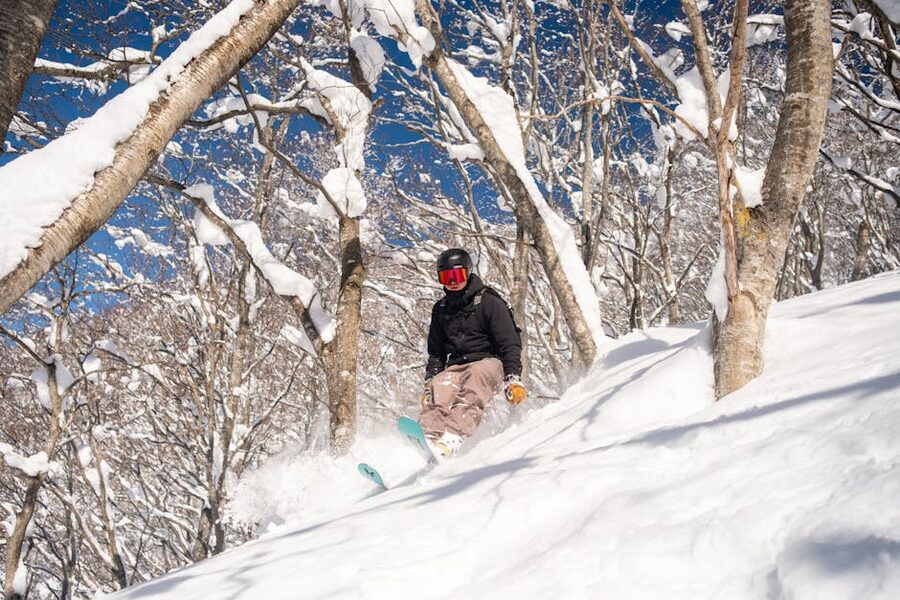
Skiing and Snowboarding
Hokkaido’s primary winter draw. The island’s resorts receive 10–15 metres of annual snowfall with exceptional powder quality. Seven major resorts and numerous smaller areas offer terrain for all ability levels. Our detailed Ski Resorts Guide compares Niseko, Furano, Rusutsu, Tomamu, Kiroro, Sapporo Teine, and Asahidake in depth.
Drift Ice (Abashiri and Shiretoko)
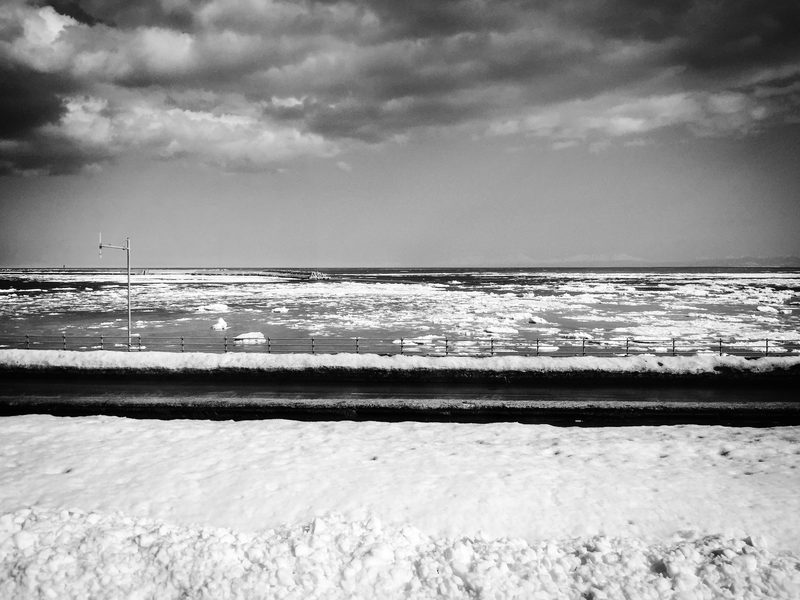
Each winter, sea ice from the Sea of Okhotsk drifts south to Hokkaido’s northeast coast. From late January through early March, the ocean surface near Abashiri is covered in broken pack ice extending to the horizon. Tourist icebreaker ships, including the Aurora, operate 1-hour cruises that smash through the ice — the sound and sensation of a ship breaking through frozen ocean is genuinely memorable.
In the Shiretoko area, drift ice walks allow participants to don dry suits and walk on (and occasionally swim among) the ice floes. Both experiences are unique to this region and season.
Book the Aurora icebreaker cruise through Klook (from approximately $33).
Full details in our Drift Ice Guide.
Snow Festivals
The Sapporo Snow Festival (early February) is Hokkaido’s largest annual event, drawing over two million visitors to see massive snow and ice sculptures in Odori Park. But several other winter festivals offer equally memorable experiences with smaller crowds:
- Asahikawa Winter Festival — runs concurrently with Sapporo’s, featuring its own impressive sculptures
- Otaru Snow Light Path Festival — hundreds of candles and lanterns along the canal, intimate atmosphere
- Lake Shikotsu Ice Festival — ice sculptures illuminated by coloured lights beside a volcanic lake
- Sounkyo Ice Waterfall Festival — frozen waterfalls lit up at night in a dramatic gorge setting
Dog Sledding
Several operators in central Hokkaido offer dog sled experiences ranging from short rides to half-day excursions where participants learn to drive the sled team. The Furano and Tokachi areas have the most established operations. Booking in advance is recommended during peak season.
Search for dog sledding experiences on Klook.
Ice Fishing
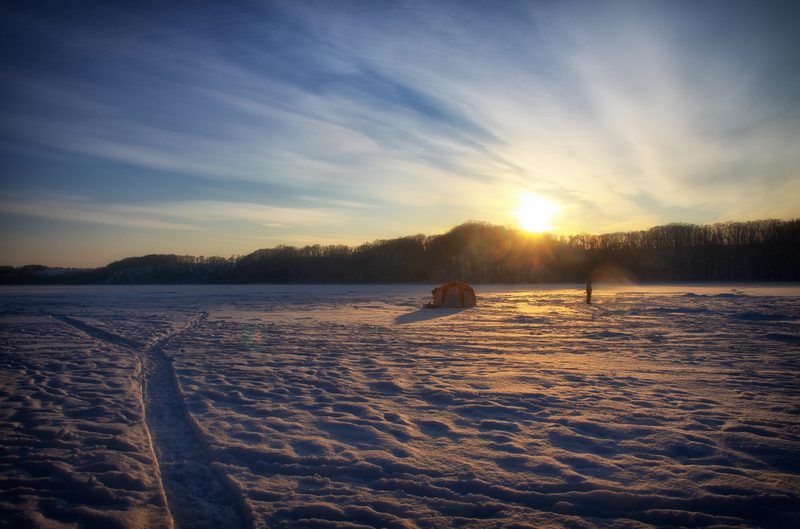
Frozen lakes across Hokkaido become fishing sites in winter. Participants sit in heated tents on the ice, drop a line through a small hole, and catch wakasagi (pond smelt) that are typically deep-fried and eaten immediately. The activity is more social than competitive — shared tents, hot drinks, and conversation are central to the experience. Lake Shikotsu, Lake Akan, and lakes in the Tokachi region are popular locations.
Snowshoeing
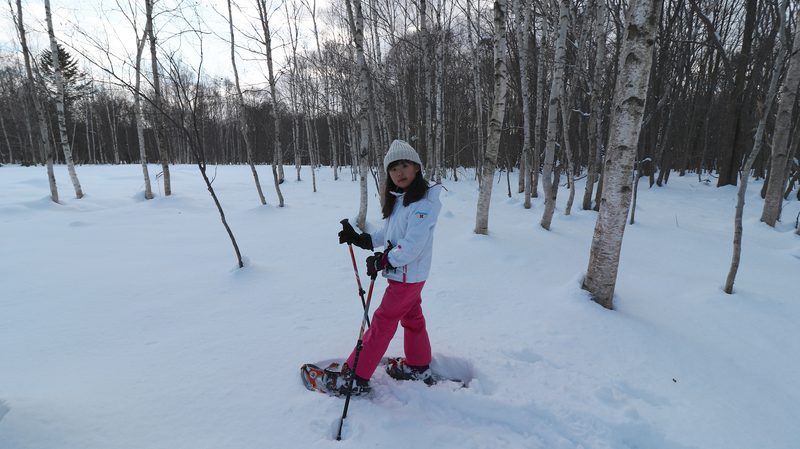
Guided snowshoe hikes through Hokkaido’s forests offer a quiet alternative to the ski resorts. Routes range from gentle flat trails to moderate mountain paths, with wildlife spotting opportunities (deer, foxes, and bird species are commonly seen). Tours operate around Sapporo, in the Niseko area, and within the national parks.
Onsen in Winter
While not exclusive to winter, the experience of bathing in a steaming outdoor onsen (rotenburo) while surrounded by snow is particularly compelling during the cold months. The temperature contrast between freezing air and hot water creates a physical sensation that is difficult to describe but widely considered one of Hokkaido’s definitive experiences.
Noboribetsu, Jozankei, Lake Toya, and Sounkyo all offer excellent winter onsen experiences. Our Onsen Guide covers each area in detail.
Practical Winter Information
- Temperature range: -5°C to -15°C in Sapporo; colder in the interior and eastern regions
- Clothing: Insulated waterproof jacket, thermal base layers, waterproof boots with grip, hat, gloves, and scarf are essential
- Transport: Trains operate reliably through winter; highway buses may experience delays during heavy snowfall; driving requires winter experience
- Sapporo underground walkway: Connects Sapporo Station to Susukino entirely underground, avoiding weather exposure