While most of Japan endures temperatures above 35°C and oppressive humidity from June through August, Hokkaido remains comfortably between 18°C and 26°C with low humidity. This climate difference drives significant domestic tourism — Japanese visitors from Honshu effectively migrate north to escape the heat — and creates conditions for outdoor activities that would be unpleasant or dangerous in other parts of the country during the same period.
Summer in Hokkaido runs roughly from mid-June through mid-September, with July and August as the peak months. The season brings lavender fields in Furano, wildflower meadows in Biei, hiking trails through alpine terrain in Daisetsuzan, and outdoor adventures from rafting to whale watching along the coast.
Flower Fields
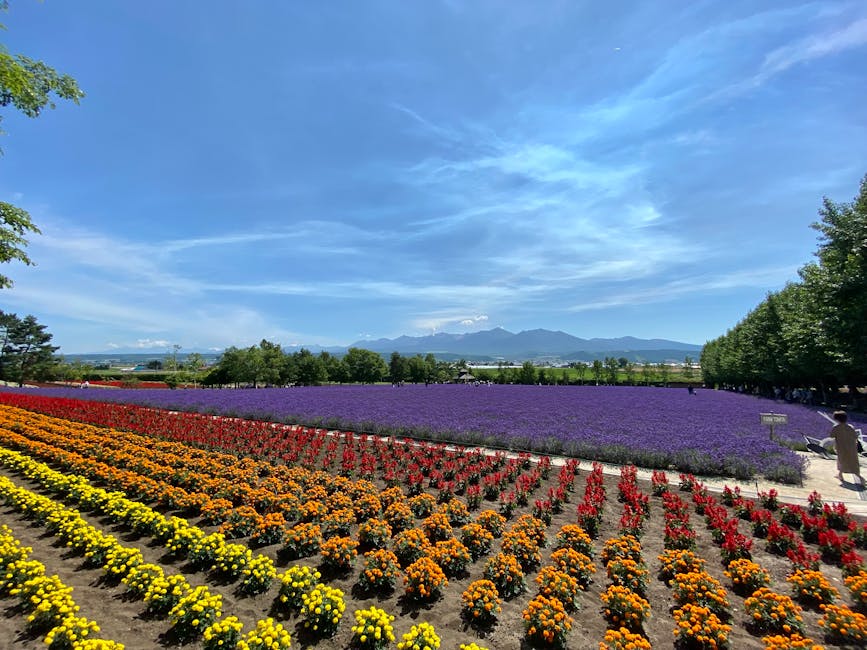
Central Hokkaido’s rolling agricultural landscape transforms into expansive flower displays during summer. The most photographed are the lavender fields of Furano (peaking in mid-July), but the season extends from late May through September with different flowers taking the stage in succession.
- Farm Tomita (Furano) — The most famous flower farm in Hokkaido. Lavender fields with mountain backdrop, free entry. Peak lavender: early to mid-July. Other flowers (poppies, marigolds, salvia) extend the colourful season through August.
- Shikisai no Oka (Biei) — “Hill of Four Seasons.” Patchwork fields of different flowers creating strips of colour against the Tokachi mountain range. Photogenic from June through October.
- Shibazakura (moss phlox) — Carpets of pink flowers at Takinoue Park and Higashimokoto (late May–early June). Precedes the main flower season.
- Sunflower fields — Hokuryu in northern Hokkaido has Japan’s largest sunflower garden (August).
Furano and Biei are most easily explored by rental car, as the attractions are spread across rural countryside. Day trips from Sapporo are possible but ambitious; we recommend at least one overnight stay. Guided day tours including transport are available through Klook and Viator.
Detailed coverage in our Flower Guide and Lavender Guide.
Hiking
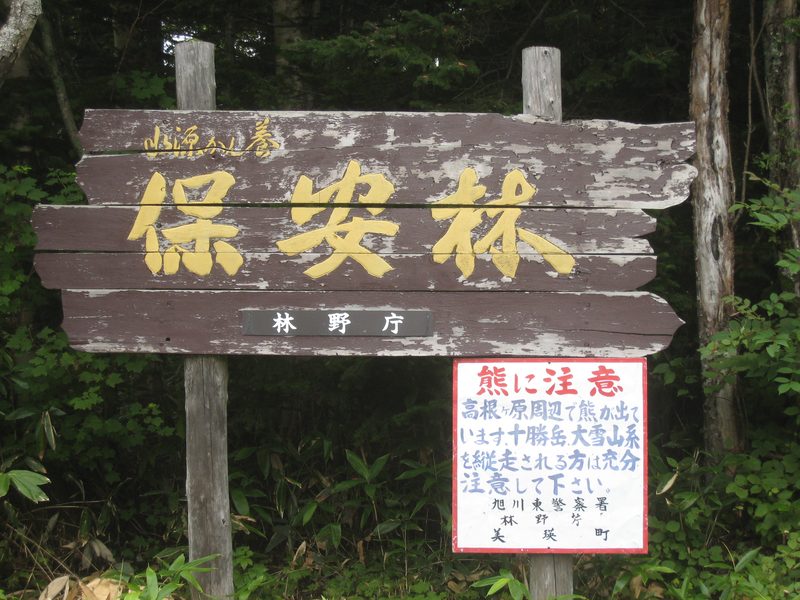
Hokkaido’s hiking season runs from late June through October, with July and August offering the most reliable trail conditions and the longest daylight hours. The island has two major national parks with extensive trail networks and numerous smaller hiking areas.
Daisetsuzan National Park
Japan’s largest national park, centred on the Daisetsuzan mountain range in central Hokkaido. The park contains Hokkaido’s highest peak, Mt. Asahidake (2,291m), and a network of trails ranging from gentle day hikes to multi-day traverses. The mountain flora (alpine flowers bloom from late June through July) and the early autumn colours (Japan’s first, from mid-September) are primary draws.
The Asahidake Ropeway provides access to alpine terrain without a long approach hike, making high-altitude landscapes accessible to moderate hikers.
Shiretoko National Park
A UNESCO World Heritage Site on Hokkaido’s northeast peninsula. Shiretoko is genuine wilderness: brown bears, Blakiston’s fish owls, and Steller’s sea eagles inhabit dense forest backed by volcanic peaks. The Shiretoko Five Lakes trail is the most accessible experience; longer hikes and boat tours along the coast offer deeper exploration. Bear encounters are a real possibility — guided hikes are recommended for safety.
Day Hikes Near Sapporo
- Mt. Moiwa — accessible by ropeway, short trails at the top with city views
- Mt. Tarumae — active volcano near Lake Shikotsu, approximately 2.5 hours round trip. Views into the volcanic crater.
- Maruyama Park — gentle forested trails within the city, often combined with a visit to Hokkaido Shrine
Rafting and Water Sports
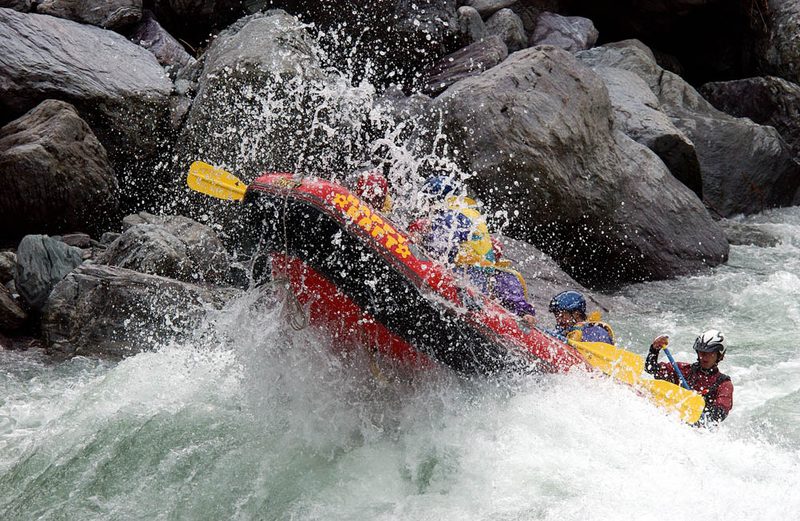
Hokkaido’s rivers, fed by snowmelt through early summer, provide excellent conditions for whitewater rafting. The Shiribetsu River near Niseko is the most popular rafting location, with both gentle family-friendly sections and more challenging rapids for experienced paddlers. The season runs from April through October, with the highest water levels (and most exciting rapids) in spring and early summer.
Sea kayaking along Hokkaido’s coastline is available in several locations, with the Shakotan Peninsula offering particularly clear waters and dramatic cliff scenery. Lake kayaking on Lake Shikotsu and Lake Toya provides calmer alternatives.
Rafting and kayaking tours can be booked through Klook or Viator.
Cycling
Hokkaido’s flat agricultural plains, low traffic volumes, and cool summer temperatures make it one of Japan’s best cycling destinations. The Furano–Biei area is particularly well-suited to cycling, with gentle hills, scenic farmland, and well-maintained roads. Rental bicycles (including electric-assist models) are available in most tourist towns.
More ambitious cyclists can tackle longer routes: the Sarobetsu Plain in northern Hokkaido, the Lake Toya circuit, or multi-day tours through the Tokachi region. The flat terrain and long straight roads of eastern Hokkaido appeal to distance riders.
Whale Watching
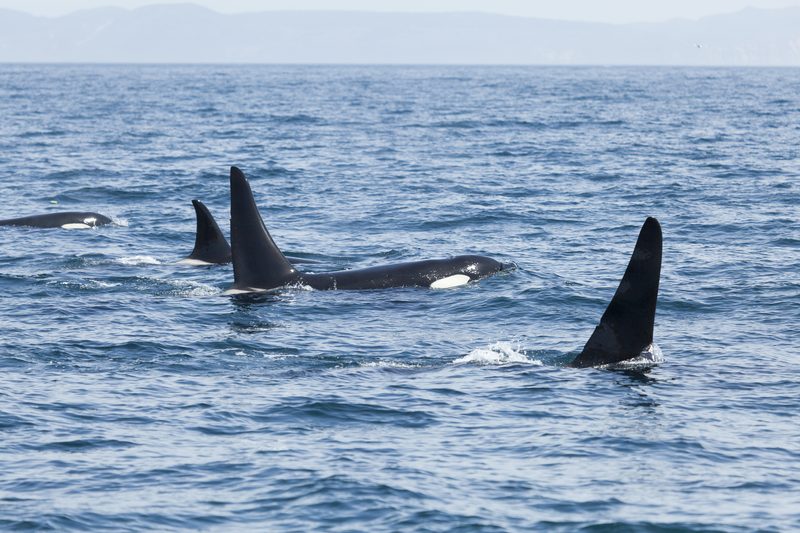
Hokkaido’s nutrient-rich waters attract several whale species during summer. The most accessible whale watching is from Muroran on the Pacific coast (sperm whales, primarily June through August) and from Rausu on the Shiretoko Peninsula (orcas, June through September, plus sperm whales and other species). The Shiretoko whale watching experience often includes sightings of Dall’s porpoises and various seabird species alongside the cetaceans.
Camping
Hokkaido has over 300 campgrounds, many in spectacular natural settings. The comfortable summer temperatures (rarely exceeding 25°C) make camping here genuinely pleasant, in contrast to the heat and humidity that makes camping miserable in most of Japan during the same months. Campgrounds range from basic free sites to well-equipped facilities with showers, laundry, and nearby onsen.
Summer Festivals
- Yosakoi Soran Festival (Sapporo) — early June. Large-scale dance festival with teams from across Japan performing energetic choreographed routines through the streets.
- Hokkaido Shrine Festival — mid-June. Traditional matsuri at Hokkaido’s most important shrine, with food stalls and processions.
- Sapporo Beer Garden — July–August. Outdoor beer and jingisukan in Odori Park.
- Fireworks festivals — throughout July and August across multiple cities.
- Lake Toya nightly fireworks — April through October, launched from boats on the lake every evening.
Practical Summer Information
- Temperature: 18–26°C in most areas; rarely exceeds 30°C. Light layers and rain gear are sufficient.
- Daylight: Very long days in June–July (sunrise before 04:00, sunset after 19:00).
- Insects: Mosquitoes are present near water and in forested areas. Bring repellent for hiking and camping.
- Crowds: July and August are peak domestic tourism months. Furano area accommodation books out well in advance for lavender season. Obon week (mid-August) is the busiest single period.
- Transport: Seasonal bus services and special trains operate to flower field areas. Rental cars are recommended for Furano/Biei and eastern Hokkaido.