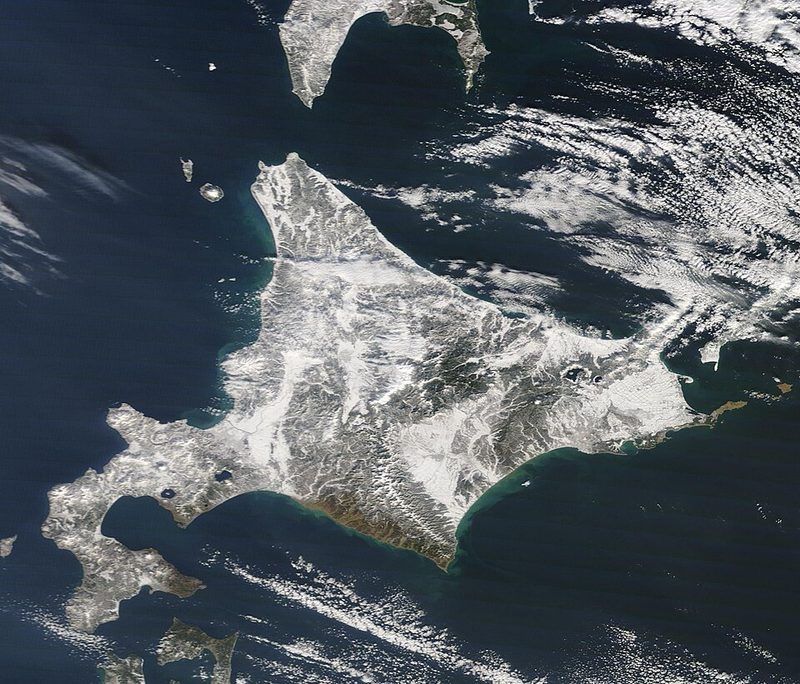
Hokkaido’s flower season runs from late April through October, with different species taking centre stage in sequence across the island. The most famous displays — Furano’s lavender fields and Biei’s patchwork flower hills — draw large crowds during their July peak, but the broader flower calendar offers equally compelling (and less crowded) experiences across a five-month window.
This guide covers the major flower events chronologically, with practical information on timing, location, and access.
Seasonal Flower Calendar
| Flower | Peak Season | Best Location |
|---|---|---|
| Cherry blossom (sakura) | Late April–mid May | Matsumae, Goryokaku (Hakodate), Maruyama Park (Sapporo) |
| Shibazakura (moss phlox) | Late May–early June | Takinoue Park, Higashimokoto |
| Tulips | May–June | Kamiyubetsu, Furano |
| Lupins | June | Various locations across Hokkaido |
| Lavender | Late June–late July (peak mid-July) | Farm Tomita (Furano), Nakafurano |
| Mixed flower fields | June–September | Shikisai no Oka (Biei), Zerbu Hill (Biei) |
| Sunflowers | August | Hokuryu Sunflower Village |
| Alpine wildflowers | Late June–July | Daisetsuzan, Rebun Island |
| Cosmos | September–October | Various, often at same locations as summer flowers |
Cherry Blossoms (Late April–Mid May)
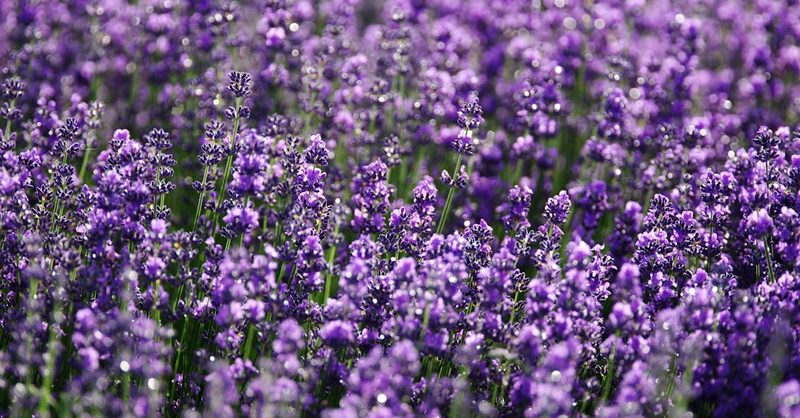
Hokkaido’s cherry blossoms arrive approximately one month after Tokyo’s, typically blooming in Hakodate in late April and reaching Sapporo in early to mid-May. This late timing means Hokkaido is the last place in Japan to see cherry blossoms — visitors who miss the main season on Honshu can often catch them here.
The most distinctive viewing spot is Goryokaku in Hakodate, where the star-shaped fort is outlined by approximately 1,600 cherry trees. Seen from the Goryokaku Tower observation deck, the pink-bordered star shape against the moat is one of Japan’s most unique sakura views.
Other notable spots: Maruyama Park in Sapporo (combined with Hokkaido Shrine visit), Matsumae (Hokkaido’s only traditional Japanese castle), and along the banks of rivers in towns throughout southern Hokkaido.
Shibazakura / Moss Phlox (Late May–Early June)
Carpets of pink, white, and purple moss phlox covering hillsides in patterns designed by the growers. The effect at scale is striking — entire hills appear painted in colour.
Takinoue Park in northern Hokkaido has the largest shibazakura display, covering approximately 100,000 square metres. Higashimokoto Shibazakura Park near Abashiri offers a similarly large display with views toward the Sea of Okhotsk.
Shibazakura is a less well-known flower event internationally, which means significantly thinner crowds than the lavender season. Timing a trip for late May to early June captures shibazakura along with the beginning of Hokkaido’s summer weather.
Lavender (Late June–Late July)
Hokkaido’s most famous flower display. The lavender fields of central Hokkaido, particularly around Furano and Nakafurano, have become one of the island’s iconic images. The purple-striped hillsides against mountain backdrops draw domestic and international visitors in large numbers during the peak weeks.
Farm Tomita (Furano)
The most visited flower farm in Hokkaido, with multiple flower fields including the signature lavender rows. Free entry. The farm also grows poppies, salvia, marigolds, and other flowers that extend the colourful season from June through September, though lavender is the primary draw.
The lavender soft serve ice cream here has become one of Hokkaido’s most recognisable food items. For details on other Furano food experiences, see our sweets guide.
Peak timing: Typically early to mid-July, though this varies by several days depending on weather conditions each year. The farm publishes blooming status on its website.
Crowds: Peak lavender weeks (approximately July 5–20) bring large tour groups, particularly between 10:00 and 14:00. Early morning visits (before 09:00) are significantly more peaceful.
Nakafurano Lavender Garden
A quieter alternative to Farm Tomita, approximately 10 minutes by car. Smaller scale but less crowded, with a chairlift offering elevated views across the lavender fields.
Mixed Flower Fields (June–September)
Shikisai no Oka (Biei)
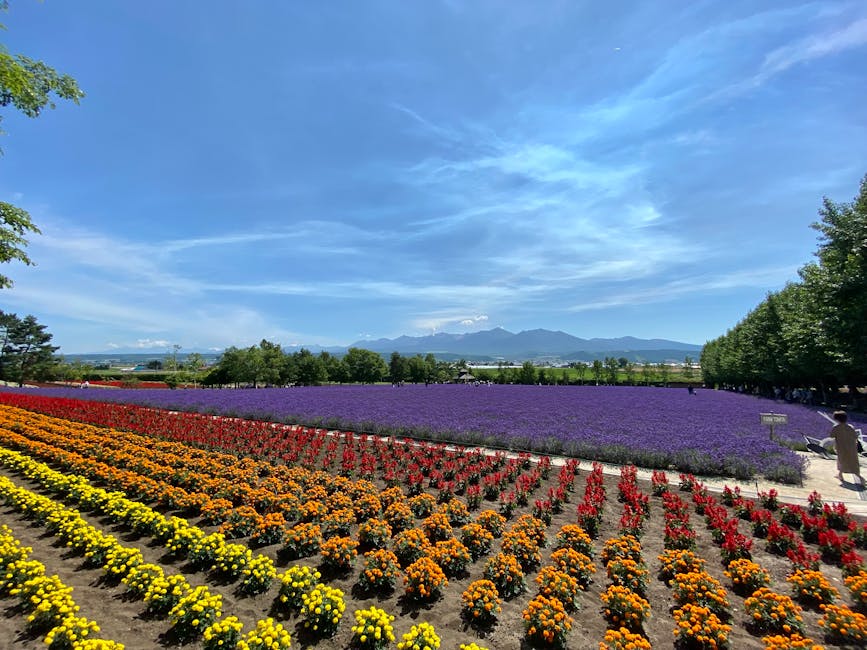
“Hill of Four Seasons” — strips of different flowers (lavender, salvia, marigolds, and others) creating rainbow-coloured bands against the Tokachi mountain range. The gently rolling terrain and mountain backdrop make this one of Hokkaido’s most photogenic locations from any angle. Entry approximately ¥500 (seasonal).
Blue Pond (Aoi Ike, Biei)
Not a flower destination but closely associated with Biei flower tourism. A volcanic mineral pond with an otherworldly cobalt blue colour, surrounded by birch trees. Located approximately 20 minutes by car from central Biei.
Sunflowers (August)
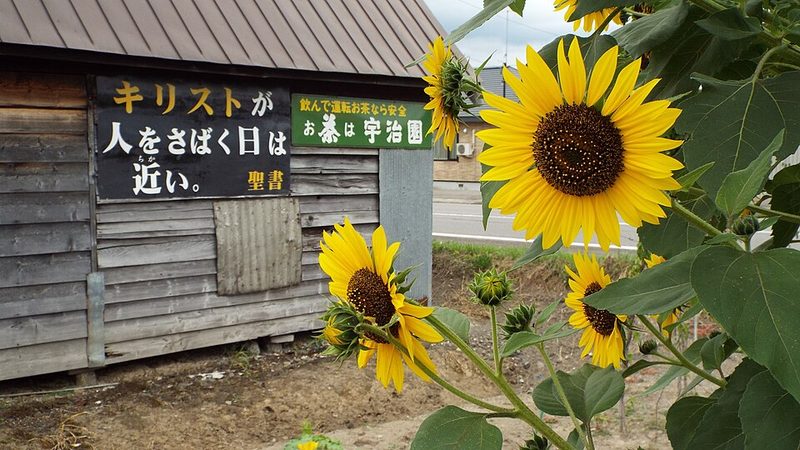
Hokuryu Sunflower Village in northern Hokkaido claims Japan’s largest sunflower field, with approximately 1.5 million sunflower plants covering 23 hectares. The scale is genuinely impressive. Peak blooming is typically late July through mid-August.
Alpine Wildflowers (Late June–July)
The alpine zones of Daisetsuzan National Park and the remote island of Rebun produce wildflower displays that are smaller in scale but richer in species diversity than the cultivated fields of Furano and Biei. The Asahidake Ropeway provides access to alpine flower meadows without extended hiking.
Rebun Island, off the northern coast, is known as the “Island of Flowers” and hosts species found nowhere else in Japan. The island’s wildflower season (June–July) coincides with comfortable weather and long daylight hours.
Getting to the Flower Fields
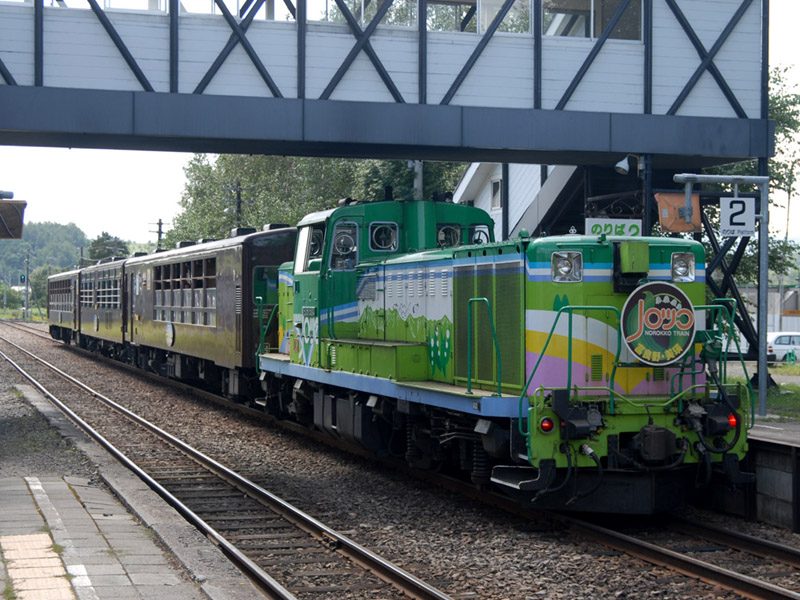
The Furano and Biei flower areas are most practically explored by rental car, as attractions are spread across rural countryside. Guided day tours from Sapporo are available through Klook and Viator (from approximately $37–59), including transport. In summer, the seasonal JR Furano Lavender Express provides direct rail service from Sapporo.
See our Summer Itinerary for a suggested 6-day route through the flower country.