Sushi in Hokkaido benefits from the same fundamental advantage as all the island’s seafood: proximity to source. The fish on your plate was likely in the ocean that morning; in some cases, hours rather than days separates the catch from the cutting board. This freshness is detectable not just in flavour but in texture — Hokkaido sushi has a firmness and clarity that distinguishes it from sushi prepared with fish that has spent time in transit.
Beyond freshness, Hokkaido sushi features ingredients that are either unavailable or prohibitively expensive elsewhere in Japan. Local uni from Rishiri and Shakotan, horsehair crab, botan ebi (spot prawn), and seasonal catches from the Sea of Japan and Pacific provide a menu that is distinctly Hokkaido. You can eat excellent sushi in Tokyo, of course — but the same quality at Hokkaido prices, with Hokkaido-exclusive ingredients, makes the island one of the best places in Japan to eat it.
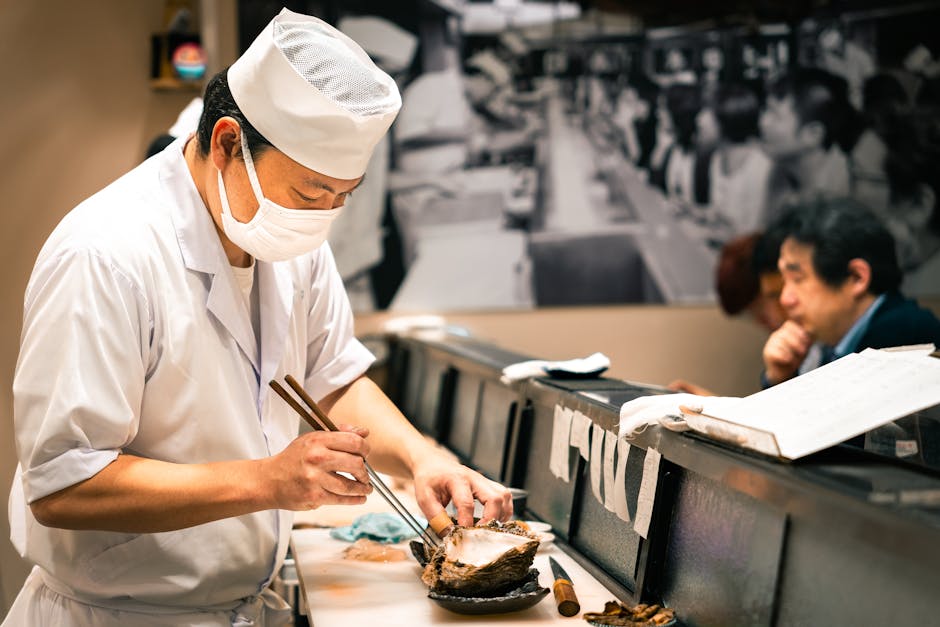
What to Order in Hokkaido
Hokkaido’s cold waters produce seafood that differs from what you find in warmer-water regions. Knowing what to look for — and what is in season — makes the difference between a good sushi meal and an exceptional one.
- Uni (sea urchin) — Hokkaido produces the best uni in Japan. Rishiri and Shakotan bafun uni (short-spined, bright orange) is sweet, creamy, and without the bitterness that poorly handled uni carries. Season: June–August. Outside season, murasaki uni (lighter yellow, milder flavour) is available year-round.
- Botan ebi (spot prawn) — large, sweet prawns served raw. Otaru’s speciality. The head is often deep-fried and served alongside — don’t skip it.
- Ikura (salmon roe) — Hokkaido’s salmon roe is the benchmark for Japan. Larger, firmer, and more intensely flavoured than roe from warmer waters. Peak season: September–November during the salmon run.
- Hotate (scallop) — Hokkaido scallops are noticeably superior to those from further south — larger, sweeter, and with a more defined texture. Available year-round; best October–March.
- Kegani (horsehair crab) — smaller and more delicate than king crab, with sweet, fine-textured meat. Not always on sushi menus, but excellent as sashimi or in gunkan-maki (battleship roll). Season varies by area; spring–summer in Wakkanai.
- Hirame (flounder) — firm, delicate white fish from the cold waters. Excellent in winter.
- Ika (squid) — Hakodate’s signature. The texture of genuinely fresh squid — firm, almost crunchy, with a clean sweetness — is unlike anything available more than a few hours from the port.
- Seasonal specials — ask the chef “kyo no osusume wa?” (what do you recommend today?). The answer tells you what arrived fresh that morning. This is always the best thing to order.
Otaru: Hokkaido’s Sushi Capital
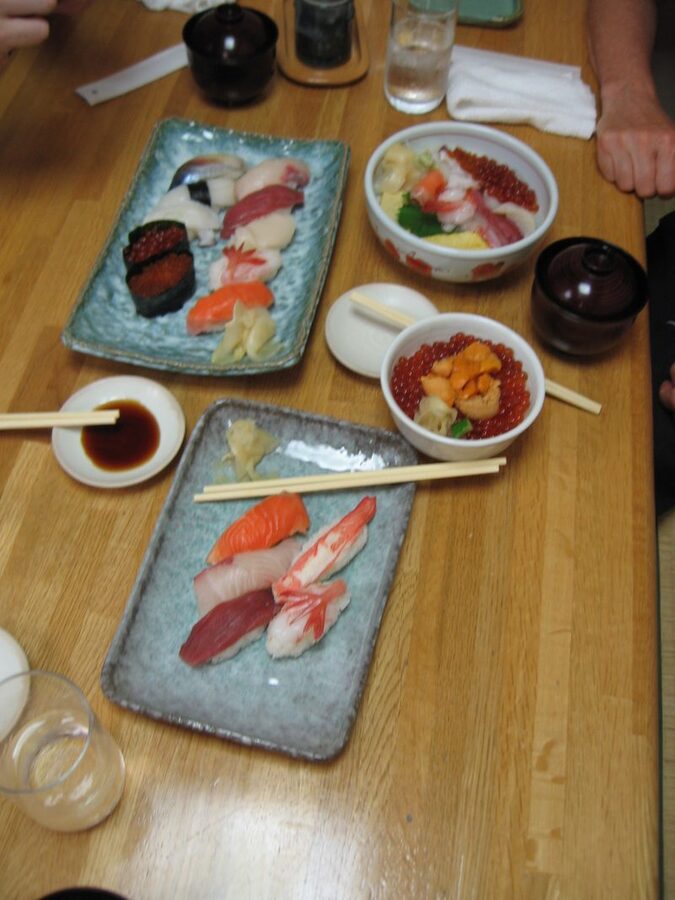
Otaru’s Sushi Street (Sushiya-dori, parallel to the canal) is the most concentrated collection of quality sushi restaurants in Hokkaido. About a dozen shops compete for customers with fish sourced from the Sea of Japan port. The quality-to-price ratio is significantly better than comparable sushi in Tokyo — expect to pay roughly 60–70% for equivalent quality.
The general rule on Sushi Street: the less aggressive the touting outside, the better the food inside. The restaurants with staff stationed on the sidewalk waving you in tend to be the weaker options. The ones with a queue and nobody outside tend to be worth the wait.
Masazushi is one of the more reliable options — counter seating where the chef prepares each piece to order. Set courses from approximately ¥3,000 (~$20) for lunch, ¥5,000–8,000 (~$34–54) for dinner. Reservations recommended for dinner. Iseezushi, slightly off the main strip, tends to attract more locals and fewer tourists.
Otaru is 32 minutes from Sapporo by JR Rapid train (¥750), making it one of the easiest and most rewarding day trips. See our Otaru guide.
Sapporo Sushi
While Otaru holds the sushi reputation, Sapporo offers the greater variety of experiences, from high-end omakase counters in Susukino to affordable conveyor belt chains near the station.
Conveyor Belt Sushi (Kaiten-zushi)
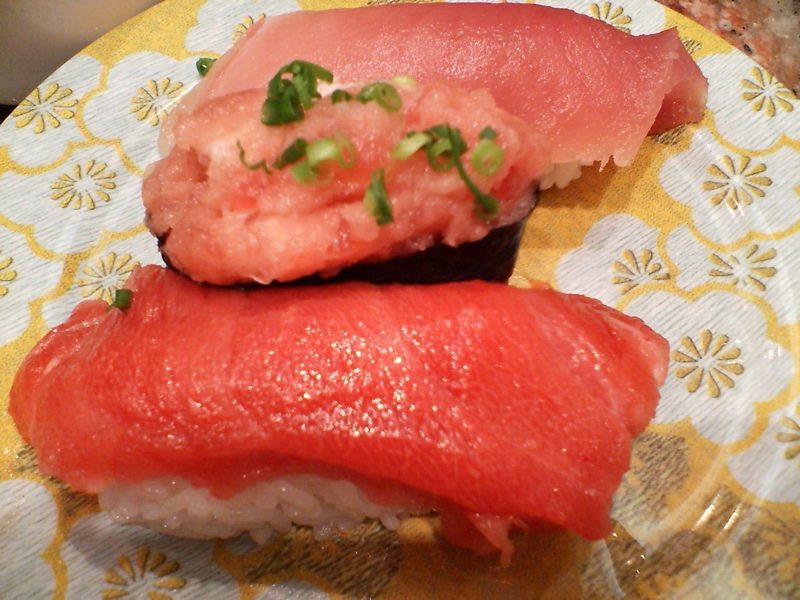
Hokkaido’s kaiten-zushi chains use fish that would qualify as premium in other regions. The quality of a ¥150 plate at a Sapporo conveyor belt restaurant frequently exceeds mid-range sushi restaurants in Tokyo.
- Nemuro Hanamaru — Originated in Nemuro (eastern Hokkaido) using direct fishing connections. The Sapporo Station branch (ESTA building) regularly has queues of 30–60 minutes. Worth the wait — the uni, the ikura, the scallop are all excellent. The Paseo branch sometimes has shorter queues.
- Triton (Toriton) — Another Hokkaido-based chain with excellent fish quality. Multiple locations across Sapporo. The Maruyama branch is slightly less crowded than the central locations.
- Budget chains (Sushiro, Kurazushi) — National chains that benefit from Hokkaido sourcing at their local branches. ¥100–200 per plate. Not the same experience as Hanamaru or Triton, but solid value for a quick meal.
Counter Sushi (Omakase)
For a more refined experience, Sapporo has numerous counter sushi restaurants where the chef prepares a multi-course omakase (chef’s choice) meal. Susukino has the highest concentration, and many operate late into the night — eating omakase sushi at 23:00 in Susukino is a uniquely Sapporo experience.
Prices range from approximately ¥5,000 (~$34) for a lunch omakase at a mid-range shop to ¥20,000+ (~$136+) at the city’s top establishments. Reservations typically required for dinner. Hotel concierges can often book for you; otherwise, try the Tabelog app (Japan’s restaurant review platform — more reliable than Google reviews for Japanese restaurants).
Other Sushi Locations
Hakodate
The morning market (Asaichi) includes several sushi counters using fish from the Tsugaru Strait. Hakodate squid sushi is a speciality — the texture of truly fresh squid is unlike anything available elsewhere. See our Hakodate guide.
Kushiro
Eastern Hokkaido’s main city has its own sushi culture built around Pacific catches. The Washo Market offers a unique “katte-don” experience — buy rice from one stall, then walk around the market purchasing individual sashimi toppings from different vendors to build your own custom bowl. A loaded bowl runs ¥1,500–3,000 (~$10–20). See our eastern Hokkaido guide.
Sushi Etiquette
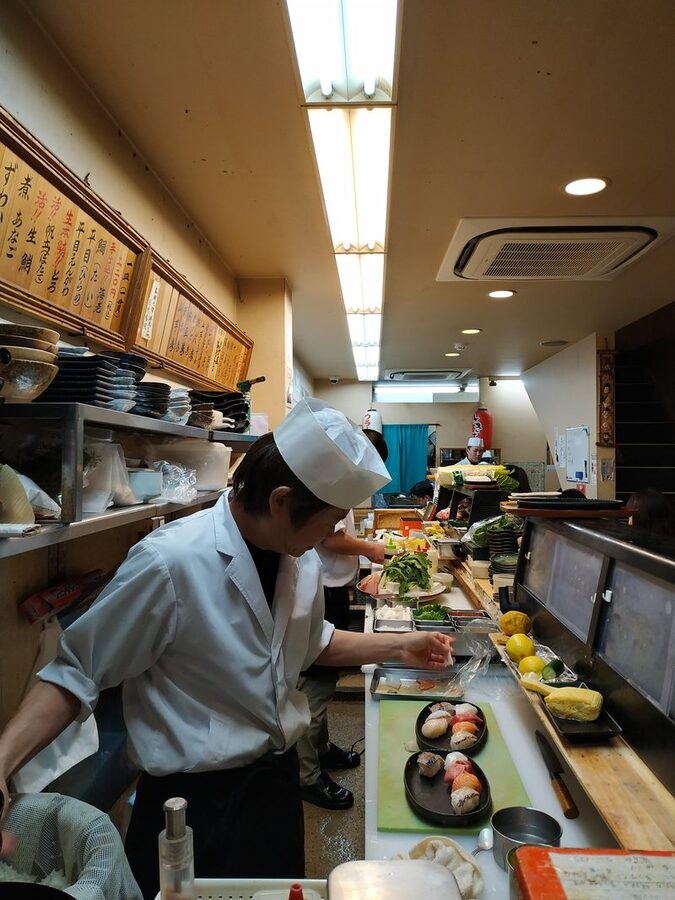
- At counter shops, the chef places each piece on your plate or the wooden counter. Eat promptly — sushi is served at the temperature the chef intends.
- Dip the fish side (not the rice) into soy sauce. Over-soaking is considered poor form and masks the flavour of the fish.
- Ginger (gari) is a palate cleanser between different fish, not a topping. Don’t pile ginger on each piece.
- Wasabi is typically applied by the chef. Additional wasabi is available but at high-end counters, adding it suggests the chef’s preparation is insufficient.
- Eating with fingers is acceptable at counter sushi — many Japanese diners do this. Chopsticks are also fine.
- At conveyor belt restaurants, return empty plates to the counter or stack them for counting. Don’t put plates back on the belt.
Seasonal Guide
| Season | What’s Best | Notes |
|---|---|---|
| Spring (Apr–May) | Botan ebi, hirame, hotate | Prawns at peak sweetness |
| Summer (Jun–Aug) | Uni (peak), ika, tuna | Rishiri/Shakotan uni season |
| Autumn (Sep–Nov) | Ikura (peak), salmon, sanma | Salmon run brings the best roe |
| Winter (Dec–Mar) | Kegani crab, hirame, hotate, tara (cod) | Cold water = firm, sweet fish |
Price Guide
| Type | Lunch | Dinner | Setting |
|---|---|---|---|
| Conveyor belt (kaiten) | ¥1,000–2,500 | ¥1,500–3,500 | Casual, family-friendly |
| Counter (mid-range) | ¥3,000–5,000 | ¥5,000–8,000 | Counter seating, set courses |
| Counter (high-end omakase) | ¥8,000–15,000 | ¥15,000–25,000+ | Chef’s choice, reservation required |
| Morning market donburi | ¥1,500–4,000 | N/A (morning only) | Market stall, standing/counter |
Related Guides
- Hokkaido Food Guide
- Seafood Guide — uni, ikura, scallops beyond sushi
- Crab Guide — types, seasons, where to eat
- Ramen Guide — the other essential Hokkaido meal
- Sweets and Desserts
- Otaru Guide — the sushi capital