Hokkaido is unique in Japanese ramen culture for having developed three distinct, city-specific styles, each reflecting the climate and character of its home city. Sapporo’s miso ramen is thick and warming, built for survival in minus-ten winters. Asahikawa’s shoyu ramen uses a double-soup technique with a surface oil layer designed to retain heat in one of Japan’s coldest cities. Hakodate’s shio ramen takes a lighter, clearer approach that speaks to the port city’s long history of outside influence.
Understanding these three styles is essential background for eating ramen in Hokkaido. Each city takes its ramen seriously, and locals will tell you at length why their city’s version is the definitive one.
Sapporo Miso Ramen
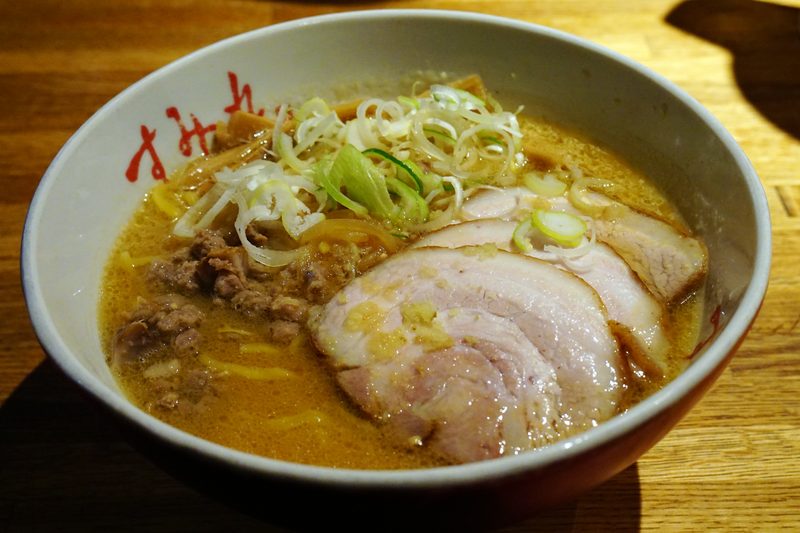
The most internationally recognised Hokkaido ramen style. Sapporo miso ramen was created in the 1950s, credited to Aji no Sanpei restaurant, and has since become synonymous with Hokkaido cuisine. The broth combines a pork bone base with red or white miso paste, producing a thick, savoury, deeply warming soup. Standard toppings include stir-fried bean sprouts and ground pork (adding a slight smokiness from the wok), with butter and corn as popular optional additions.
The noodles are medium-thick with a distinctive curl that holds the heavy broth effectively. The overall impression is rich and substantial — this is ramen designed to fortify against Hokkaido’s cold.
Where to Eat Sapporo Miso Ramen
- Ramen Yokocho (Ramen Alley) — A narrow lane of approximately 17 small ramen shops in Susukino, operating since 1951. The atmosphere is part of the experience. Quality varies between shops; Ramen no Shigen is among the most consistent.
- Sumire — Known for an intensely rich, lard-topped broth that retains heat to the last spoonful. Divisive: some consider it the city’s best, others find it excessively heavy. The original is in Nakanoshima; a branch operates at Ramen Republic near Sapporo Station.
- Ramen Republic — A food court on the 10th floor of Esta Building at Sapporo Station, featuring branches of well-regarded shops from across Hokkaido. Convenient for sampling multiple styles in one visit.
- Menya Saimi — A newer shop with a strong local following, offering miso ramen with better balance and a cleaner finish than the heavier traditional styles.
Asahikawa Shoyu Ramen
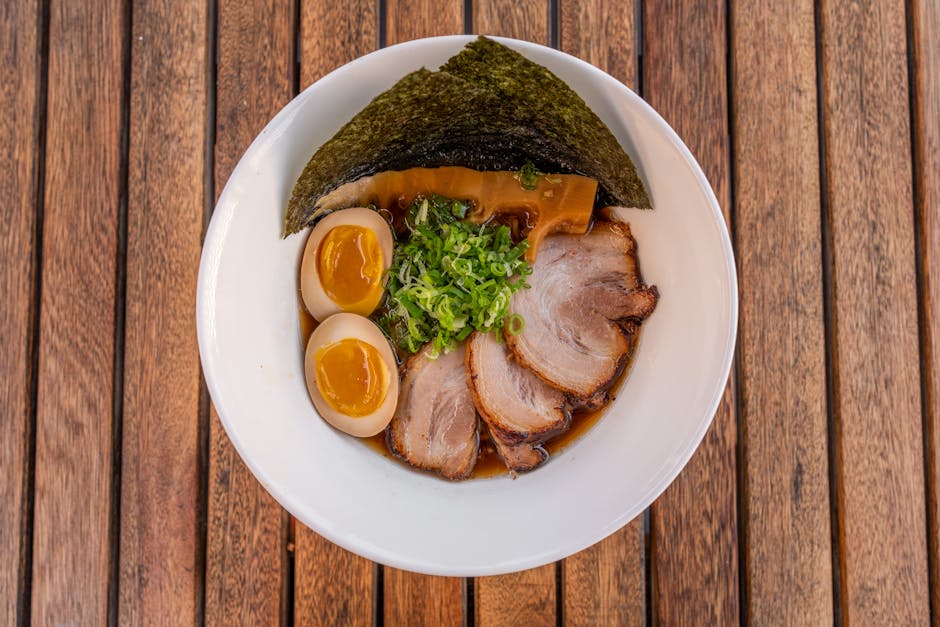
Asahikawa ramen uses a soy sauce (shoyu) base with a distinctive double-soup technique: pork and chicken bone broth combined with a seafood dashi. This dual foundation creates a layered, complex flavour profile that distinguishes it from simpler shoyu ramens found elsewhere in Japan. A thin layer of oil (typically lard or pork fat) floats on the surface, serving the practical function of insulating the soup against Asahikawa’s extreme cold — the city regularly records Japan’s lowest winter temperatures.
The noodles are thin and wavy, a contrast to Sapporo’s thicker style. The overall character is more nuanced than Sapporo miso ramen, with the seafood element adding depth without dominating.
Where to Eat Asahikawa Ramen
- Asahikawa Ramen Village — Eight ramen shops gathered under one roof, each representing a different approach to the local style. A practical way to survey Asahikawa ramen without navigating the city. Located near JR Asahikawa Station.
- Baikouken — One of Asahikawa’s most respected shops, known for a clean, refined shoyu broth.
- Santouka — Originated in Asahikawa before expanding nationally and internationally. The Asahikawa original maintains a quality edge over its branches elsewhere.
Asahikawa is approximately 85 minutes from Sapporo by JR limited express, covered by the JR Hokkaido Rail Pass.
Hakodate Shio Ramen
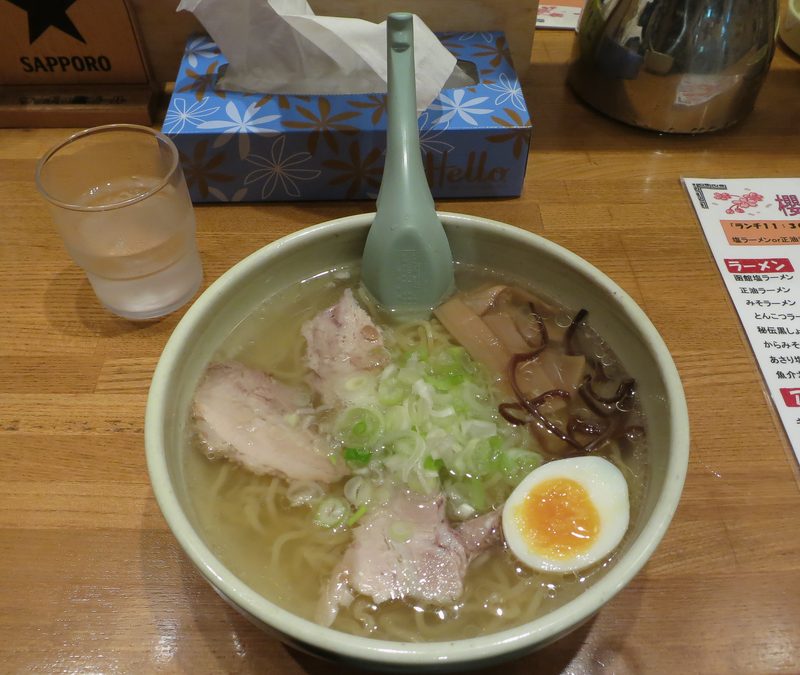
Hakodate’s salt-based (shio) ramen is the most delicate of the three Hokkaido styles. The broth is clear, made from pork and chicken bones with a sea salt seasoning that allows the subtle qualities of the ingredients to come through. There is no miso heaviness, no soy sauce darkness — the soup is transparent and light, relying on technique and ingredient quality rather than intensity of flavour.
This refinement reflects Hakodate’s character as a port city with centuries of international trade and cultural exchange. The style is the oldest of the three Hokkaido ramen traditions.
Where to Eat Hakodate Ramen
- Ajisai — The most well-known Hakodate ramen shop, consistent and accessible. Branches exist elsewhere in Hokkaido, but the Hakodate original is the standard reference.
- Seiryuken — A smaller, more traditional shop producing a particularly clean shio broth.
- Shops near Hakodate Station — Several excellent options within walking distance of the station, convenient for visitors arriving by train.
Comparison
| Sapporo | Asahikawa | Hakodate | |
|---|---|---|---|
| Base | Miso | Shoyu (soy sauce) | Shio (salt) |
| Broth | Thick, opaque, pork bone + miso | Double soup (pork + seafood dashi) | Clear, light, pork/chicken |
| Noodles | Medium-thick, curly | Thin, wavy | Thin, straight |
| Character | Rich, heavy, warming | Layered, complex, insulated | Delicate, clean, refined |
| Signature topping | Butter and corn | Oil surface layer | Minimal, focused on broth |
| Price range | ¥850–¥1,100 | ¥800–¥1,000 | ¥750–¥950 |
Other Notable Ramen
Ebisoba Ichigen (Sapporo) uses shrimp in the broth base, creating a distinctive orange-hued soup with a sweet, shellfish-forward flavour. It does not fit neatly into any of the three traditional categories and has developed a following for its originality.
Curry ramen appears in some Hokkaido shops, blending the ramen format with curry flavours — a natural evolution in a region that also invented soup curry.
Practical Notes
- Most ramen shops use ticket vending machines at the entrance. Insert money, press the button for your chosen dish, and present the ticket to staff. Photos on the buttons and occasionally English labels simplify the process.
- Ramen is eaten quickly. The noodles absorb broth and soften over time; ten to fifteen minutes from serving to finish is typical.
- Cash is standard. Most ramen shops do not accept credit cards.
- Peak hours (11:30–13:00 and 18:00–20:00) bring queues at popular shops. Off-peak visits significantly reduce waiting times.
Return to the Hokkaido Food Guide for more categories, or explore Hokkaido Sushi and Seafood guides.