Crab is to Hokkaido what wagyu is to Kobe — a regional product elevated to near-mythical status. The cold, nutrient-rich waters surrounding the island produce three commercially significant species, each with distinct characteristics, seasons, and price points. For many visitors, a crab meal is the single most anticipated dining experience of a Hokkaido trip.
This guide covers the three main species, when each is at its best, where to eat them, and practical advice for navigating Hokkaido’s crab restaurants without overpaying.
The Three Crabs of Hokkaido
King Crab (Tarabagani)
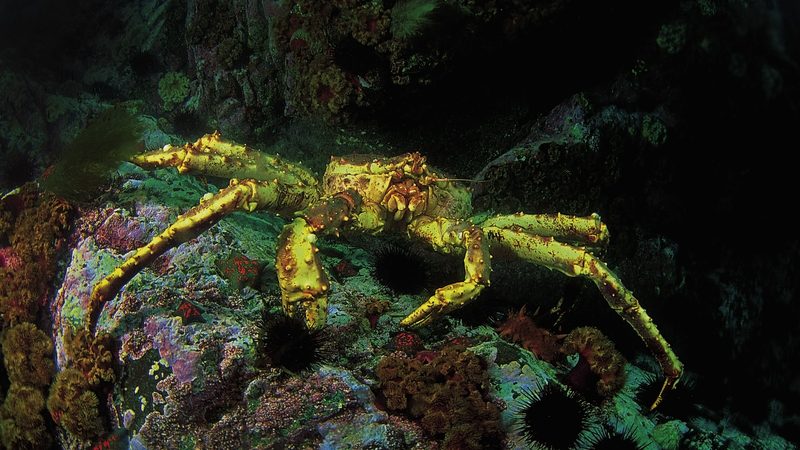
The largest and most visually dramatic of the three, with leg spans reaching up to a metre. King crab meat is firm, sweet, and available in generous quantities per crab. The legs are the main attraction — thick, meaty, and satisfying to crack open. King crab is the species most commonly featured in tourist-oriented crab dinners and buffets.
Peak season: November through February, though frozen king crab is available year-round.
Origin: Primarily caught in the Sea of Okhotsk off northern Hokkaido and imported from Russia.
Price indication: A king crab dinner course at a specialist restaurant typically costs ¥8,000–¥15,000 per person.
Snow Crab (Zuwaigani)
Slender legs with delicate, slightly fibrous meat that has a pronounced sweetness. Snow crab is less visually imposing than king crab but many crab specialists consider it the more flavourful species. It works particularly well as sashimi (raw), where the natural sweetness is most apparent.
Peak season: November through March.
Origin: Sea of Japan coast and northern Pacific waters.
Price indication: Generally more affordable than king crab; dinner courses from ¥6,000–¥12,000.
Horsehair Crab (Kegani)
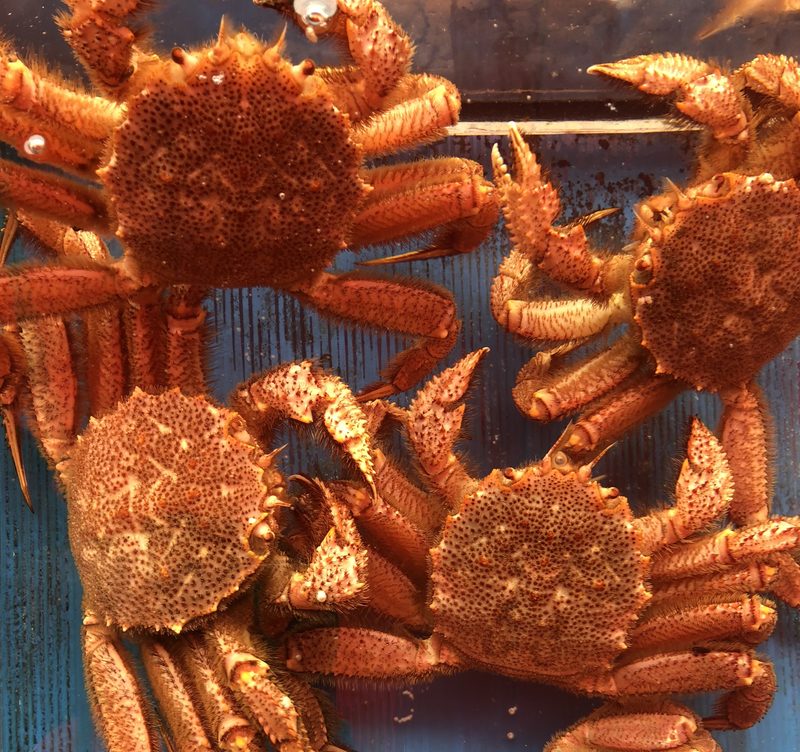
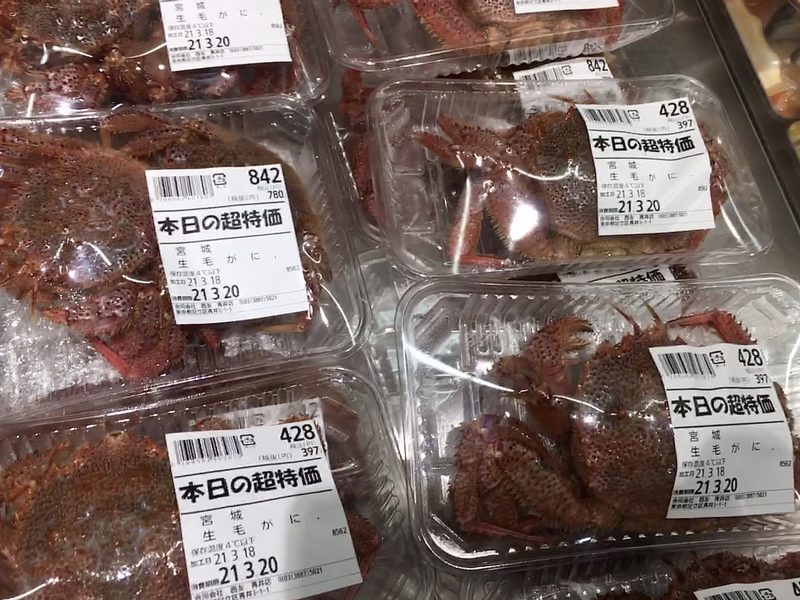
The smallest of the three but arguably the most prized among Japanese diners. The shell is covered in fine hair-like bristles (hence the name), and while the legs yield less meat than the other species, the body contains rich, creamy crab miso (tomalley) that is considered a delicacy. The meat itself is the sweetest and most complex of the three species.
Horsehair crab is the variety most likely to distinguish a Hokkaido crab experience from one available elsewhere. King and snow crab can be sourced from other regions; high-quality horsehair crab is closely associated with Hokkaido.
Peak season: Varies by fishing ground. Summer on the Pacific coast, winter on the Sea of Japan side. Available year-round from different areas.
Origin: Caught around Hokkaido’s coastline.
Price indication: Whole horsehair crab from ¥3,000–¥8,000 depending on size and season.
How Crab Is Served
| Style | Description | Best Species |
|---|---|---|
| Boiled (yude) | Whole crab boiled in salted water, served hot or cold | All three |
| Grilled (yaki) | Legs grilled over charcoal, slightly charred | King crab, snow crab |
| Sashimi | Raw crab meat, briefly blanched in ice water | Snow crab (best raw) |
| Hot pot (kani nabe) | Crab cooked in dashi broth with vegetables | Snow crab, king crab |
| Crab miso | Tomalley eaten directly from the shell | Horsehair crab (richest) |
| Crab cream croquette | Crab meat in béchamel, breaded and fried | Any |
| On kaisen-don | Crab meat atop rice bowl with other sashimi | Any |
Where to Eat Crab in Hokkaido
Specialist Crab Restaurants
Kani Honke (Sapporo) — The most famous crab restaurant chain in Hokkaido, operating since 1960. Multi-course crab dinners featuring multiple preparation styles. Reservations recommended. The Sapporo main branch is near Susukino Station. Courses from approximately ¥8,000.
Kani Shogun (Sapporo) — Another established crab specialist near Susukino. Similar multi-course format to Kani Honke with slightly different preparations.
Morning Markets
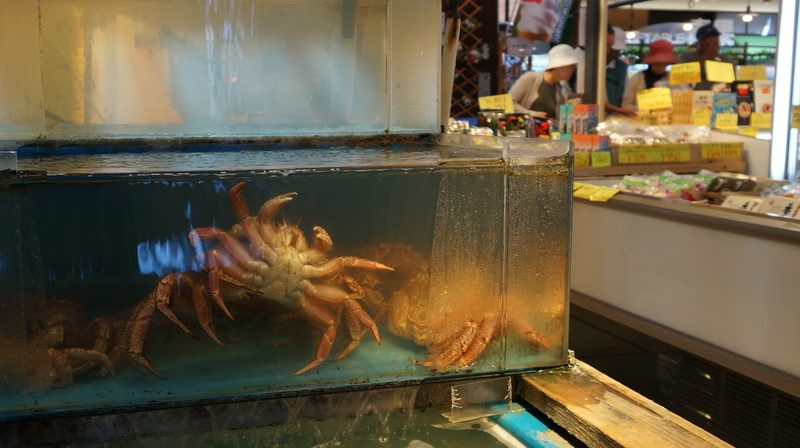
Hakodate Morning Market (Asaichi) — Stalls sell whole boiled crabs, crab legs, and crab-topped rice bowls. Prices are generally lower than restaurants, and the quality of the seafood is excellent. Open from approximately 05:00–12:00.
Sapporo Nijo Market — Similar market-style crab vendors with the option to eat on the spot. Less atmospheric than Hakodate but convenient for Sapporo-based visitors.
All-You-Can-Eat Crab Buffets
Several hotels and restaurants in Sapporo and onsen towns offer crab buffets, particularly during winter season. Quality varies significantly; the best use fresh Hokkaido crab while some substitute lower-quality imported product. Generally, restaurants that charge more (¥6,000+) use better crab. Budget buffets (¥3,000–4,000) may use frozen imported crab.
Buying Crab to Take Home
Both morning markets and New Chitose Airport sell packaged crab for transport. Vendors at the markets will pack crab with ice and insulated packaging for flights. Airport shops offer vacuum-sealed and frozen options. Shipping directly from market vendors to overseas addresses is also possible, though customs regulations vary by country.
Avoiding Overpaying
- Check if crab is Hokkaido-caught or imported. Some restaurants use imported Russian or Alaskan crab at Hokkaido prices. Asking is acceptable.
- Lunch is significantly cheaper than dinner at most crab restaurants. The same course may cost 30–40% less at midday.
- Horsehair crab offers the most distinctive Hokkaido experience. King crab is available (often imported) throughout Japan; horsehair crab is genuinely local.
- Morning market prices are negotiable to a degree, particularly later in the morning as vendors begin closing.
- Set courses provide better value than à la carte ordering at specialist restaurants. The course format is designed to showcase multiple preparation methods efficiently.