Hokkaido produces roughly a third of Japan’s agricultural output from just four percent of its population. The island’s cold climate, volcanic soil, and surrounding oceans create conditions that yield exceptional dairy, seafood, grain, and produce. The result is a food culture that the rest of Japan openly envies; Hokkaido ingredients command premium prices on restaurant menus from Tokyo to Osaka.
For visitors, this translates into eating experiences that are difficult to replicate elsewhere in the country. The seafood is fresher (often caught the same morning), the dairy richer (Hokkaido milk is noticeably different), and many regional dishes simply do not exist outside the island. This guide covers Hokkaido’s essential foods by category, with specific recommendations for where to eat them.
Ramen
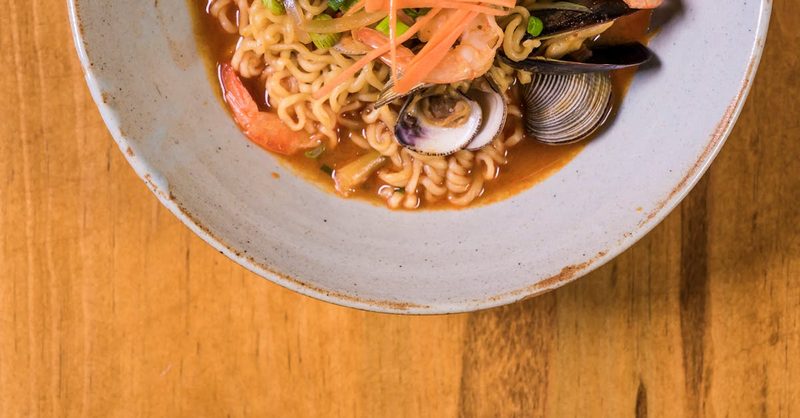
Hokkaido is the only region in Japan with three distinct, city-specific ramen styles. Each developed independently and reflects the local character of its home city. Sapporo’s miso ramen uses a thick, warming broth suited to harsh winters. Asahikawa’s shoyu ramen employs a double-soup technique with a layer of oil to retain heat in one of Japan’s coldest cities. Hakodate’s shio ramen takes a lighter, more delicate approach reflecting its port-town sophistication.
We cover each style in detail in our dedicated Hokkaido Ramen Guide.
Seafood
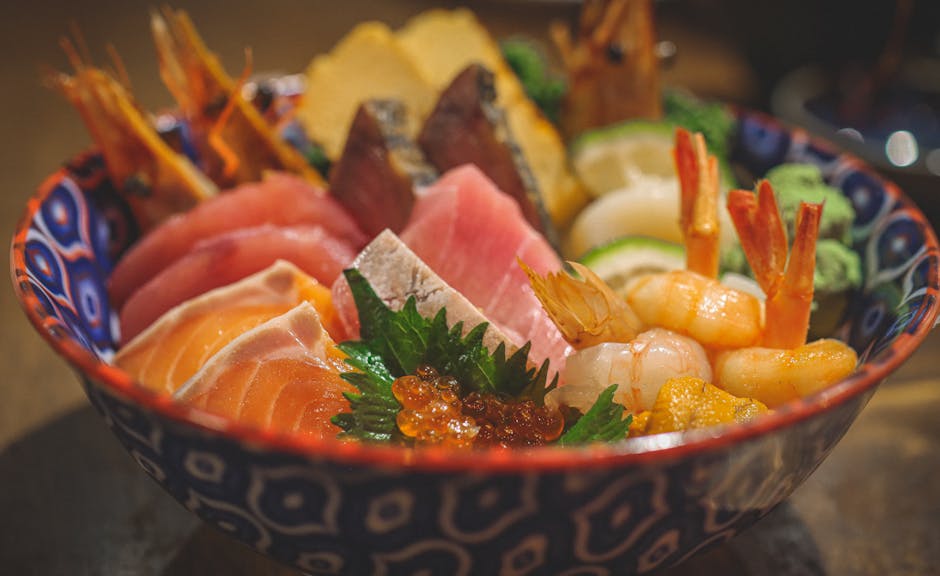
The waters surrounding Hokkaido are among the most productive fishing grounds in the North Pacific. Three types of crab dominate seasonal menus: king crab (tarabagani), snow crab (zuwaigani), and the highly prized horsehair crab (kegani), which is smaller but sweeter with rich internal miso. Sea urchin (uni) from Hokkaido’s northern waters, particularly around Rishiri and Shakotan, is considered the finest in Japan. Salmon roe (ikura), scallops from Saroma and Sarufutsu, and squid from Hakodate round out the seafood calendar.
The most accessible way to experience Hokkaido seafood is through kaisen-don — bowls of rice topped with an assortment of fresh sashimi. Morning markets in Hakodate and Sapporo serve exceptional versions, often assembled to order from display cases. See our Hokkaido Seafood Guide and Crab Guide for seasonal availability and recommended restaurants.
Jingisukan (Genghis Khan Barbecue)
Hokkaido’s signature barbecue dish features lamb or mutton grilled on a distinctive dome-shaped grill, with vegetables cooking in the rendered fat around the edges. The dish has no historical connection to Mongolia despite its name; it was developed in Hokkaido in the early twentieth century when the government encouraged sheep farming on the island. Today it functions as a social centrepiece — groups gather around the grill with beer, grilling and eating communally.
The Sapporo Beer Garden offers the classic all-you-can-eat jingisukan with all-you-can-drink Sapporo beer experience, though dedicated smaller shops in Susukino (particularly Daruma, which regularly draws queues) often use higher-quality lamb.
Soup Curry
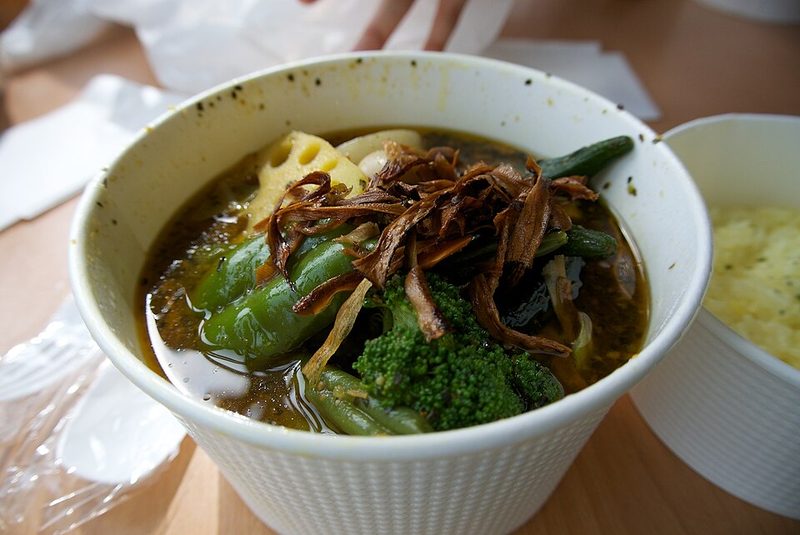
A Sapporo invention from the 1970s that has never successfully spread beyond Hokkaido. Soup curry is fundamentally different from standard Japanese curry rice: a thin, aromatic, spice-forward broth served with large pieces of chicken or vegetables, accompanied by rice on the side for dipping. The spice profiles draw on South Asian and Southeast Asian influences, with individual shops developing proprietary blends that their customers defend with considerable loyalty.
Sapporo has over 200 soup curry shops. We recommend starting with Suage (the most consistent introduction), Garaku (deeper spice complexity), or Picante (the most overtly South Asian-influenced).
Dairy
Hokkaido produces the vast majority of Japan’s milk, butter, and cheese. The cold climate allows for pasture-based farming that produces notably richer dairy than other Japanese regions. This quality is immediately apparent in Hokkaido’s soft-serve ice cream, which is ubiquitous and consistently excellent across the island. Furano Cheese Factory and several Tokachi-region producers have developed artisan cheese programmes that rival modest European imports.
Notable dairy experiences include the lavender soft serve at Farm Tomita in Furano, the Yubari melon soft serve available across central Hokkaido in summer, and the products of Hokkaido’s growing craft cheese scene. See our Sweets and Desserts Guide for more.
Sweets and Confections
Hokkaido’s dairy industry has spawned a significant confectionery sector. LeTAO’s Double Fromage cheesecake in Otaru draws queues year-round. Royce produces nama (fresh) chocolate that is exported across Asia. Shiroi Koibito (White Lover) biscuits from Sapporo are Japan’s best-selling regional souvenir. Rokkatei’s Marusei butter sandwiches from Obihiro are another Hokkaido institution.
Full details in our Hokkaido Sweets and Desserts Guide.
Regional Specialties by City
| City | Signature Dishes | Best For |
|---|---|---|
| Sapporo | Miso ramen, soup curry, jingisukan, beer | Variety and volume |
| Hakodate | Shio ramen, morning market seafood, squid | Fresh seafood |
| Asahikawa | Shoyu ramen, Asahikawa Ramen Village | Ramen depth |
| Otaru | Sushi, LeTAO cheesecake, herring soba | Sushi and sweets |
| Obihiro | Butadon (pork rice bowl), Rokkatei sweets | Tokachi region flavours |
| Furano | Cheese, lavender products, omu-curry | Farm-to-table dairy |
Seasonal Eating Calendar
| Season | Peak Ingredients |
|---|---|
| Spring (Apr–May) | Asparagus, herring, mountain vegetables |
| Summer (Jun–Aug) | Uni, Yubari melon, corn, lavender products |
| Autumn (Sep–Nov) | Salmon, ikura, crab season begins, potatoes, pumpkin |
| Winter (Dec–Mar) | King crab, snow crab, horsehair crab, hot pot, seasonal ramen |
Practical Tips
- Cash is important: Many smaller restaurants, ramen shops, and market stalls in Hokkaido do not accept credit cards. Carry at least ¥10,000 in cash, particularly outside Sapporo.
- Lunch sets offer value: Most sit-down restaurants offer lunch sets (teishoku) between 11:00 and 14:00 at prices 30–50% lower than equivalent dinner items.
- Seicomart over other convenience stores: Hokkaido’s local convenience store chain consistently outperforms national competitors on food quality, particularly its Hot Chef counter items made with Hokkaido ingredients.
- Morning markets open early: Hakodate’s Asaichi and Sapporo’s Nijo Market are best visited before 09:00 for the freshest selection and shortest queues.
Explore by Category
- Hokkaido Ramen Guide — All three regional styles compared
- Sushi Guide — Where to eat sushi across Hokkaido
- Crab Guide — Types, seasons, and where to eat
- Seafood Guide — Beyond crab: uni, ikura, scallops, squid
- Sweets and Desserts — Cheesecake, chocolate, soft serve