Hokkaido’s autumn arrives a full month earlier than on mainland Japan. Daisetsuzan National Park sees Japan’s first autumn colours from mid-September, with the foliage sweeping down from the mountain peaks to the lowlands through October. This overlap with harvest season — when salmon, crab, root vegetables, and new rice arrive simultaneously — makes September and October arguably the best months to eat in Hokkaido.
This itinerary combines foliage viewing with onsen bathing and seasonal eating, covering central and southern Hokkaido. A rental car is recommended for the Daisetsuzan section; the southern loop can be done by train.
Day 1: Arrive in Sapporo
Arrive at New Chitose Airport. JR Rapid Airport train to Sapporo Station (37 minutes). Check into your hotel.
Afternoon: Walk through Odori Park — in autumn, the trees along the park begin changing colour from late September. If the Sapporo Autumn Fest is running (typically September through early October), outdoor food stalls line the park serving Hokkaido specialties from each region.
Evening: Dinner at an izakaya in Susukino. Autumn is the start of crab season — horsehair crab (kegani) and snow crab appear on menus. See our crab guide for restaurant recommendations.
Day 2: Jozankei Onsen (Peak Foliage)
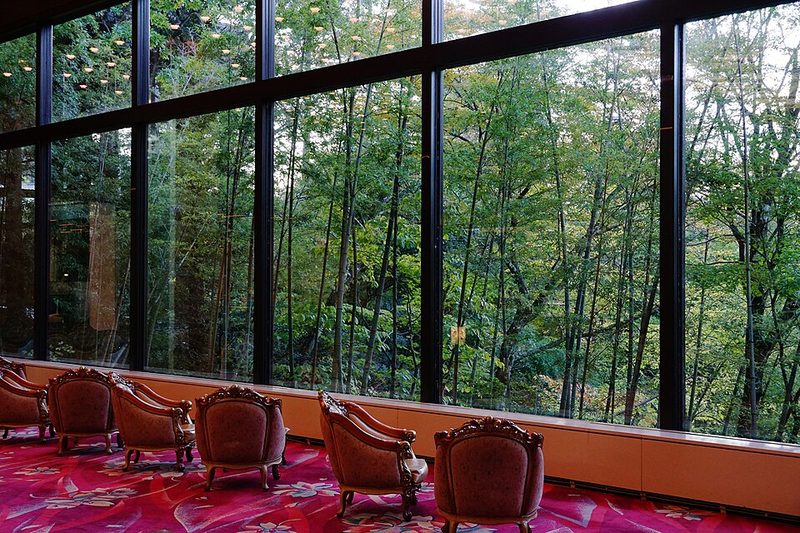
Morning: Bus from Sapporo to Jozankei Onsen (60 minutes, ¥800). The river valley here produces some of the most accessible autumn foliage near Sapporo, typically peaking in early to mid-October. The Toyohira River gorge is framed by red, gold, and orange trees reflected in the water.
Daytime: Walk the gorge trails, soak your feet in the free ashiyu (foot baths) along the main street, and take a day-use onsen bath at one of the hotels. The combination of hot spring water and autumn forest is one of Hokkaido’s defining seasonal experiences. See our onsen guide.
Evening: Return to Sapporo or stay overnight in Jozankei for an evening soak under the coloured trees.
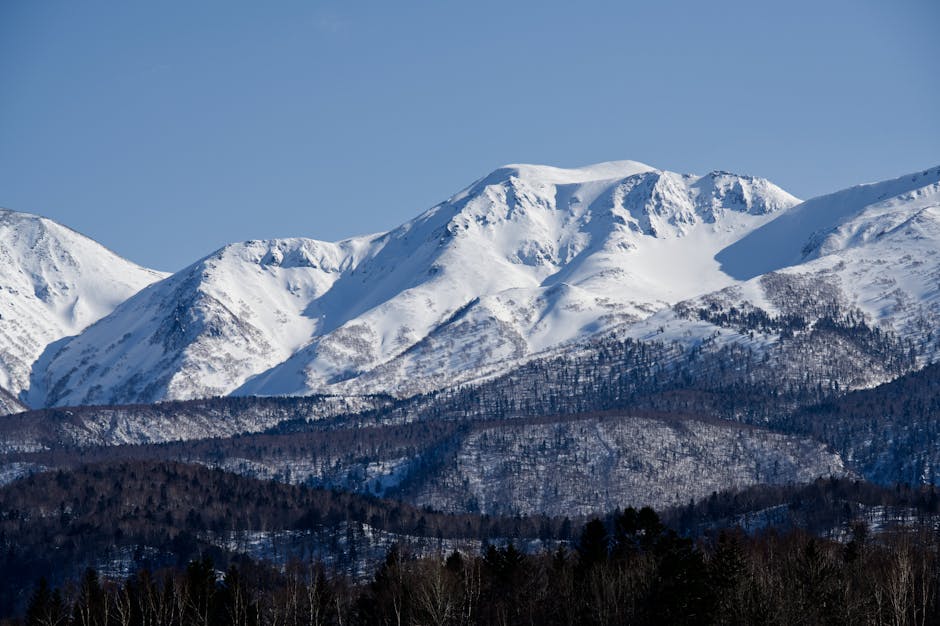
Day 3: Daisetsuzan (Japan’s First Autumn Colours)
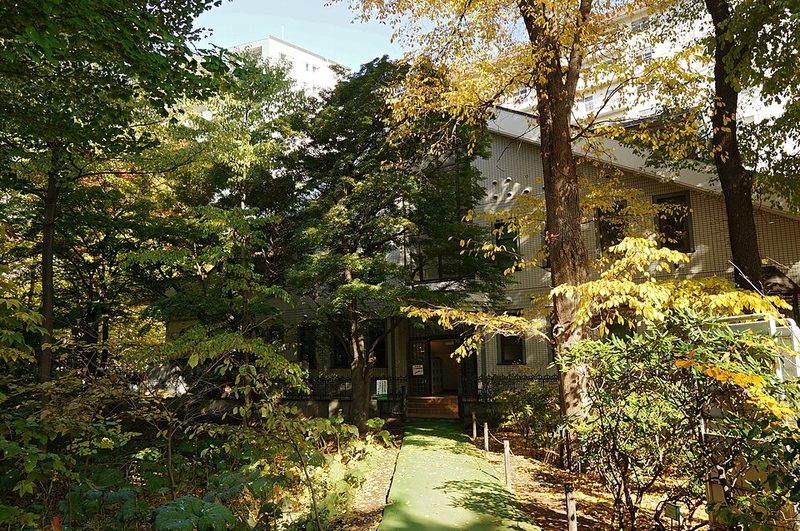
Drive or take the train to Asahikawa (85 minutes by JR limited express from Sapporo), then continue to Sounkyo Gorge (approximately 60 minutes by car or bus from Asahikawa).
Daisetsuzan sees Japan’s first autumn colours from mid-September at the mountain peaks. By early October, the foliage descends to the lower elevations. The Sounkyo Gorge — steep cliffs, waterfalls, and dense forest — is particularly dramatic when framed by autumn colours.
Options:
- Asahidake Ropeway: Ascend to alpine terrain where autumn colours arrive earliest (sometimes late August at the highest elevations). The Sugatami Pond Circuit hike (1.5 hours) offers panoramic mountain views.
- Kurodake Ropeway (Sounkyo): Shorter ascent with views across the gorge. A chairlift continues to the 7th station for hiking access.
Lunch: Asahikawa Ramen Village on the way through — the shoyu ramen is an essential Hokkaido experience. See our ramen guide.
Evening: Stay in Sounkyo onsen town or return to Asahikawa.
Day 4: Noboribetsu Onsen
Morning: Drive or take the train south to Noboribetsu (approximately 2.5 hours from Asahikawa by car, or return to Sapporo and take JR limited express, 75 minutes).
Afternoon: Walk Jigokudani (Hell Valley) — the volcanic crater valley with steaming vents and mineral-stained rock. In autumn, the surrounding forest adds colour to the already dramatic landscape. Continue to the Oyunuma hot river where you can soak your feet in naturally heated stream water flowing through the forest.
Evening: Check into a Noboribetsu onsen hotel. The variety of mineral water types (nine in total) means you can try different baths with different properties. Evening and early morning bathing, when the day visitors have gone, is the most peaceful. See the onsen guide for specific bath recommendations.
Day trip combining Noboribetsu and Lake Toya available through Klook.
Day 5: Lake Toya
Morning: Drive or bus from Noboribetsu to Lake Toya (approximately 30 minutes). The caldera lake with its forested island and volcanic backdrop is scenic year-round but particularly so with autumn foliage reflecting in the still water.
Daytime:
- Mt. Usu Ropeway — views of the volcanic crater, the lake, and on clear days, the Pacific Ocean (¥1,800 round trip)
- Nishiyama Crater Walking Trail — see the aftermath of the 2000 eruption; buildings and roads left as they were when buried by volcanic activity
- Lake cruise to Nakajima Island
- Day-use onsen at a lakefront hotel
Evening: If visiting between April and October, fireworks are launched from boats on the lake every evening — visible from the lakefront hotels and shoreline promenade. Stay overnight for the full lake experience.
Day 6: Return via Otaru or Direct to Sapporo
Option A: Drive from Lake Toya through Niseko to Otaru (approximately 2.5 hours). Stop for sushi in Otaru, walk the canal, and continue to Sapporo or New Chitose Airport.
Option B: Direct drive or train from Lake Toya to Sapporo (approximately 2 hours by car, 1 hour 50 minutes by JR). Spend remaining time in Sapporo — Nijo Market for a final seafood bowl, last-minute shopping, or a revisit to a favourite restaurant.
Autumn Foliage Timing
| Location | Elevation | Peak Foliage |
|---|---|---|
| Daisetsuzan peaks | 1,500m+ | Mid–late September |
| Sounkyo Gorge | 700m | Late September–early October |
| Jozankei | 300m | Early–mid October |
| Noboribetsu | 200m | Mid October |
| Lake Toya | 100m | Mid–late October |
| Sapporo (Odori, Maruyama) | Sea level | Late October–early November |